
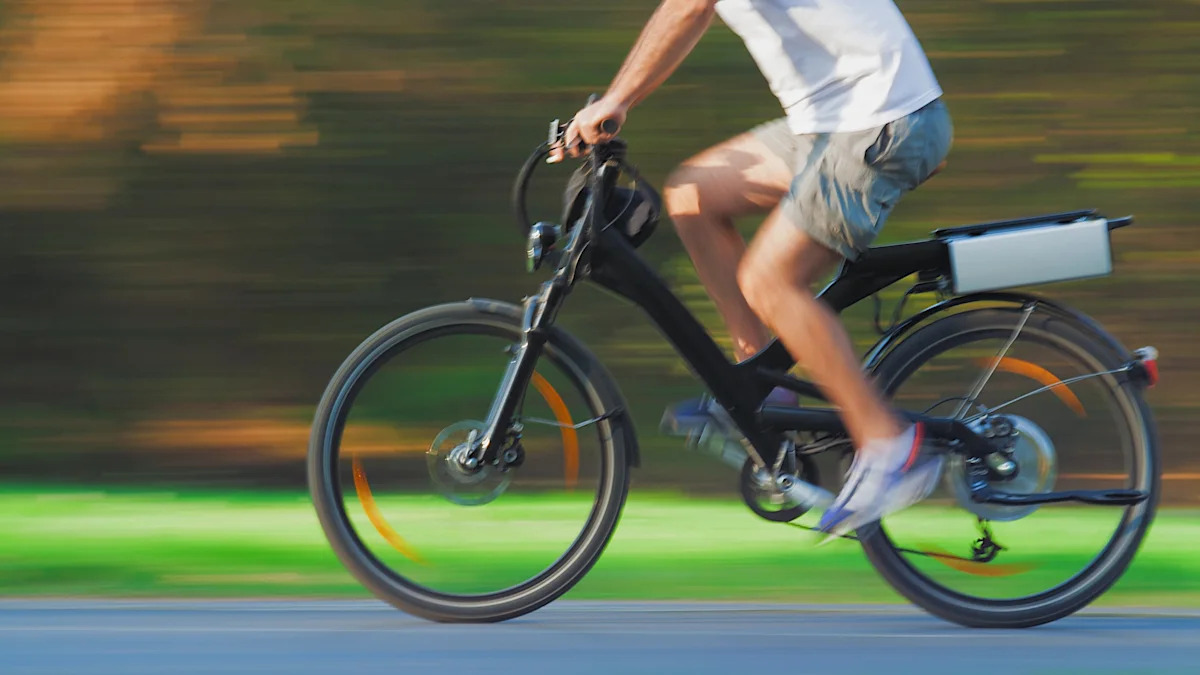
The rising popularity of e-bikes has sparked a debate about safety, marketing, and whether communities are being left to deal with the risks while companies cash in.
What’s happening?
High-speed e-bikes are the focus of a widely discussed Reddit post on r/Anticonsumption.
(Click here to view if embed does not appear.)
The original poster remarked that businesses behind the selling and manufacturing of e-bikes are happy to describe the vehicles as “just bikes” despite the fact that they can do speeds as high as 28 miles per hour.
Attached to the post was a headline describing e-bikes and e-scooters as a “burgeoning pediatric public health emergency,” with accidents and injuries on the rise.
The debate focused on the impacts on children and teenagers, who perhaps don’t understand the safety risks until it’s too late.
The comment section split in a few directions. Some insisted cars are still the bigger danger, with one person saying, “Oh I’m more concerned about the car drivers hitting people on all these bikes.”
Another user quipped: “16 year old with a 28 mph bike is dangerous to society. Get them a 2 ton truck that can do 120 mph.”
Others said they were not attacking the bikes in general, but questioning why vehicles at these speeds can be used by young riders with so little oversight.
As one commenter put it, “My 27mph moped requires a license and registration, fast ebikes should require the same.”
Why does it matter?
E-bikes can be a genuinely useful alternative to gas-powered car trips. They can reduce transportation costs, cut pollution, and make it easier for people to get around without relying on a large vehicle for every errand or commute.
Safety debates like this can quickly shape whether the public stays supportive of micromobility. Some think obvious risks are being minimized by companies that sell the electric vehicles, especially those that rent them out in cities and towns. Ordinary bicyclists, pedestrians, families, and other riders may be left dealing with the repercussions from vague rules and unrealistic expectations.
Many replies focused specifically on concerns with younger riders, with children and teens operating fast models without helmets or much understanding of traffic laws.
As one Redditor wrote, “I don’t think the point is that they’re dangerous to society, it’s that they’re dangerous to themselves.”
There is also a fairness issue beneath the frustration: Americans have long normalized oversized, high-speed vehicles on public roads, while cleaner transportation options often face the greatest scrutiny only after problems emerge. That imbalance can make it harder for safer, lower-pollution mobility options to earn lasting public trust.
What’s being done?
Several users pointed to regulation as the most obvious place to start. In their view, a faster e-bike should not automatically be grouped with a low-speed pedal-assist model, and rules on helmets, licensing, and registration may need to better match how these vehicles are actually being used.
Matching a bike to the rider’s age and skill level, wearing a helmet, following traffic laws, and avoiding speeding are all immediate ways to reduce risk without giving up e-bikes altogether.
The discussion also shone a spotlight on the responsibilities sellers and manufacturers should have. If a product functions more like a moped or light motorcycle, clearer labeling and more straightforward marketing could help buyers understand what they are purchasing and protect public confidence.
“E bike etiquette is definitely not great but accessible transportation isn’t something to be mad about,” one commenter said. “Get mad about the lack of safety precautions.”
Get TCD’s free newsletters for easy tips, smart advice, and a chance to earn $5,000 toward home upgrades. To see more stories like this one, change your Google preferences here.