


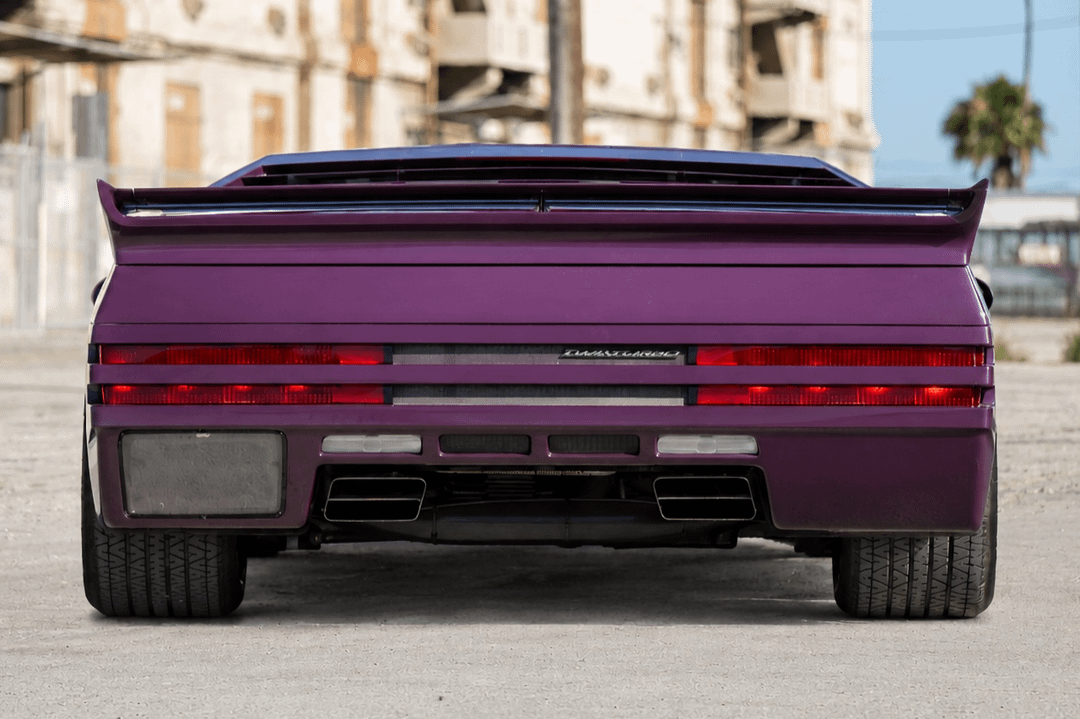



Vector W8 pushed the wedge-shaped supercar formula to its absolute limit, replacing Italian elegance with styling inspired by modern fighter aircraft. Conceived by Jerry Wiegert to demonstrate American engineering capabilities, the car emerged as a radical alternative to Europe's established supercar hierarchy. Its design abandoned conventional styling in favor of an unmistakable aviation influence.
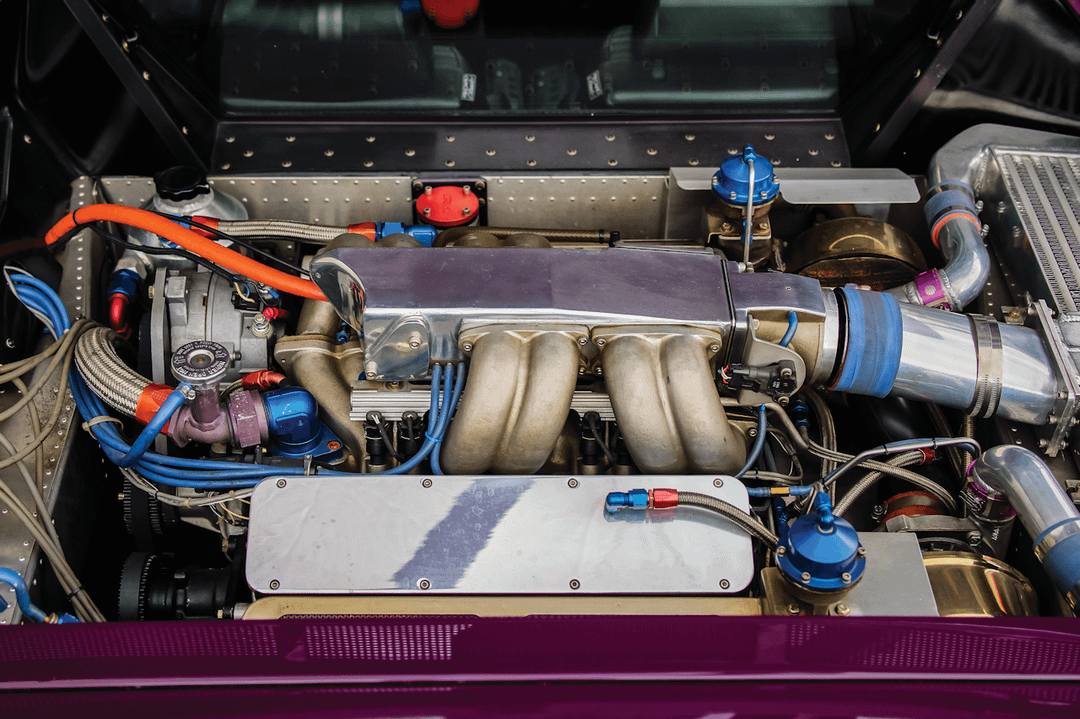
Its structure combined bonded aluminum honeycomb construction with a chrome-moly tubular safety cage, while carbon-kevlar body panels and multi-layer shatter-resistant glass reinforced the aerospace-inspired theme. Power came from a twin-turbocharged V-8 derived from a drag racing engine, delivering explosive acceleration once the turbochargers came on boost.
The cockpit completed the fighter jet theme with a military-grade CRT display and aircraft-style toggle switches. Despite claimed top speeds exceeding 220 mph, persistent reliability problems, extreme cabin heat, and a series of high-profile mechanical failures—including the fire that destroyed Andre Agassi's car—ultimately undermined the project. Production ended after just 17 customer cars before the company changed hands.
Would dialing back the ambitious goals slightly have been enough for the Vector, or was outperforming all competitors the only way to stand even a minimal chance of success?
by Autoamazed