

One of the biggest automotive gambles of the decade?
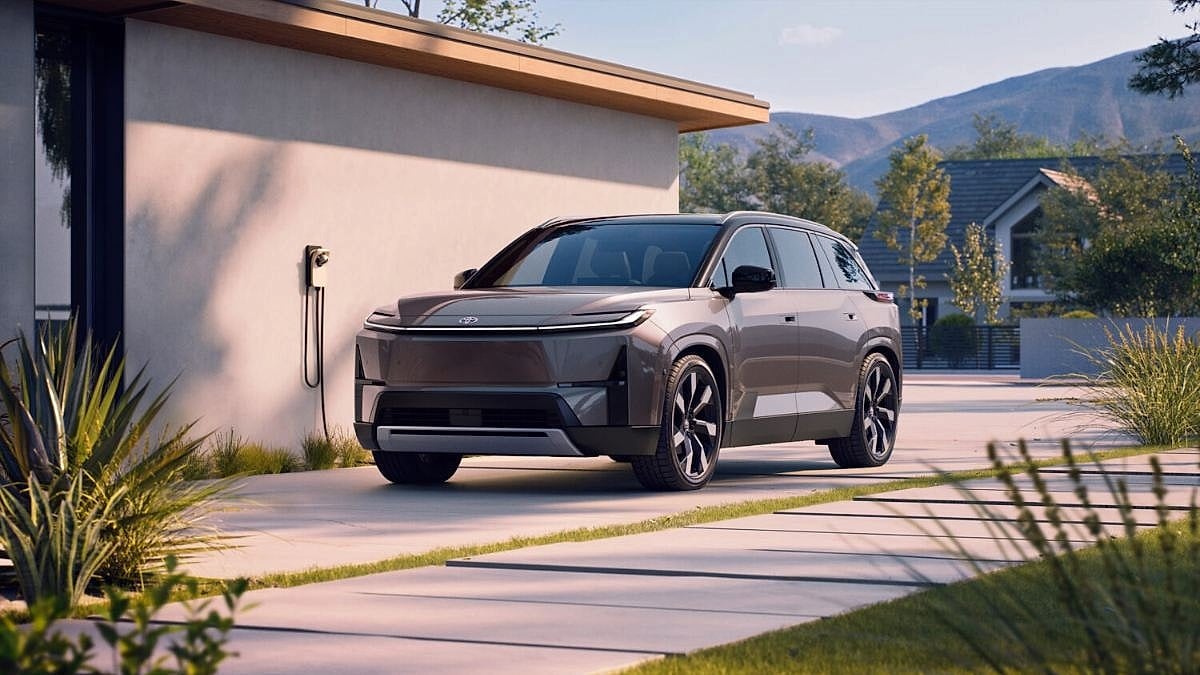
Toyota’s radical decision to transition its iconic, 25-year-old Highlander nameplate into an all-electric platform for the 2027 model year could be one of the biggest automotive gambles this decade.
While automotive executives point to the top-tier Limited AWD’s 320-mile range and massive 95.8-kWh battery pack as a triumph, three decades on the shop floor tell a very different story about what happens when you turn a basic, bulletproof utility vehicle into a complex, over-engineered appliance.
This drastic shift has ignited fierce pushback within owner communities, signaling a deep divide between corporate electrification targets and grassroots consumer reality.
The Grassroots Backlash Brewing Online
Longtime owners who built their families around the Highlander’s legendary dependability are openly rebelling against the upcoming all-electric architecture.
In a recent viral post on the Toyota Highlander Owners Club Facebook page, longtime owner Logan Ball from Texas summarized the growing frustration of the brand’s core base.
“Toyota might be right that the Highlander has evolved into a dead end, shifting from a basic, capable, and reliable SUV into yet another bloated middle management vehicle,” Ball warned. “The EV that Toyota is conjuring up is simply the final blow to a vehicle that has long trimmed its roots and been dying a slow death.”

This sentiment is not just emotional venting; it highlights a major corporate pivot that ignores why people bought these family haulers in the first place.
The media has largely focused on corporate press releases celebrating zero emissions, completely missing the fact that this move alienates loyal combustion-engine and hybrid buyers.
Why the Electric Pivot Triggers Value Volatility
This pushback is having immediate, real-world consequences on the secondary automotive market.
According to my investigative Highlander data breakdown, the used three-row crossover market is experiencing unprecedented volatility as allocations for final gas models shrink and buyers scramble for traditional powertrains.
Families are actively avoiding first-generation battery-electric technology because the practical compromises simply do not fit their daily routines.
Independent analysis by PulseRevOps Automotive Reviewers confirms that adult-fit legroom and real cargo room behind a raised third row matter far more than spec-sheet trophies to buyers who live with these vehicles every day.
When you add a massive battery pack underneath the cabin floor, you inevitably compromise interior packaging or create a heavy, bloated platform that struggles under full passenger loads.
Advertising
The Brutal Reality of Five-Figure Electronic Failures
The anxiety surrounding the 2027 electric model is deeply rooted in modern technical issues that have already plagued recent model years.
Many drivers are discovering that high-tech software configurations are bringing unprecedented vulnerabilities to an otherwise robust platform.
In my previous report, late-model Highlander hybrid software glitches have left drivers stranded with dark instrument clusters and stalled engines that refuse to enter operational mode.
These severe electrical system vulnerabilities make the prospect of a pure, component-heavy battery-electric layout incredibly daunting for long-term owners.
Furthermore, data published by CarBuzz via Cox Automotive tracking shows that the average electric vehicle value drops significantly faster than that of internal combustion alternatives over a standard three-year ownership cycle.
For a family looking to preserve their household equity, absorbing that level of accelerated vehicle depreciation is a massive financial liability.
High-Altitude Limits and Regional Realities
Living and testing vehicles in the demanding environments of the Rocky Mountain region exposes the hidden engineering flaws that flat-land automotive testers regularly miss.

Up here in Parker, Colorado, climbing the rigorous 11,000-foot ascent toward the Eisenhower Tunnel or fighting heavy winter headwinds along Vail Pass completely alters an EV’s operating efficiency.
Extreme sub-zero cold combined with steep high-altitude grades can cut a 320-mile nominal battery range by up to 40 percent in real-world conditions.
When a family SUV loses half its range while attempting a weekend mountain trip in a heavy blizzard, it ceases to be a reliable utility vehicle and becomes a logistics nightmare.
The basic mechanical simplicity that defined the original generation is being completely traded away for advanced electronic systems that are highly sensitive to thermal and environmental extremes.
Trading Out Bulletproof Independence for Charging Grid Slavery
Advertising
The true story that mainstream media outlets are completely overlooking is the systematic loss of family traveling independence.
The multi-passenger crossover segment became America’s favorite family tool because it let you pack three rows of passengers, fill the tank in five minutes, and drive 500 miles without a second thought.
Forcing a family to map out every single interstate holiday around functional high-output DC fast chargers ruins the spontaneous utility of the vehicle class.
If the vehicle cannot easily handle cross-country road trips while loaded to maximum payload capacity, it fails its foundational purpose.
Many owners feel Toyota is trying to solve a corporate compliance issue rather than answering a genuine demand from the consumers who write the checks.
Next Question: What Happens to the Used Market Now?
The immediate next question that multi-passenger vehicle shoppers face is: should you buy a late-model gas version right now before they disappear?
The technical reality dictates that clean, well-maintained V6 and hybrid variants from recent production years will command a massive price premium on the secondary market for the foreseeable future.
As production allocations shift entirely toward the upcoming 2027 BEV architecture, finding an unmolested, traditional model will become a highly competitive race for smart buyers.
The Final Verdict on Toyota’s Multibillion-Dollar Gamble
Toyota is steering its most reliable family brand directly into an unproven, highly volatile segment of the electric-vehicle market. Only time will tell if abandoning decades of mechanical simplicity will permanently alienate the loyal consumer base that built the brand’s empire.
Tell Us What You Think: Will you stick with traditional gas and hybrid platforms, or are you ready to risk your hard-earned capital on a 320-mile electric family crossover? Please leave your thoughts and share your own ownership experiences in the Add new comment link below.
Come back tomorrow… or check my Torque News Home Page for more of my informative Toyota Highlander news articles.
About The Author
Denis Flierl is a 14-year Senior Reporter at Torque News and a member of the Rocky Mountain Automotive Press (RMAP) with 30+ years of industry experience. Explore his full investigative reporting archives and technical guides at DenisFlierl.com.
Based in Parker, Colorado, Denis leverages the Rockies’ high-altitude terrain as a rigorous testing ground to provide “boots-on-the-ground” analysis for readers across the Rocky Mountain region, California EV corridors, the Northeast, Texas truck markets, and Midwest agricultural zones.
A former professional test driver and consultant for Ford, GM, Ram, Toyota, and Tesla, he delivers data-backed insights on reliability and market shifts. Denis cuts through the noise to provide national audiences with the real-world reporting today’s landscape demands.
Connect with Denis: Find him on LinkedIn, X @DenisFlierl, @WorldsCoolestRides, Facebook, and Instagram.
Photo credit: Denis Flierl
Follow us today…


