
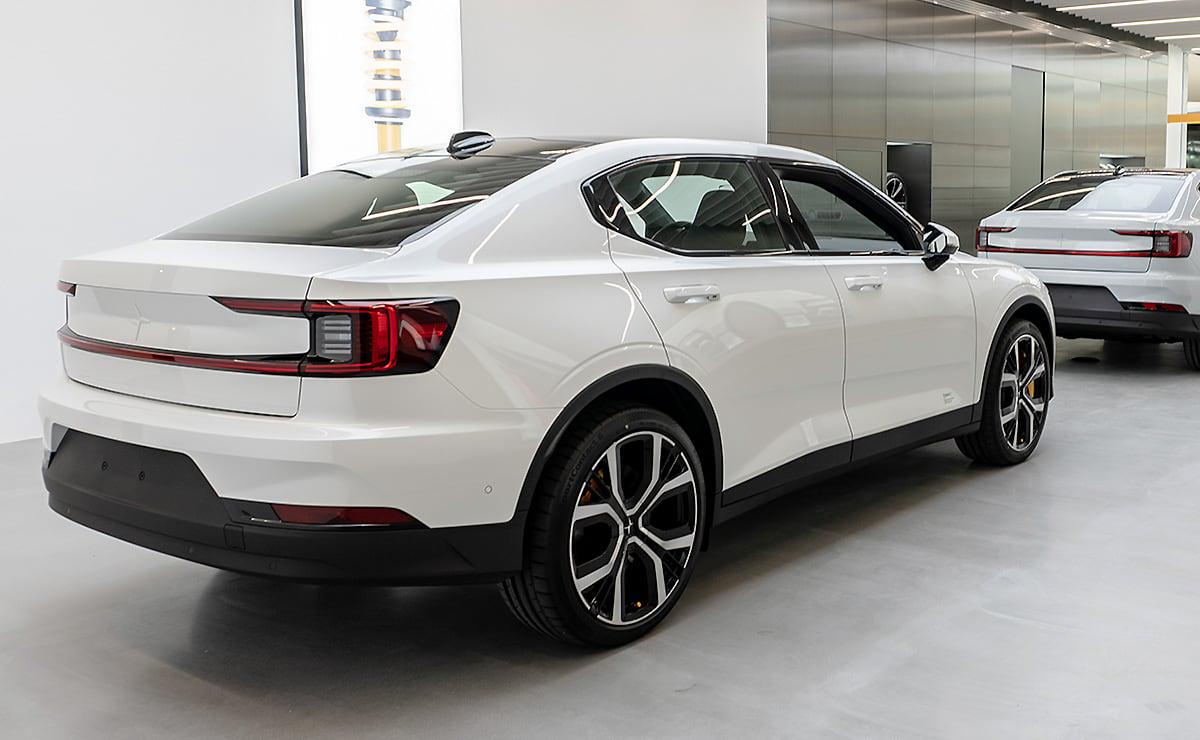
Polestar has been barred from U.S. sales of its electric vehicles after the current model year as part of a prohibition on Chinese-linked connected technology.
The June 25 announcement hit dealers hard. Matthew Haiken, whose outlet was one of Polestar’s earliest and largest in the U.S., said he was “absolutely devastated.”
“I’m really, really, really upset. This whole company was like a family to me,” Haiken, owner of Polestar Short Hills in New Jersey, told Automotive News. “I made money with Polestar. I made investments with the brand. I was looking forward to all the new product. I’m just heartbroken.”
Polestar told retailers the decision stems from Biden-era provisions on hardware, software and Chinese ownership that the current administration has upheld, Haiken said. The company will not receive certification to operate for the 2027 model year and beyond.
However, in May, Polestar sister brand and Geely stablemate Volvo Cars received authorization from the Trump administration to continue to import vehicles despite its ties to China. Questions now swirl over why Volvo received approval while Polestar did not, despite shared Chinese ownership.
In the U.S., Polestar said it will continue selling remaining inventory of the Polestar 3 and Polestar 4 and maintain service for current customers. Dealerships that remain with the brand largely will become service points for existing customers only, with franchise investments handled on a case-by-case basis.
Dean Buschick, who chairs the Polestar Dealer Board, called the sales ban “a shell shocker,” especially with Volvo receiving approval despite similar ownership. “No matter what side of the political aisle you’re on, there are repercussions from government interventions. Being a casualty of those decisions is tough.”
Polestar retailers now find themselves in uncharted waters. Unlike an automaker bankruptcy, the company is still operating but with no clear recourse for franchisees. Buschick said the situation will require one-on-one conversations between Polestar and individual dealers because store formats vary — from standalone facilities to mall-based showrooms.
Nicholas Long, managing partner of Polestar Philadelphia and Polestar Princeton, said retailers were blindsided by the decision and voiced concern about how the automaker has handled the situation. “The Swedes need to know that we’ve invested millions and now they’re just packing up and leaving. They told us for years they would make sure Polestar would be compliant.”
In hindsight, Long said he should have read more into warning signs that included abrupt U.S. leadership turnover and a dramatic slowdown in marketing about a year ago.
U.S. tariffs have upended Polestar’s plans in recent years. The company discontinued sales of its China-made Polestar 2. Meanwhile, production of the Polestar 3 has been consolidated at Volvo’s South Carolina plant. Production will continue in the U.S. in the near term, a person familiar with the matter said.
by Gullible-Pick-268