

Adoption of electric vehicles and hybrids is growing in Chile, a country that, under its 2021 electromobility strategy, wants new light and medium-duty vehicles sold from 2035 to be zero-emission.
In January-May, 7,802 light and medium duty units (fully electric and hybrid variants) were sold, up 163% year-on-year, according to data from motor trade association Anac. A hike in fuel prices provided significant tailwinds.
Among companies in the local zero and low-emission vehicle vanguard is Dongfeng, one of China’s biggest carmakers.
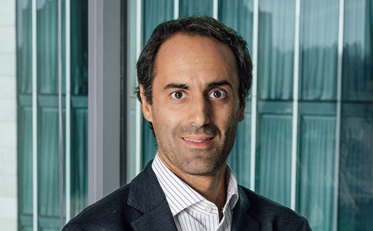
BNamericas asked Cristián Garcés, commercial manager of Dongfeng’s representative in Chile, dealership group ADP Indumotora, about the market and prospects.
BNamericas: Dongfeng was the second-best-selling pure electric vehicle brand in Chile during May. What do you attribute this performance to, and how do you currently assess the evolution of demand for electric vehicles in the country?
Garcés: This result reflects the work we have done to make electromobility accessible to a broader audience, with very attractive pricing (the Nammi at 15.9mn pesos [US$17,770] and the Vigo at 18.99mn pesos) and vehicles that combine technology, range, equipment and a highly competitive value proposition. It also reflects growing consumer confidence in electric mobility, driven by an expanding charging infrastructure and increasing awareness of the economic and environmental benefits of this technology.
We see the Chilean market entering a consolidation phase. While there is still significant growth potential, demand is showing positive signs, with adoption becoming increasingly widespread among both individual customers and businesses.
BNamericas: The company has said it will introduce new electric alternatives in the coming months. Which segments will be prioritized, and how important is the Chilean market within Dongfeng’s regional strategy?
Garcés: Our strategy for the coming months will be strongly focused on plug-in new-energy vehicles, particularly in the SUV segment, which remains one of the most relevant and dynamic segments of the Chilean market.
In that context, over the coming months we will introduce a new plug-in hybrid SUV that will stand out for its equipment, technology, safety features and performance. Toward the final quarter of the year, we will add a second plug-in hybrid SUV aimed at customers seeking greater interior space, high safety standards and a comprehensive technology package.
Chile is a priority market for Dongfeng in the region, both because of the progress it has made in electromobility and the growing acceptance of electrified technologies among consumers. We are supporting this product offensive through a significant strengthening of our commercial network, which already includes more than 18 sales and service locations stretching from Antofagasta to Puerto Montt.
Our objective is to bring these new technologies to more people, contribute to the development of more sustainable mobility and consolidate an increasingly broad, modern and competitive offering for the Chilean market.
BNamericas: One of the challenges facing the mass adoption of electromobility remains charging infrastructure. How do you assess the development of Chile’s charging network, and what is your view of the target established in the 2026-30 energy route map?
Garcés: Chile has made significant progress in the development of charging infrastructure in recent years. Today there is an increasingly robust network, particularly along the main intercity corridors and in major urban centers, which provides greater confidence to those considering purchasing an electric vehicle in the Santiago metropolitan region.
The challenge is to continue strengthening and expanding electromobility in the regions through the installation of new chargers along key urban and interurban routes in northern and southern Chile, allowing for a more robust charging network.
We believe the 2026-30 energy route map establishes ambitious objectives that are aligned with the country’s needs to accelerate the transition toward more sustainable mobility. The challenge will be maintaining effective coordination between the public and private sectors to ensure that growth in the electric vehicle fleet is accompanied by sufficient, accessible and geographically distributed infrastructure.
BNamericas: Given growing competition in the electric vehicle segment, what are Dongfeng’s prospects for the Chilean market in 2026 and what growth objectives has the company set for the coming years?
Garcés: Growing competition is a positive sign because it demonstrates that electromobility is gaining relevance and that more and more players are committing to this market. Our focus will continue to be on offering products with high standards of quality, technology and safety, backed by a strong sales and after-sales service network.
For 2026, we expect to continue strengthening our presence in the electric vehicle segment and increase our market share through the introduction of new electrified SUVs, including two plug-in hybrid SUVs with ranges of more than 1,000km. At the same time, we will continue strengthening our dealership network, which already includes more than 18 locations across Chile.
Our challenge is highly ambitious. We want to lead the development of electromobility in Chile, establish Dongfeng as one of the country’s benchmark brands and support the sustainable growth of the industry over the long term.
(The original version of this content was written in Spanish)