
Your support helps us to tell the story
From reproductive rights to climate change to Big Tech, The Independent is on the ground when the story is developing. Whether it’s investigating the financials of Elon Musk’s pro-Trump PAC or producing our latest documentary, ‘The A Word’, which shines a light on the American women fighting for reproductive rights, we know how important it is to parse out the facts from the messaging.
At such a critical moment in US history, we need reporters on the ground. Your donation allows us to keep sending journalists to speak to both sides of the story.
The Independent is trusted by Americans across the entire political spectrum. And unlike many other quality news outlets, we choose not to lock Americans out of our reporting and analysis with paywalls. We believe quality journalism should be available to everyone, paid for by those who can afford it.
Your support makes all the difference.Read more
Used electric cars are no longer the niche choice they once were, with sales hitting a new record as buyers look for more affordable ways into EV ownership.
The latest figures from the Society of Motor Manufacturers and Traders (SMMT) show that 86,943 used battery electric cars changed hands in the first three months of 2026. That is up 32 per cent on the same period last year and means EVs now account for 4.3 per cent of all used car sales, or nearly one in every 23 purchases.
That may still leave petrol and diesel doing most of the heavy lifting, but it is another sign that the electric car market is starting to mature. And, after years of new EV launches, discounts and incentives, more battery-powered cars are now reaching their second, third and fourth owners.
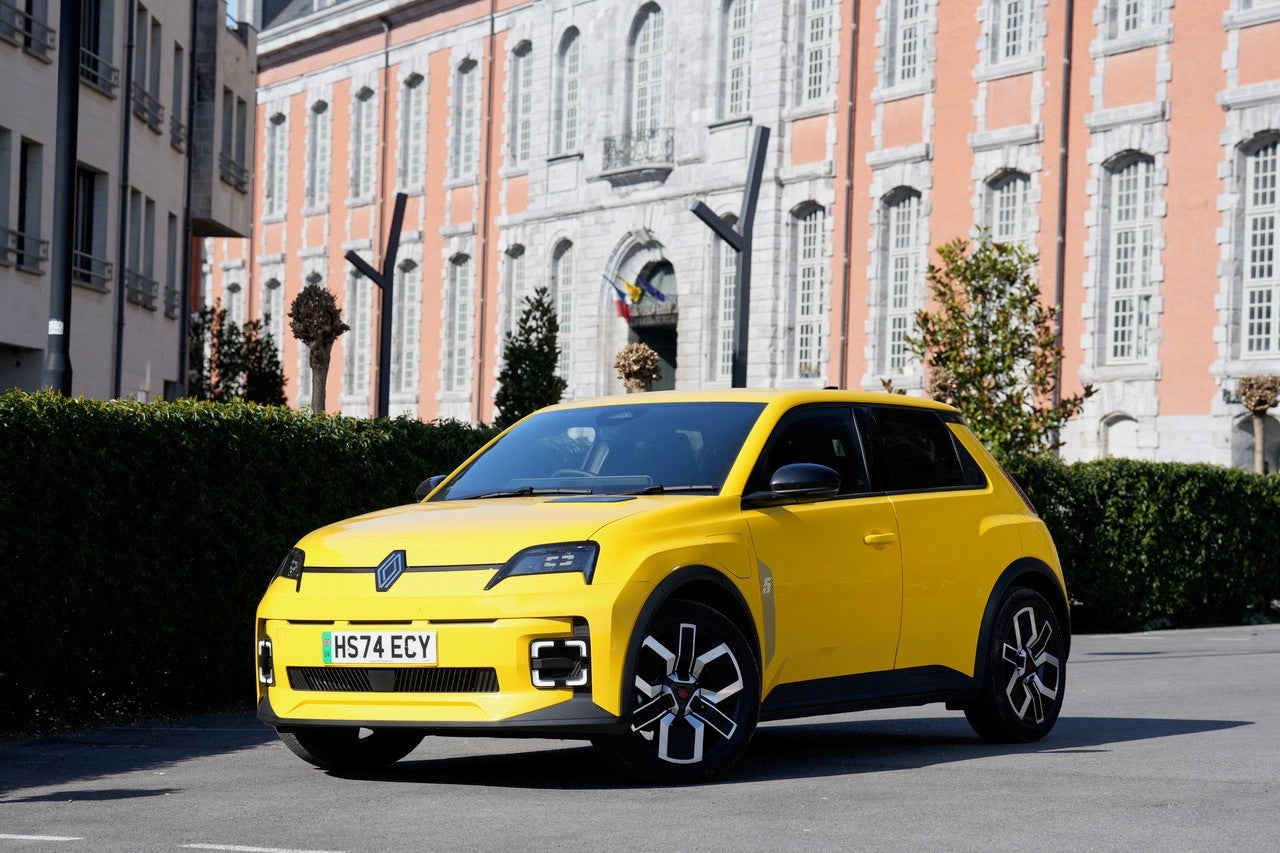 More affordable new EVs like the Renault 5 mean more affordable used EVs will follow. (Renault)
Overall, the used car market was almost flat in the first quarter of the year, slipping by just 0.2 per cent compared to the previous year, to 2,016,232 sales. That small fall ended a 12-quarter run of growth, with March proving softer than expected. The SMMT said that was partly because March 2025 was unusually strong, with more than 700,000 used car sales in the month for the first time since 2017.
Hybrids also had a strong start to the year. Sales of used hybrid electric vehicles rose 27.6 per cent to 128,039 cars, giving them a 6.4 per cent share of the market. Plug-in hybrids went the other way, falling 8.9 per cent to 20,021 sales, equal to 1 per cent of the market.
Put all electrified cars together and they accounted for 11.7 per cent of all used car sales in the first quarter.
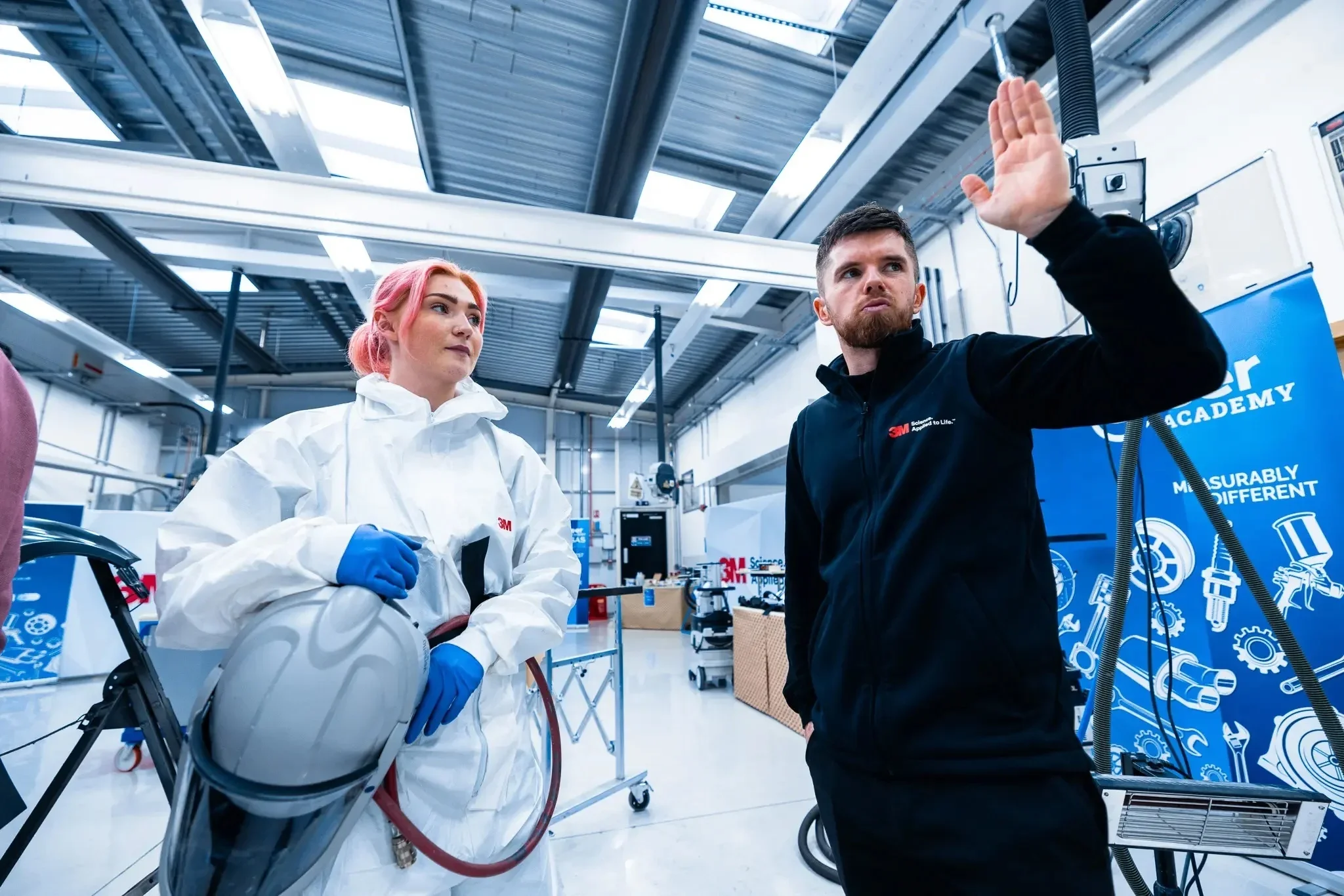 The Institute for the Motor Industry is calling for an acceleration in skills training to service electric cars (AutoRaise)
Petrol, though, remains king of the used car classifieds. Sales of petrol cars slipped 0.6 per cent but still reached 1,147,969 in the quarter. Diesel was down more sharply, falling 6.7 per cent to 629,987, reflecting the smaller number of newer diesels entering the market after years of falling new sales.
Together, petrol and diesel still made up 88.2 per cent of used car transactions, showing just how big the task remains if the UK is to make the shift to electric motoring across the whole car market, not just new car sales.
Superminis were still the most popular used buy, despite sales falling 1 per cent compared to the same period last year. In total, 648,229 changed hands, giving them almost a third of the market. Lower medium cars, the class that includes family hatchbacks, took 27.1 per cent of the market, while SUV-style dual-purpose cars saw the strongest growth, up 5.4 per cent to 357,295 sales.
As ever, British used car buyers stuck mainly to safe colours. Black and grey remained the top two choices, while white moved back into third place after overtaking blue. Cream had the biggest percentage rise, up 11.7 per cent, although only 1,399 cream cars were sold. Pink was down 17.8 per cent, while maroon was the least popular colour, with just 1,108 sales.
The SMMT says the health of new car sales remains crucial to the used car market, particularly when it comes to EVs. New cars eventually become used cars, and the more electric cars sold new, the more choice used buyers will have later on. The average age of cars on UK roads has now reached a record 9.7 years, up from 8.0 years in 2019. In other words, Britain’s total car fleet is getting older, and newer, cleaner cars need to feed through the system.
The latest industry forecast expects the new car market to grow 3.6 per cent this year to 2.093 million cars. However, the expected share of new EVs has been cut from 28.5 per cent to 26.8 per cent after a weaker first quarter.
Mike Hawes, SMMT Chief Executive, said: “The UK’s used car market remained flat in the first quarter, held back by weakness in March in comparison with a very strong performance in 2025. Better news is the record demand for used electric vehicles, as growing choice from manufacturers feeds through into the second-hand market. High fuel prices, given the conflict in Iran, may increase demand even further, but to maintain this momentum, every fiscal and policy lever must be pulled to ensure a healthy new car market that delivers zero emission vehicles that can in future flow through to the used market.”
The Department for Transport said used EV sales were at a record high and pointed to the Government’s Electric Car Grant as part of its push to help more drivers make the switch.
A Department for Transport spokesperson said: “Used EV sales have hit a record high and we’re backing drivers to make the switch every step of the way. There are over 2 million EVs in the UK and our Electric Car Grant has already helped over 100,000 people save up to £3,750 off a new electric car. Those savings are feeding through into a healthy used market, with one-in-four used EVs now available for under £15,000 according to Autotrader, and as global fuel prices continue to fluctuate, going electric has never made more sense.”
But the growth in used EV sales also brings another challenge: making sure enough people are trained to fix them.
Nick Connor, chief executive of the Institute of the Motor Industry, said: “The latest data from the SMMT shows that government and industry actions are having the desired effect of increasing EV uptake. Now it is critical that the increase in demand is matched with an acceleration in skills training. The latest IMI TechSafe data revealed that only one in four UK technicians are currently qualified to work on electric vehicles, raising concerns about the sector’s readiness to support growing EV adoption. However, it’s easy to understand why the sector is not moving at the same pace on skills as EV adoption. Automotive businesses are battling a number of challenges, not least of which there’s still a significant pool of ICE vehicles that must be maintained. So investing in new EV skills can sometimes seem like a future need rather than what’s required today.
“Targeted government support for training and upskilling is essential to ensure the UK has the capability, confidence and safety standards needed to deliver net zero. The IMI continues to work with industry and training providers to expand EV qualifications and support technicians in gaining the skills required for the transition. Together, with the right investment in people as well as technology, the UK can lead the way, but skills must be treated as a core part of the infrastructure.”