
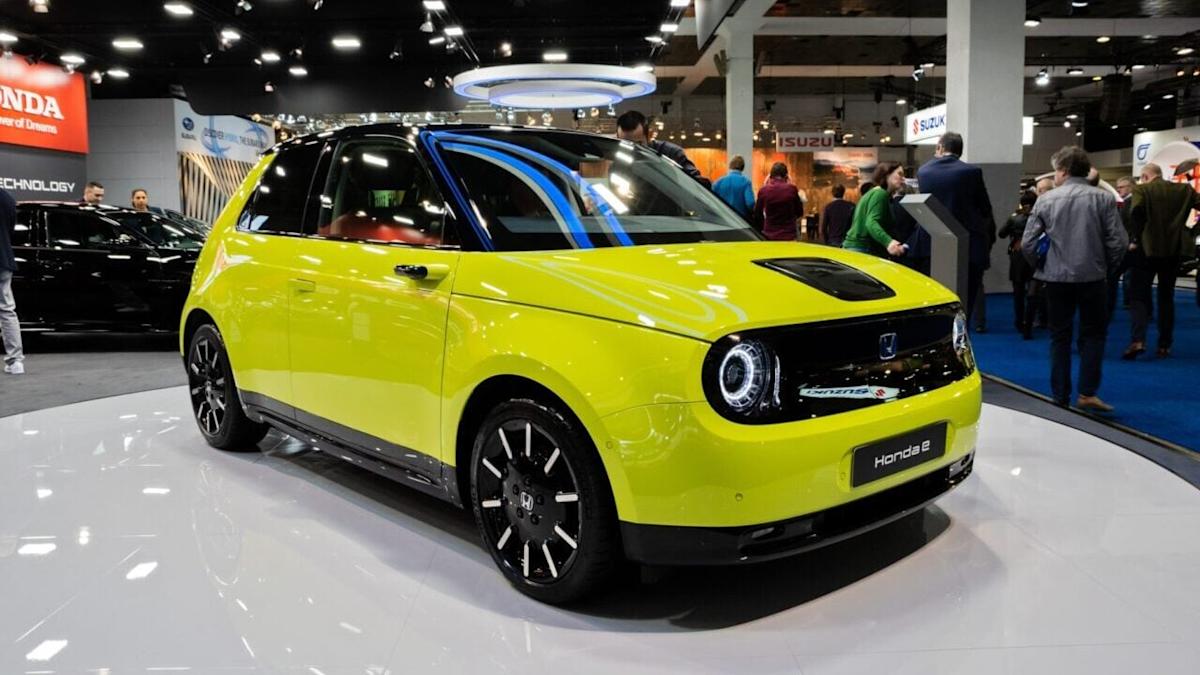
 Image Credit: VanderWolf Images / Shutterstock.com.
Honda is preparing to report something unprecedented in the company’s modern history: a full-year operating loss. For the first time since going public in 1957, the Japanese automaker is expected to finish the fiscal year in the red after an aggressive electric vehicle strategy collapsed under rising costs, slowing EV demand, and mounting competitive pressure.
The company is reportedly facing an operating loss of roughly 400 billion yen, or about $2.5 billion, for the fiscal year ending March 2026. Honda has not confirmed the exact figure ahead of its official earnings release, though the automaker acknowledged the losses would fall within its previously disclosed forecast range of 270 billion to 570 billion yen.
The scale of the reversal is staggering. Just one year earlier, Honda generated operating profits exceeding 1 trillion yen. Now the company finds itself restructuring major portions of its business while scrambling to recover from one of the most expensive strategic pivots in its history.
At the center of the crisis is Honda’s retreat from several major EV programs. Projects once positioned as the foundation of the company’s electric future have now been canceled, delayed, or dramatically scaled back as management shifts focus toward hybrids instead.
Honda’s EV Ambitions Collapsed Faster Than Expected  Photo Courtesy: Afeela.
Honda had invested heavily in electric vehicles over the last several years, aiming to compete more aggressively in North America, China, and Europe as the industry accelerated toward electrification. That strategy has now largely unraveled.
The automaker reportedly canceled much of its planned North American EV rollout, including several upcoming models tied to the ambitious Honda 0 Series platform. Reports also indicate the Afeela project developed alongside Sony has effectively stalled, while work on a major EV battery plant in Canada has been halted.
Executives reportedly concluded that several planned EV products would not have been competitive enough in a rapidly evolving market. In China, especially, Honda struggled to keep pace with domestic EV manufacturers offering lower prices, faster software development, and more advanced digital ecosystems.
The financial damage has been severe. Honda estimates losses connected to its EV investments and cancellations could total roughly $16 billion. That includes sunk development costs, restructuring expenses, and write-downs tied to manufacturing plans that will now never fully materialize.
The company has also blamed shifting U.S. government policies and weakening profitability in its combustion vehicle business for worsening the financial strain.
Story Continues
Executives Take Pay Cuts As Honda Restructures
The seriousness of the situation has already triggered internal cost-cutting measures at the highest levels of the company. Honda CEO Toshihiro Mibe and several top executives reportedly gave up bonuses and accepted temporary salary reductions as the automaker attempts to stabilize operations.
Mibe is expected to present a broader recovery plan during Honda’s earnings briefing on May 14. Early indications suggest the company will aggressively pivot toward hybrids while slowing its pure EV rollout considerably.
Honda executives now appear convinced that hybrids offer a safer and more profitable transition strategy, particularly in North America, where demand for gasoline-electric vehicles remains strong while EV adoption has cooled in several regions.
The automaker plans to launch 13 next-generation hybrid models globally beginning in 2027. These vehicles will likely become the backbone of Honda’s near-term electrification strategy while the company reassesses its long-term EV roadmap.
Hybrids Are Becoming Honda’s New Lifeline Image Credit: Honda.
Honda has already started shifting engineering resources toward hybrid development, including new systems designed specifically for larger SUVs and trucks. Last year, the company revealed a new V6-based hybrid powertrain intended for vehicles such as the Honda Pilot, Honda Passport, and Honda Ridgeline.
Unlike earlier hybrid systems focused primarily on maximizing fuel economy, Honda’s latest approach also targets towing capability, off-road usability, and manufacturing cost reductions.
Reports also suggest Honda may extend the lifecycle of several successful gasoline-powered and hybrid models in the U.S. market, including the Acura MDX, Honda Odyssey, and Honda Accord.
At the same time, some next-generation advanced driver-assistance technologies may reportedly be delayed until later in the decade as the company prioritizes financial recovery.
Honda’s Crisis Reflects Larger Industry Changes
Honda is far from the only automaker reevaluating aggressive EV spending. Across the industry, manufacturers are facing rising development costs, slower-than-expected EV adoption rates, and increasing pressure from Chinese competitors dominating affordable electric vehicle production.
Several major automakers have already announced billions in EV-related write-downs, delays, or restructuring efforts as enthusiasm surrounding rapid electrification begins to cool. Honda’s situation stands out largely because of its historical financial consistency and conservative corporate culture.
For decades, Honda built a reputation for disciplined engineering, careful growth, and stable profitability. That makes the company’s first annual operating loss in nearly 70 years especially significant within the global automotive industry.
Honda is not abandoning EVs entirely, but the company’s strategy is clearly changing. Instead of racing headfirst into a fully electric future, the automaker now appears focused on buying time with hybrids while waiting for the EV market to mature on more sustainable financial terms.
If you want more stories like this, follow Guessing Headlights on Yahoo so you don’t miss what’s coming next.