
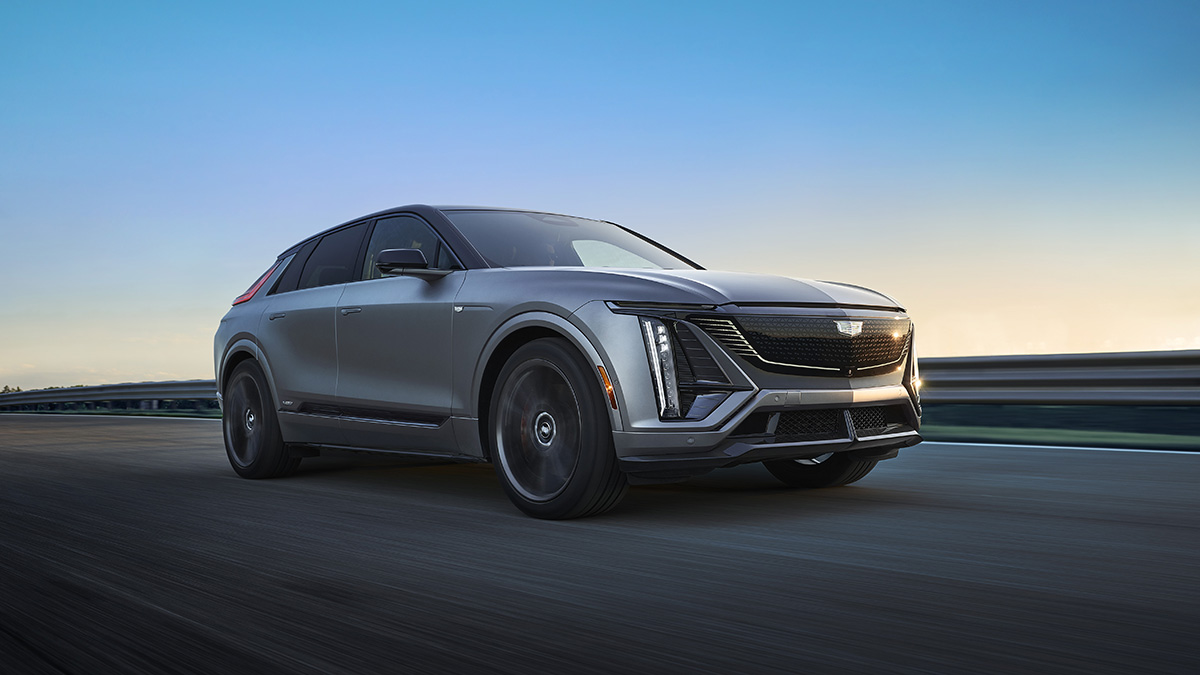
Cadillac’s EV strategy is bearing fruit.
General Motor’s most luxurious brand celebrated the sale of its 100,000th EV in the U.S. last month. That’s an important milestone for any automaker, but automaker will be especially pleased that about 75 percent of those sales have been to buyers who had never bought a Cadillac before.
More from Robb Report
The feat shows the value of slow and steady progress for Cadillac. Way back in 2019, GM announced that the high-end marque would be at the forefront of its EV push. Three year’s later, in 2022, the brand launched its debut battery-powered model, the Lyriq (seen up top), as a 2023 model. Just shy of four years later, and its cumulative EV sales have now topped 100,000.
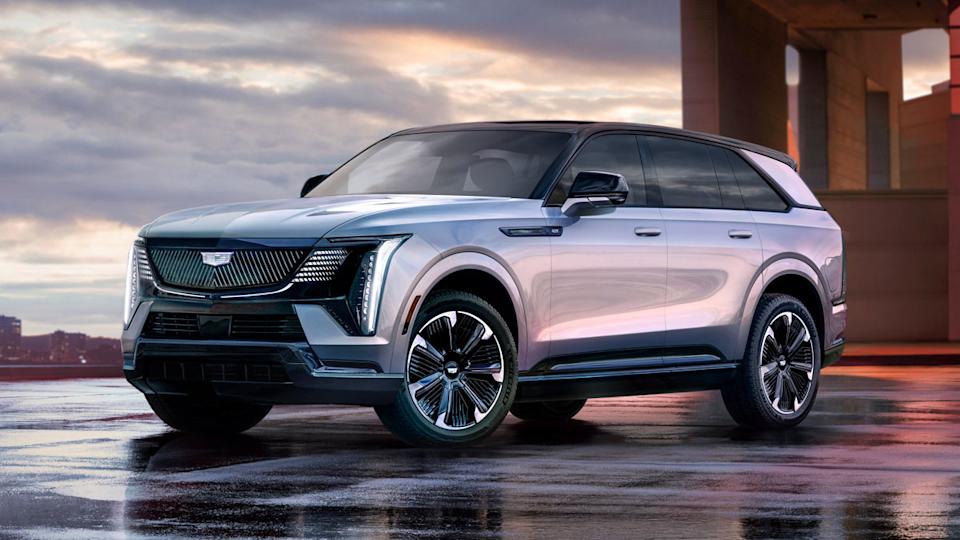
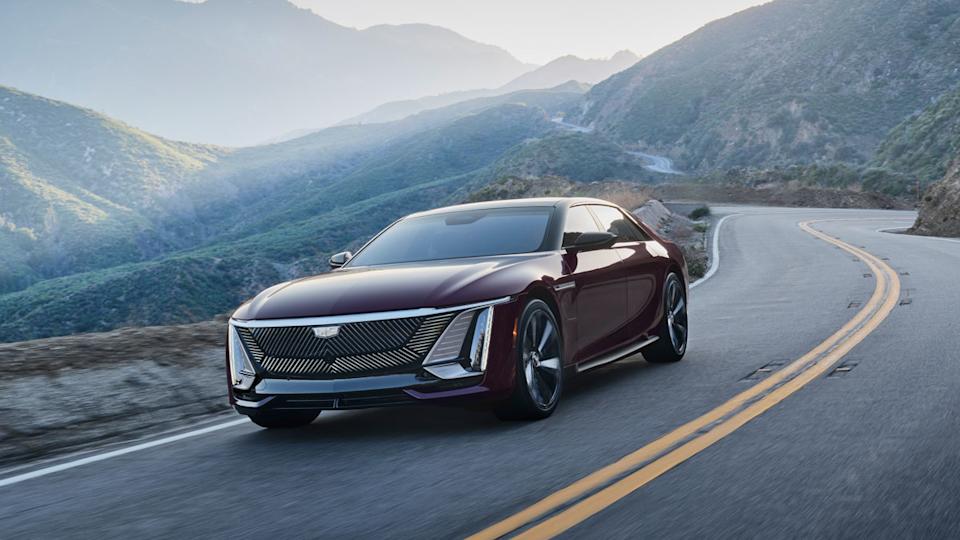
It certainly helps that Cadillac has given its EV-curious clientele plenty of options to choose from. The automaker currently sells four primary battery-powered SUVs, the compact Optiq, the mid-size Lyriq, the three-row Vistiq, and the full-size Escalade IQ. The first two models are also available as high-performance V-Series variants. There’s also the automaker’s sole electric car, the Celestiq, but that’s a low-volume, made-to-order saloon meant to rival Rolls-Royce, which isn’t mentioned in Cadillac’s celebratory press release.
Advertisement
Advertisement
The announcement also includes the “especially exciting” news that “roughly three-quarters” of its EV buyers are new to Cadillac. The brand goes so far as to identify five of the brands it’s been able to draw customers from, including the U.S. best-selling EV brand, Tesla, and traditional luxury marques like Audi, BMW, Mercedes-Benz, and Lexus. Cadillac also says its data shows that once customers finally go electric, they are “likely” to choose an EV as their next vehicle.
Cadillac sold 9,500 EVs during the first quarter, which helped the automaker reach the milestone in April. While that figure is a 20 percent increase over the first quarter of last year, it currently puts the company on pace to sell less than 40,000 EVs in 2026, or roughly 10,000 less than it sold in 2025, according to Motor1.com. This sag in demand between the end of last year and start of this year would seem to have more to do with the Trump administration’s decision to end the EV tax credit than the brand or its battery-powered models, but there is also still plenty of the year left to turn things around.
Best of Robb Report
Sign up for RobbReports’s Newsletter. For the latest news, follow us on Facebook, Twitter, and Instagram.
Advertisement
Advertisement
Click here to read the full article.