
Boston, MA – In a bid to curb reckless riding and protect pedestrians, cyclists, and young users, Governor Maura Healey has introduced sweeping legislation that would impose new oversight on electric bicycles, scooters, and similar “micromobility” devices across the Commonwealth.
The measure, filed on May 4 and dubbed the Ride Safe Act, marks one of the nation’s most comprehensive attempts to update outdated transportation laws for fast-evolving personal electric vehicles.
The bill (Senate Bill 3077) responds to a surge in e-bike and scooter use on Massachusetts roads, sidewalks, and trails. As warmer weather draws more riders, officials point to growing reports of crashes, close calls, and injuries—particularly involving children and pedestrians. Current rules treat everything from basic pedal-assist bikes to high-speed modified mopeds under the same vague “motorized bicycle” category, creating confusion for riders, law enforcement, and local governments alike.

At the heart of Healey’s proposal is a groundbreaking speed-based classification system—described as the first of its kind in the U.S.—that sorts devices into four tiers according to their maximum designed speed on flat ground:
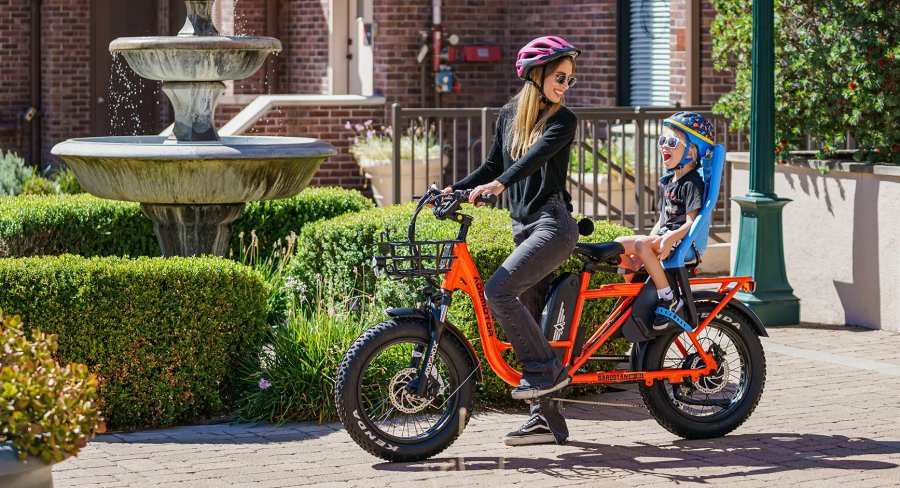
Tier 0 (up to 20 mph): Includes standard pedal-assist e-bikes (Class 1 and 2), unpowered bikes, scooters, and similar low-speed devices. These would continue to operate much like traditional bicycles, with access to bike lanes and shared paths, though riders under 16 would still need helmets.
Tier 1 (21–30 mph): Covers faster Class 3-style e-bikes and similar devices. Riders must be at least 16 years old, and helmets would be required for all operators and passengers. Local towns could impose additional limits on paths.
Tier 2 (31–40 mph) and Tier 3 (over 40 mph): These higher-powered devices—often resembling mopeds—face the strictest rules. They would be banned from bike lanes, shared recreational paths, and sidewalks entirely. Registration, liability insurance, and visible plates or stickers would be mandatory, along with age restrictions and full helmet requirements. malegislature.gov
The legislation explicitly requires annual registration and proof of liability insurance for motorized bicycles before they can legally operate on public ways. Owners would receive a distinctive sticker or plate, and higher-speed models could face extra equipment standards such as lights, reflectors, and reliable brakes. Violations would carry civil and criminal penalties similar to those for motor vehicles.
For everyday commuters who rely on affordable e-bikes to beat traffic or reach transit hubs, the changes could add costs—annual registration fees and insurance premiums—while potentially limiting where faster models can ride. Supporters argue the trade-off is worth it for clearer rules, fewer accidents, and safer shared spaces. Critics may push back on the financial burden or question whether the state should treat low-powered pedal-assist bikes the same as throttle-only mopeds.