
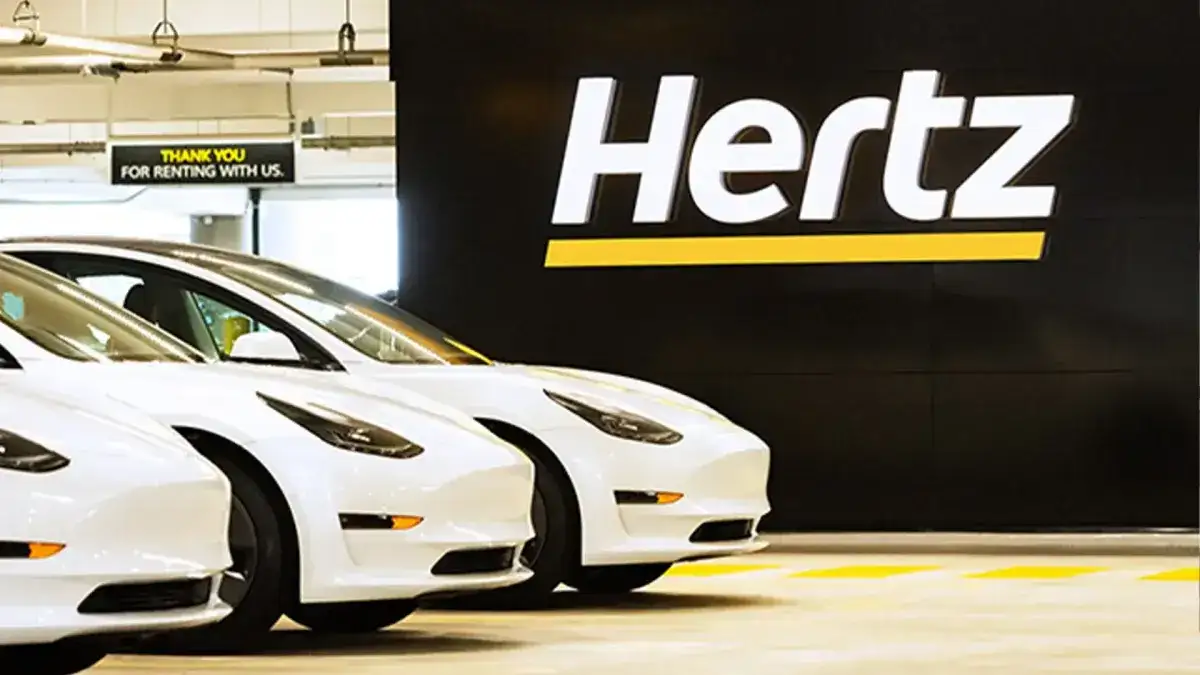
In a statement provided exclusively to Torque News, Hertz confirmed that they are seeing increased interest in electric vehicle rentals. According to a Hertz spokesperson, “In March, as national gas prices continued to rise, we saw a nearly 25% increase in requests for EV reservations from rideshare drivers compared to February.”
The Hertz spokesperson went on to say, “Hertz operates one of the largest rideshare rental fleets in the world, where we rent cars to Uber and Lyft drivers on a longer-term basis than traditional rentals. As we’ve realigned our EV fleet to better match consumer and market demand, they are a popular choice among these renters.”
Known for their major presence at airports and their industry leading rewards programs, Hertz has been the gold standard for decades. Hertz Gold Plus Rewards is widely regarded as one of the best rental loyalty programs, especially for people who rent frequently. They have differentiated themselves by offering a wider variety of premium cars, sports cars, luxury SUVs, and specialty rentals.
Given their openness to specialty rentals, it’s no surprise that Hertz aggressively expanded into EV rentals earlier than most competitors. According to the Hertz spokesperson, “Hertz currently rents to tens of thousands of drivers across the U.S., about 30% of which choose to rent EVs vs. gas-powered vehicles.”
Maintaining a leadership position in a competitive market means that you have to be willing to take risks. The EV rollout was financially rough for the company, but it did make Hertz one of the few places where many Americans first experienced driving an EV. In this article, we review the many challenges that Hertz faced by boldly rolling out EVs, their lessons learned, and their adjustments.
Soaring Gas Prices
Gasoline prices in the United States have risen sharply over the past two months, in some areas by more than 50%, driven by the war in the Middle East that disrupted oil supply and tightened global markets. Prices climbing above $4.50 per gallon have begun to reshape consumer behavior in familiar ways, prompting travelers to reconsider both how and what they drive. For the rental car industry, which operates on thin margins and high utilization, this shift has been immediate.
Interest in electric vehicles and hybrids has increased, as renters look to avoid painfully high fuel costs, though the response has been uneven. Many consumers remain reluctant to adopt fully electric vehicles, especially in unfamiliar locations where charging adds uncertainty. Electric vehicles are gaining traction among urban and cost-conscious travelers, yet gasoline cars still dominate where convenience is paramount. Rising fuel prices have not triggered a wholesale transition, but they have accelerated a gradual shift, turning electric vehicles from a niche preference into a practical economic consideration.
A Costly Detour in the Road to Electrification
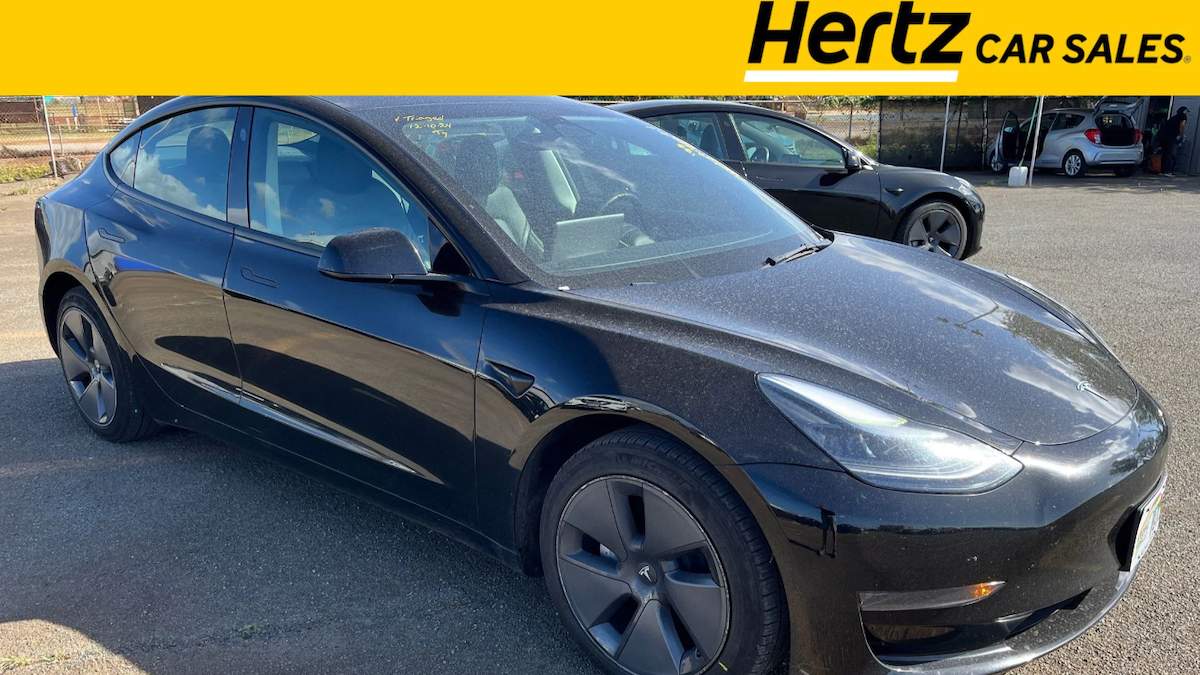
Hertz Global Holdings once placed a bold wager on electric vehicles, a move that promised to redefine the rental experience while nudging millions of drivers toward electrification. That ambition has since been tempered. A decision to sell roughly 20,000 electric vehicles, about one third of its global EV fleet, signals a strategic recalibration rather than a retreat. The company is not abandoning electric cars, it is learning how to deploy them more profitably. The episode offers a revealing case study in how technological transitions often stumble not on vision, but on execution.
Supply, Demand, and the Economics of Idle Assets
Rental fleets live or die by utilization. Electric vehicles, while cheaper to operate when in motion, become expensive liabilities when parked. Hertz discovered that customer demand for EVs lagged supply in many markets, particularly where charging infrastructure remained sparse. Vehicles that sat idle generated no revenue while still incurring depreciation and capital costs. By shifting part of its fleet back toward internal combustion vehicles, the company aims to better align supply with actual renter preferences, trimming lower margin rentals and improving overall fleet efficiency. The lesson is simple, even the most efficient machine is uneconomical when unused.
Advertising
Depreciation and the Hidden Costs of Innovation
The financial toll of the EV experiment has been substantial. Hertz recorded hundreds of millions of dollars in depreciation tied to its electric fleet, reflecting both falling resale values and the cost of repositioning assets. Losses tied to the broader strategy contributed to some difficult financial years, underscoring how quickly assumptions can unravel in a volatile market. Electric vehicles, once expected to hold value well, proved vulnerable to rapid pricing changes and evolving consumer sentiment. Rapid improvements in range, charging speed, and technology make older models feel outdated faster than comparable gasoline cars. The result is a reminder that innovation can carry financial risk.
Customer Experience, the Missing Link
Technology adoption often falters when users are left to navigate unfamiliar systems without guidance. Hertz’s rollout exposed a gap between product and customer readiness. Many renters encountered electric vehicles for the first time in high pressure situations, such as business trips or vacations. Without clear instructions, features like regenerative braking, touchscreen controls, and charging procedures became sources of confusion rather than convenience. The absence of simple, real-time guidance turned what could have been a novel experience into a frustrating one. A modest investment in customer education might have yielded outsized returns in satisfaction.
The Psychology of Change
Resistance to electric vehicles is not purely technical, it is deeply human. Drivers accustomed to gasoline refueling face a new paradigm that requires planning, patience, and trust in unfamiliar infrastructure. Fear of the unknown, particularly range anxiety, remains a powerful deterrent. Hertz underestimated this psychological barrier. Renters, unlike owners, have little incentive to adapt quickly. Their priority is convenience, not experimentation. Recognizing this distinction is crucial. A successful rollout must address not only mechanical differences, but also the emotional comfort of the user.
Charging Infrastructure, the Unseen Backbone
An electric fleet is only as effective as the charging infrastructure that supports it. Hertz’s early rollout appears to have prioritized vehicle acquisition over charging readiness. Many rental locations lacked sufficient on-site chargers, forcing reliance on external networks that added time and complexity to fleet operations. Vehicles often left the lot with less than a full charge, compounding customer anxiety and reducing usability. Investing in high-speed charging infrastructure could have transformed the experience, ensuring vehicles were ready for immediate use while streamlining operations behind the scenes. Infrastructure, though less visible than vehicles, determines whether the system functions smoothly.
Operational Complexity and Employee Readiness
Introducing electric vehicles into a rental fleet alters not only the customer experience, but also internal workflows. Employees must understand charging logistics, vehicle features, and troubleshooting procedures. Hertz’s experience suggests that staff were not always equipped to serve as effective guides. Time spent resolving customer confusion or managing charging challenges erodes efficiency and morale. Training, often overlooked, becomes a critical investment. Well informed employees can turn potential friction into a moment of reassurance, improving both service quality and operational flow.
Segmenting the Market for Electric Rentals
Not all renters are created equal. Hertz’s revised strategy reflects a growing recognition that electric vehicles appeal more strongly to certain segments. Urban travelers, technology enthusiasts, and rideshare drivers are more likely to embrace EVs, particularly in regions with robust charging networks. Leisure travelers in unfamiliar locations, by contrast, tend to prefer the predictability of gasoline vehicles. Allocating EVs strategically across customer segments allows the company to capture demand where it exists while avoiding unnecessary friction elsewhere.
Advertising
Partnerships and the Cost Structure of Repairs
Because they are much newer to the market than their gas-powered counterparts, electric vehicles introduce a different cost profile, particularly in repairs. Higher parts costs and longer repair times can reduce fleet availability and increase expenses. Hertz has begun strengthening relationships with manufacturers to address these challenges, seeking lower parts costs and improved service processes. Such partnerships are essential in a market where supply chains and service networks are still evolving. The goal is not merely to reduce costs, but to ensure that vehicles spend more time generating revenue and less time in repair bays.
The Strategic Value of Rental Fleets in EV Adoption
Despite its setbacks, Hertz occupies a pivotal position in the broader electrification landscape. Rental fleets serve as a gateway for consumers who might not otherwise consider electric vehicles. A positive rental experience can accelerate adoption, while a negative one can reinforce skepticism. The industry also feeds the used car market, increasing access to more affordable electric vehicles over time. In regions heavily reliant on rentals, such as island economies, fleet decisions can influence the pace of electrification at a systemic level. The stakes extend far beyond a single company’s balance sheet.
Recalibration Rather Than Retreat
Hertz’s decision to scale back its EV fleet should be viewed as a course correction, not a capitulation. The company continues to invest in charging infrastructure, customer education, and operational improvements. Its aim is to build a more sustainable model in which electric vehicles contribute positively to profitability rather than detract from it. By focusing on the fundamentals, matching supply with demand, improving the user experience, and refining cost structures, Hertz is laying the groundwork for a more measured expansion.
Conclusion, Lessons from an Imperfect Rollout
The story of Hertz’s electric vehicle experiment illustrates the complexity of technological transitions. Success depends on aligning product, infrastructure, customer readiness, and operational capability. The company’s early missteps reveal the importance of sequencing, infrastructure and education must precede scale. Yet the underlying logic of electrification remains intact. Electric vehicles offer compelling long-term economics, with potential savings of up to 37% in maintenance and 68% in fuel costs. Those advantages will not disappear. As Hertz integrates the lessons learned, its next chapter may prove more durable. The road to electrification is rarely smooth, yet it remains the direction of travel. We hope that Hertz will ultimately be rewarded for boldly taking the first move in rental electrification.
What Do You Think?
Would high gas prices alone convince you to rent an EV, or is charging still a dealbreaker?
If you’ve rented an EV, did anything confuse or frustrate you during the experience?
About The Author
Chris Johnston is the author of SAE’s comprehensive book on electric vehicles, “The Arrival of The Electric Car.” His coverage on Torque News focuses on electric vehicles. Chris has decades of product management experience in telematics, mobile computing, and wireless communications. Chris has a B.S. in electrical engineering from Purdue University and an MBA. He lives in Seattle. When not working, Chris enjoys restoring classic wooden boats, open water swimming, cycling and flying (as a private pilot). You can connect with Chris on LinkedIn and follow his work on X at ChrisJohnstonEV.
Photo credit: Hertz media
Follow us today…


