
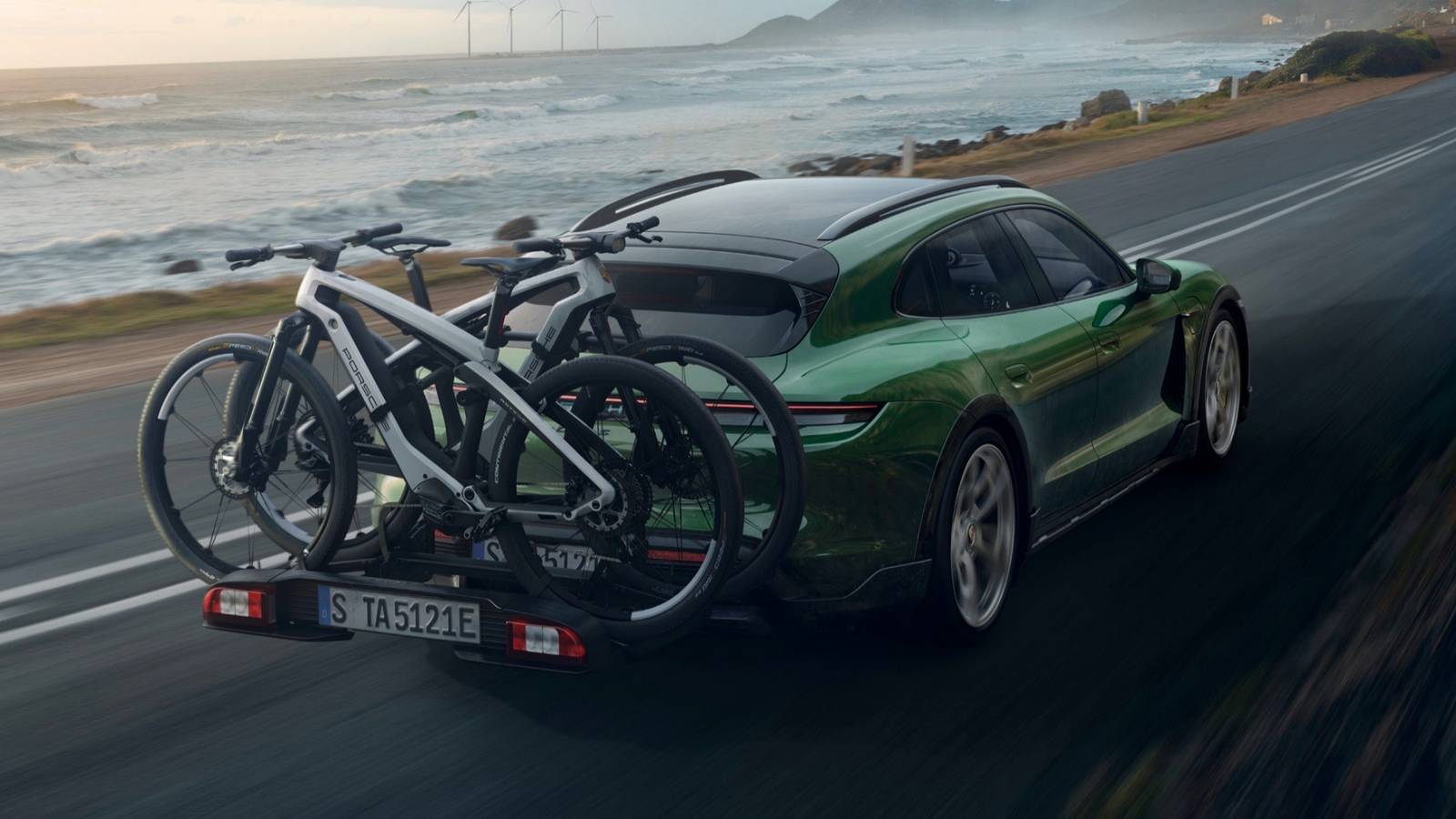
Keen to cut costs amid a challenging financial year, Porsche has been consolidating its business in recent months. Following the attention-grabbing sale of Bugatti-Rimac, it has trimmed down its software and vehicle infotainment subsidiaries and reintegrated them back into the mother ship. It shouldn’t come as much of a surprise, therefore, to learn that Porsche is chopping up a few more of its divisions that aren’t supporting the core business of building cars.
Founded
1948
Founder
Ferdinand Porsche
Headquarters
Stuttgart, Germany
Owned By
Volkswagen
Current CEO
Oliver Blume
Auf Wiedersehen To eBikes
Porsche eBike Performance GmbH is probably the most recognizable of the downsized operations, considering it was part of a cross-promotion alongside the battery-electric Taycan a few years ago. The automaker has had cobranded bicycles before, but in 2021, it bought a majority stake in the German manufacturer Greyp Bikes, followed by its 2022 acquisition of the e-bike drive system manufacturer Fazua. The moves were intended to allow eBike Performance to market machines that were engineered and designed in-house, with a factory in Zagreb, Croatia, earmarked for production.
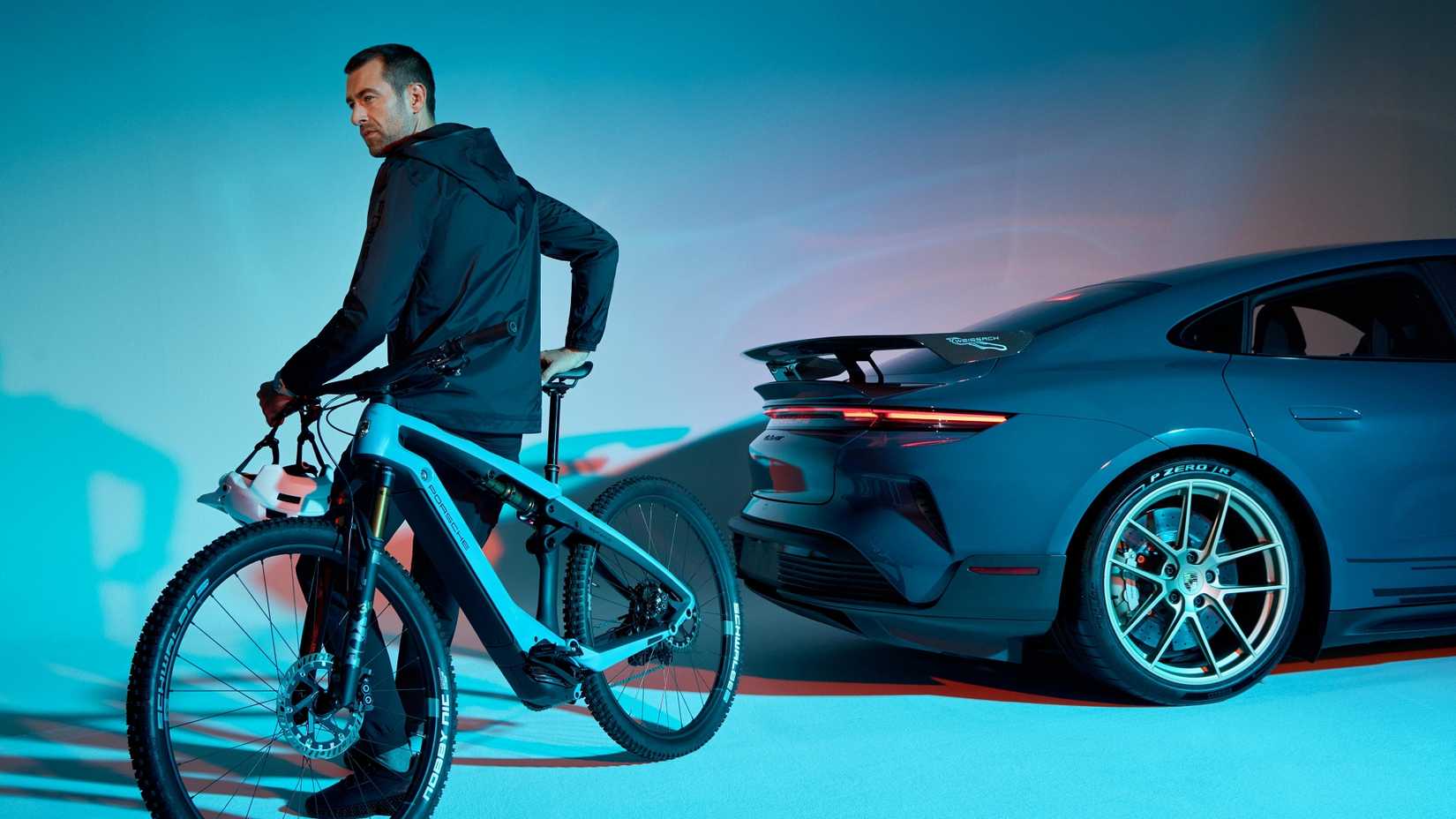
Porsche eBike Cross with Taycan Turbo GT WeissachPorsche
Unfortunately for the subsidiary’s 350 employees, Porsche eBike Performance will be shuttered completely. It’s not clear if the automaker intends to sell off the intellectual property associated with its foray into the world of two-wheeled, city-friendly mobility, a move that could give some hope to those affected by layoffs. We would think there’s probably some meat left to scavenge off the bones of the joint venture, but citing “fundamentally changed market conditions” for propulsion systems, Porsche intends to cease all activities associated with its pedal-powered subsidiary.
Related
Porsche Bails On Battery Production And The Jobs That Went With It
The facility will shift to research and development purposes.
More Software Cuts, Revised R&D Plans
Also on the redundancy list is Cetitech GmbH, a Porsche-owned company that designs communication software for Volkswagen Group’s electronic vehicle systems. Cetitech produces (well, produced) MOST and CAN-BUS interfaces that allow data logging and flashing between each of the car’s electronic control modules. However, Porsche says that its development scope has changed, and the subsidiary is no longer a viable part of the company’s long-term plans.
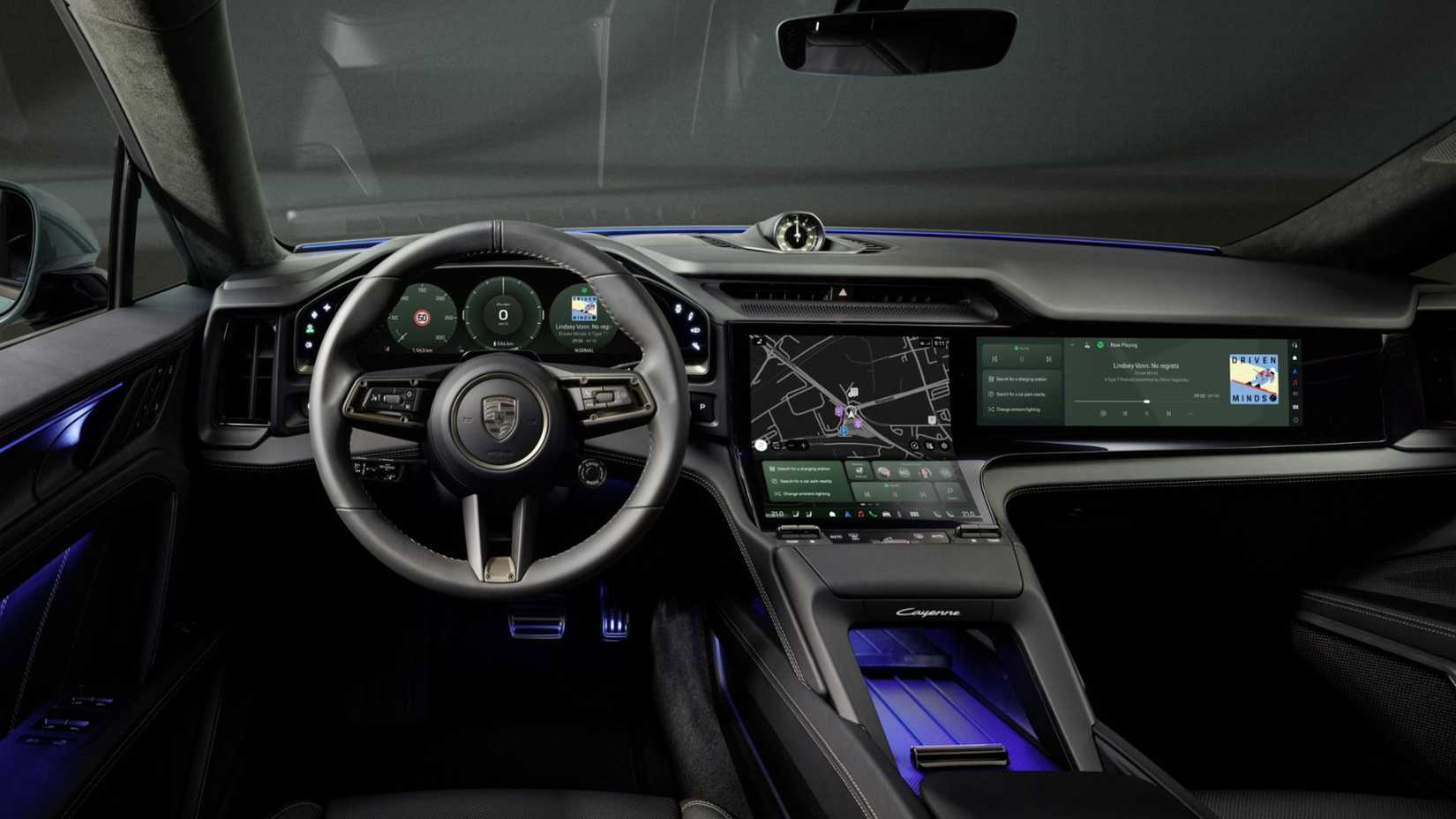
2026 Porsche Cayenne ElectricPorsche
The same is true of Cellforce GmbH, which was responsible for developing battery cells (presumably for electric cars but possibly for other applications), but since the electrification market has shifted rather significantly, the company will close down. Unfortunately, between Cetitech and Cellforce, around 140 employees will be laid off.
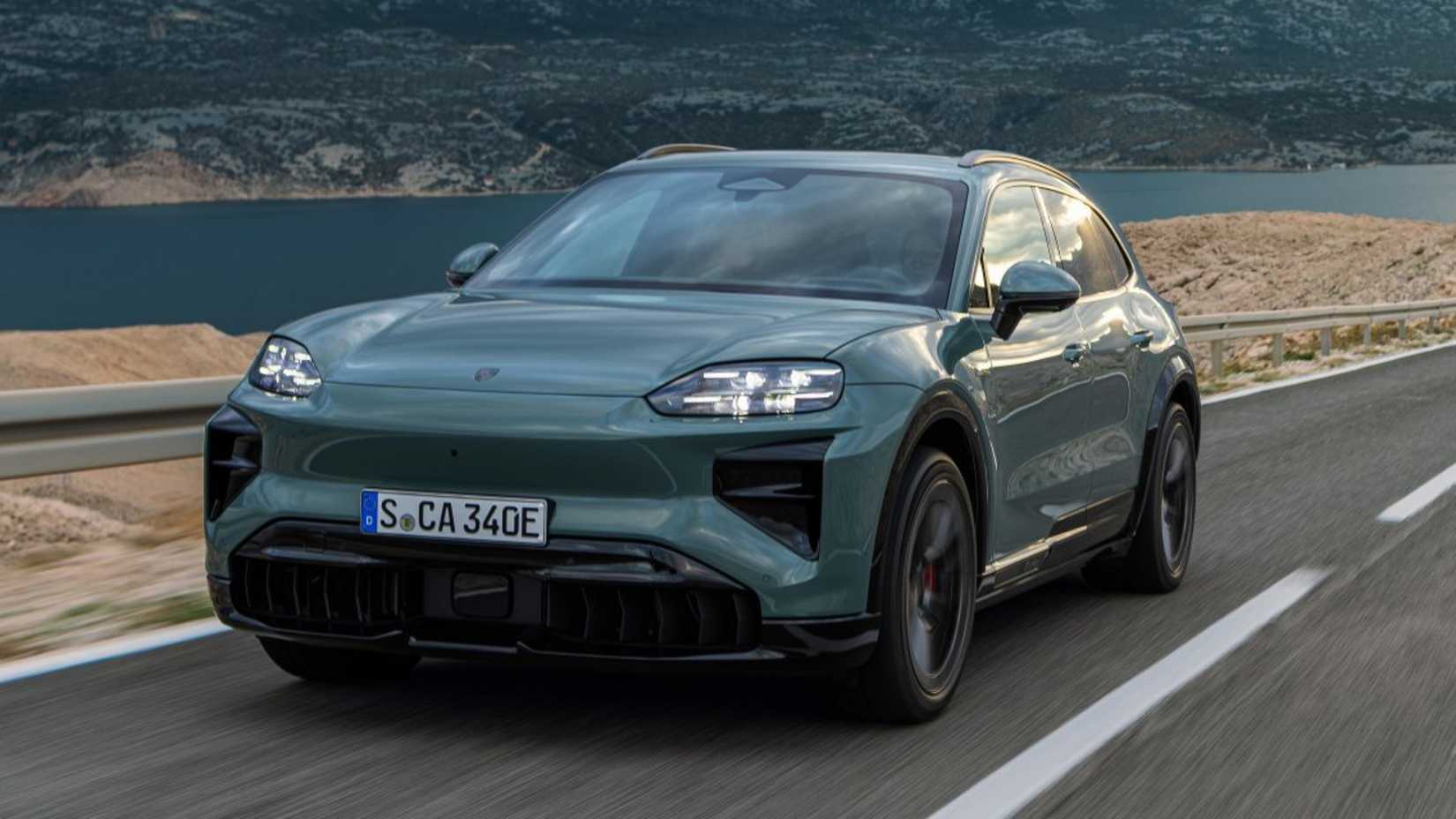
2026 Porsche Cayenne Electric front 3/4 on the roadPorsche
The decision comes mere days after Porsche eliminated its Car-IT division, which was responsible for developing the latest infotainment software found in the Cayenne Electric. Car-IT is being reabsorbed into Porsche’s research and development departments, and its leader, Sajjad Khan, will step down from his board membership without being replaced.
Bye-Bye Bugatti
Arguably, Porsche’s biggest cost-cutting efforts surrounded its former stake in a joint venture with Rimac Group. Under a 2021 restructuring, Volkswagen Group handed the reins to its Bugatti hypercar brand over to Rimac, which formed a joint venture known, simply enough, as Bugatti Rimac. Under the terms of the deal, Porsche retained 45 percent of the newly created hypercar firm and acquired a larger stake in Rimac Group.
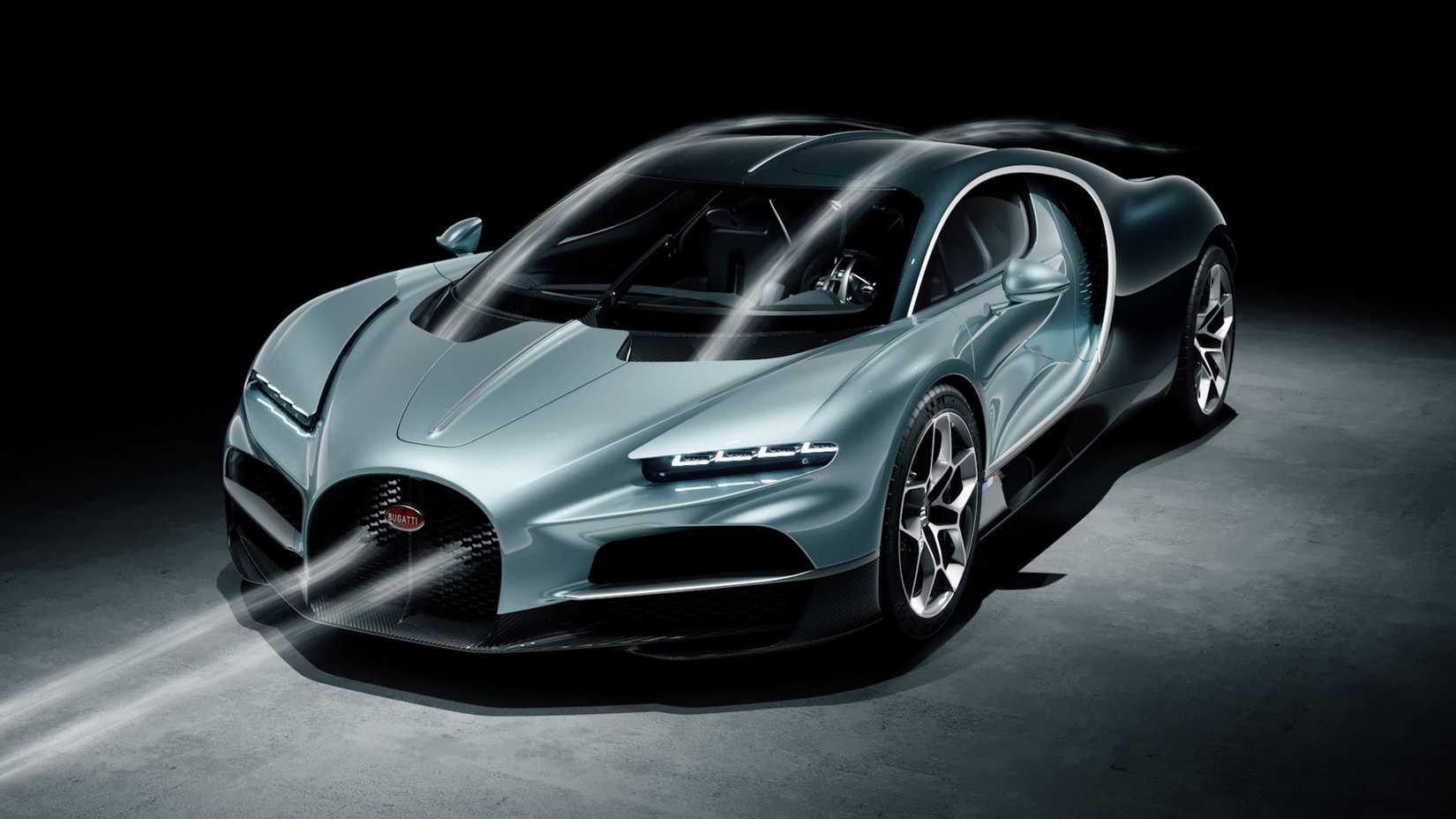
2026 Bugatti Tourbillon Silver Front Angled View Wind Tunnel TestingBugatti
However, late last month, the two companies announced that Porsche would be divesting itself of the joint venture, as well as its roughly 20 percent stake in the Croatian parent company. Although specifics of the deal remain confidential, Bugatti Rimac has an estimated market valuation of more than $1 billion, meaning Porsche may have freed up more than $500 million in cash and assets by moving on without the French supercar manufacturer.
Related
Even Record Sales Can’t Help Porsche Make Money
Volkswagen’s cash cow might need a trip to the vet
Despite impressive sales numbers in 2025, Porsche didn’t make much money last year. High production costs and degrading consumer confidence in electric vehicles affected the company significantly, as did new tariffs in its largest region – North America. Although the legendary sports car manufacturer remains profitable, those margins have fallen as much as 98 percent by some estimates.
Source: Porsche, Car Dealership Guy