
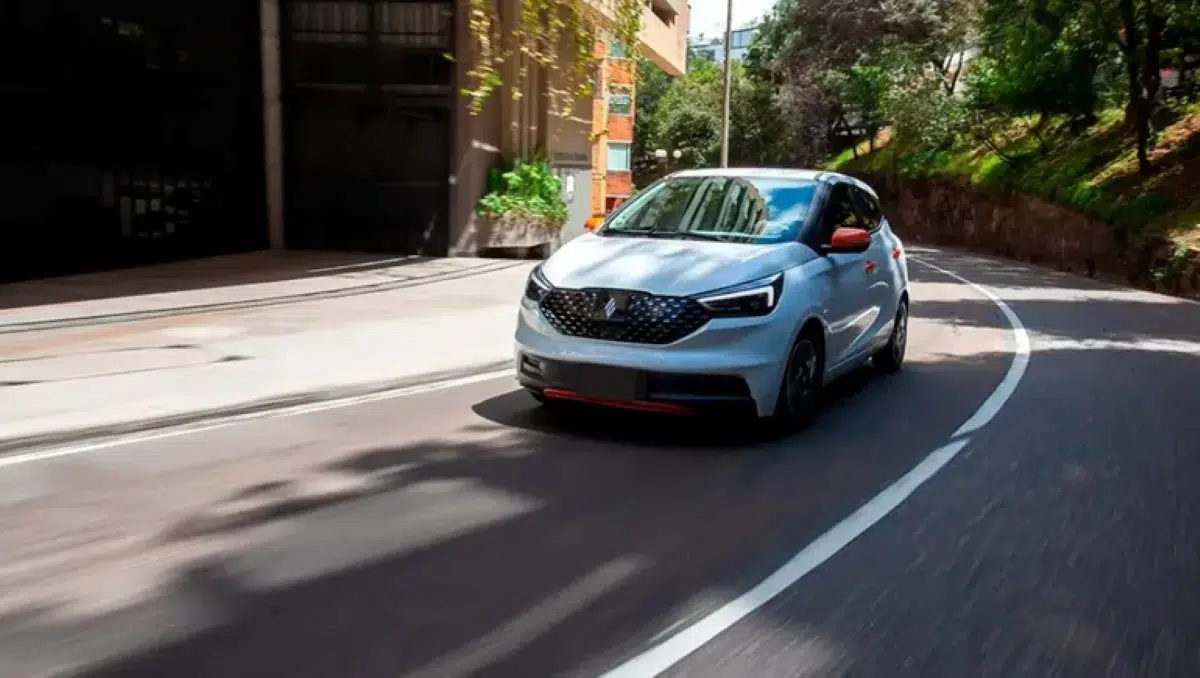
The electric mobility gained ground in Argentina during the first months of the year and marked an unprecedented growth in the automotive sector. Between January and April, more than 2,345 electric vehicles were sold, a figure that reflects a growth of over 800% compared to the same period last year.
Moreover, the phenomenon shows a progressive change in consumption habits and in the search for less polluting alternatives. Although prices still represent a significant barrier, more and more users are interested in models that reduce emissions and dependency on fossil fuels.
According to data released by the Association of Automotive Dealers of the Argentine Republic, the increase was mainly driven by the arrival of new Asian brands and a greater supply of compact cars and electric SUVs.
 The Argentine market for sustainable vehicles is expanding: how much the best-selling electric cars in the country cost. Photo: Autoweb Argentina.
The best-selling models drive a new stage in the automotive market
The best-selling electric vehicle was the BYD Dolphin Mini, which reached 1,299 registered units in just four months. This compact model established itself as a leader thanks to its autonomy and lower cost compared to other competitors in the segment.
However, accessing one of these vehicles still requires a high purchasing power. The Dolphin Mini requires approximately 18.6 average net salaries in the formal private sector to complete the purchase, taking as a reference the income recorded in January 2026.
On the other hand, the most affordable model in the ranking was the JMEV Easy 3. Its value is equivalent to about 15.3 average salaries and offers a range close to 330 kilometers, in addition to fast charging systems that favor urban mobility.
Models such as the BYD Yuan PRO, Chevrolet Spark, BAIC EU5, and Renault Kangoo E-Tech also stood out, all with ranges exceeding 300 kilometers and electric motors aimed at reducing energy consumption and pollutant emissions.
Technology, autonomy, and sustainability in cities
The growth of these vehicles not only changes the automotive market but also the design of cities. As the electric fleet increases, it becomes necessary to expand charging infrastructure and adapt urban energy systems.
In this context, different automakers have begun to prioritize more efficient lithium batteries and fast charging technologies. Additionally, many models incorporate energy recovery systems and recyclable components to reduce their environmental impact.
The Volvo EX30, considered the most expensive model on the list, can travel up to 476 kilometers on a single charge. Meanwhile, proposals like the Geely EX5 and the Great Wall ORA 03 show that international competition is driving an increasingly accelerated transition.
Furthermore, manufacturers seek to optimize energy performance through aerodynamic designs and lightweight materials that allow for reduced electric consumption during daily commutes.
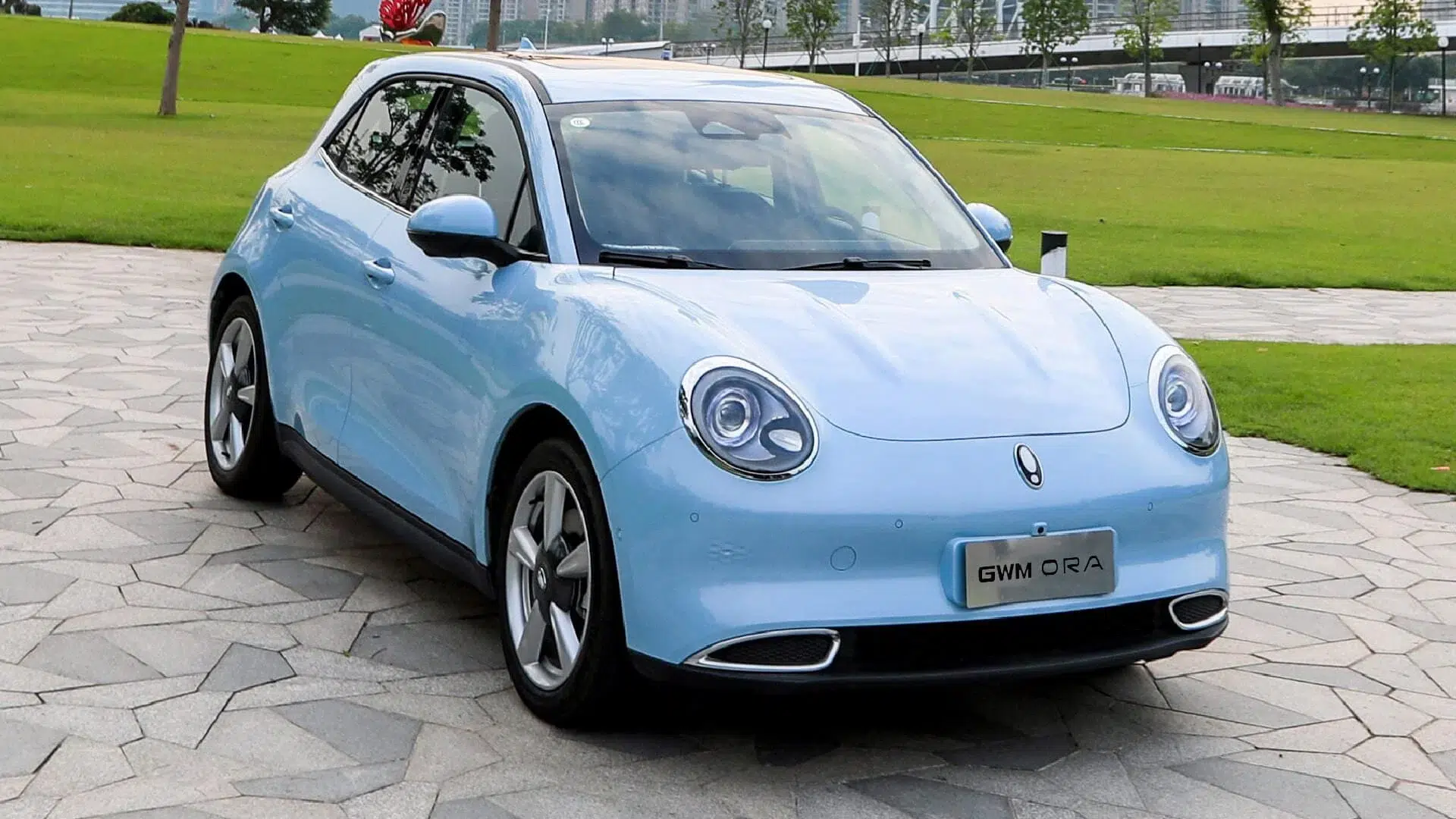 The Argentine market for sustainable vehicles is expanding: how much the best-selling electric cars in the country cost. Photo: Auto en Acción.
The rise of electric vehicles transforms global mobility
The expansion of electric cars has become one of the main axes of the global energy transition. More and more countries are promoting incentives to reduce the circulation of combustion vehicles and decrease greenhouse gas emissions.
At the same time, technological development has allowed for improved battery life and reduced maintenance costs. Electric motors require fewer moving parts and generate less noise pollution, which helps improve environmental quality in large cities.
However, experts warn that the sector’s growth also demands strengthening battery recycling and ensuring a responsible extraction of minerals like lithium. Therefore, the challenge is not only to electrify transportation but to build a truly sustainable mobility that is balanced with ecosystems.