
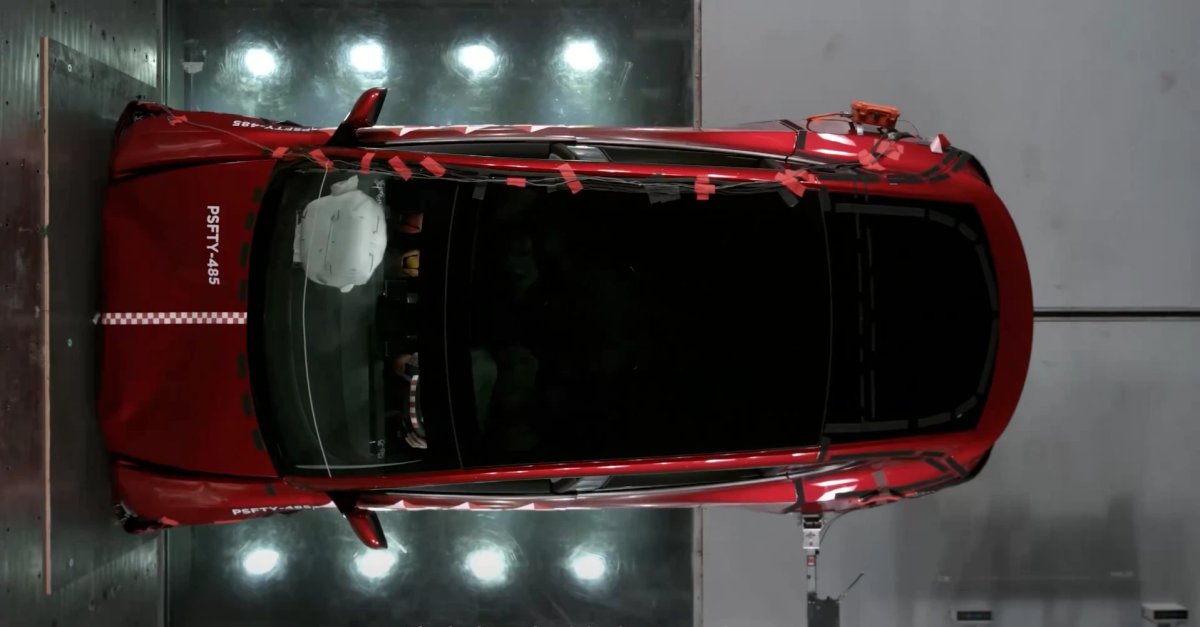
Tesla has earned a reputation for building some of the safest vehicles on the road, but the company isn’t content with just winning top marks. While the Model Y recently became the first vehicle to pass the NHTSA’s brand-new advanced driver assistance system tests, Tesla is using its software-first approach to go even further. By using Tesla Vision, the company’s latest vehicles are deploying airbags up to 70 milliseconds earlier than a traditional car would, potentially saving lives in the process.
The Power of 70 Milliseconds
In a high-speed collision, every single millisecond counts. Standard cars rely on physical impact sensors (accelerometers) located in the bumper and chassis to detect a crash. The problem is that these sensors require a physical impact to occur before they can tell the computer to inflate the airbags. By the time the sensors are “certain” a crash is happening, the occupants have already started moving forward.
Not a Tesla App
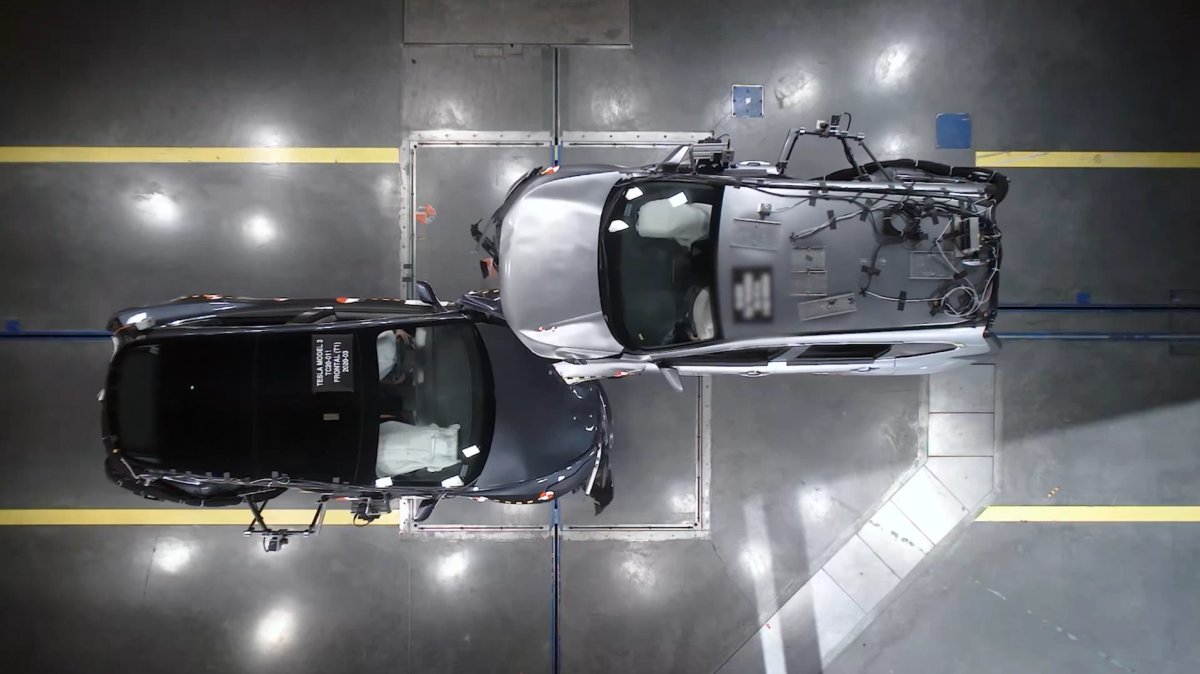
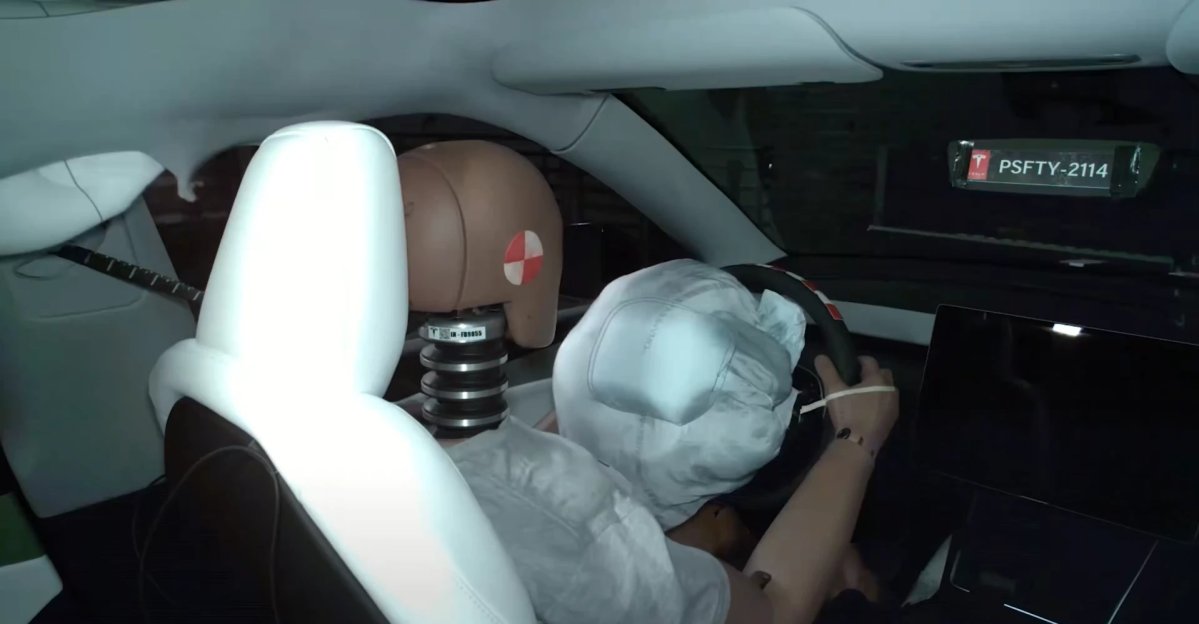
Tesla’s new Vision-based airbag deployment changes the game by looking ahead. According to a new X post from the official Tesla account, “Tesla Vision allows us to deploy airbags up to 70 milliseconds earlier if your Tesla detects an unavoidable collision.” This extra time allows the front airbags to begin inflating and the seat belt pretensioners to tighten before the person in the seat even moves out of position. As Tesla noted, this “can be the difference between serious injury & walking away from a crash.”
Tesla Vision allows us to deploy airbags up to 70 milliseconds earlier if your Tesla detects an unavoidable collision
This can be the difference between serious injury & walking away from a crash pic.twitter.com/21p6WttQ9V
— Tesla (@Tesla) May 8, 2026
Real-World Data vs. Lab Tests
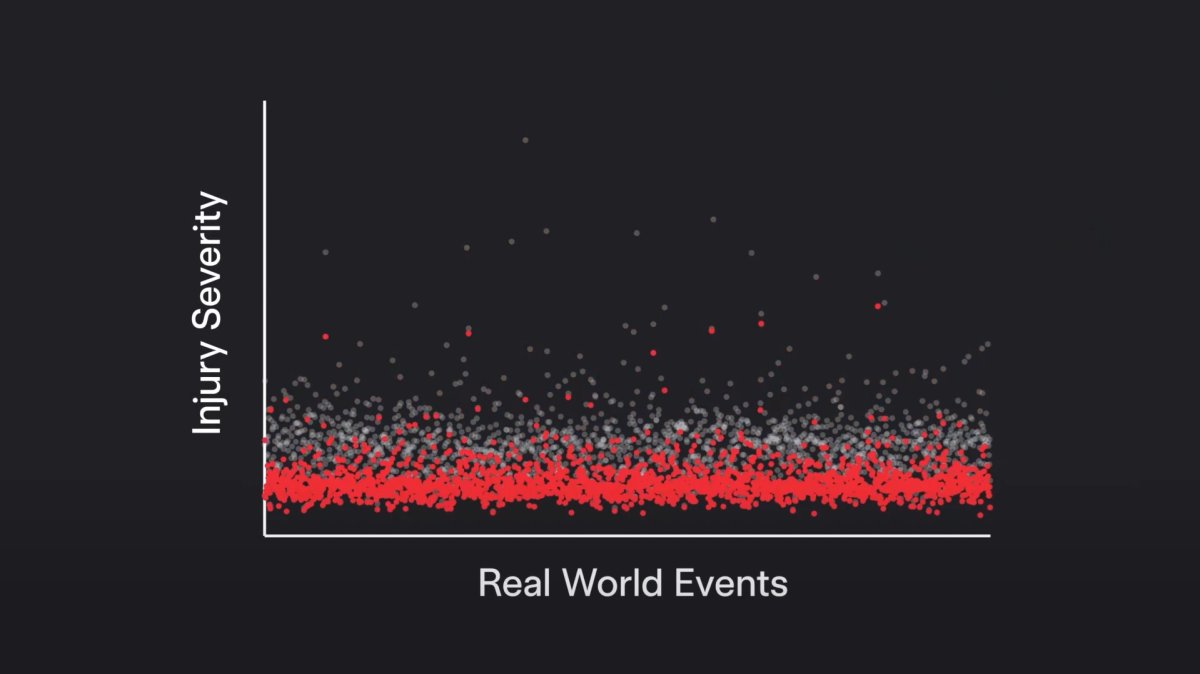
What makes this possible is Tesla’s massive fleet of vehicles. Traditional car companies design their safety systems based on a few dozen regulatory crash tests in a lab. Tesla, however, analyzes data from millions of real-world miles. Wes Morrill, Tesla’s lead Cybertruck engineer, explained that the company uses a “human body model” in simulations to replay actual crashes from the fleet.
Not a Tesla App
“Every one of these dots is an actual crash from the fleet. Real world speeds, collisions, and people. Not just the regulatory test cases,” Morrill explained while discussing a chart showing a massive reduction in injury severity thanks to the system. He explained that physical sensors alone have a “filter” to avoid unwanted deployments (like hitting a pothole). By adding Vision, the car sees the impending impact, giving the system the confidence to “reduce that filter and act sooner.”Tesla CEO Elon Musk also weighed in on the tech, noting that “Tesla AI Vision deploys airbags before impact, which greatly reduces risk of injury or death.”
Not a Tesla App
Iterative Safety Through Software
This feature isn’t just for brand-new cars; Tesla shipped it via over-the-air (OTA) updates to a large portion of its fleet. The Vision-based deployment initially rolled out with software version 2025.32.3 last September and is currently available on 2023 and newer Model 3 and Model Y vehicles, as well as some 2022 models, and newer Model S and X units (including 2026 models).
Not a Tesla App
Even if you have an older Tesla that doesn’t support the full Vision-based deployment, you haven’t been left behind. Back in 2021, Tesla used similar fleet data to enhance the restraint systems in older cars, improving their ability to detect a wider range of side-impact collisions. This improvement rolled out with software version 2021.36. It is a rare thing in the car world to wake up and find out your five-year-old vehicle is suddenly a little bit safer than it was when you bought it.
Tesla’s commitment to iterative improvements shows that the car is never “finished.” By combining high-resolution cameras with advanced AI, they are finding safety margins that traditional manufacturers simply can’t reach. As the fleet grows and the AI gets smarter, we can expect even more updates that push the boundaries of what it means to be the safest car on the road.