
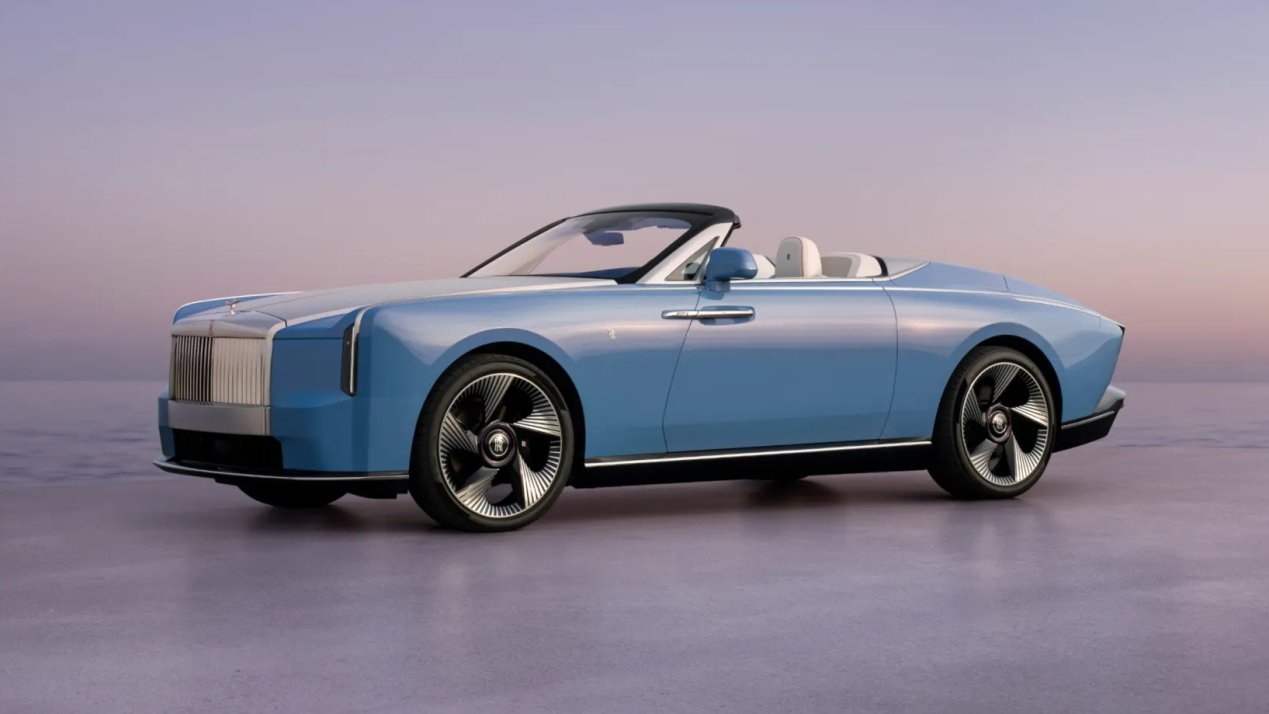
Rolls-Royce has announced a major expansion of its manufacturing headquarters alongside the unveiling of “Project Nightingale,” a fully electric two-seater convertible that inaugurates the brand’s permanent Coachbuild Collection. Supported by a £300 million (US$408.63 million) investment to add 40,000 m² of production space, the British luxury marque is shifting further toward high-margin, low-volume commissions as demand for bespoke craftsmanship reaches record levels.
The move comes as the 120-year-old manufacturer reports a 100-unit production run for Project Nightingale, all of which were secured by clients around 18 months ago based on early design concepts. The model, measuring 5.76 metres in length, is built on the company’s aluminium spaceframe architecture and features an evolved version of the electric drivetrain used in the Spectre.
Strategic Investment and Facility Expansion
To support the growing complexity of its Coachbuild Collection, Rolls-Royce is expanding its Goodwood headquarters. The additional space is intended to accommodate highly customized projects that sit outside conventional production processes.
“We have invested more than £300 million to add 40,000 m² so we have the capacity to make these remarkable motor cars. Our business strategy is clear: create more remarkable motor cars,” said Chris Brownridge, CEO, Rolls-Royce.
The expansion has also reshaped the company’s hiring strategy. Brownridge said Rolls-Royce is increasingly recruiting talent from outside the automotive sector to meet rising demand for artisanal craftsmanship. “My team has been recruiting people who are tailors, tattoo artists and cabinet makers for roles that require specific skills and artistry,” he said.
Market Positioning and Scarcity
Project Nightingale sits at the top of the Rolls-Royce portfolio. While pricing has not been disclosed, the model follows ultra-limited commissions such as the Boat Tail and Droptail series. Despite strong demand that could justify higher output, production will remain capped at 100 units to protect exclusivity.
“Scarcity remains absolutely sacrosanct to Rolls-Royce. We could easily have done more based on demand, but if we change our position on that we lose our credibility at the top of our model pyramid,” Brownridge said. The United States is expected to account for roughly one-third of deliveries.
Design and Engineering Specifications
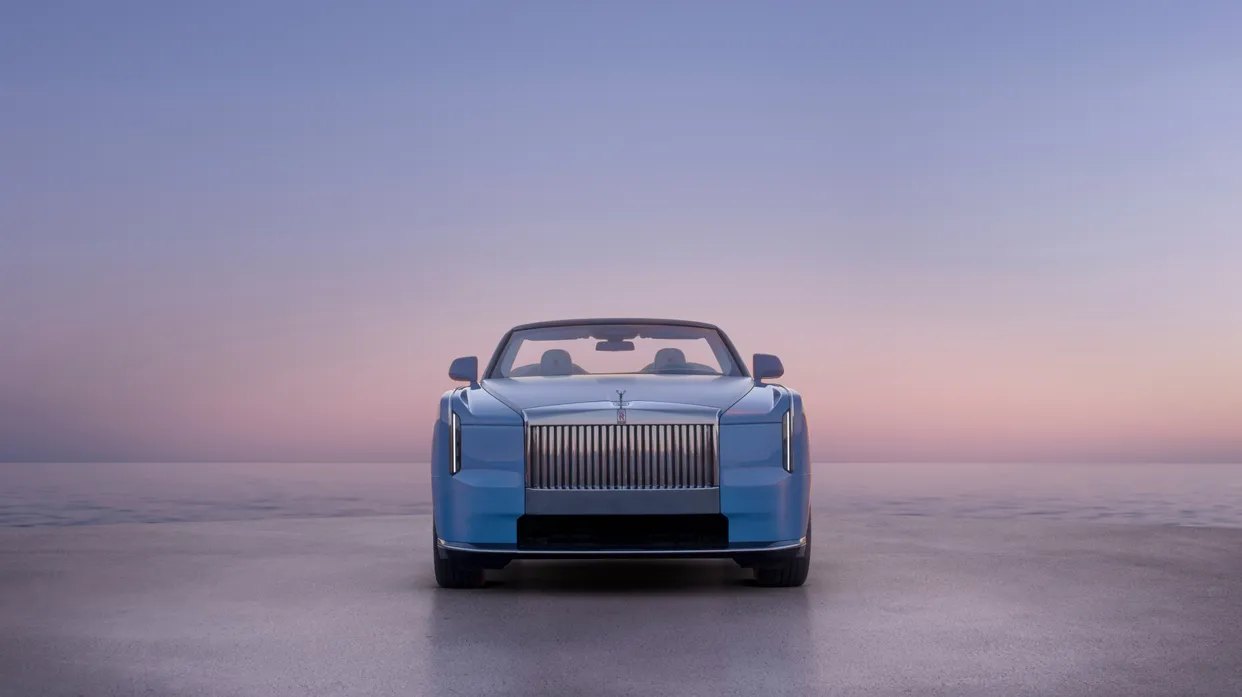
Project Nightingale draws inspiration from 1920s “EX” experimental models, particularly the 17EX Phantom-based speed record car. Domagoj Dukec, Director of Design, described the concept as defined by “grand proportions, absolute surface discipline and a clarity of line.”
Key features include:
Exterior design: Long bonnet, short cabin, and a tapered “piano boot” rear section with side-opening cantilever access
Wheels: 24-inch wheels, the largest ever fitted to a production Rolls-Royce, inspired by yacht propeller geometry
Interior feature: “Starlight breeze” system composed of 10,500 illuminated elements designed to replicate the acoustic pattern of a nightingale’s song
Roof material: A composite blend of fabric, cashmere and acoustic insulation materials designed to enhance cabin silence
“The design team should be as creative as possible; they shouldn’t even know all of the constraints, because that will only limit them,” Dukec said.
Financial Performance and Outlook
Despite macroeconomic volatility and geopolitical tensions in the Middle East, Rolls-Royce reported an 8% year-on-year increase in new orders in the first quarter of 2026. The company said its long order pipeline—ranging from six months to two years—helps buffer short-term market fluctuations.
“So far 2026 has performed exactly as expected. When one market is strong and another is weaker, it creates resilience. And because we have a very flexible production facility, it really plays to our strengths,” Brownridge said.
The Cullinan SUV remains the brand’s best-selling model, followed by the electric Spectre. However, the company noted a clear shift in ultra-high-net-worth customer behavior toward experience-driven luxury consumption.
Physical testing of Project Nightingale prototypes will begin later this year. Production is scheduled for late 2027, with first customer deliveries expected in 2028.
Rolls-Royce reiterated its positioning as a “house of luxury” rather than a volume manufacturer. “We are only interested in creating value, and the focus is always on our cars,” Brownridge said.