
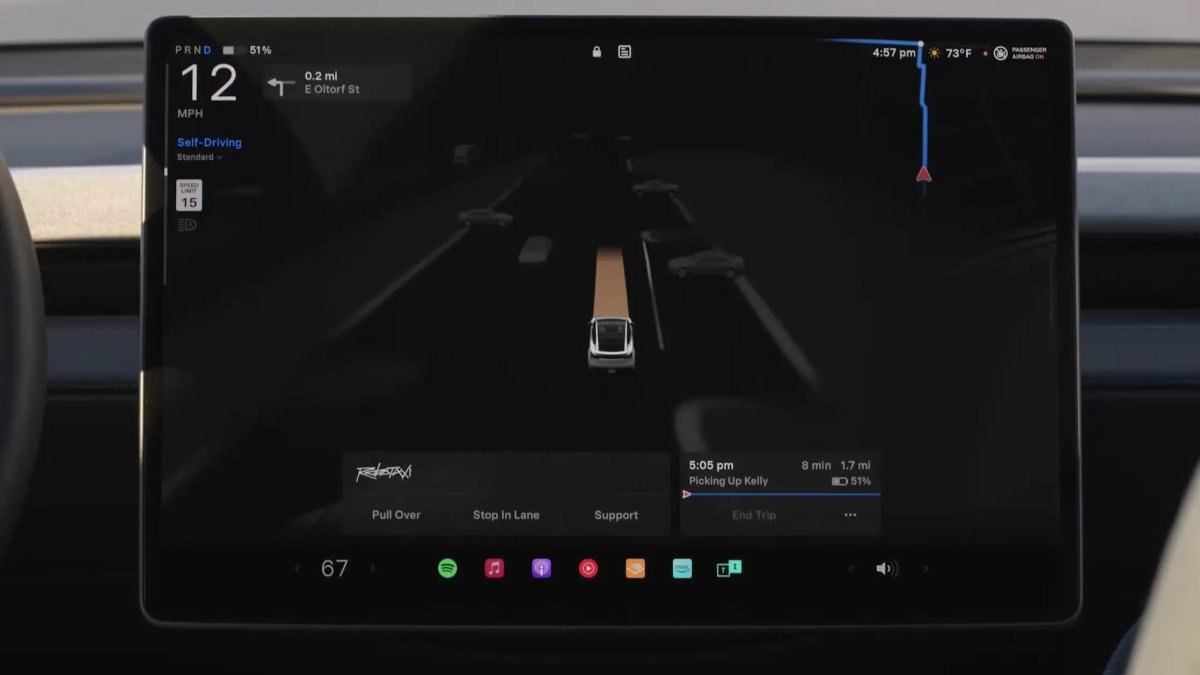
Tesla is rapidly picking up the pace in its mission to turn every road into a hub for autonomous transport. Just as the company continues to refine its software, its physical presence on the ground is growing in a very visible way. Over the past week, Tesla has been aggressively adding more fully unsupervised Model Y vehicles to its Robotaxi fleet across Texas, pushing into new territory both geographically and on the clock.
Night Owls in Austin and Fleet Growth
One of the biggest milestones reached recently is the transition to nighttime operations. In Austin, where the company has been operating a mix of supervised and fully autonomous vehicles for some time, the cars are finally staying out past their usual bedtime. According to @RtaxiTracker, a source that has been diligently monitoring the rollout, “Tesla Robotaxi in Austin is operating unsupervised in the evenings for the first time today.” Previously, these unsupervised runs wrapped up by mid-afternoon, but the expansion into evening and night hours suggests a significant increase in confidence regarding the system’s ability to handle low-light conditions and nighttime traffic.
Not a Tesla App
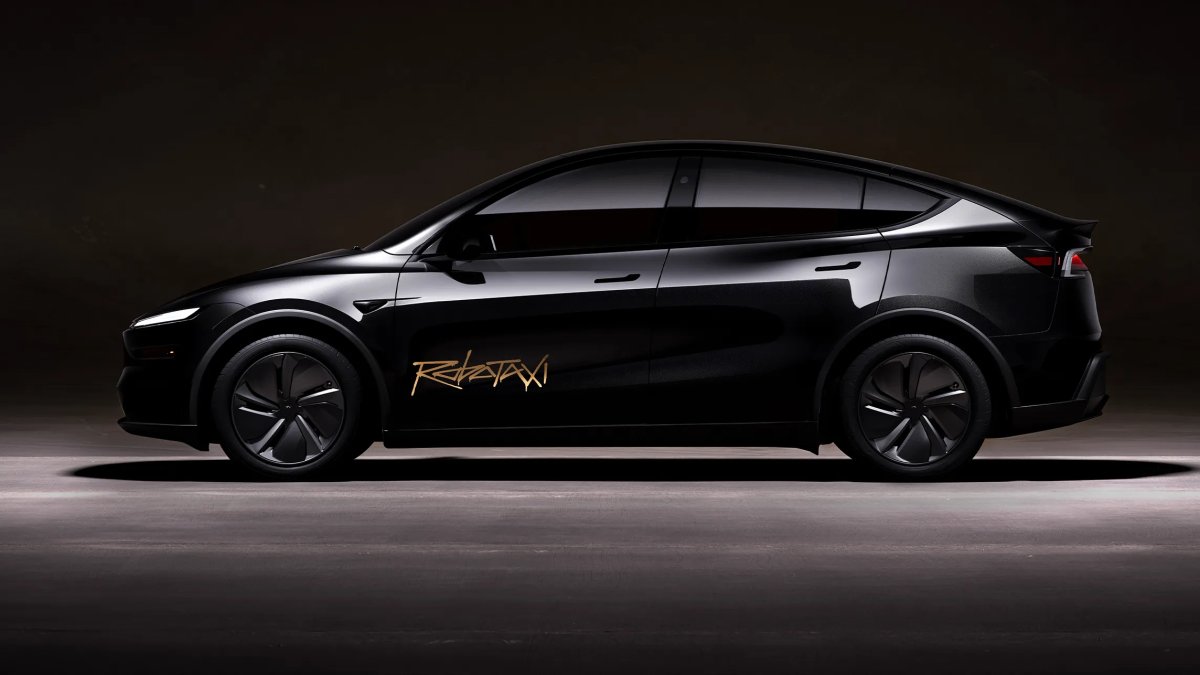
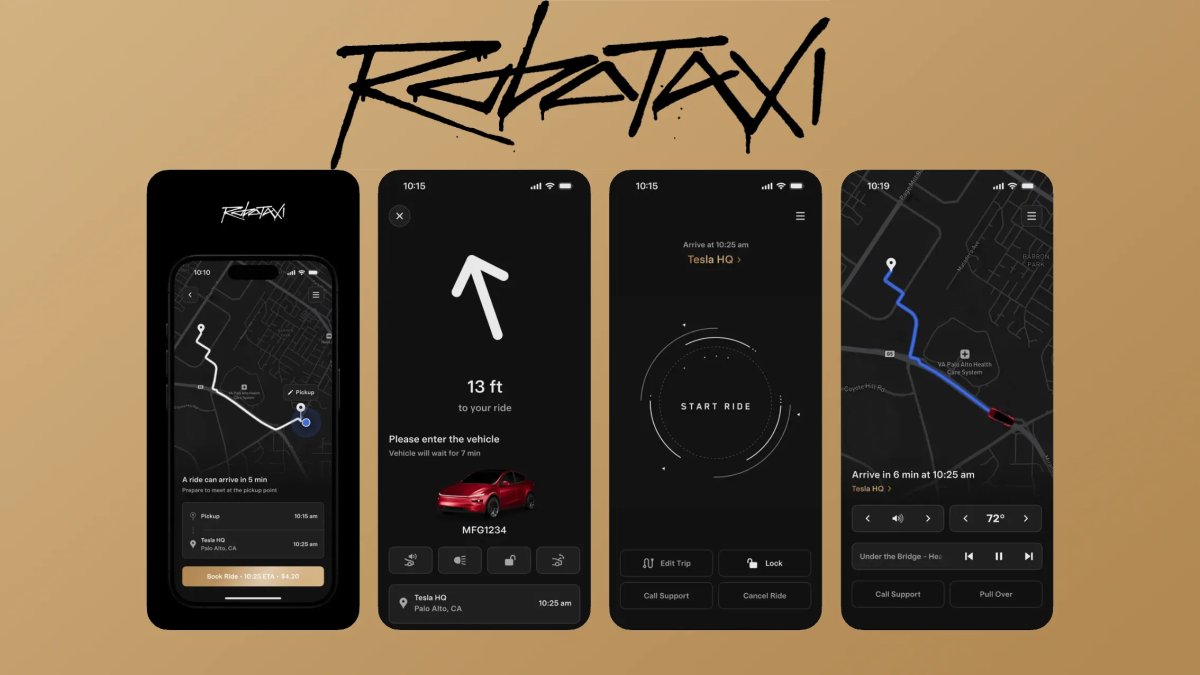
While the cars are working longer hours, the fleet itself is also getting much bigger. Tesla watcher Sawyer Merritt (@SawyerMerritt) recently highlighted a surge in sightings, noting that Sunday “set a new high for new Unsupervised vehicle sightings, with 7 new Unsupervised Model Ys spotted across Dallas, Houston, and Austin”. With Tesla finally making the Robotaxi app available on Android, the cavalry couldn’t have arrived at a better time. Each of these new units is being identified by unique license plates, making it easier for enthusiasts to track the total count. As of the latest data from Merritt and @RtaxiTracker, the unsupervised count has climbed past 30 units across three major Texas hubs:
City
Status
No. of Unsupervised Vehicles Spotted
Austin
Hybrid (Supervised + Unsupervised)
20
Houston
Unsupervised
6
Dallas
Unsupervised
5
Expanding the Texas Triangle
Tesla’s strategy seems focused on saturating the “Texas Triangle” before moving elsewhere. The company recently expanded its Robotaxi service to Houston and Dallas with fully unsupervised rides, a step up from the service in the San Francisco Bay Area, which still utilizes a safety driver behind the wheel.
This expansion is part of a broader roadmap that includes cities like Phoenix, Miami, Orlando, Las Vegas, and more. In fact, Tesla was spotted staging for a launch in Phoenix not too long ago. However, during the Q1 2026 earnings call last month, CEO Elon Musk clarified that the company isn’t planning a massive, nationwide expansion of the network just yet.
Not a Tesla App
The next big jump is tied to the release of FSD v15. This upcoming version is expected to be a major 10x parameter upgrade, bringing the underlying Full Self-Driving (FSD) model to roughly 10 billion parameters. Tesla likely wants this improved “brain” in place before it begins scaling the Robotaxi network to dozens of cities at once.
The Future of the Unsupervised Network
It is impressive to see how quickly these operating zones are evolving. Just a few months ago, the idea of a Tesla driving around a busy city with literally nobody inside seemed like a distant dream. Now, it is becoming a nightly occurrence in Texas.
The move to unsupervised nighttime driving is a critical step because it proves the car can handle the variety of lighting and pedestrian behaviors that happen after dark. While Tesla continues to ramp up Cybercab production to supercharge its Robotaxi fleet and build out charging infrastructure to support the service’s expansion, nationwide (and then global) Robotaxi operations remain the ultimate goal of the company’s efforts. With the fleet size growing almost daily, it won’t be long before residents in Dallas and Houston start seeing these “empty” Model Ys as a normal part of the commute.