
Tesla’s driverless ride service appears to be gaining a small foothold in Dallas as Texas becomes a major testing ground for the next phase of autonomous transportation.
Crowdsourced data from Robotaxi Tracker showed Tesla’s “unsupervised” Robotaxi fleet at 32 cumulative verified vehicles across Austin, Dallas, and Houston as of Sunday afternoon, May 3. The tracker listed 21 in Austin, five in Dallas, and six in Houston, while showing 663 total tracked Tesla Robotaxi vehicles across all categories.
The number remains small compared with Tesla CEO Elon Musk’s broader autonomous vehicle ambitions, but it marks a notable expansion after months of limited growth in the program.
As previously reported by The Dallas Express, Tesla launched unsupervised Robotaxi service in Dallas and Houston on April 18. The company’s official Robotaxi account said the service was “now rolling out in Dallas & Houston” and posted videos showing Model Y vehicles operating with no driver or front-seat monitor visible.
Reuters reported that Tesla did not disclose fleet size or pricing at the time of the Dallas and Houston launch. Musk reposted the announcement and wrote, “Try Tesla Robotaxi in Dallas & Houston!”
Robotaxi Tracker also listed 29 Dallas rides logged, with an average fare of $9.81 and an average trip length of 4.3 miles. The tracker listed 52 Houston rides logged, though the Houston dashboard showed “Service Unavailable” at the time of review.
The Dallas rollout gives Tesla a presence in three Texas cities, including Austin, where the company first launched the service last year. The expansion also comes as Musk continues to shift Tesla’s long-term growth story toward artificial intelligence, robotics, and autonomous driving.
Tesla Faces Larger Rivals
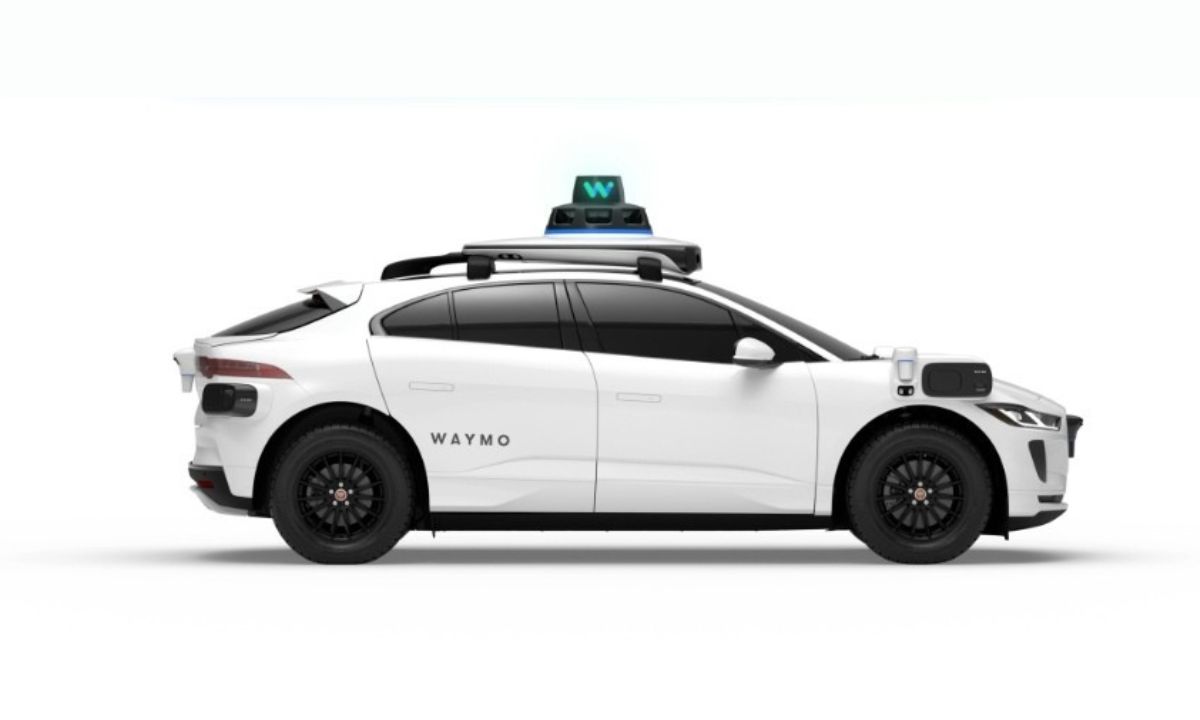
Tesla’s Robotaxi service remains much smaller than Waymo’s commercial driverless operation.
Waymo told Axios that it operates in 11 U.S. cities, completes more than 500,000 trips per week, and had logged 20 million commercially fully autonomous paid trips as of December 2025. The company also said its Austin fleet includes 300 vehicles and has driven 10.7 million fully autonomous miles in the city.
Waymo has also expanded its Texas footprint beyond Austin, including limited operations in Dallas, Houston, and San Antonio. However, that rollout has faced its own challenges.
Waymo also faced a service pause in San Antonio after an unoccupied robotaxi entered a flooded roadway during heavy rain and was pulled into an active waterway, News4SA reported. Reuters separately reported that federal regulators opened an investigation after a Waymo self-driving vehicle struck a child near a school in Santa Monica, California, and that Waymo had already faced scrutiny over school-bus safety incidents.
The contrast shows the emerging divide in the driverless car market. Waymo has scale and has faced regulatory scrutiny, while Tesla has a smaller fleet but is still pushing to prove its camera-based autonomy model can grow beyond Austin.
Texas Becomes A Proving Ground
Texas has become one of the most important states in the autonomous vehicle race.
Tesla is now operating Robotaxi-branded service in Austin, Dallas, and Houston, according to its prior announcement and Robotaxi Tracker data. Waymo has also made Texas a major part of its expansion, with operations in multiple cities and plans to keep growing.
For Dallas, the immediate impact remains limited. Tesla’s local fleet appears small, and the company has not released detailed ridership, pricing, safety, or service-area data for the Dallas rollout.
Still, the launch puts North Texas inside one of the country’s most closely watched transportation experiments. Continued growth in Dallas could make North Texas a key proving ground for Musk’s long-promised Robotaxi business.