
Incoming plans to charge millions of drivers for every mile they drive could face issues as motorists admit to mileage fraud.
New data suggests that electric vehicle owners are the most likely group of road users to tamper with their mileage readings.
Analysis shows that around three per cent of electric cars across the country have had their mileage readings altered – more than petrol, diesel and hybrid models.
It comes as the Government prepares one of the largest overhauls of the vehicle tax system in a generation with the introduction of pay-per-mile taxes.
Under plans from Chancellor Rachel Reeves, electric vehicle owners will be charged 3p per mile from 2028, while hybrid cars will attract a rate of 1.5p per mile.
The measures are being introduced to claw back revenue lost by the transition away from petrol and diesel cars in the form of fuel duty.
Experts suggest that the Treasury could lose tens of billions of pounds over the coming years as motorists move towards electric vehicles, which do not pay fuel duty.
The Electric Vehicle Excise Duty (eVED) rules were outlined in a consultation launched by the Government, which ended in March, and will be used to inform the policy details.
The Chancellor’s pay-per-mile car tax plans could be in jeopardy over ‘clocking’ fears
|
GETTY/PA
It stated that drivers will estimate and pay for their mileage alongside existing car tax payments, although the Government has yet to confirm how this will be calculated.
The consultation stated that drivers purchasing new cars would have the option to pre-pay and bundle eVED with the on-road price of the vehicle, removing the need for extra administration in the first few years of use.
Existing electric and hybrid car owners would be prompted to enter their vehicle’s mileage reading and estimate the mileage for the upcoming year, with the DVLA then calculating their liability.
It added that 2.3 per cent of UK vehicles may show signs of mileage fraud, or “clocking”, with the Government acknowledging that odometers can be subject to tampering.
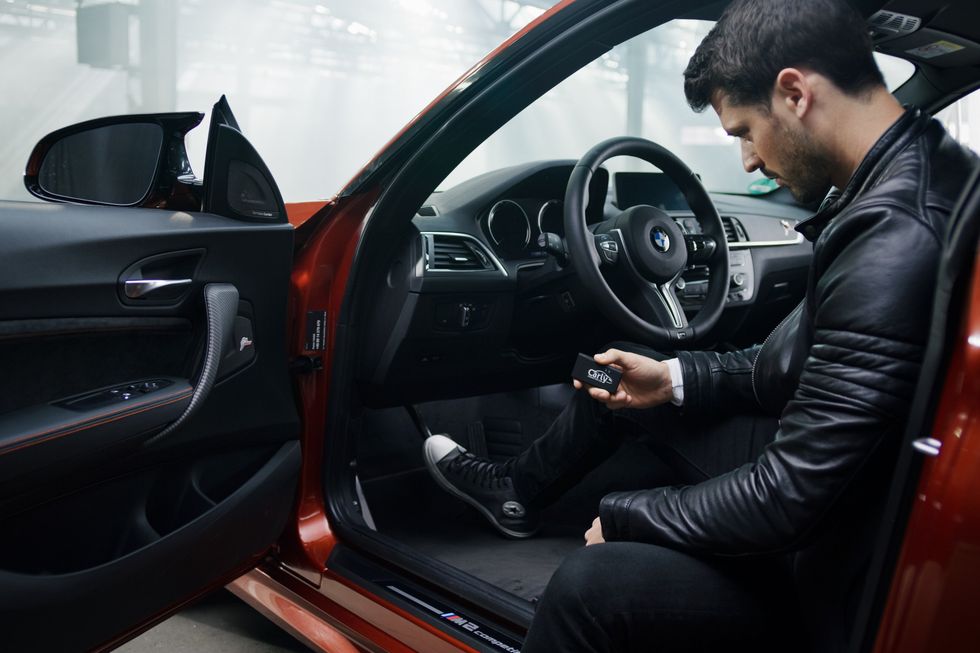
Around three per cent of vehicles around the UK could show evidence of ‘clocking’
| CARLY
It stated: “The Government recognises that the introduction of eVED may increase the likelihood of motorists choosing to clock their vehicles, or allowing the odometer to be inoperative.
“Vehicle manufacturers will retain responsibility for ensuring that, as far as possible, odometers cannot be tampered with and for assisting the Government where it appears that tampering may be occurring, recognising that odometer information is often held in more than one place in a vehicle.”
Matas Buzelis, from CarVertical, which conducted the initial research into clocking, said many people would falsely assume that EVs cannot have their mileage tampered with, given the impressive technology included.
He noted that fraudsters will target the second-hand vehicle market as they will see opportunities to make money from people transitioning from petrol and diesel cars over the coming years.
 The Ford Puma Gen-E is included in the £3,750 incentive level of the Electric Car Grant | FORD
Labour clarified that it would “consider further options” to mitigate against odometer tampering, including liaising with vehicle manufacturers to minimise fraud.
Pay-per-mile car tax proposals have been met with strong disapproval from much of the automotive sector, with experts accusing the Government of impacting the uptake of EVs at a critical time.
Recent data shows that there are more than two million battery electric vehicles on the road across the UK, with this likely to expand dramatically over the coming years.
Over 100,000 drivers have also made use of the Government’s Electric Car Grant, which gives motorists a maximum discount of £3,750 off the price of a new EV.