
Here at Cycling Weekly, we test dozens of the best electric bikes every year, and we are lucky enough to have several very experienced female writers and editors in our team to do this. So, while Women’s specific models are fewer and further between than just a few years ago, we have tested a ton of the best women’s ebikes, which are uniquely rated by our female reviewers.
Firstly, what makes a bike electric?
Best Overall
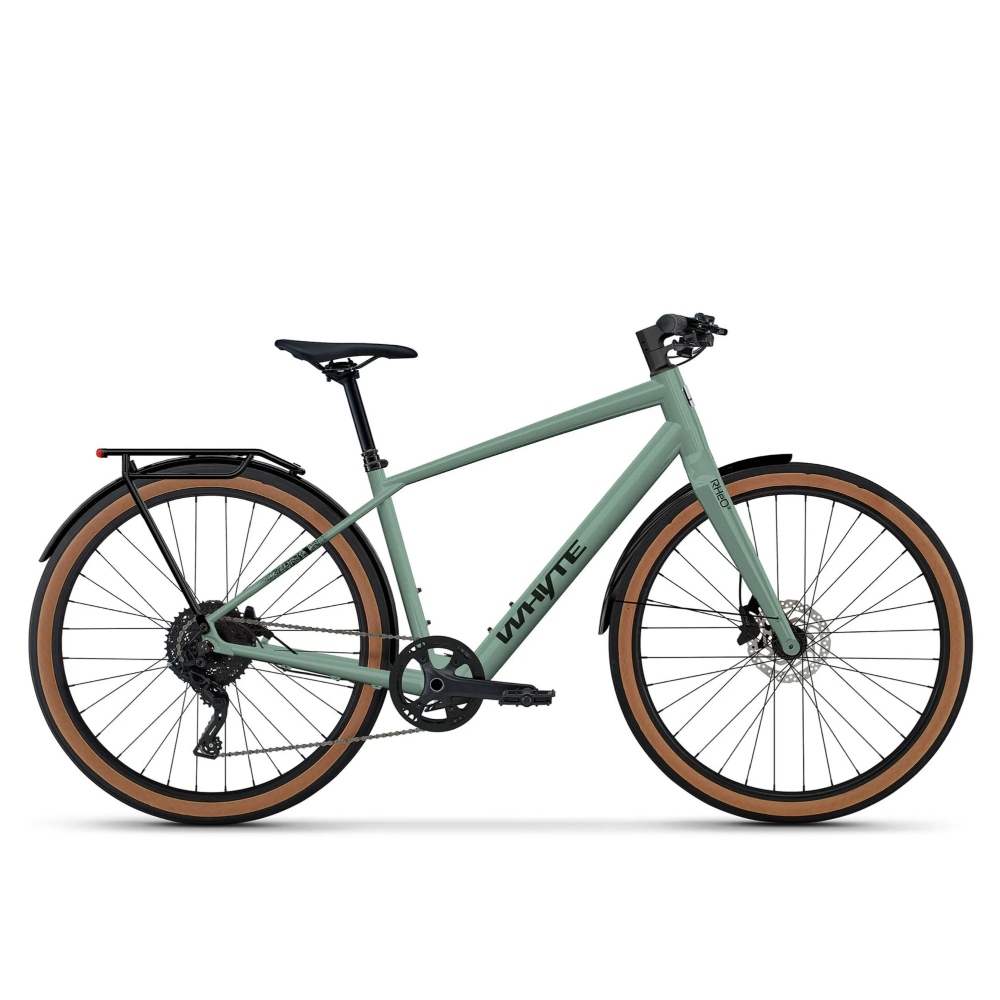
The Whyte’s versatility makes it a great car alternative e-bike. All the included and Integrated extras ensure the RHeO is always ready to ride.
Best lightweight
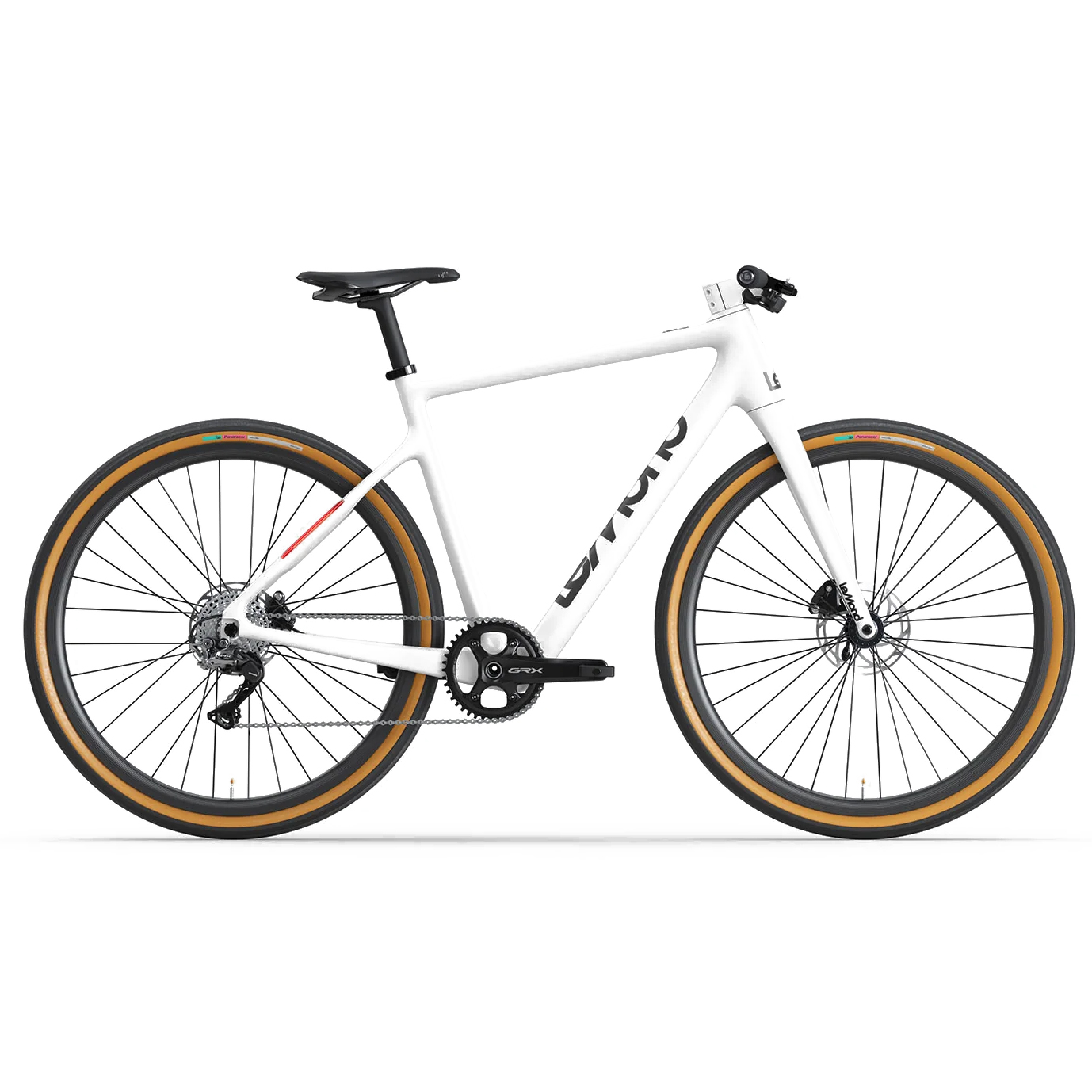
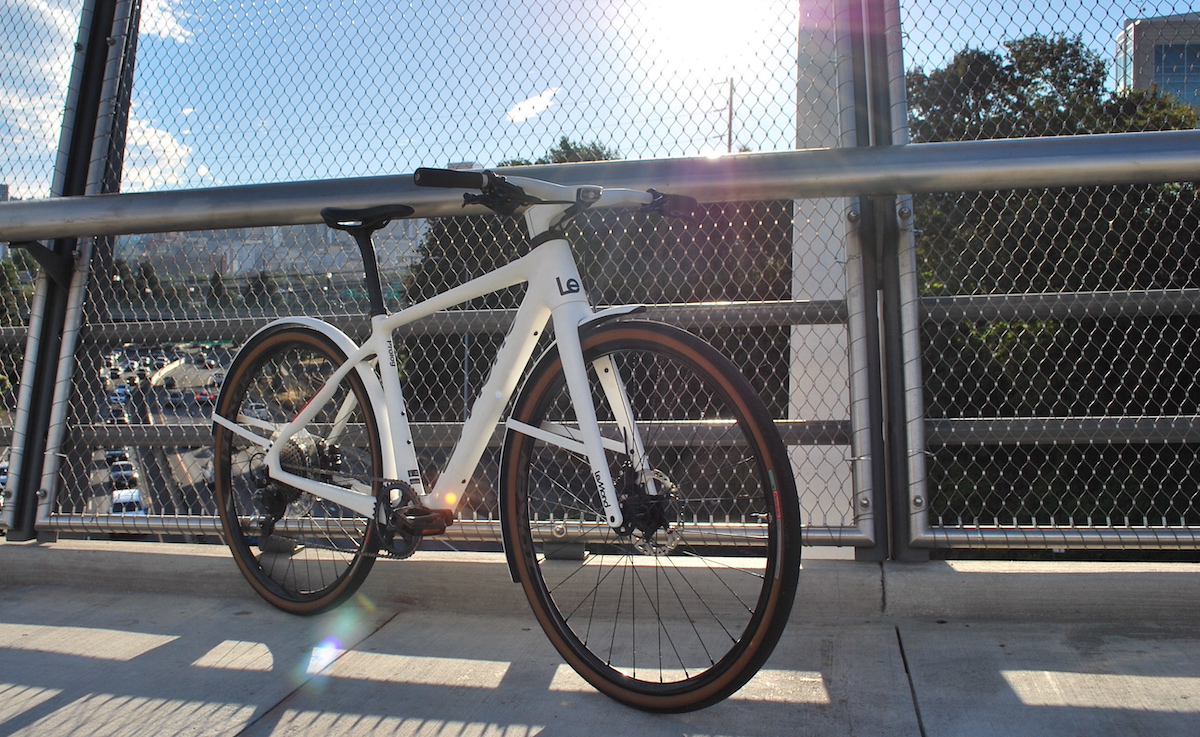
This superlightweight ebike from the legend of the sport, Greg LeMond, is certainly no race bike. However, it is sleek and sexy, and if you didn’t know it was an electric bike, you wouldn’t know.
Most stylish
3. Canyon Precede:ON CF ST
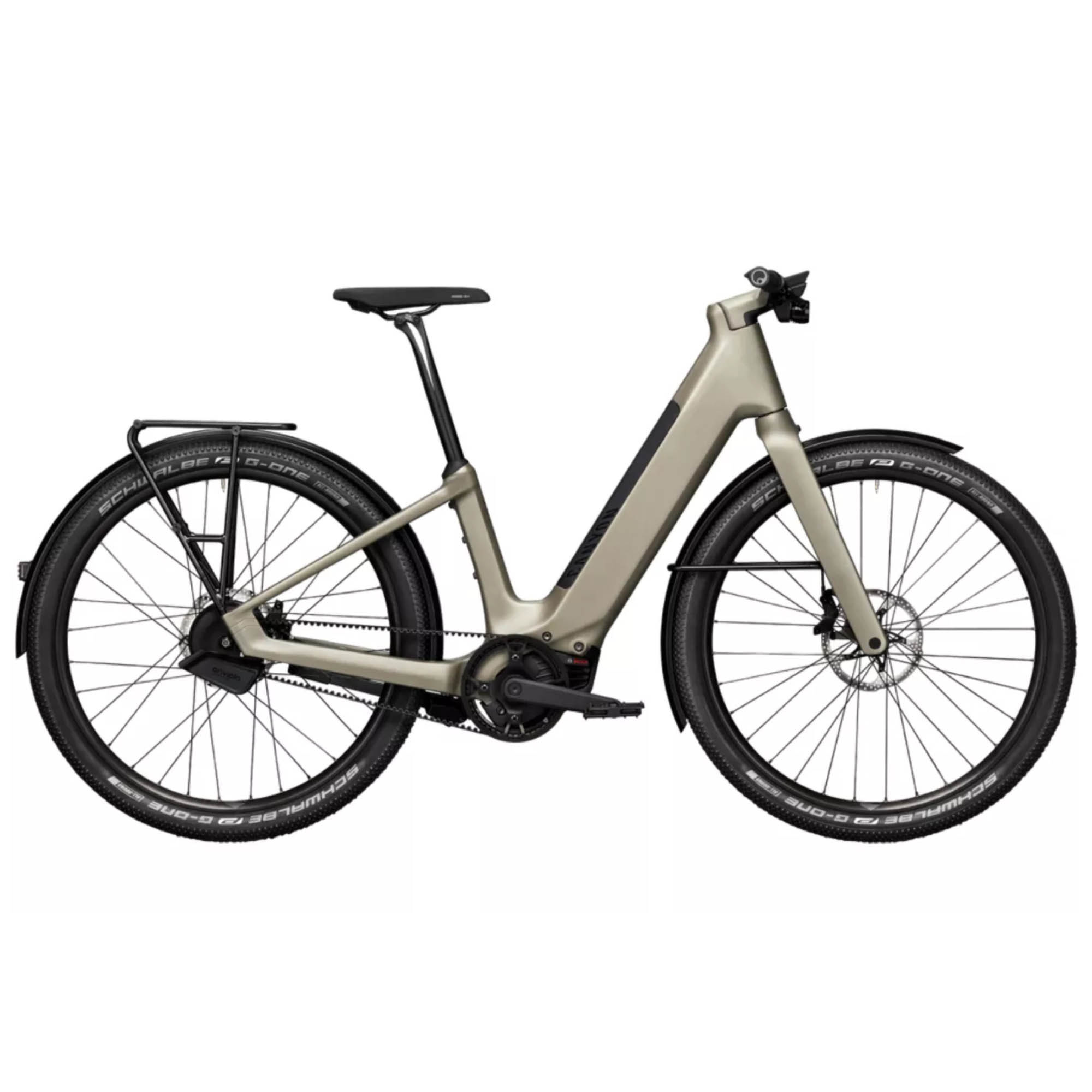
An e-bike that is going to get you noticed around town. The Canyon Precede:ON is a futuristic, highly integrated and sophisticated electric bike.
Best for urban biking
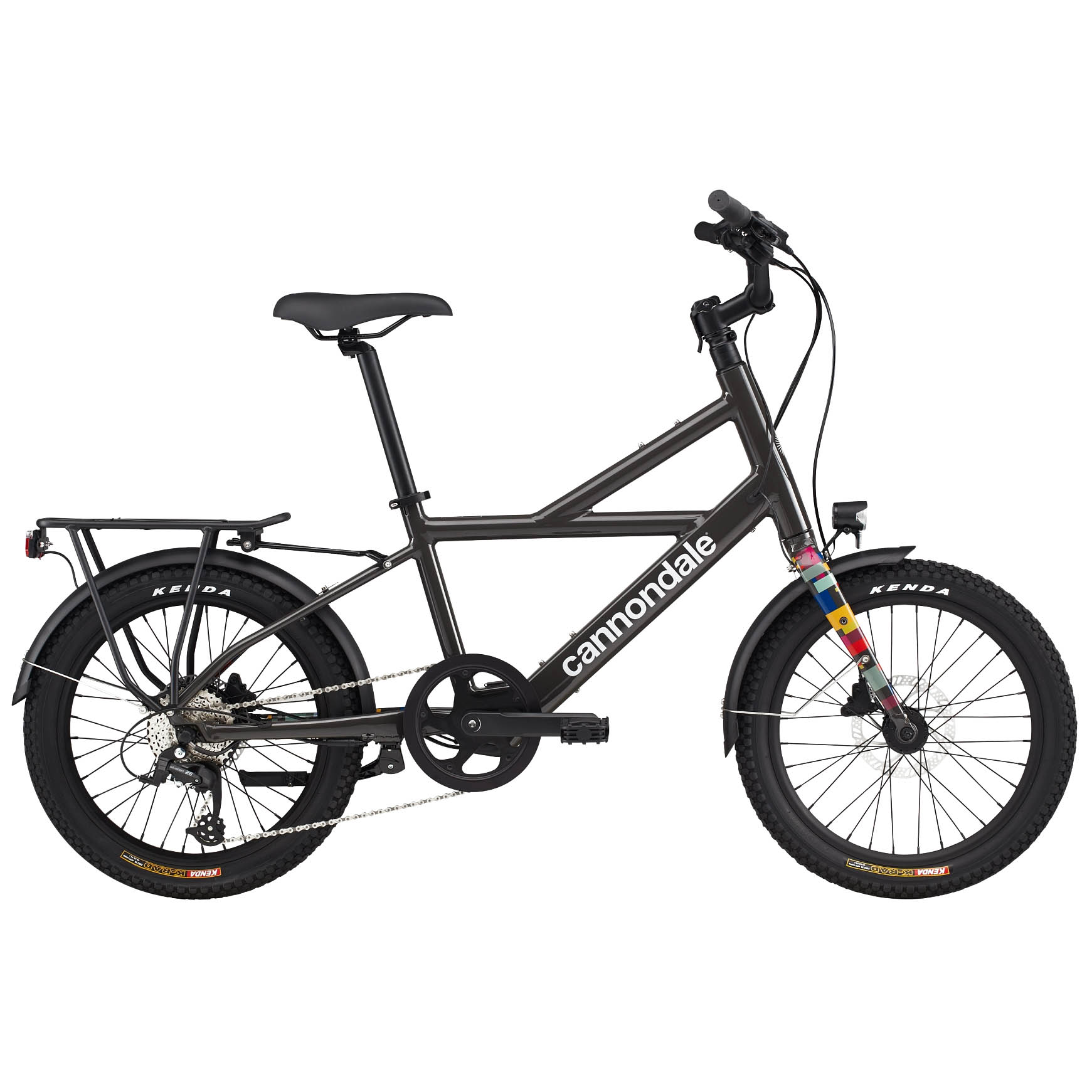
5. Cannondale Compact Neo
Comfortable, capable and compact. The Compact Neo might not offer headline-worthy exploits, but given its wallet-friendly price, it is a great bike to get around town on.
Our female testers top-rated and best women’s e-bikes 2026Best Overall
Versatile, capable and always ready to ride anywhere
(Image credit: Future)
Our best overall for keeping its cool regardless of terrain or topography.
Specifications
Motor: Kynamic hub motor, outputting 450w peak and 45Nm torque
Battery: 250Wh internally mounted
Frame/Fork: 6061 alloy, 12mm thru-axle, mudguard mounts
Groupset: Shimano Cues, 9 speed
Weight: 16.8kg/37lbs (medium)
Sizes: XS – XL (dependant on frame style)
Reasons to buy+
450w (peak) rear hub motor
+
Nimble, agile, predictable steering
+
Build-in lights
+
Ready to roll with rack and mudguards
+
Shimano Cues 9-speed drivetrain
+
Lightweight compared to peers
+
Price point
Reasons to avoid-
250Wh battery provides limited range if using in hills (and cooler temperatures)
–
Cabling could do with a re-design at the frontend
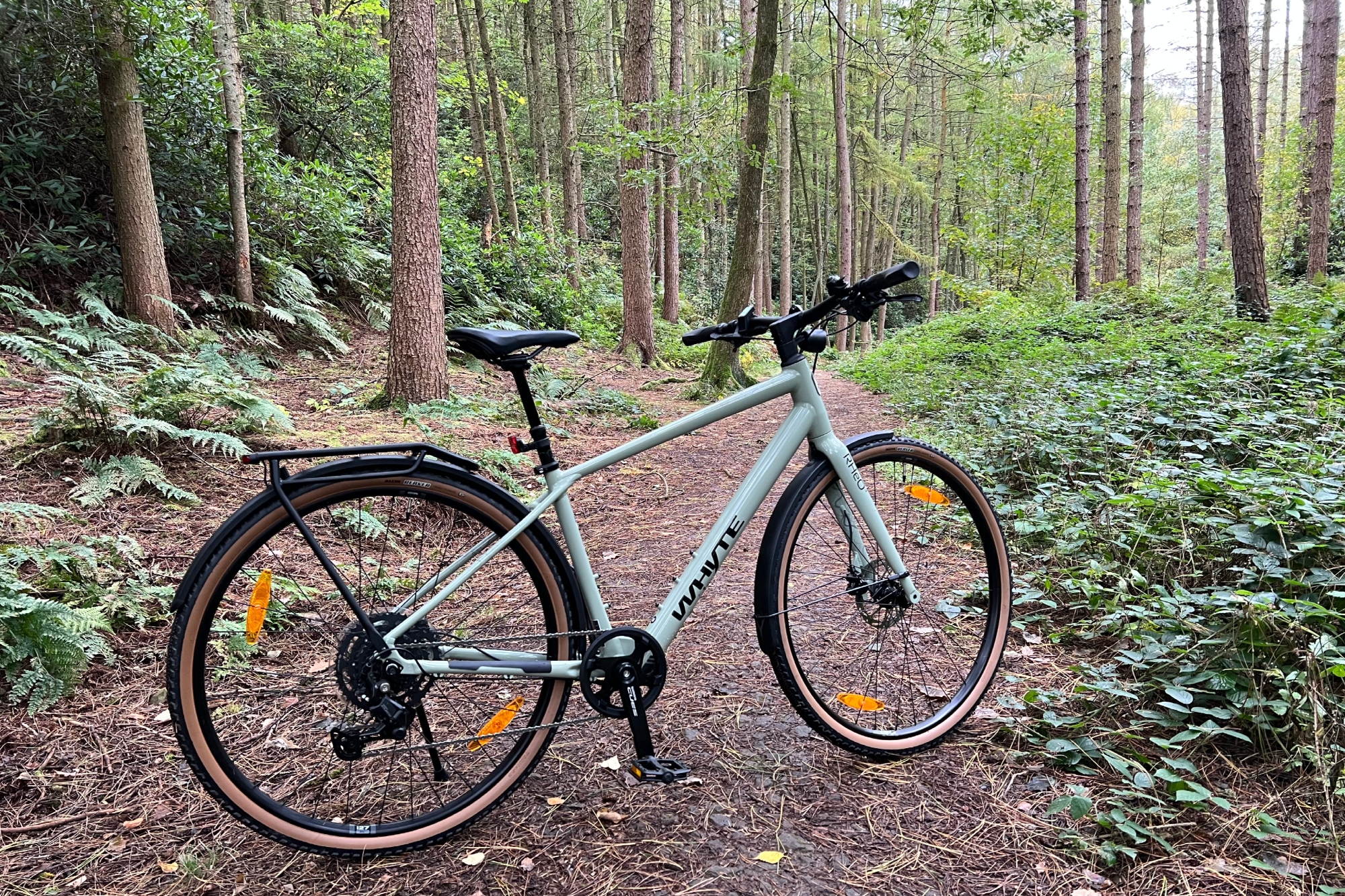
The Whyte Rheo 3 is a lightweight e-city bike that really impressed me with its agility and design. Weighing just 16.9 kg/37 lbs, it features a compact 250Wh battery and a rear hub motor delivering 450W of peak power and 45Nm of torque. Thanks to its low-mounted battery, the bike handles incredibly well, whether I was navigating a flat, busy city or quiet, hilly rural lanes.
The Rheo 3 is well-equipped for everyday use, with integrated lights, mudguards, and a rear rack that makes commuting and errands easy. I appreciated the smooth shifting of the Shimano Cues 9-speed drivetrain, and the dropper seatpost was a thoughtful touch that made getting on and off the bike more convenient. It was the Maxxis Reaver tyres that helped make this a do-it-all, go-anywhere electric bike that took a variety of surfaces in its stride.
That said, the 250Wh battery worked best on flatter routes. The steeper hills and colder days here in the North of England drained it faster than I’d hoped, using 75% of the battery in just 20 miles (45km). I also thought the cabling could be tidier. Still, considering its cost—at a third of the price of a Specialized Turbo Vado SL —the Rheo 3 strikes an outstanding balance between performance and practicality, making it a very appealing alternative to using a car.
Read our full Whyte RHeO 3 electric bike review
Best lightweight ebike
(Image credit: Anne-Marije Rook)
A super light, Sleek, stealthy and dead sexy ebike
Specifications
Motor: Mahle X35+ Hub
Battery: 250Wh
Frame/Fork: LeMond carbon fiber frame, fork, seatpost, handlebar-stem
Groupset: Shimano GRX 11 speed
Weight: 27lbs/12.2kg
Sizes: S-L
Reasons to buy+
Lightweight and nimble
+
Sleek design
+
Stealthy
Reasons to avoid-
Costly
–
Too nice to lock up anywhere
–
Lacks utility
Greg LeMond is not a name you would usually associate with electric bikes, given the legend of the sport propelling himself unassisted to four grand tour wins, three of which were yellow, and two world championship jerseys. However, before relaunching his bike brand, he founded a company that made carbon fibre more affordable in the US.
Which is where the low-weight of the Prolog comes from. Literally everything on the bike is carbon fibre. Frame, fork, handlebar, stem, fenders and seatpost. The result, when combined with the Mahle X35 system, which weighs under 4kg, is a complete ebike that only weighs 27lbs/12.2kg. You can also make the bike even lighter with a carbon fibre wheel upgrade.
Once purchased on the saddle, the LeMond is far from a utilitarian-feeling bike; it is undoubtedly a cool urban steed and not a car-replacing, kid-carting, grocery-getter. As I think you would expect from Greg, the Prolog is sporty, much more akin to a road bike, which offers a joyful and playful ride, thats fun on commutes. It might even suit those casual weekend cyclists looking for the buzz of cycling but not the drop bars.
This is the question I struggled with the most: who is it for? It is fun, sporty and very light, great for bringing joy to the daily grind. However, it is very elegant, stands out, lacks utilitarian features and is expensive. So, not the bike you would want for locking up around the city. This narrows what is a good bike down to urban professionals and those suburban dwellers who really like to splash the cash on the best.
Read our Rook’s full LeMond Prolog ebike review
Most stylish
(Image credit: Canyon Bicycles)
The Rolls Royce of urban e-bikes
Specifications
Motor: Bosch Performance Line CX (Gen4)
Battery: Bosch 500wh
Frame/Fork: Carbon Fibre
Groupset: Enviolo hub internal gears w/Gates belt drive
Weight: 23.2kg/51.1lbs (Small Step through)
Sizes: XS – XL
Reasons to buy+
Stylish finish
+
Efficient motor
+
Automatic gear changes
+
Built-in lights
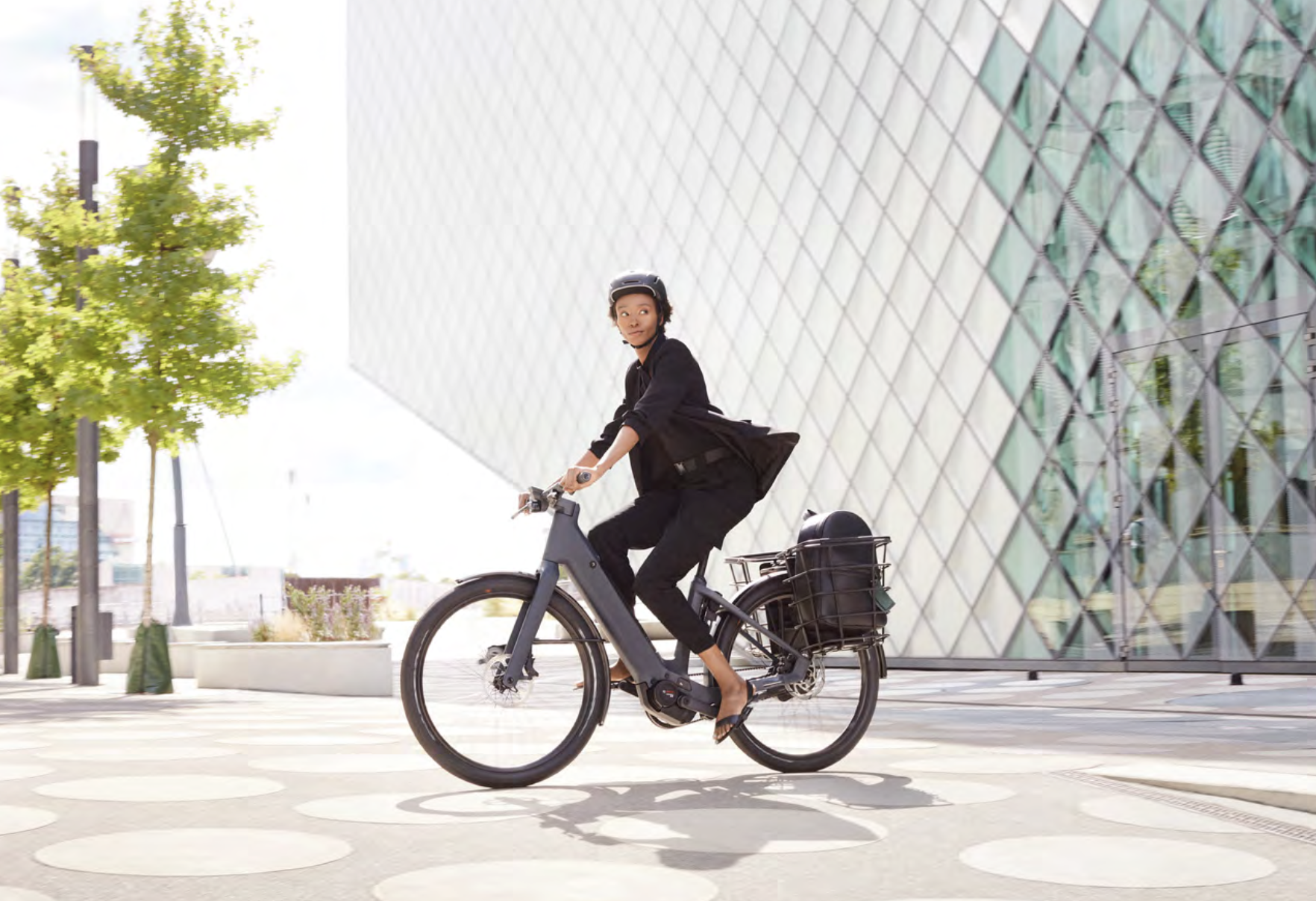
Canyon‘s Precede:ON arrived with much of the bicycle industry looking on with pretty high expectations after it won a German Design Award. Offering futuristic styling, very high levels of integration and pretty much all the bells and whistles make the Precede:ON the Rolls Royce of urban e-bikes.
Riding around London, I didn’t worry about the Precede:ON ever; the Bosch motor is punchy and really pulls; even in sportier modes, it was giving me a 65km/40-mile range over undulating terrain. Jumping from the excellant cycling super highways to the bumpy horse-trodden tracks of the royal parks was really all take in the Precede’s stride thanks to the wide but fast-rolling Schwalbe G-One tyres.
Despite the Precede:ON offering all the high-end e-bike features like the auto shifting of the Enviolo hub and integration, it comes with drawbacks. Its weight, especially when lifting or carrying it, can’t be ignored, such as up steps or into a car; our carrying it down the stairs at the Greenwich foot tunnel due to the lifts being out of order.
However, what you’re paying for here is the Rolls-Royce features: the crème de la crème of urban styling and convenience. They’re not necessary, but they are nice to have and make the bike pretty much always ready to ride at the press of a button.
While Canyon no longer offers the Precede:ON in the CF (carbon fibre) version, the newer aluminium version offers nearly identical packages at a much more affordable cost.
Read our full Canyon Precede:ON CF 9 ST electric bike review
Best for families
(Image credit: Hannah Bussey)
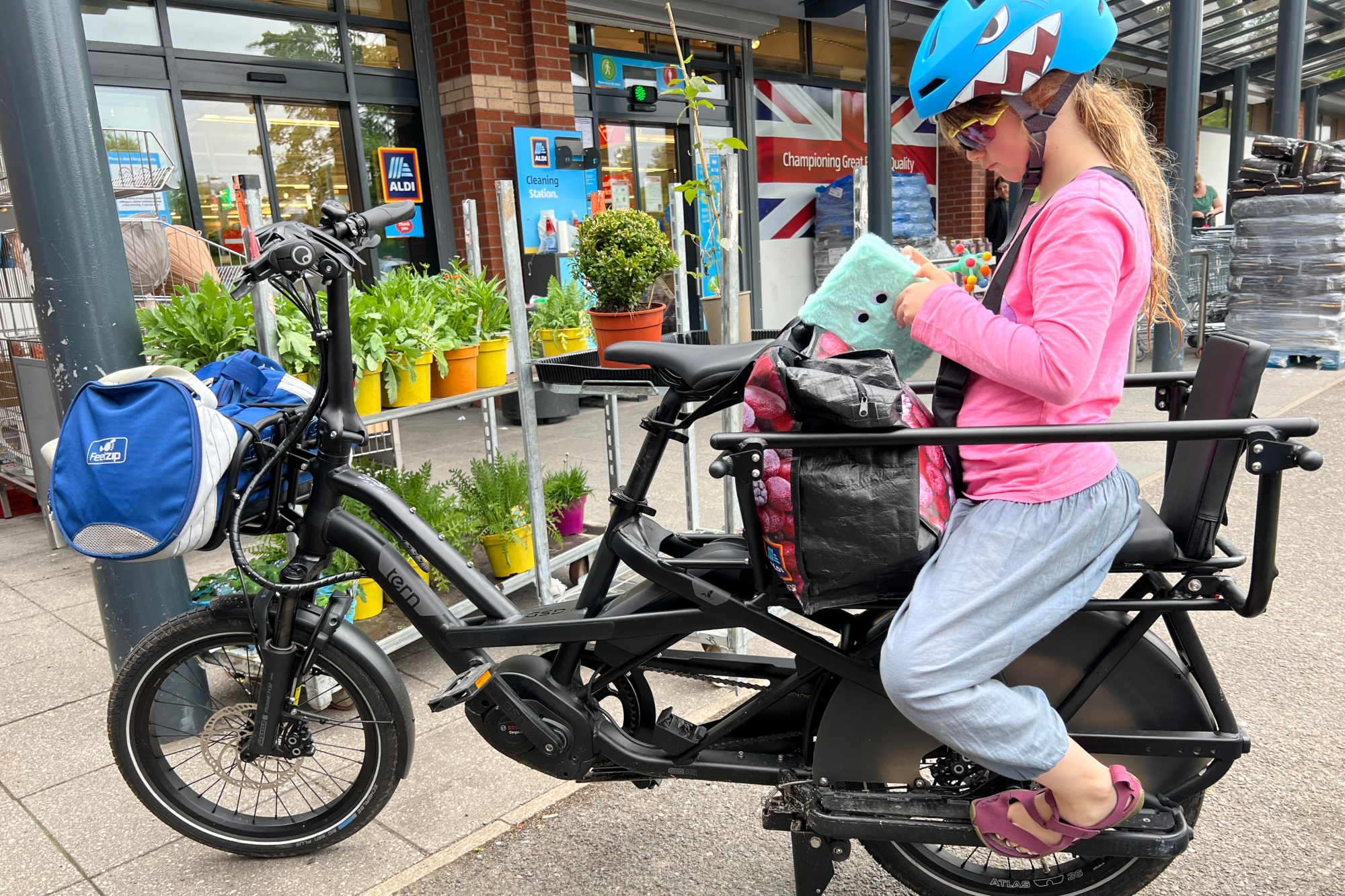
An electric cargo bike that can actually change family life for the better
Specifications
Motor: Bosch Cargo Line
Battery: 400Wh (LX version 500Wh) dual battery option also available
Frame/Fork: Tern GSD, 6061-AL, patented MultiTruss design, Suntour custom for Tern
Groupset: Shimano Deore 10 speed
Weight: 33.5kg/74lbs
Sizes: One Size
Reasons to buy+
Rides like a regular bike
+
Powerful motor for hilliest of terrains
+
Versatility of rear carry frame
+
Front cargo space
+
Multiple accessories and set-up options
+
Fold-down handlebars and quick release seatpost for storage options
+
Integrated front wheel lock
+
Integrated lights, with brake light
Reasons to avoid-
Rear load design means you can’t keep an eye on your cargo
–
Misses some basic data displays
I don’t think a bike of the GSD’s quality will ever be cheap, and rightly so; I think it is brilliant, espcially when you need it to do the majority of what a car can do. However, given the cost of new petrol cars and EVs, the Tern starts to look like a right bargain.
I could go into detail here about the spec, the weight and how that all plays into the Tern’s ride and how great the Bosch cargo line motor is. Don’t get me wrong, Tern has done a brilliant job here, putting the specification together for this bike, but thats not what is going to sell this bike, in my opinion.
The GSD changed how we use bikes here in the Bussey household. Of course, we always used bikes for transport and getting around town, but the GSD has put a very good argument in front of me that the best cargo bikes can actually replace cars.
Of course, it has saved us money at the petrol pumps, a load of time not sitting in traffic, and most of all, it has improved my mental state, arriving to places happier, more ready and more alert.
It is an expensive bike, and if I really had to find something wrong with it, the 400wh battery is a little small. However, if you want a highly versatile bike that can truly replace the car, it’s at least a price most can stomach, and I would buy one in a heartbeat.
Read our full Tern GSD S10 electric cargo bike review
Best for urban biking
(Image credit: Anne-Marije Rook)
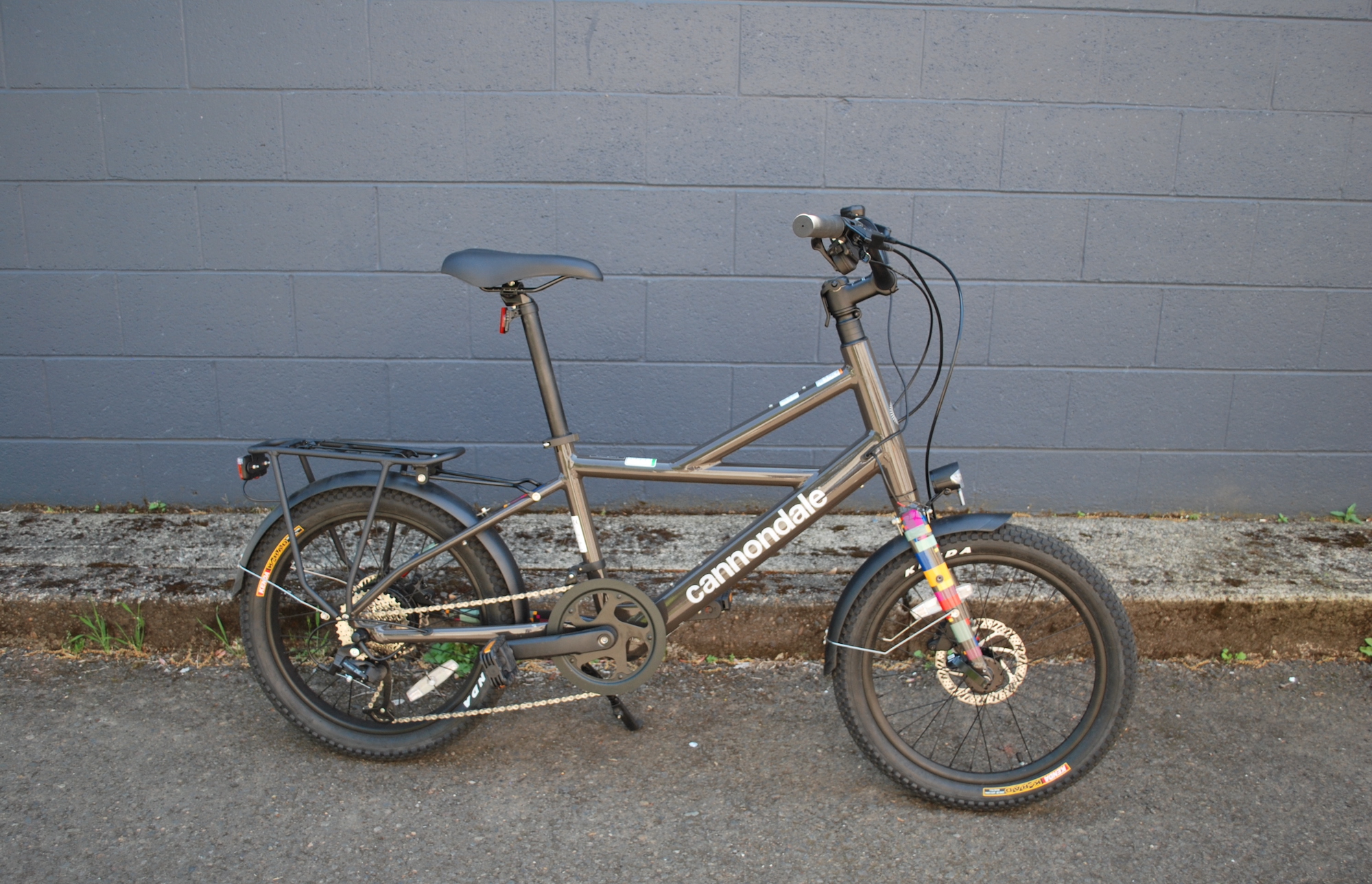
Compact, comfortable & wallet-friendly e-bike for urban dwellers
Specifications
Motor: Hyena MRC-250, 250W
Battery: Hyena, 250Wh
Frame/Fork: SmartForm C2 Alloy
Groupset: microSHIFT 8 Speed
Weight: 18kg/40lbs
Sizes: One size
Reasons to buy+
Wallet-friendly
+
Good value
+
Brand name components
+
Stable, comfortable ride
Reasons to avoid-
Lacking in power and range
–
Limited utility
I have to say, I was surprised by the Cannondale Compact Neo, and it’s a pleasant and comfortable bike that is far better than any car or public transport alternative.
The compact frame, reminiscent of the 2008 Cannondale Hooligan, is stylish and practical, making it easy to manoeuvre through city streets and the house. Despite its small size, the bike offers a comfortable ride, thanks to its beefy Kenda tyres that I found offered plenty of grip without feeling draggy.
Useful integrations like the lights, fenders, folding pedals, kickstand, and unique handlebar system for storage add to its practicality. However, a minor drawback is the rear rack’s limited utility due to its placement, which results in heel strikes on nearly every revolution when carrying anything wider than the rack itself.
The Compact Neo is more about leisurely rides than high-speed thrills and lacks a bit of zip you might expect from a compact bike. The 250Wh battery offers a moderate range, it lacks an intuitive display, making it tricky to monitor assist levels and battery status. That said, the bike rides well even without motor assistance, which is a plus for those looking to conserve battery life.
Overall, the Cannondale Compact Neo is a fun, stylish, and practical e-bike perfect for short-distance commuting and urban adventures. It’s not the fastest or most powerful option, but it offers excellent value with very little competition unless you spend considerably more on something like the Tern Quick Haul.
Read our full Cannondale Compact Neo electric bike review
Meet our testers
Hannah is Cycling Weekly’s longest-serving tech writer, having started with us way back in 2011. Her early career was filled with racing at a high level, as well as covering the biggest events on the calendar. However, her life transformed through e-bikes, specifically cargo bikes, when her testing provided clarity on how well they can replace the family car.

Anne-Marije Rook
North American Editor
Cycling Weekly’s North American Editor, Anne-Marije Rook, or Rook for short, loves all kinds of bikes. If it has two wheels and she can pedal it, she is up for it. While her cycling is mainly focused on gravel, specifically big adventures and tests of endurance, Rook takes the opportunity on rest days and the off-season to get around town using e-bikes.

Maria David
Cycling Weekly Contributor
Maria has written for many of the biggest cycling publications and is well known for her easy-to-read and relatable style, especially in her coverage of women’s cycling and the personalities that make it great. However, Maria brings so much more to a review than just a rundown of the specifications. She takes you along for the journey, making you feel like you are experiencing the ride with her, recounting the locations and people she meets along the way.
How we test
At Cycling Weekly, we have a dedicated team of testers who review a wide variety of cycling products. They provide objective assessments based on their daily experiences under various conditions.
With extensive experience, our testers are adept at comparing products, pinpointing their strengths and weaknesses, and delivering an honest, unbiased evaluation of their performance. For e-bikes, this generally involves examining the motor and battery quality, covering aspects from user-friendliness to charging time and range.
We also ensure that bikes are tested on various terrains, acknowledging that many cyclists use e-bikes for commuting and leisure. Like traditional bikes, we assess ride quality and component choice, evaluating their impact on critical aspects like comfort, gear range, and braking.
The number of women-specific e-bikes is dwindling, and the industry’s views about whether this is needed are changing. We will only recommend e-bikes that are best for women and that have been tested by our team of female riders and reviewed. This way, while the bike might not be Women’s specific, we can at least offer a women’s perspective on the bike and its components.
Read more about how we test products on our dedicated page.
How to choose an e-bike
Selecting the right electric bike for you should be no more complicated than choosing a regular bike. There are so many e-bikes to choose from now, and virtually every style of bike has an assisted version available. Whether it be one of the best women’s hybrid bikes for improving fitness or one of the best commuter bikes for revolutionising your journey to work, you can select the assisted version. Even the best women’s road bikes are now available in electrified versions.
Everything about an e-bike is about balance. This can be between weight and manoeuvrability versus the level of assistance and range or usability, connectivity, and serviceability. Striking the right balance for you is where it can get tricky.
Placement of motors – weight vs power
Motors in electric bikes can be found in the front or rear hub of the wheel, or on the frame.
Hub-mounted motors tend to be cheaper. Although they are quieter and offer less resistance over the speed threshold, they often don’t perform as well on hills due to lower power outputs.
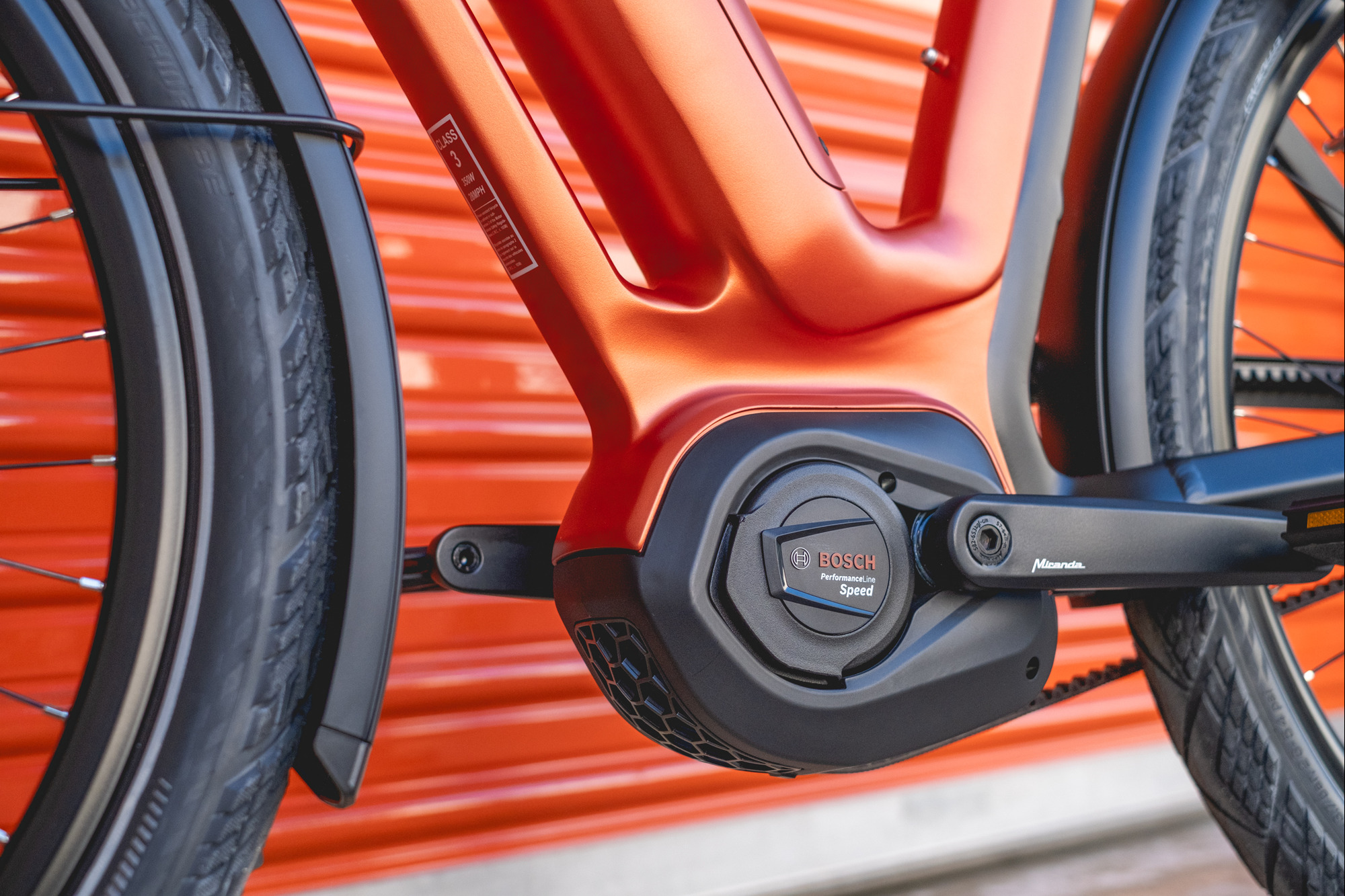
Frame-mounted, or mid-drive motors, are mounted low down on the bike, around the bottom bracket area. This positioning means the weight distribution of the motor is much better, giving the bike increased stability and balance. Also, as a mid-drive motor is connected directly to the drivetrain, it offers better efficiency. Hills are conquered with ease with this style of motor.
An electric bike’s motor performance is generally measured by its torque; this is read in Newton Meters (nm) and its peak power output (Wh). Torque determines how the motor can handle heavier loads, how fast it can accelerate, and how much continuous force it can provide. Peak power is what helps us get over big obstacles; the higher the peak, the bigger the obstacles you can conquer; this is useful for steep inclines, rocks and roots.
(Image credit: Gazelle Bikes)
While frame-mounted systems are more powerful, they are considerably heavier than their hub counterparts. A typical hub motor system like the Mahle X35 weighs 3.5kg/7.7 lbs; this includes the battery and all the electronics. This is versus a Bosch performance line CX motor alone, which comes in at 2.8kg/6.1 lbs.
However, the Mahle system only offers 40nm of torque and a peak power output of 250Wh, versus the Gen 5 Bosch Performance Line CX, which has just been upgraded to deliver 100 nms and a peak output of 750Wh.
So, finding the balance here is all about the terrain you plan to tackle and the level of assistance you think you might need to tackle that parcours.
Batteries – range vs handling
An e-bike’s battery’s available range is an important consideration, both when purchasing the bike and forever after. Knowing how far the battery will take you is something you will learn the more and more you ride the bike. It’s not as straightforward as saying the battery will last X amount of miles. The battery life depends on the assistance setting you select, terrain and conditions and how long you stay in this setting.
Electric bike batteries are measured in watt-hours (WH) or amp-hours (AH). Typically, an e-bike’s battery capacity usually lies between 7-10Ah or 250wh and 750wh. This equates to anywhere between 25 to 70 miles of travel on a single charge of an e-bike. If you’re riding hard on full power, expect less; if you manage your battery life well, you could get more, while if you’re managing over 25kph (that’s 15.5mph) in most countries, the motor will cut out, so you won’t be draining the battery. In the US, the cut-off is at 20mph.
While increasing your battery size is great for your range and the terrain you can tackle, it can harm your bike’s handling and manoeuvrability. Typically a small 400wh Bosch battery might weigh in at under 3kg/6.6lbs, with an 800wh battery from Bosch only being 3.8kg. So, for less than a kilo/2.2lbs, you, in theory, get twice the range. However, it’s not that simple, as it also means twice the cells, which means a large battery to fit on the bike. This is where the handling can be altered, with the battery naturally needing to sit higher up in the frame towards the steering, raising your centre of gravity.
So, if you don’t need a big range, you can undoubtedly have a bike that handles better; however, if you need more range, consider the bike’s design and the battery placement within the frame.

(Image credit: Getty Images)
Frequently asked questions about e-bikesHow far can I ride on a charge?
There is no exact science to this, with half a dozen or more factors coming into play. Determining the distance you can travel on a single charge is nearly impossible. Many brands will give a guide, but it’s likely to be highly inaccurate.
In my experience, the key factors tend to be weight—this is of the rider and luggage—temperature—generally, the cooler it is, the fewer miles/km you will get—and terrain, specifically how many or big the hills are you plan to tackle.
There are some good tools out there, though; Bosch’s e-bike range calculator for their range of e-bike motors has proven remarkably accurate. However, I have found it’s only correct for use with Bosch systems.
What should you avoid when buying an electric bike?
I don’t believe it is enough to say avoid cheap e-bikes as there are certainly some good budget offerings out there. My advice would be to avoid unknown entities, while this generally refers to the cheaper end of the e-bike market it doesn’t always.
Check out the brands credentials, do they have their own website and if so where are they based? Do they have an actually address? Or do they just sell through amazon or aliexpress? Do they offer after sales support and are contactable? Can you buy spare parts, replacement batteries or return the bike? Can you request safety testing certifications? For european brands, they should have an EPAC testing certificate and be able to produce and safety testing documents on demand, many provide them in their manuals now.
Why is this important?
With the increase publicity around e-bike safety and specifically the increase in battery fires, it is important to purchase from a brand that is doing the safety testing, has expertise and provides support if there is an issue. This generally costs money to do, even if the brand are fitting a Bosch or Shimano system, which of course will add to the cost of your bike.
How long does an e-bike battery last and how much do they cost to replace?
This depends very much on the quality of the cells fitted in your battery. However, a system that uses, say, Panasonic, LG, or Samsung, which the major e-bike system manufacturers do, will typically last 5-8 years, given proper care.
While many manufacturers offer excellent support for defects and issues, with many supporting batteries well outside the usual warranty periods, battery cells will deteriorate over time. They will need to be replaced with use. Typically, they can cost from a few hundred pounds or dollars right up to £900/$1000 for the larger units.
Can I get fit with an e-bike?
There are many benefits to riding an e-bike, and of course, exercising and increasing your heart rate are known ways of ‘getting fit’ and are some of those benefits.
‘Can you actually get fit using an e-bike?’ is a question we asked sports scientist and coach James Spragg. James’s main reasoning and primary focus on why they can be good for fitness revolves around intensity control. When you are training or looking to improve fitness, zone training is a very effective way of doing this. However, it can be tricky to do out on the open road. This is where e-bikes become very useful; just like the best indoor smart trainers, e-bikes can help you stay within your training zone much more effectively, thereby minimising outside influences like weather or terrain and increasing your fitness.
If you have never trained on a bicycle before, why not check out our 10-week plan for beginners? It’s super simple to follow and offers varying levels of intensity based on your goals.
Round up of today’s best deals
Explore More