
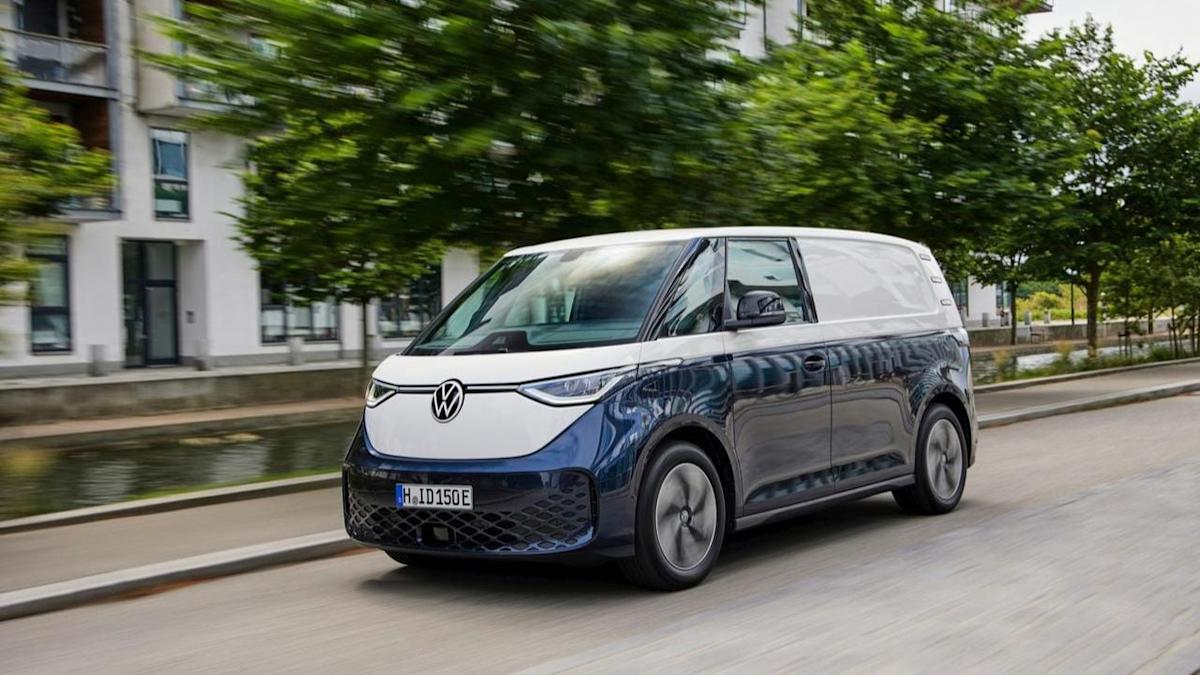
Volkswagen Group has launched a major EV recall that covers nearly 100,000 vehicles worldwide, a campaign centered on MEB-based models sold across Europe and other markets.
The affected vehicles include the Volkswagen ID.3, ID.4, ID.5, ID.Buzz, ID.Buzz Cargo, and the Cupra Born, all built within production windows that run from February 2022 to August 2024 depending on the model.
In France, the operation covers 4,371 Volkswagen-branded vehicles, plus several thousand Cupra Born models, although a precise French total for Cupra has not been published yet.
For owners, the message is straightforward: Volkswagen and Cupra will contact affected customers and bring the cars in for inspection, software work, and in some cases battery module replacement, all at the manufacturer’s expense.
What Models Are Affected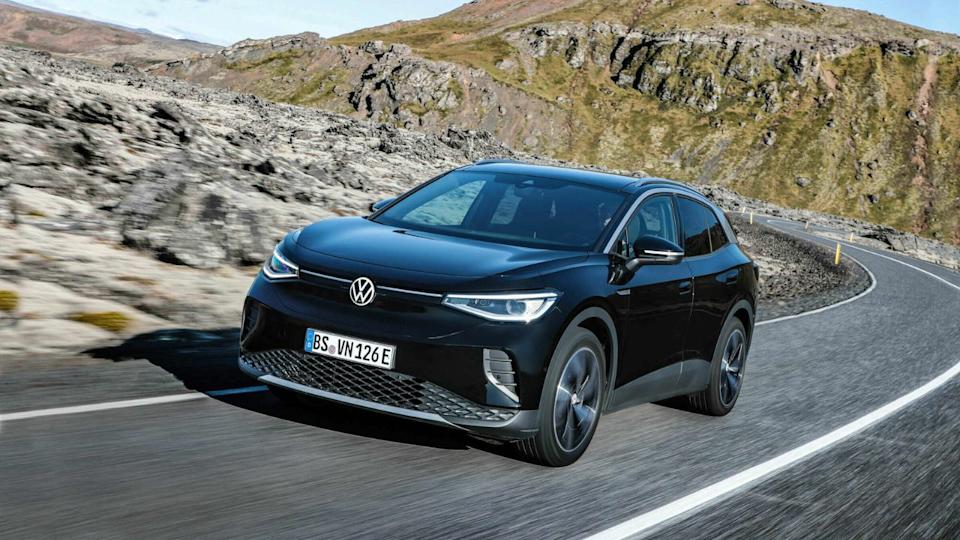
Photo Courtesy: Volkswagen.
The recall is focused on vehicles built on Volkswagen Group’s MEB electric platform. That means it reaches far beyond a single nameplate and instead touches much of Volkswagen’s modern EV family, including the ID.3, ID.4, ID.5, ID. Buzz, ID. Buzz Cargo, and Cupra Born.
According to reporting based on Germany’s Federal Motor Transport Authority, the campaign covers 74,579 Volkswagen ID models and 19,452 Cupra Borns, for a total of 94,031 vehicles worldwide. The affected Volkswagen-branded vehicles were built between June 24, 2023, and August 23, 2024, while the affected Cupra Borns were produced between February 7, 2022, and April 21, 2024.
That broad scope explains why the recall has drawn so much attention. This is not a niche technical fix on a limited-run model but a campaign that reaches some of the group’s best-known EVs at a time when battery reliability remains one of the most closely watched issues in the electric car market.
What The Battery Issue Means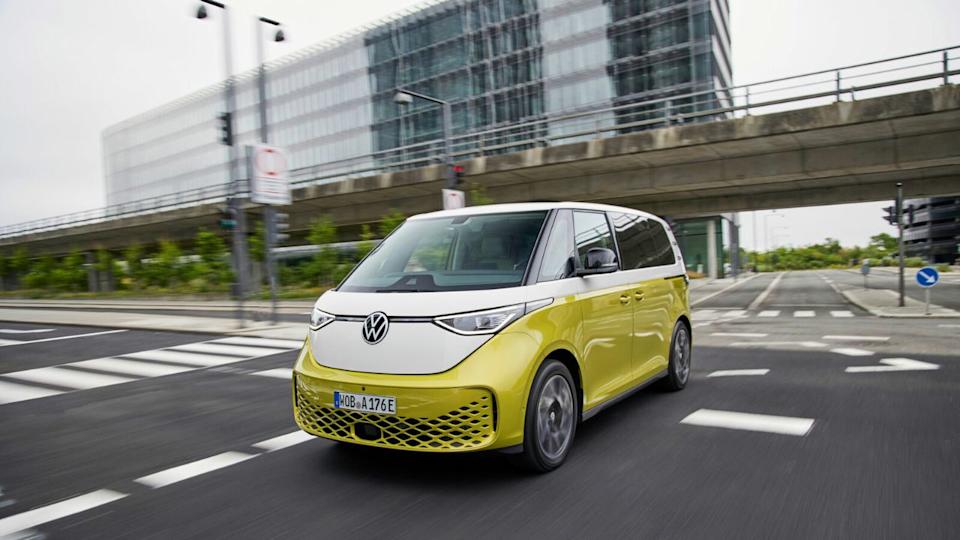
Photo Courtesy: Volkswagen.
The underlying problem involves individual modules inside the high-voltage battery that may not meet specifications. If one of those modules is faulty, it can create a voltage difference between cells, which may trigger a warning light on the dashboard and reduce driving range.
Regulators and industry reports also say there is a potential fire risk in the most serious cases. At the same time, Volkswagen has not reported any known cases of property damage or personal injury linked to this issue so far, which suggests the problem was identified before it led to real-world incidents.
That point matters because recalls involving EV batteries can quickly sound more dramatic than they are in practice. Here, the concern is real enough to justify an official service campaign, but the available reporting does not point to a wave of failures already happening on the road.
What Owners Should Expect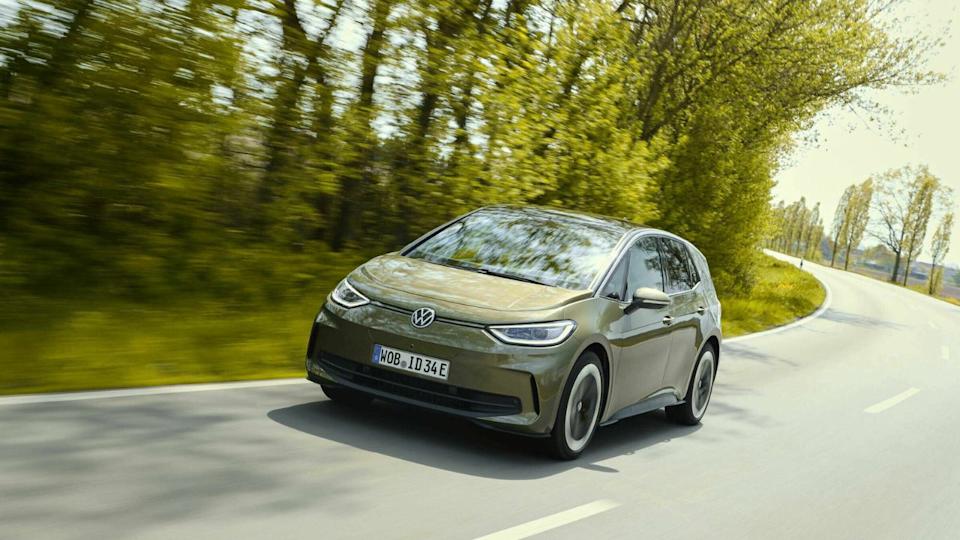
Photo Courtesy: Volkswagen.
In France, affected owners are expected to receive registered letters asking them to schedule a dealer visit. Service centers will inspect the battery pack, update the software for the module monitoring system, and replace any module found to be out of specification.
The length of the repair depends on what the inspection finds. A simple software update can be completed relatively quickly, while a battery module replacement may keep the car in the workshop for several hours. As with any formal recall, the work is covered by the manufacturer.
For Volkswagen Group, this is a reminder of how closely battery quality is now tied to brand confidence in the EV era. For owners, it is a more practical story: if their vehicle is affected, the next step is simply to get the car checked and let the service campaign do its job.
This article originally appeared on Autorepublika.com and has been republished with permission by Guessing Headlights. AI-assisted translation was used, followed by human editing and review.
If you want more stories like this, follow Guessing Headlights on Yahoo so you don’t miss what’s coming next.