
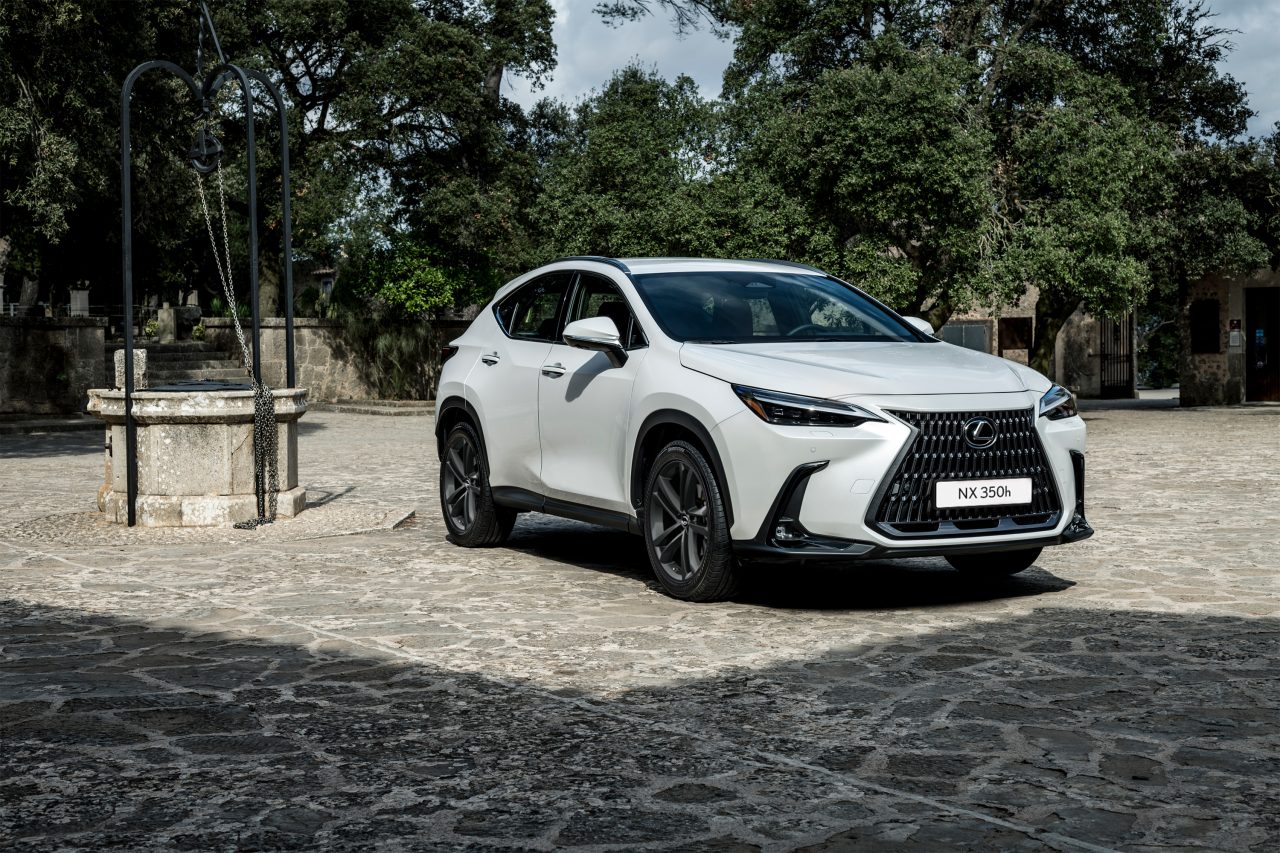
We propose five SUVs available on the Spanish market with HEV or PHEV engines that offer an excellent quality/price ratio
In 2026, the hybrid SUV segment will be defined by the balance between driving feel, materials, and technical reliability. Manufacturers have redoubled their efforts to improve interior finishes, system integration, and ride comfort without sacrificing efficiency. This overview brings together models that stand out for their build quality, ergonomics, and durability, and compares approaches ranging from self-charging hybrids to plug-in hybrids with greater electric range. You’ll find clear differences in positioning, technical focus, and intended use: from SUVs designed for daily mileage to alternatives that prioritize refinement and driver assistance technology.
Who is this ranking for?
This ranking is based on market data, official specifications, and published tests. It is intended for those who value materials, assembly, and user experience over purely commercial arguments, without losing sight of operating costs and adaptability to real-world use.
If you drive a lot of miles and need a durable car, this content will help you prioritize efficiency and build quality. Whether you want a hybrid for comfort and safety for the family, or a PHEV to reduce fuel consumption in everyday driving, here you’ll find the models that best suit your needs and expectations.
What details have we analyzed?
Market positioning, official technical specifications (WLTP power and consumption), electric or estimated range, quality of materials and adjustments, ergonomics and user experience, and the price/technical approach ratio have been considered for each proposal within the hybrid SUV segment.
Ranking of the highest quality hybrid SUVs on the market
Toyota RAV4 Hybrid (from €46.825*)
Indicative price without applying public aid or commercial discounts from the brand.
Why is it here? The RAV4 combines a proven hybrid architecture with a focus on durability and interior space. Its enhanced finishes, available in 2026, reinforce the perception of quality, and the fine-tuning prioritizes long-term comfort and reliability.
Ideal for: Drivers who prioritize reliability, mixed daily use, and long journeys with low operating costs.
Pros:
Efficient hybrid battery with a proven track record of reliability.
Space and careful ergonomics in front and rear seats.
Predictable maintenance and extensive service network.
Cons:
Less luxurious interior design compared to premium rivals.
Dynamic behavior geared towards comfort rather than sporty feel.


Lexus NX 350h (from €55.350*)
Indicative price without applying public aid or commercial discounts from the brand.
Why is it here? Lexus prioritizes high-quality finishes and fit and finish, the integration of soft-touch materials, and superior sound insulation. The hybrid architecture strikes a balance between performance and refinement for the discerning driver.
Ideal for: Those looking for a hybrid SUV with a premium finish and attention to interior details.
Pros:
Robust interior finishes and insulation.
Hybrid system tuned for smooth driving.
Complete safety equipment and driving aids.
Cons:
High access price compared to non-premium alternatives.
Lower load capacity than some competitors in the segment.
Volvo XC60 Recharge (PHEV) (from €66.450*)
Indicative price without applying public aid or commercial discounts from the brand.
Why is it here? The XC60 Recharge combines high-performance tactical materials with a focus on structural safety. As a PHEV, it offers moderate electric range, improving comfort and reducing fuel consumption in urban driving.
Ideal for: Users seeking a premium experience with an emphasis on safety and the ability to drive in regular electric mode.
Pros:
Premium quality materials and assembly.
Strong driver assistance and safety package.
Electric mode useful for city driving.
Cons:
High price and acquisition cost.
The additional weight from the PHEV system affects driving dynamics and fuel consumption outside of the city.
Kia Sportage Hybrid (from €29.780*)
Indicative price without applying public aid or commercial discounts from the brand.
Why is it here? The Sportage offers a competitive price/quality ratio, with improvements in interior fittings and a hybrid configuration that prioritizes efficiency and a low initial cost.
Ideal for: Buyers looking for generous equipment per euro and low running costs.
Pros:
Competitive quality/equipment ratio.
Consumption levels in everyday use.
Warranty and attractive technical package.
Cons:
Perception of luxury lower than premium brands.
It falls short in some fine-tuning compared to more expensive competitors.
Ford Kuga PHEV (from €33.542*)
Indicative price without applying public aid or commercial discounts from the brand.
Why is it here? The Kuga PHEV offers electric versatility for everyday use and balanced dynamic performance. Its technical approach aims to reduce fuel consumption without compromising interior practicality.
Ideal for: Users who want to reduce consumption on urban journeys but retain range for long trips.
Pros:
Electric autonomy useful for daily commutes.
Balanced dynamic behavior and spacious parking spaces.
Complete technology package in security and connectivity.
Cons:
The weight and complexity of the PHEV system can increase long-term maintenance.
Entry price above non-electrified variants.
The prices shown in this ranking are indicative and do not include any public aid or brand discounts.
Technical comparison
Córdoba
Autonomy
Power
Consumption
Speed
Price (€*)
Toyota RAV4 Hybrid
More than 1.000 km
183 CV
4,9 l / 100 km
180 km/h
46.825 € *
Lexus NX 350h
Around 970 km
242 CV
5,7 l / 100 km
190 km/h
55.350 € *
Volvo XC60 Recharge (PHEV)
Electric range 77 km
335 CV
2,7 l / 100 km
230 km/h
66.450 € *
Kia Sportage Hybrid
More than 700 km
239 CV
5,5 l / 100 km
196 km/h
29.780 € *
Ford Kuga PHEV
Electric range 56 km
243 CV
5,2 l / 100 km
200 km/h
33.542 € *
This data is official and taken from the official websites of the brands.
Purchase incentives in 2026: Auto+ Plan and tax benefits
The Auto+ 2026 Plan replaces the previous MOVES programs and establishes a new system of direct subsidies for the purchase of electrified vehicles in Spain. The measure aims to accelerate the renewal of the vehicle fleet towards solutions with lower emissions and greater energy efficiency.
Main amounts of the Auto+ Plan 2026
Direct aid of up to €4.500 for electric passenger cars.
Up to €5.000 for light vans category N1.
Retroactive effect from January 1, 2026.
Approximate budget allocation of 400 million euros.
Who can benefit and priority criteria
Individuals, the self-employed, and companies will be eligible, applying the EEE (Electrical, Economic, and European) criteria. The Plan favors BEVs over PHEVs and gives additional priority to vehicles priced below €35.000. Vehicles priced between €35.000 and €45.000 receive reduced subsidies. The assembly or origin of batteries within the European Union is encouraged.
Additional requirements and tax advantages
The plan requires a minimum discount of €1.000 from the dealership and includes a 15% tax deduction on personal income tax, up to a maximum of €3.000. This tax benefit remains in effect until December 31, 2026.
Management and possible regional aid
The program is managed by the Ministry of Industry in conjunction with the Autonomous Communities. Additional regional programs may exist, such as the Cambia 360 Plan in the Community of Madrid. As of the date of writing, it has not been officially confirmed whether these regional subsidies are compatible with the Auto+ 2026 Plan.
FAQ · The 5 questions everyone asks
How long does a hybrid battery last?
Modern hybrid batteries typically come with manufacturer warranties of 8 years or 160.000 km. Actual lifespan depends on usage, charging cycles, and weather conditions; proper maintenance and moderate driving help extend it.
Is it expensive to maintain a hybrid SUV compared to a combustion engine one?
Maintenance costs may be similar to or slightly higher for electrical components in PHEVs, but lower fuel consumption and electric operation reduce energy costs. In HEV models, service intervals are typically equivalent to those of gasoline engines, but with lower fuel consumption.
What real-world fuel consumption can I expect in city and highway driving?
In the city, hybrids typically show significantly lower fuel consumption than equivalent combustion engine vehicles due to electric assistance; on the highway, the savings decrease. PHEVs are dependent on charging frequency: without recharging, the electric advantages are barely noticeable.
When is it better to choose a PHEV versus a HEV?
If you can charge daily and your journeys are mostly urban, a PHEV can significantly reduce costs. If you don’t charge regularly and are looking for simplicity and reliability, a HEV offers savings and less reliance on infrastructure.
Does demand influence perceived quality and revaluation?
Models in high demand typically offer a better service network and greater ease of resale, which is a practical factor to consider. The perception of quality is reinforced when there is after-sales support and spare parts availability.
Expert’s Conclusion
This list shows that in 2026, quality in hybrid SUVs is no longer the monopoly of a single brand: there are alternatives that combine materials, ergonomics, and technology with different technical approaches. For the buyer, this means they can prioritize reliability, finish, or electric capability depending on their needs, without sacrificing a reasonably refined driving experience.
If you want to get the most for your money, first look at the actual starting price and what’s included as standard. If the model is in high demand, it’s usually easier to resell later. And if you drive a lot of miles, energy costs and efficiency matter more than horsepower. If you don’t charge often, don’t buy from a catalog; buy based on your needs. Among the listed models, look for the balance between value for money (Sportage, RAV4) or safety and premium finish (Lexus, Volvo) depending on your usage.