
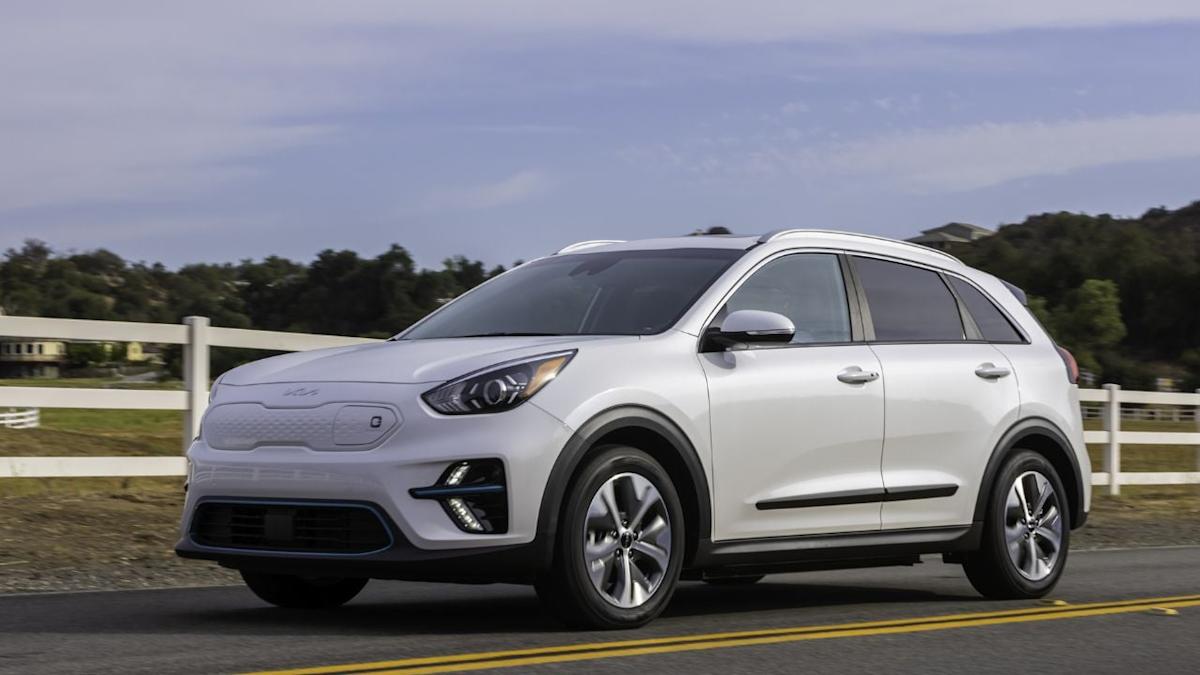
Gasoline gets your attention in a very different way once the national average pushes past $4. According to AAA, regular was averaging $4.031 a gallon on April 23, 2026, which means even ordinary commuting can start to feel more expensive than it should.
That is exactly why used EVs look more appealing now than they did a year ago. iSeeCars found that non-Tesla used EV prices fell 3.6% from September 2025 to January 2026, landing at an average of $23,738. That keeps putting more realistic electric options within reach for buyers who are tired of watching fuel receipts pile up.
The good news is that “cheap” no longer has to mean strange, flimsy, or impossible to live with. The used market now offers a real spread of electric hatchbacks, compact crossovers, and small sedans that can take daily fuel costs out of the conversation altogether.
So the real question is no longer whether a used EV bargain exists. It is whether you want the cheapest possible escape from $4 gas, or the one that fits your life so well that you stop thinking about the gas station entirely.
How These 10 Were Chosen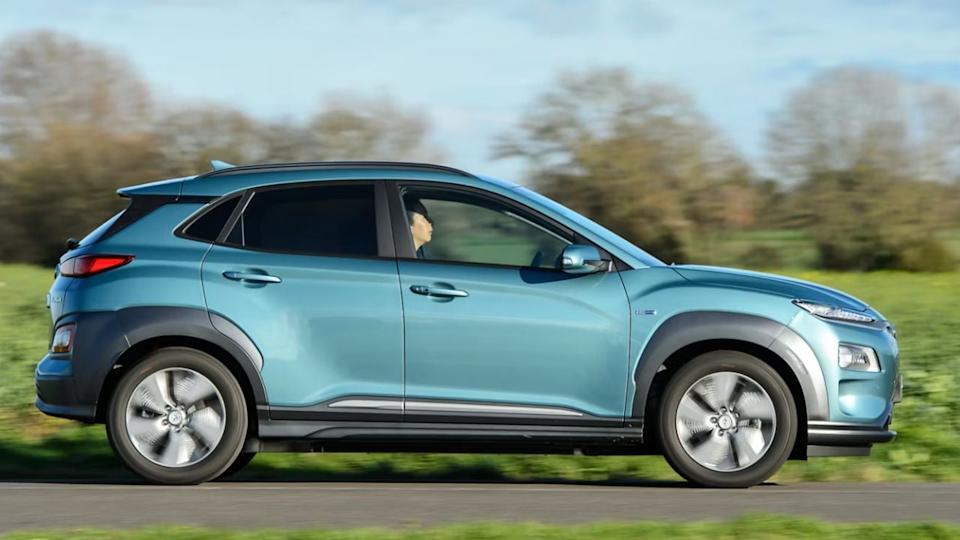
Image Credit: Hyundai.
This list focuses on used battery-electric vehicles that are broadly available in the U.S. market right now, not plug-in hybrids and not rare six-figure curiosities. I prioritized models that either average below about $25,000 on today’s used market or repeatedly show asking prices in the teens, because the headline is about affordability, not aspiration.
I also gave extra weight to vehicles with enough EPA-rated range to serve as real commuters, with special credit going to the ones that can genuinely replace a gasoline car for most households. Models with shorter range made the cut only when their pricing is low enough to make sense as urban cars or second vehicles.
Just as important, this is not one type of answer repeated ten times. Some of these EVs are true daily-driver replacements. Others are best understood as clever commuter tools that make expensive gasoline someone else’s problem. That distinction matters, especially in the used market.
Current gas prices and current used EV values both shape this list, so think of it as a snapshot of April 2026 rather than a timeless ranking. The result is a mix of deep bargains and more complete used EVs that still look financially smart when regular is sitting above $4 a gallon.
Chevrolet Bolt EV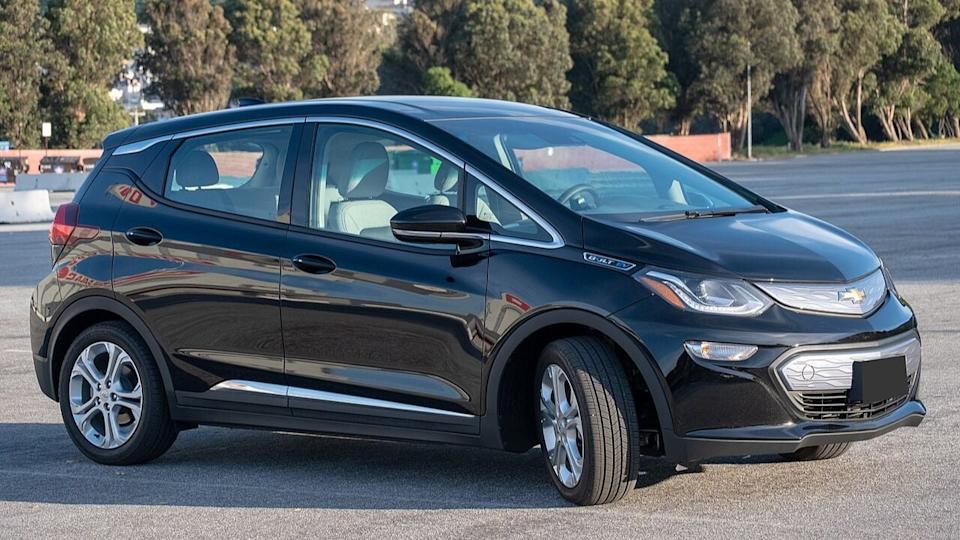
Image Credit: Gregory Varnum – Own work, CC BY-SA 4.0/Wiki Commons.
The Chevrolet Bolt EV is still the cleanest answer for most buyers because it combines serious range with seriously approachable pricing. Edmunds says used Bolt EVs are averaging in the mid-$14,000 range, which keeps the car comfortably inside bargain territory without forcing buyers into a stripped-down science project.
More importantly, later Bolts offer up to 259 miles of EPA-rated range. That changes the conversation completely. This is not just a city car or a backup commuter if your driving pattern is normal. It can handle work, errands, and plenty of weekend use without asking you to organize your life around the charger.
It is not glamorous, and that is almost part of the appeal. The Bolt EV is one of the smartest ways to walk away from $4 gasoline without making the rest of your life harder. Just shop carefully and pay attention to battery-history paperwork, because the best used examples are the ones that combine low running costs with the most confidence.
Chevrolet Bolt EUV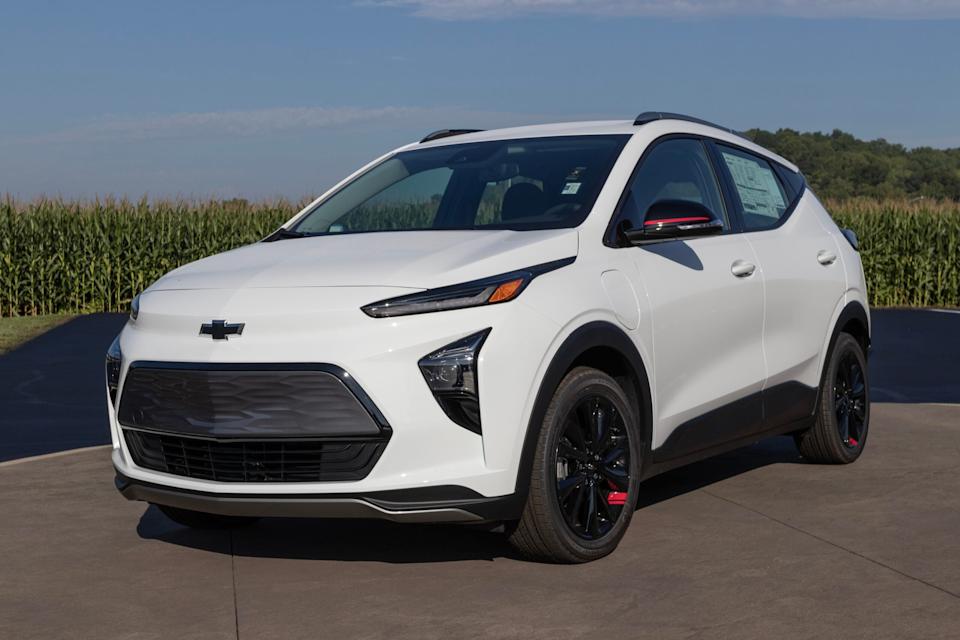
Image Credit: Jonathan Weiss / Shutterstock.
The Bolt EUV takes the same basic formula and makes it feel a little easier to live with. Used examples are averaging in the high-$17,000 range, and the EUV’s 247-mile EPA range is still enough to make most gas-station visits disappear from daily life.
The bigger draw is the shape. The EUV is the more upright, more crossover-flavored sibling, and that gives it a more relaxed entry point for buyers who want EV savings without dropping into a tiny hatchback. It does not pretend to be premium, but it does feel roomy enough and normal enough to work for households that simply want the easiest possible transition away from gasoline.
That is why the Bolt EUV works so well in this category. It is not here to impress anyone with theater. It is here to get through a season of expensive fuel with something practical, useful, and financially believable.
Nissan Leaf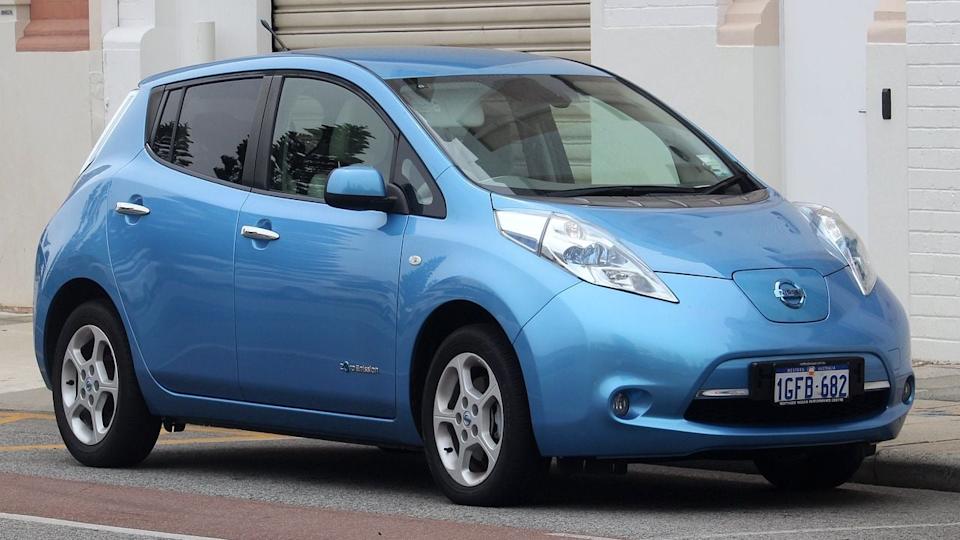
Image credit: EurovisionNim – Own work, CC BY-SA 4.0/ Wiki commons.
The Nissan Leaf remains one of the easiest used EV bargains to understand because there are so many of them, and the prices have come down far enough to make experimentation affordable. Edmunds says used Leafs now average a little above $11,000, which keeps the model well inside budget territory for buyers who want maximum savings first.
The catch is that not every Leaf makes the same argument. Standard second-generation cars are rated at 149 miles, while Leaf Plus models reach 226 miles. That means the better answer is usually to stretch for the larger-battery version if you can, because it turns the car from a short-leash commuter into something much more flexible.
Buy carefully, skip the earliest low-range examples unless your routine is tiny, and the Leaf still makes a strong case. It is one of the cheapest serious answers to expensive fuel, but only if you choose the right version and match it honestly to your daily life.
Hyundai Kona Electric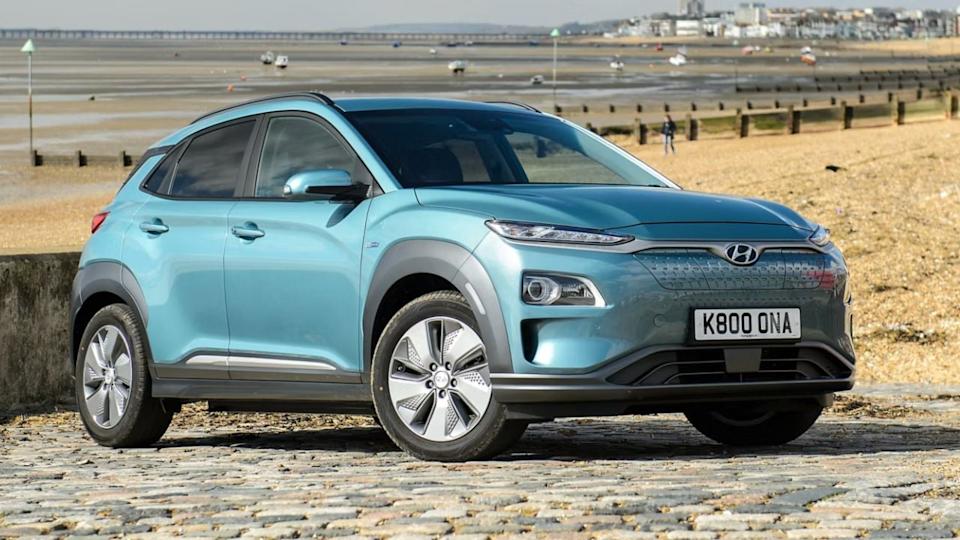
Image Credit: Hyundai.
The Hyundai Kona Electric is one of the strongest all-around values in this whole field because it behaves like a normal small crossover while still offering range that feels genuinely modern. Edmunds says used examples average about $20,400, which is not bargain-basement cheap, but still reasonable given what the car delivers.
Just as important, the Kona Electric’s longer-range setup is rated at about 258 to 260 miles. That gives it enough reach to work as a real household car, not just a budget curiosity. It is compact, easy to park, and less visually odd than many early EVs, which helps it slide into daily life without much adjustment.
For buyers who want fuel savings without giving up crossover familiarity, this is one of the safest bets in today’s used market. It feels like a normal answer to an annoying gas-price problem, and that is often exactly what people want.
Kia Niro EV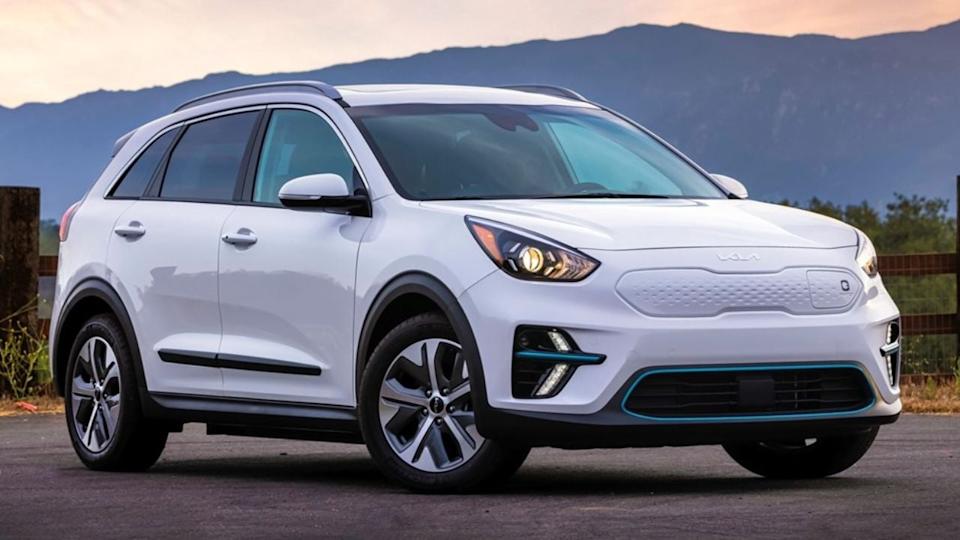
Image Credit: Kia.
The Kia Niro EV deserves more attention because it quietly solves a lot of problems at once. Used examples are averaging around $20,500, which places the Niro EV in the same affordability conversation as the Kona Electric without making it feel like a stripped-down compromise.
The character is a little different, though, and that is part of the charm. The Niro feels more mature, more wagon-like, and a little less eager to play the crossover costume game. Earlier versions offered about 239 miles of EPA range, and later ones pushed the number higher, so even older examples still make practical sense as real daily drivers.
This is one of the most complete used EVs in the affordable range. It is not the cheapest name here, but it is one of the easiest to recommend to someone who wants their electric car to feel quietly sensible rather than obviously experimental.
Tesla Model 3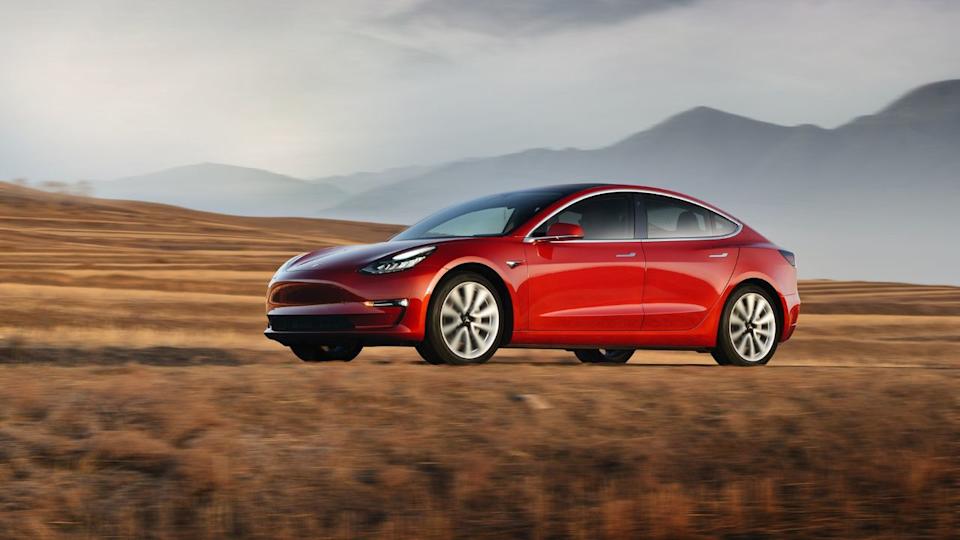
Image Credit: Sport car hub / Shutterstock.
The Model 3 is no longer the unreachable electric status symbol it once seemed to be. Edmunds says used Model 3s are now averaging about $19,400, which puts them well inside the reach of shoppers who once assumed Tesla ownership would stay out of budget.
The range spread is a big part of the story. Depending on version, the Model 3 spans roughly 210 to 363 miles, which means used shoppers have real choices. You can chase the cheapest entry point, or you can spend more for a longer-legged version that feels much closer to a one-car solution.
The bigger appeal is that the Model 3 still feels like a modern EV rather than an early compromise. It remains quick, familiar, and widely recognized, which helps justify the extra money over the very cheapest bargains. It is not the lowest-cost answer on this list, but it is one of the strongest ways to step out of the gas-price cycle without feeling like you settled.
Hyundai Ioniq Electric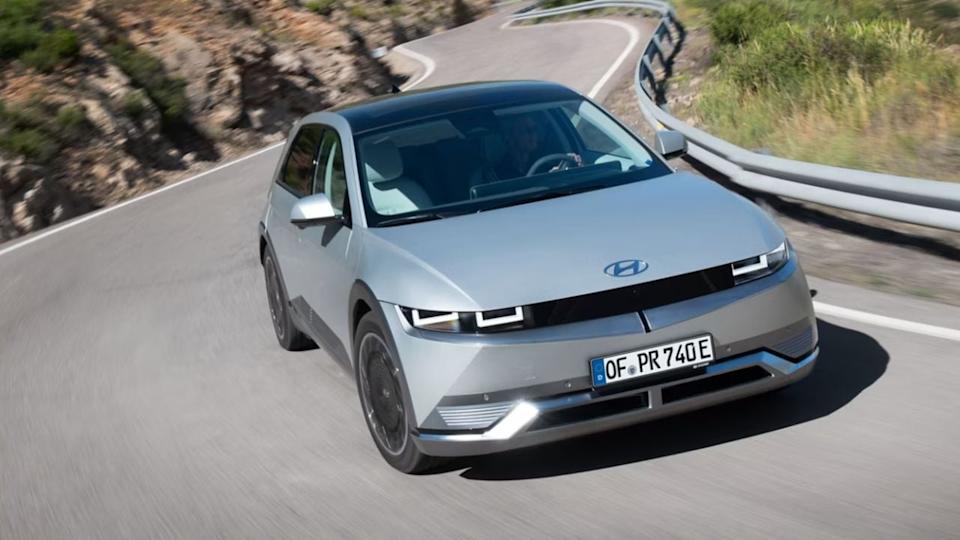
Image Credit: Hyundai.
The Ioniq Electric is one of the more underrated used EV buys because it does not shout about itself at all. Edmunds says used Ioniq Electric models average about $13,900, with entry points dipping below $10,000, which makes the car an especially tempting answer for buyers who want to keep the transition cheap.
Later versions carry a 170-mile EPA range. That does not make the Ioniq Electric a road-trip hero, but it does make it far more useful than the cheapest first-wave EVs. The bigger advantage is its personality, or rather its lack of unnecessary drama. It looks tidy, drives without weirdness, and gives buyers a hatchback shape that still works for groceries, commuting, and ordinary suburban life.
Sometimes the best escape from expensive gas is simply the quietest one. The Ioniq Electric fits that idea perfectly, especially for buyers who want EV savings without committing to something visually eccentric or financially ambitious.
BMW i3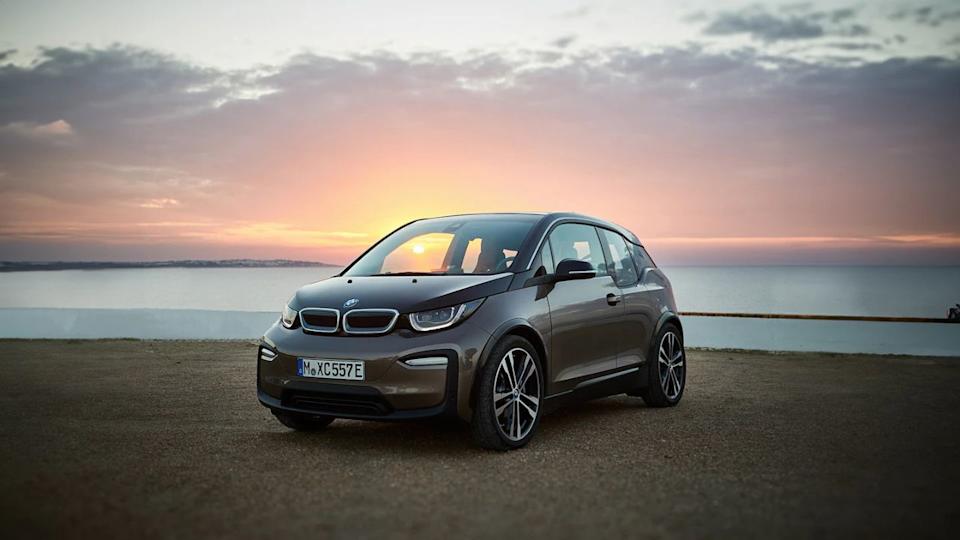
Image Credit: BMW.
A battery-electric BMW i3 is still one of the strangest and most charming ways to stop buying gasoline. Edmunds says used i3s are averaging about $11,800, which keeps the car comfortably in used-EV bargain territory while also buying something that still feels imaginative years later.
The shopping logic is simple. Early cars offered only about 81 miles of EPA range, while 2019 to 2021 battery-electric versions reached 153 miles. That tells you exactly where the sweet spot is. A later battery-electric i3 can be a stylish, lightweight, city-friendly commuter with real personality. The earliest ones are better treated as very specific tools for very specific lives.
Most cheap used EVs are practical purchases first. The i3 still feels like a design statement that happens to make financial sense once gasoline climbs past $4. That alone gives it a place here.
Volkswagen e-Golf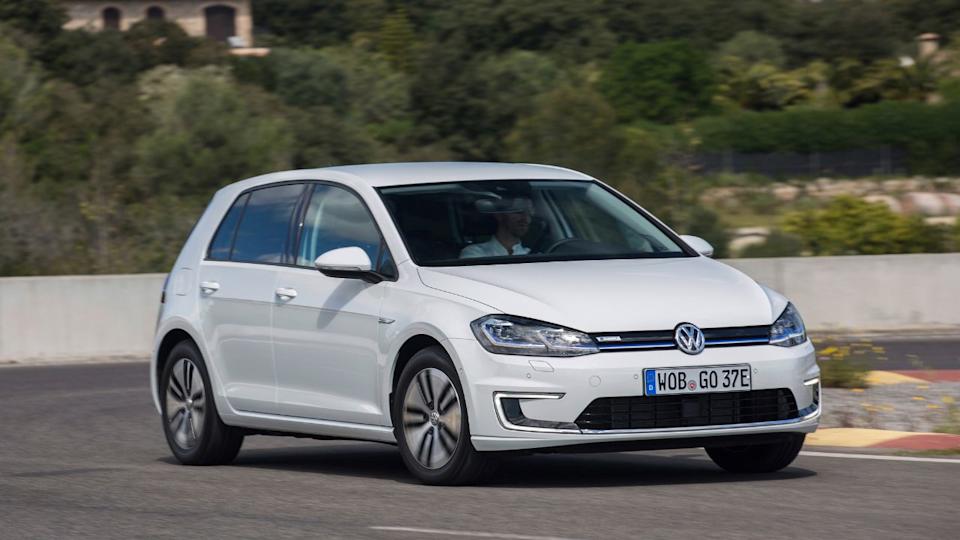
Image Credit: Volkswagen.
The e-Golf makes a strong case for buyers who want an EV that behaves like a normal car in every possible way. Edmunds says used e-Golfs average about $10,350, which keeps the model firmly inside the realistic budget zone for someone who wants to cut fuel costs without inviting extra drama.
The later versions offer a 125-mile EPA range, and that matters because it turns the e-Golf into a genuinely useful commuter rather than a novelty. It also helps that the car preserves the regular Golf’s refinement, practicality, and easy road manners. Some used EVs still feel like experiments. The e-Golf feels like a familiar hatchback that simply stopped using gasoline.
If your commute is reasonable and you want an inexpensive EV that does not require any mental adjustment, this remains one of the most civilized bargains in the segment.
Kia Soul EV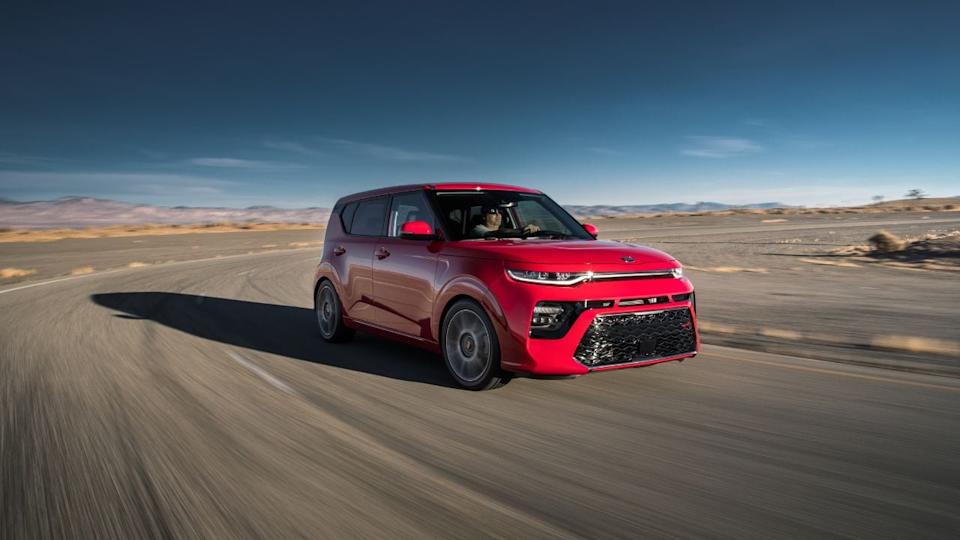
Image Credit: Kia.
The Soul EV is the budget answer for people who care more about avoiding the gas pump than impressing anyone in the parking lot. Edmunds says used examples average around $9,700, with plenty of listings starting much lower, which makes this one of the cheapest honest entries into EV life.
The range is the tradeoff, and it needs to be treated honestly. Older cars generally sit around 93 to 111 miles depending on year, which means this is not the EV to buy for spontaneous long interstate days. It is the EV to buy if your life is mostly commuting, short errands, school runs, and city movement.
In that role, it makes real sense. The boxy shape helps too, because the cabin is roomier and easier to use than many tiny EVs. If you want the cheapest practical escape from expensive gasoline, the Soul EV earns its place.
The Best Relief Might Be Waiting In The Used Market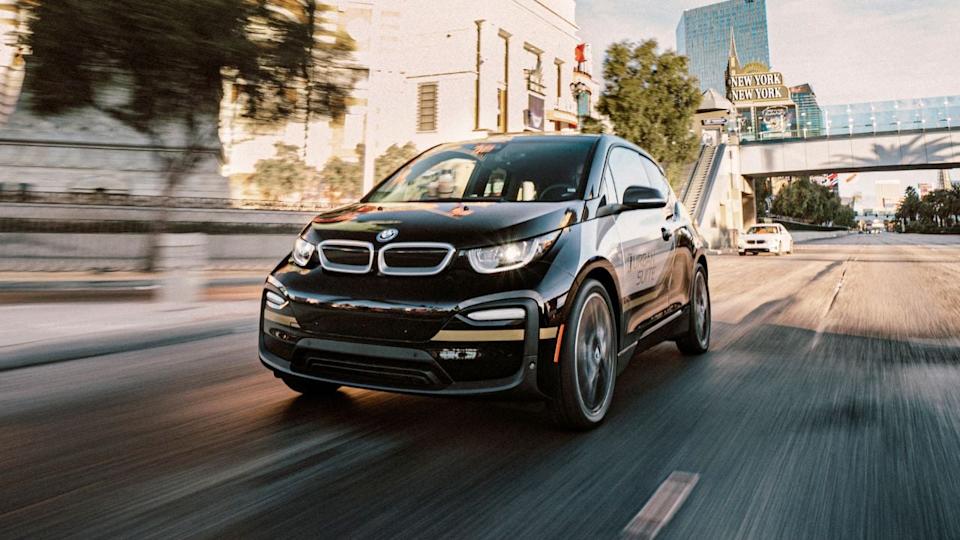
Image Credit: BMW.
Not every used EV on this list is trying to do the same job. Some are genuine replacements for a gasoline daily driver. Some are ideal commuter specials. A few are best understood as cleverly chosen second cars that make expensive fuel feel irrelevant most of the week.
That is what makes this category so interesting right now. When regular gasoline is averaging just over $4 a gallon and the used EV market is still giving buyers room to shop below the broader non-Tesla used-EV average, the smartest move may not be squeezing a little more patience out of your current gas car. It may be stepping into something electric, used, and already depreciated enough to make the switch feel realistic.
So what do you want from the next stretch of expensive fuel: frustration every week, or a quieter routine that simply costs less to live with? The best used EV here is not necessarily the flashiest one. It is the one that makes the pump irrelevant often enough that you stop checking the number on the sign.
If you want more stories like this, follow Guessing Headlights on Yahoo so you don’t miss what’s coming next.