
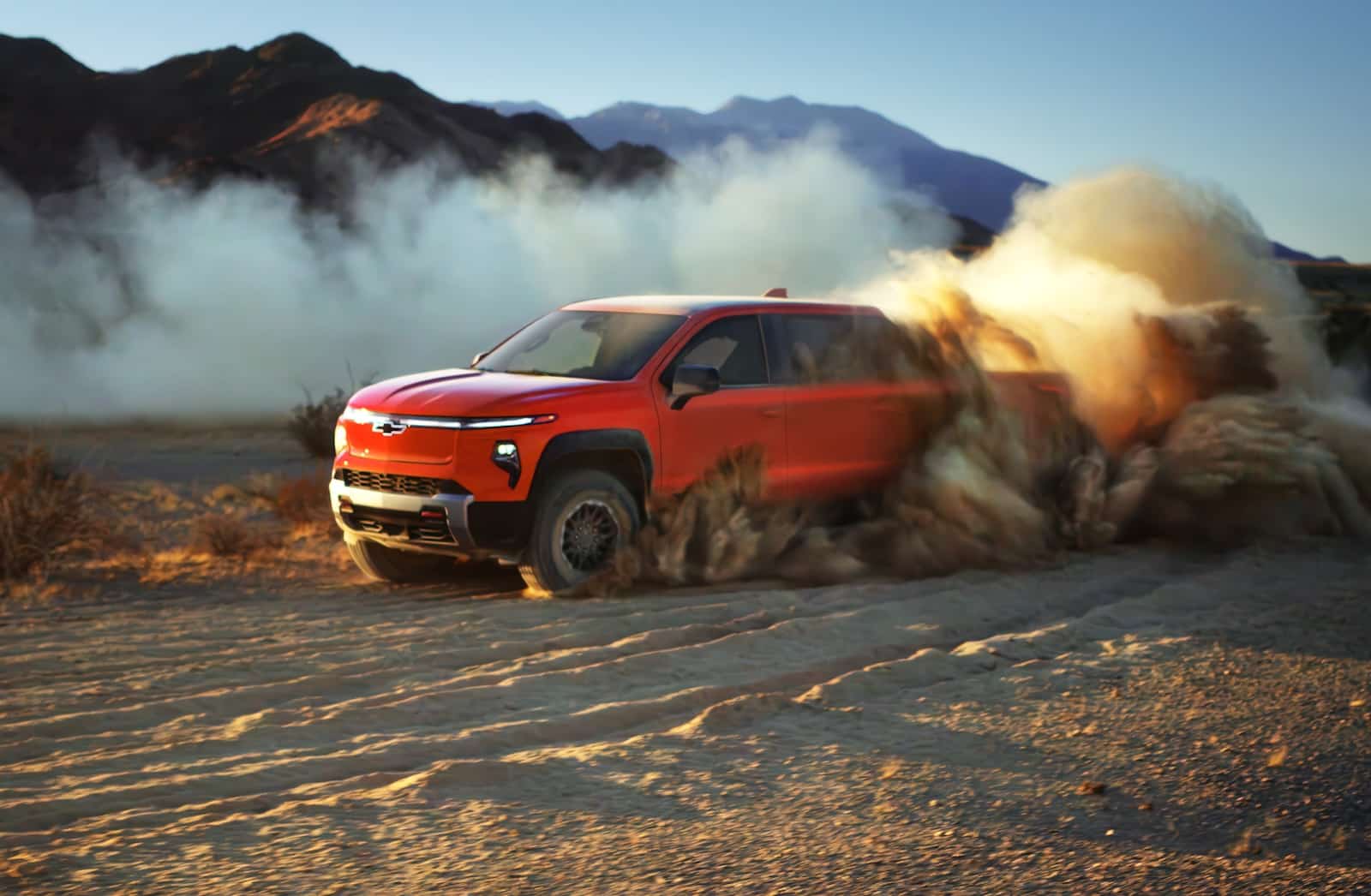
There comes a moment in every truck owner’s life when someone leans in and explains with absolute certainty why charging an electric truck is either impossible, impractical or a plot hatched by people who have never hauled anything heavier than a yoga mat. The claims materialize like conspiracy theories with cup holders. Never mind that those preaching such gospel still think Bluetooth is a dental condition.
Sadly, charging myths have become the folklore of the modern truck world, defended with the kind of enthusiasm usually reserved for barbecue recipes. As you might expect, the truth is simpler and far more convincing.
“CHARGING TAKES TOO LONG”
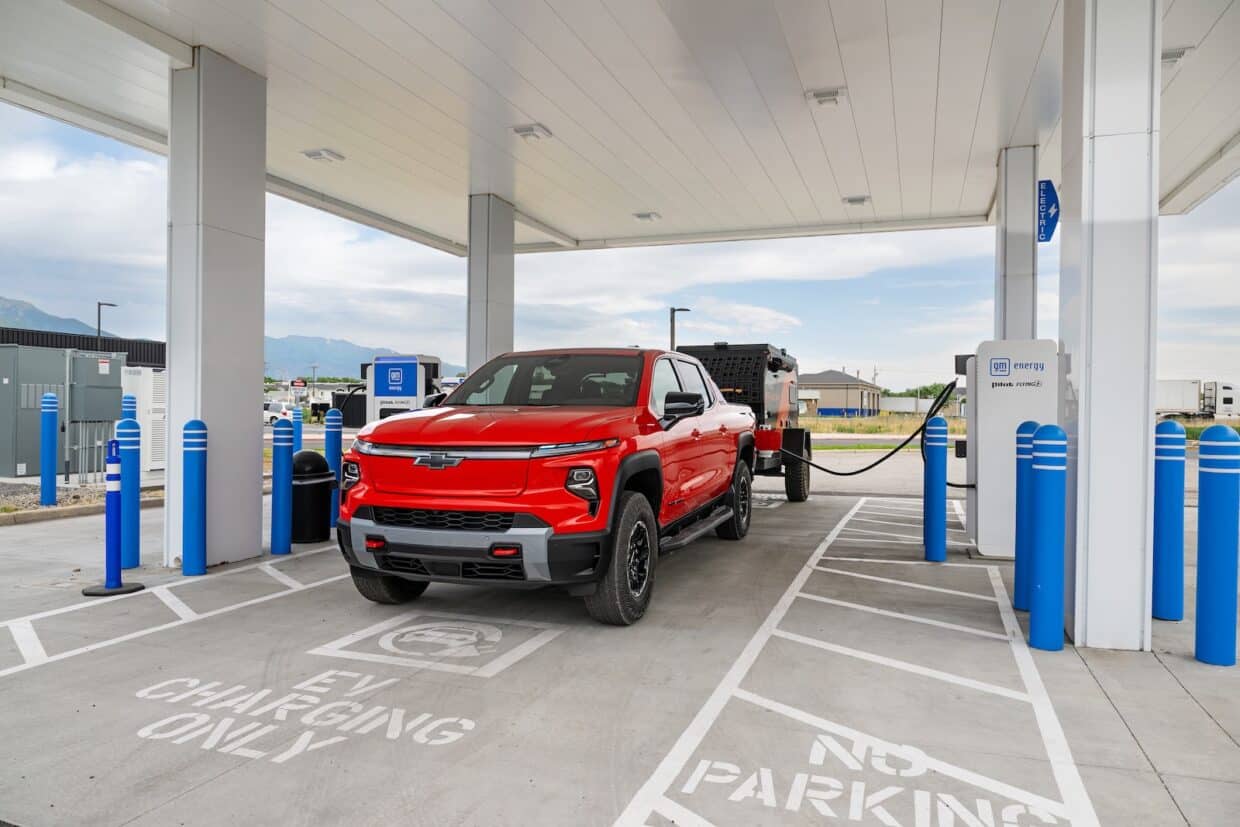 2026 Chevrolet Silverado EV Trail Boss with a camper charging at pull-through charging station. (Photo courtesy of Chevrolet)
That depends on what you mean by long. If you’re thinking in terms of a 110-volt wall outlet, then yes, you’ll be waiting longer than it takes Congress to reach a budget agreement. But that’s not how grown-ups do it. With a DC fast charger, a 2025 Silverado EV can grab about 100 miles of range in the time it takes to walk inside a gas station, look around, use the bathroom and decide you don’t want gas station coffee after all – or about 10 minutes. If you’re idea of a gas station is Buc-cee’s, well, you can recharge a Silverado EV from 10-80%, or about 40 minutes. The point isn’t that charging is instant. It’s that it fits into the rhythm of life more naturally than most care to admit.
“THERE’S NOWHERE TO CHARGE”
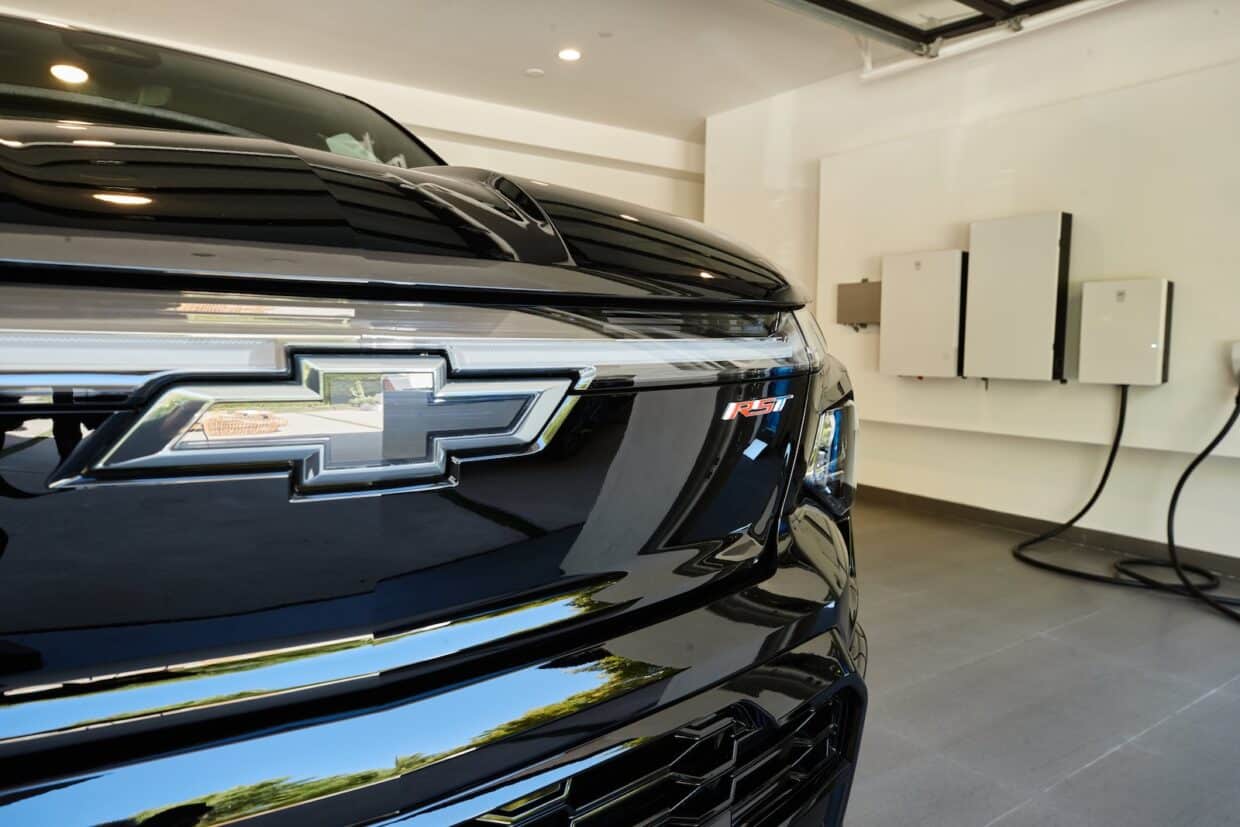 2024 Chevrolet Silverado EV RST in a residential garage with GM Energy home charger. (Photo by Dan MacMedan for General Motors)
This fear misunderstands EVs. Electric trucks are not dependent on public infrastructure in the way that internal combustion vehicles are dependent on gas stations. In reality, most charging happens at home or at a warehouse, workshop or garage overnight, while you’re asleep and drooling on a pillow. Somewhere between 55% and 80% of charging is done this way. Public chargers are not the backbone of electric vehicles like gas stations are for a diesel truck. They’re the safety net. If you’re waiting in line for one frequently, you’ve already misunderstood the assignment. Public chargers are less the main course and more the roadside diner: convenient, but not where you eat every day.
“TRUCKS CAN’T TOW”
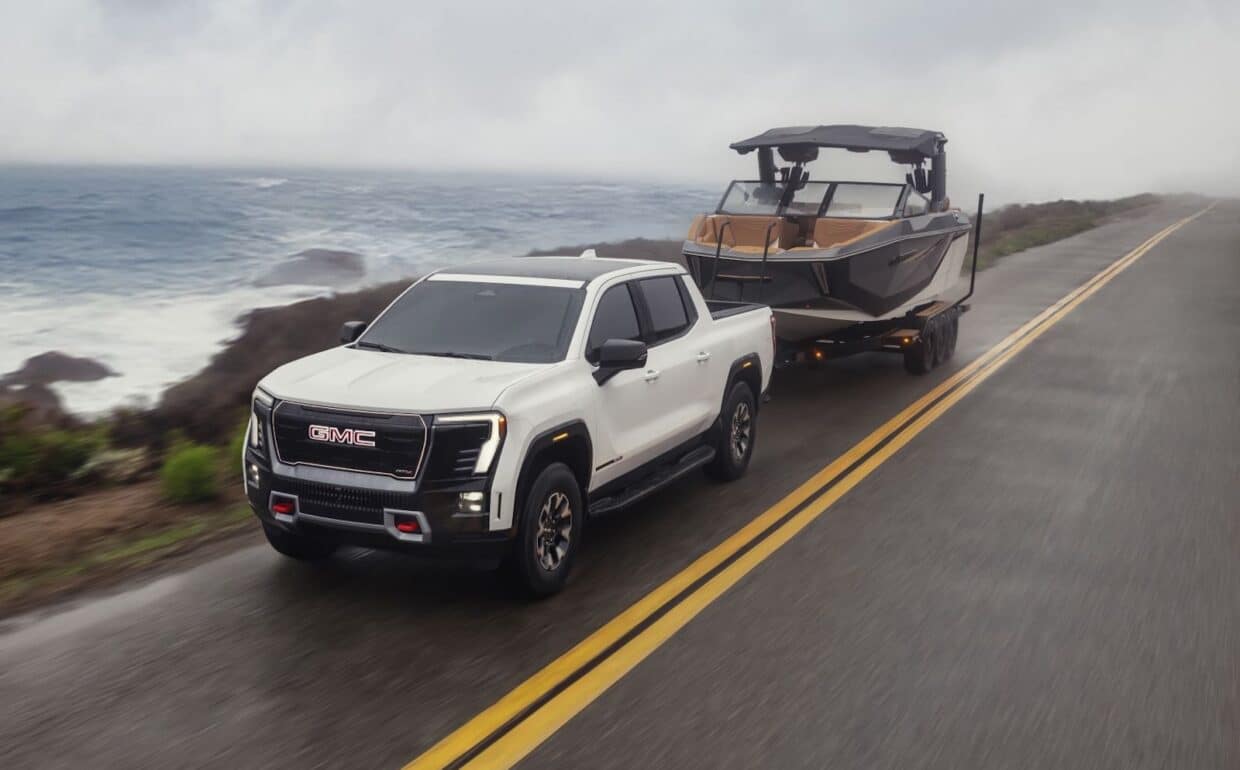 2026 GMC Sierra EV AT4 can tow up to 12,300 pounds. (Photo courtesy of GMC)
Oh yes, they can. What people usually mean is that towing reduces range. Yes, it does. But so does driving uphill, into a headwind, or like some asphalt Andretti. Electric trucks handle towing with an ease that borders on arrogance, thanks to their instant torque. The tradeoff is range, anywhere from a 20-to-50% reduction depending on load, conditions and who you ask. This is not a fatal flaw. It’s merely physics, the same physics that quietly empties a fuel tank faster when you hitch up something heavy, though nobody seems to write dramatic headlines about that.
“BATTERIES DIE IN HOT OR COLD WEATHER”
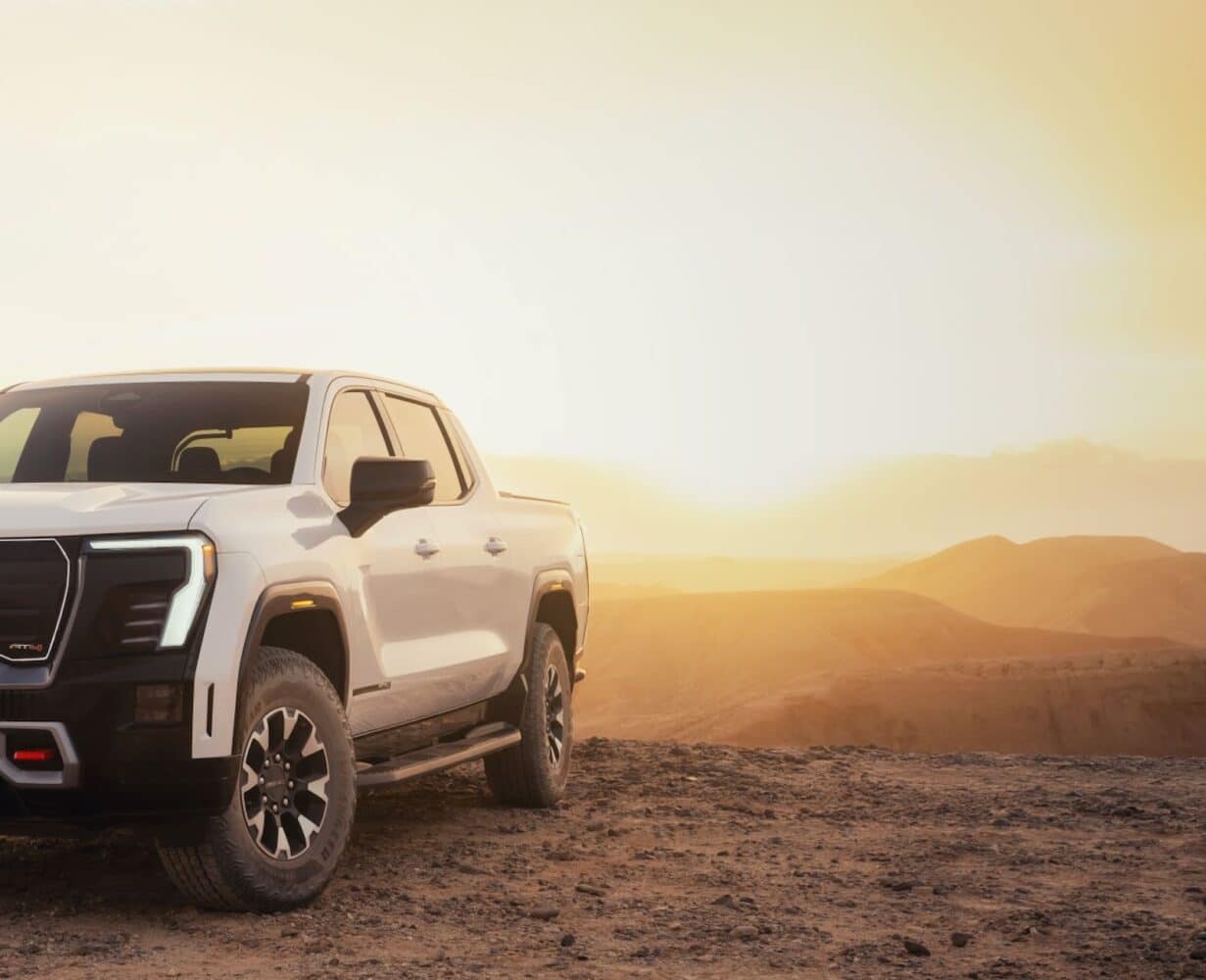 2026 GMC Sierra EV AT4 in Summit White. (Photo courtesy of GMC)
No, they don’t. They behave like every energy component: they become less efficient at temperature extremes. You may lose 10–20% of range in very hot or cold conditions. After all, batteries are like humans. They prefer weather that’s not too hot or not too cold. This is why modern trucks actively manage battery temperature with preconditioning systems that warms or cools your truck’s battery and cabin to an ideal temperature before you start charging or driving. Admittedly, this would have seemed extravagant a decade ago. But these days, the truck adjusts. In other words, your truck handles weather better than you can.
“CHARGING COSTS MORE THAN DIESEL”
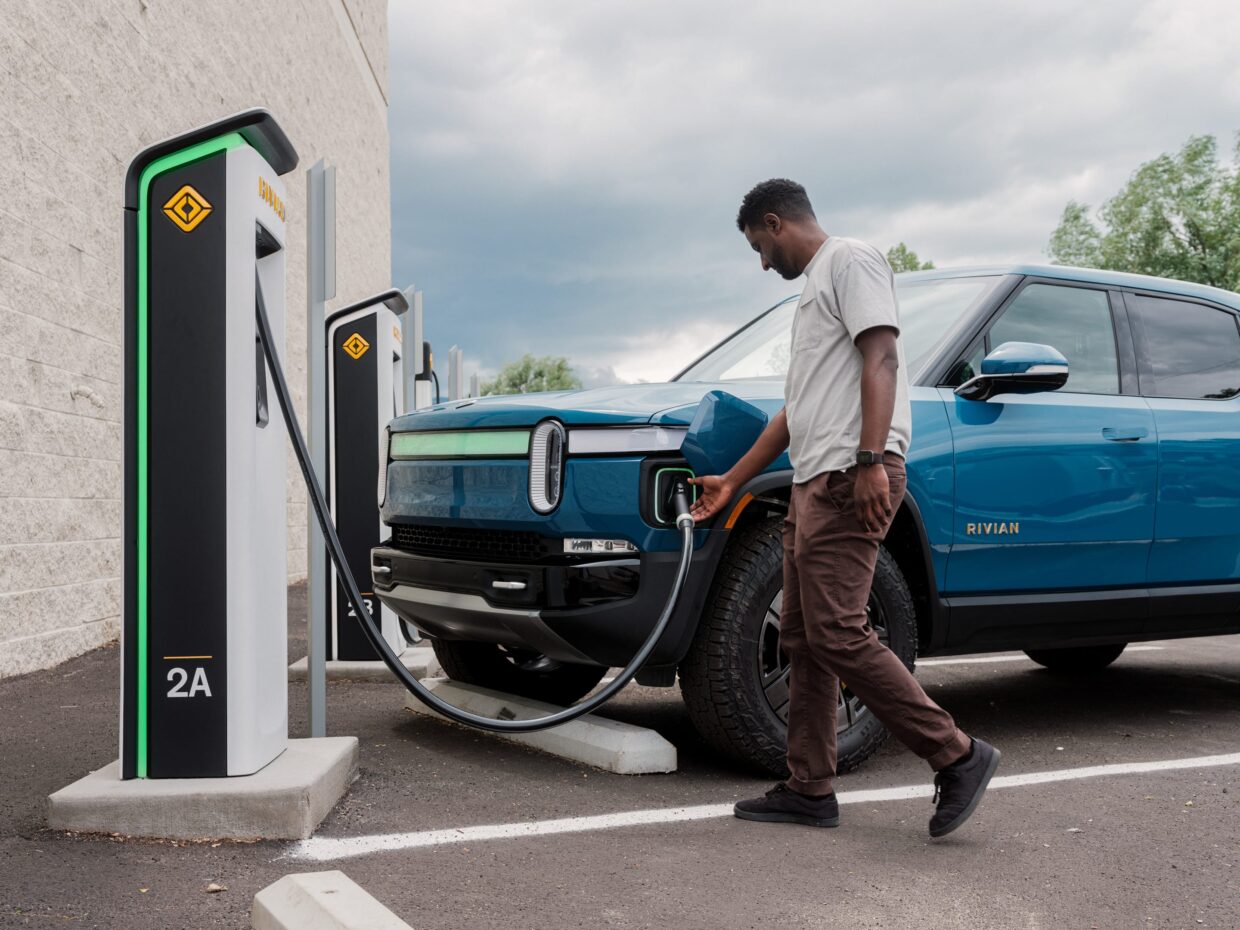 2026 Rivian R1T pick-up. (Photo courtesy of Rivian)
Electricity is almost always cheaper than diesel per mile, and electric trucks come with fewer moving parts and fewer maintenance demands. No oil changes, fewer service visits, less mechanical drama. Over time, the math becomes less of a debate and more of an inevitability. For example, a Chevrolet Silverado with 4WD and a 305-horsepower Duramax Turbo-Diesel inline-six costs 23.1¢ per mile versus a Silverado EV with a 20-module battery, which costs 7.4¢ a mile, according to the EPA. Total cost of ownership is lower, which is a polite way of saying that you keep more of your money, instead of setting it on fire one gallon at a time. If it still seems expensive, you may be clinging less to economics and more to nostalgia.
THE UPSHOT
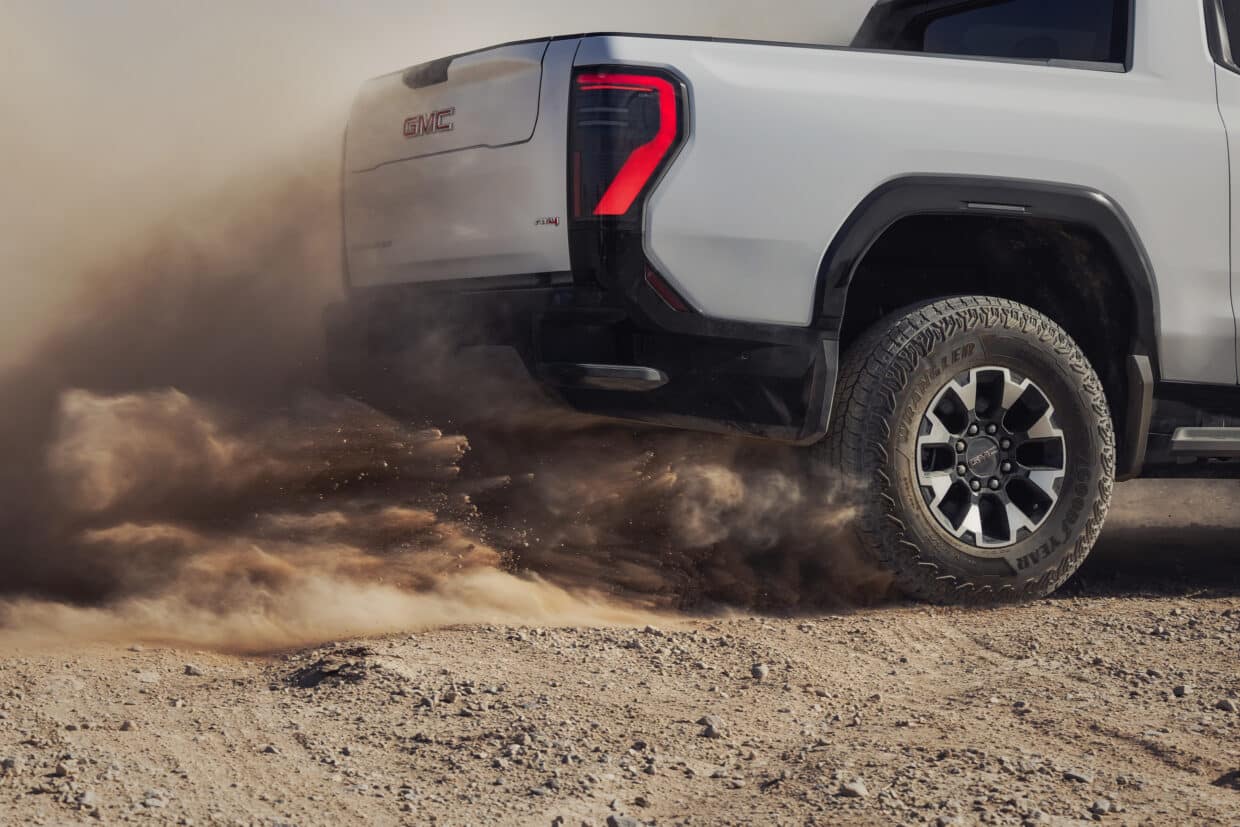 2026 GMC Sierra EV AT4. (Photo courtesy of GMC)
Most of these myths persist because they’re comforting. They allow people to dismiss a changing landscape without having to understand it. But electric trucks simply go about their work quietly, efficiently, and with a growing indifference to the arguments left behind. Electric trucks aren’t perfect, but neither was the first guy who decided to replace a horse with an explosion under the hood. And yet, here we are.
