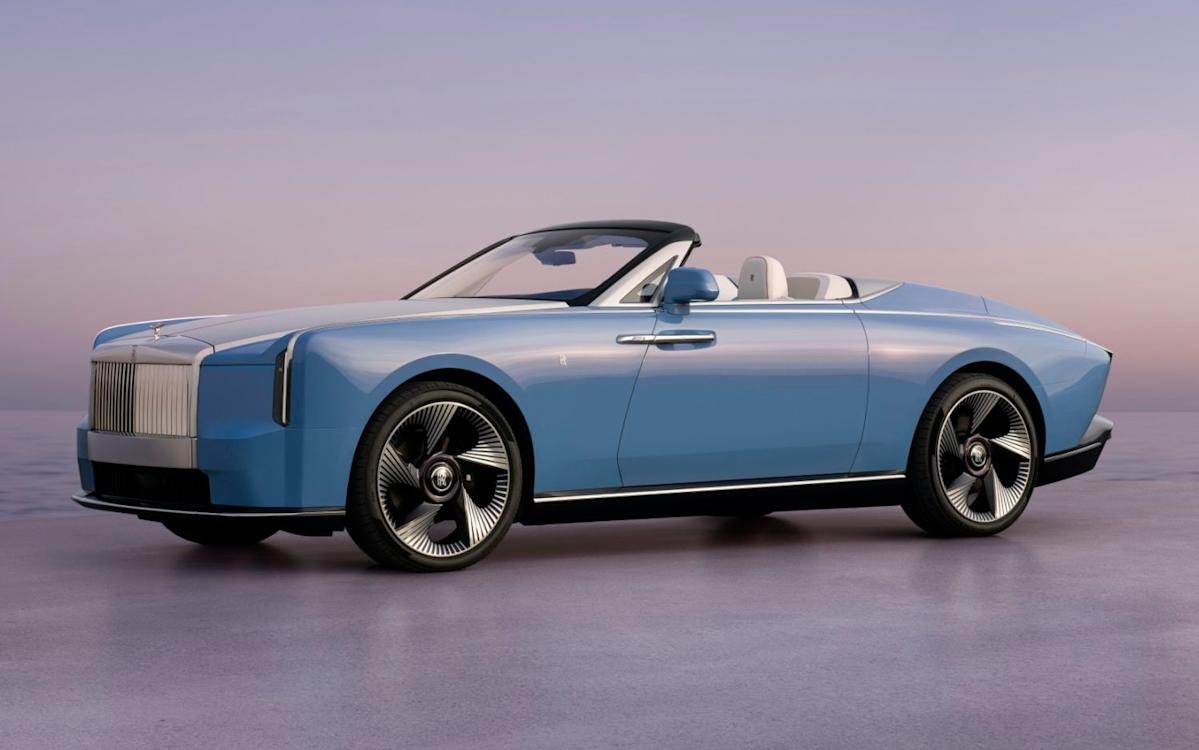
We assembled in a top-secret, highly secure building the size of a couple of tennis courts, somewhere in Sussex. Our select group of journalists stood facing Chris Brownridge, the chief executive of Rolls-Royce, but he looked past us as the Nightingale, Rolls’s new “near-silent” luxury open two-seater electric vehicle, whispered up behind.
I had to act surprised, for I knew what was coming: the previous February I had been one of only three non-Rolls-Royce people to be briefed on the sort of car only the British luxury carmaker could produce.
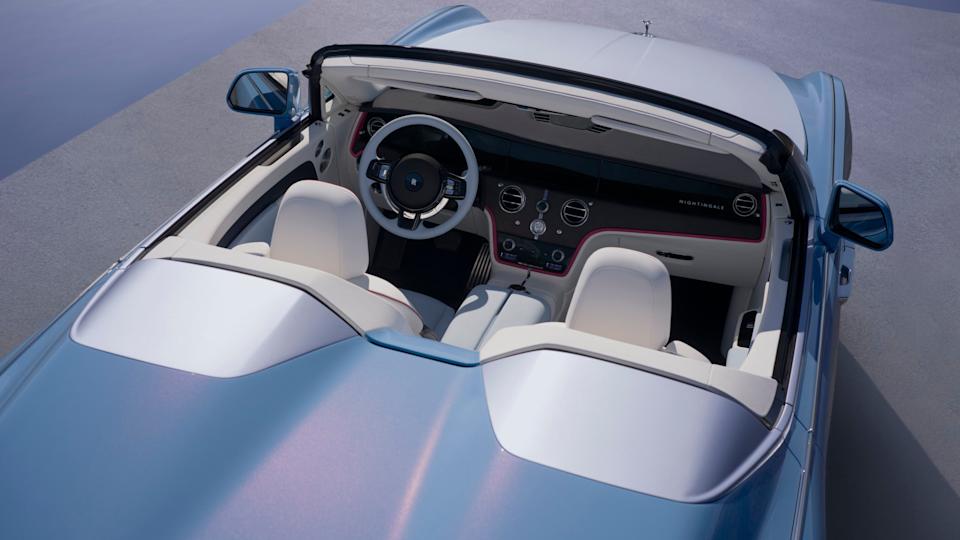
There have been no stolen snaps of the model during testing, no car-geek chatter about its existence, and not the slightest hint of the new model in the public domain
There’s no doubt the Nightingale divides opinion – Telegraph reader comments ranged from “wow” to critical, beautiful to “yeeuch”. The £7.5 million, 5.7m-long convertible, a product of Rolls-Royce’s super-exclusive Coachbuild division revealed to the public on Tuesday, is a car whose beauty is in the eye of the beholder.
A carefully selected group of Rolls-Royce clients were involved at every stage of its concept and development. All 100 Nightingales – the first of Rolls’s Coachbuild Collection range – were sold months before its existence was known.
Importantly, they think it’s a “wow” car.
Veil of secrecy
I had spent more than a year respecting the veil of secrecy around the development of the car, going behind the scenes, attending confidential briefings and visiting “Building 98”, Rolls-Royce’s access-only factory, witnessing its concept and full-sized mock-up in preparation for first deliveries in 2028.
Quite incredibly, since clients were engaged in 2023, there had been no “spyshot” scoops of a disguised car during testing or car-geek chatter about its existence.
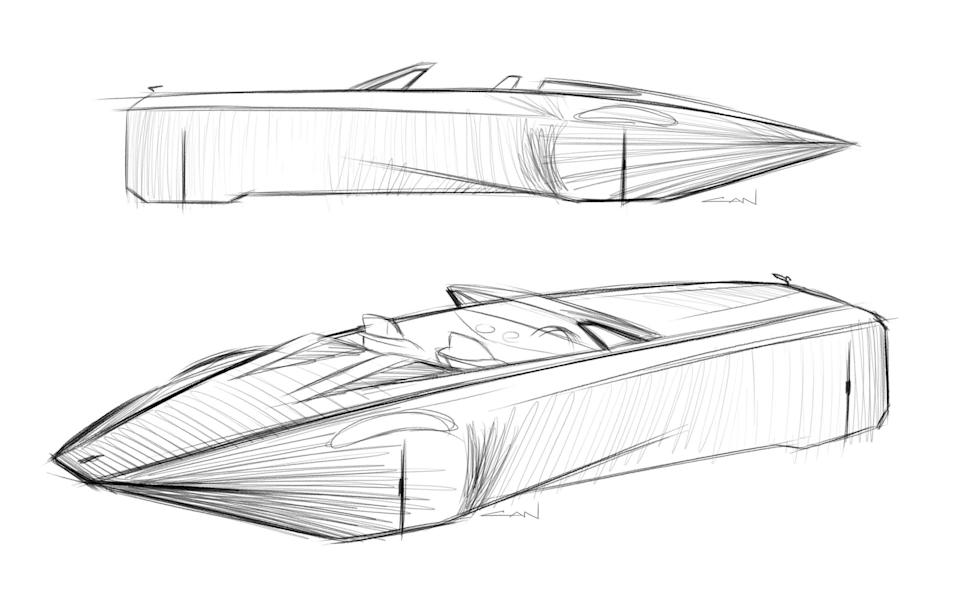
Can Karaismail’s biro sketch of the Art Deco era-inspired car
In January 2025, I received an invitation to a “business update” at Rolls-Royce’s Goodwood HQ the following month. Arriving at reception, I was invited to sign secrecy documents before being relieved of my phone and escorted into a meeting room where Brownridge was waiting alongside Phil Harnett, the firm’s head of future product, several senior executives and PR minders, and Can Karaismail, a designer. They all appeared both edgy and excited.
The imperative of secrecy reinforced, the Nightingale’s impending existence was revealed with an unfolding of mood boards, along with images of the 1920s 16EX and 17EX that inspired it (the 2028 release date is deliberate – it marks 100 years since these rare “experimental cars” hit the roads). Finally, a contemporary outline was shown on screen. Just three or four lines of the silhouette: torpedo-shaped, a long bonnet, a shallow windscreen and an enveloping cabin – like the 16EX and 17EX.
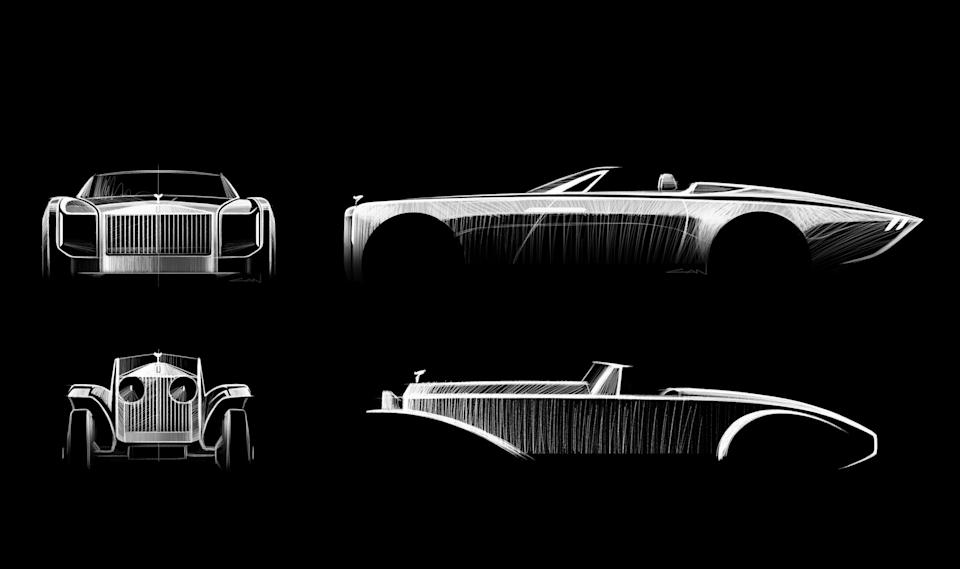
Front and side sketches of Nightingale
Distilled from these near-century-old foundations, the Nightingale’s Coachbuild designers had created a 2020s interpretation. As I chatted with Brownridge, Karaismail was sketching a more representative outline of the Art Deco era-inspired car, using a 50p biro. “It’s big, nearly the size of a Phantom limousine,” said Harnett. The regular Rolls-Royce Phantom measures 5.76m in length, the extended wheelbase (EWB) model being 220mm longer.
Its propulsion system is similar to that of a current Spectre EV. The huge 24-inch-diameter wheels play tricks with perspective, keeping it in proportion and, somehow, the description “open two-seater” makes the mind view it as smaller than it actually is.
Why the Nightingale is important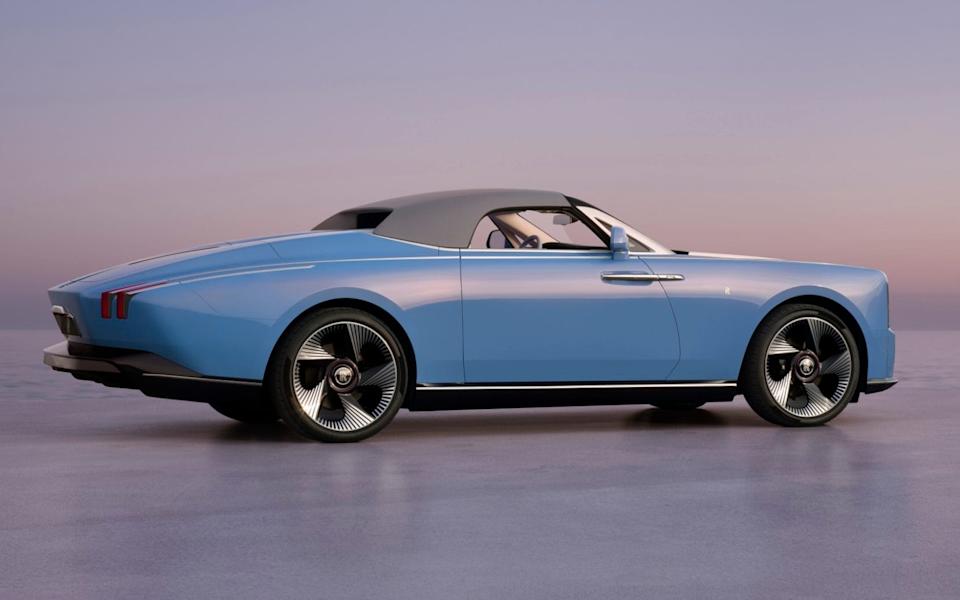
The Nightingale is a translation of Le Rossignol, the name of the designers’ house at Henry Royce’s French Riviera estate
Rolls-Royce ditched plans to go all-electric weeks ago, saying it wasn’t fully committed to battery-electric power. It isn’t forcing upon customers one form of propulsion over another – it is simply providing what they want. Clients agree that spookily silent battery power is the right and only energy package for this car. If there was any way of making it quieter, in line with Rolls’s silent progress raison d’être, then it would have been incorporated.
Rolls-Royce is unashamed about providing what its customers want: luxury. And unlike Jaguar and its controversial “woke” next-generation EV, Rolls-Royce has its V12 petrol-powered cars to fall back on.
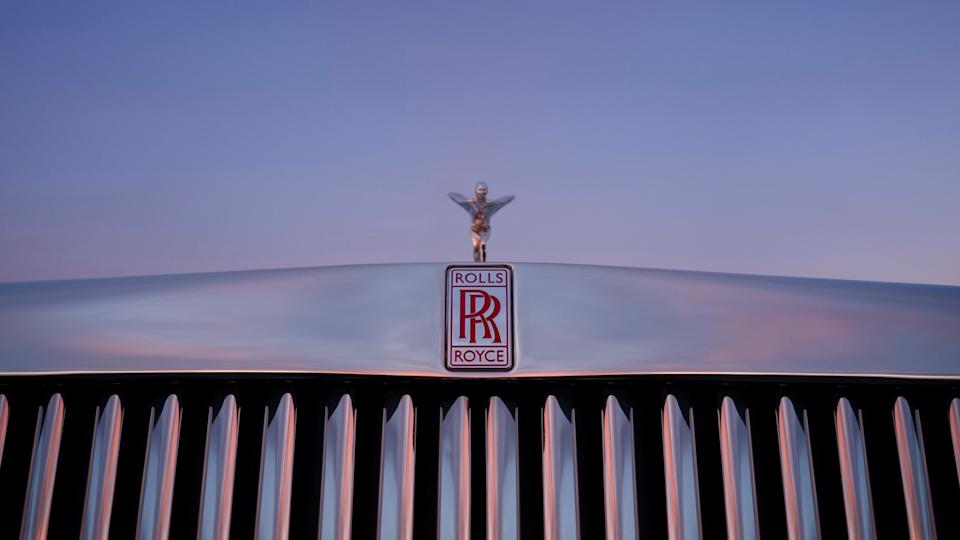
Iain first knew of the Nightingale after receiving an invitation in early 2025 to a ‘business update’ at Rolls-Royce’s Goodwood headquarters
So why is the Nightingale important? As well as developing all manner of first-time technology, Rolls-Royce’s Goodwood factory has assembled a workforce skilled in fast-disappearing artisanal crafts, including intricate woodworking, metalworking, leatherwork, embroidery, and hand painting.
Despite BMW’s ownership and input, this car represents the very best of British ingenuity and craftsmanship, with both young and experienced designers and production staff showcasing mesmerising skill.
Rolls-Royce is also well advanced in building a £300 million factory extension. This will allow it to produce fewer cars but to make these more personalised and exclusive, under its Bespoke and Coachbuild sub-brands, with consequently higher incremental revenue per vehicle. The Nightingale will be produced in that factory extension.
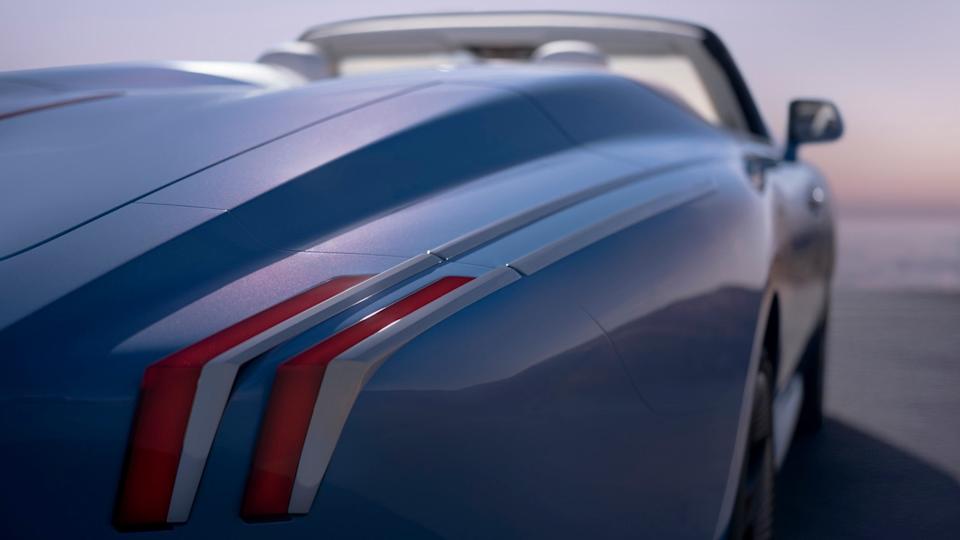
‘The charm of a Coachbuild one-off is that the client gets to influence’
Harnett explained that while some clients devoted a great deal of time with designers to develop sometimes £20 million one-offs such as the “Arcadia”, others were simply too busy. “The charm of a Coachbuild one-off [such as the Arcadia] is that the client gets to influence,” he said. “Some clients would [still] try and go into every detail. Others were simply taken with the initial sketches, of a fully open car. It was important for them to know the scale of it, that it’s an open two-seater.”
Testing times
The first test drive of an undisguised car, held on Christmas Eve 2024 at a secure German test track under tight security, was spectacular – for its silence.
Harnett said: “Myself and one of the designers were sitting in the car. The area was completely silent and we just started to move. That was eerie; that was a goosebump moment where normally you’d hear the engine revving. But this was just silence, like being blown by the wind. We just looked at each other; I had never experienced that. It was an amazing moment.”
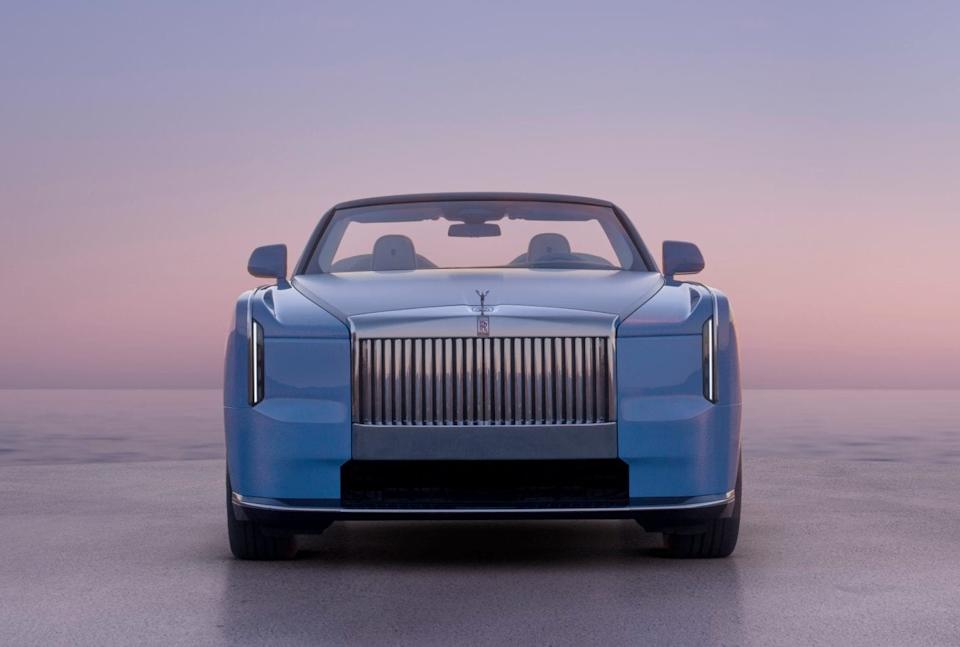
‘That was a goosebump moment where normally you’d hear the engine revving. But this was just silence,’ said the firm’s head of future product Phil Harnett of an early test drive
While the car was covered and hidden during the day, the hours after dark were spent testing and evaluating the prototypes. “Because it was silent, there was never a hint that we might be testing a [secret] new car; nobody [was alerted] to that,” said Harnett.
During early prototype drives, as darkness fell, designers realised the clarity with which they could hear birdsong. They analysed the distinctive sound-wave patterns created by nightingale song and translated its rhythm into a visual form.
Raising the roof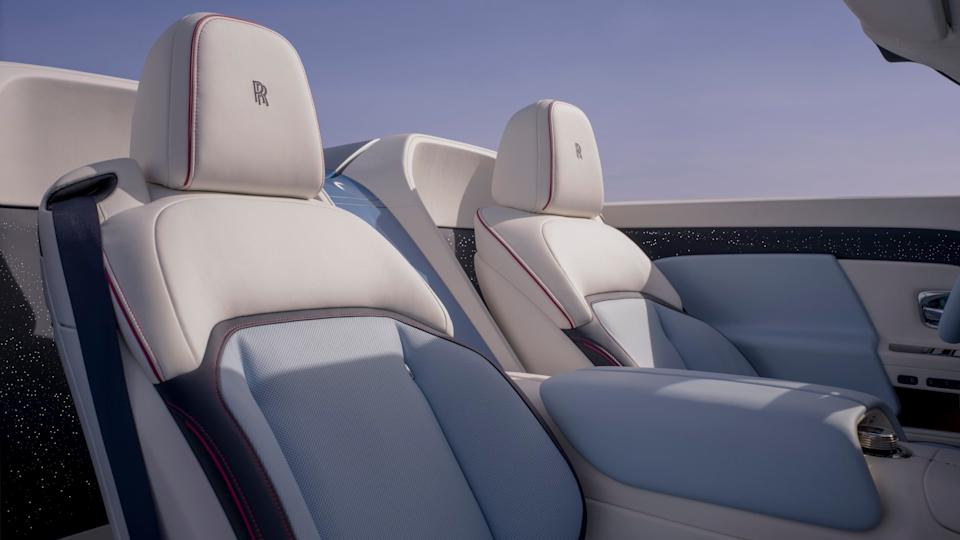
Rolls-Royce has developed a colour and materials palette from which the 100 owners can select their own finishing touches
The “Starlight Breeze” feature is a flowing constellation of ambient illumination surrounding the passenger compartment, comprising 10,500 individual stars. The pattern of light draws directly from soundwave forms studied by the designers, wrapping around the passenger compartment. The concept of installing a complex system of ambient lighting was introduced as far back as 2013, in a special Phantom celebrating 10 years of production at Goodwood.
Other as-yet-secret features will soon be revealed, but I can confirm that Rolls-Royce has developed a colour-and-materials palette unique to the Nightingale, from which the 100 owners can select a plethora of finishing touches to reflect their personal taste.
What’s next? Well, destroying at least five full-size prototypes in crash testing on the way to the Nightingale’s homologation as a production car. Then there is a rigorous regime of testing in all manner of hot and cold environments, as well as simulated conditions in a soon-to-go-live climate recreation facility at Rolls-Royce’s upcoming factory extension.
And, very likely, some 50p biro sketches of the next Coachbuild Collection Rolls-Royce…