Tesla Expands Robotaxi Rollout to Dallas and Houston
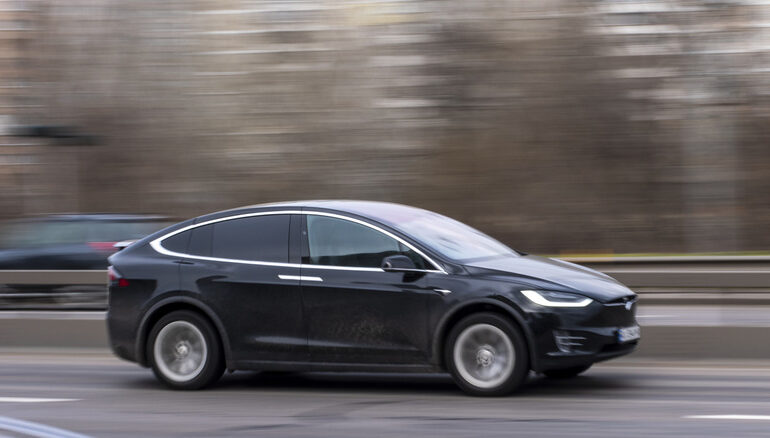
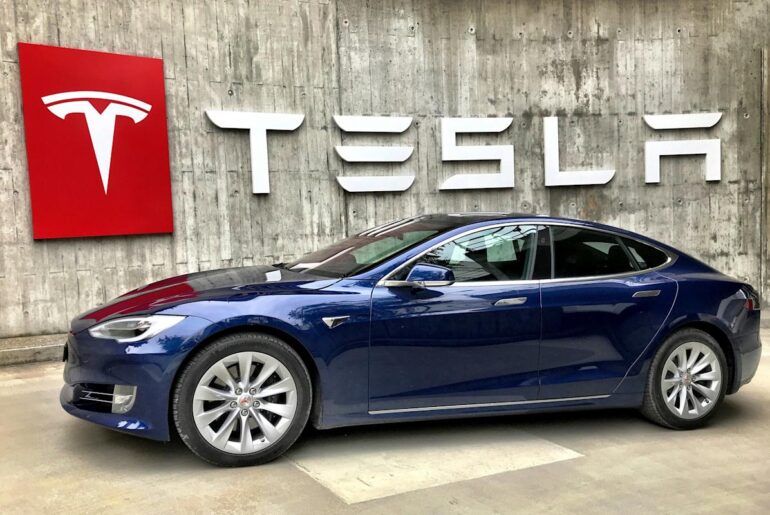
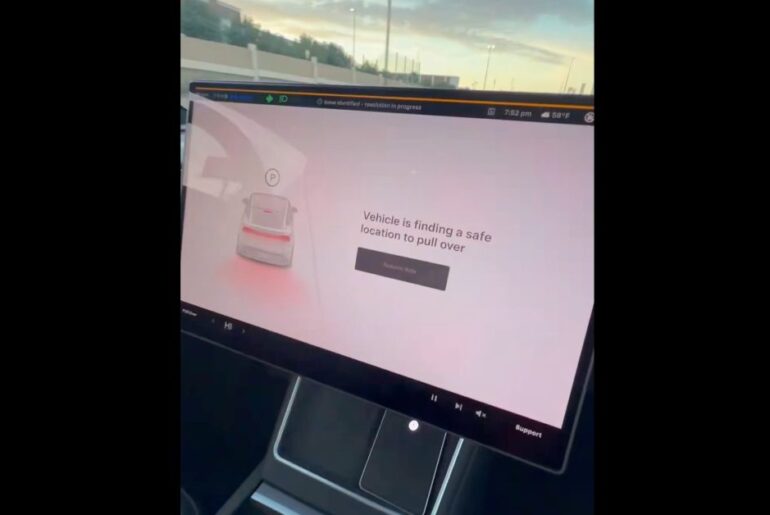
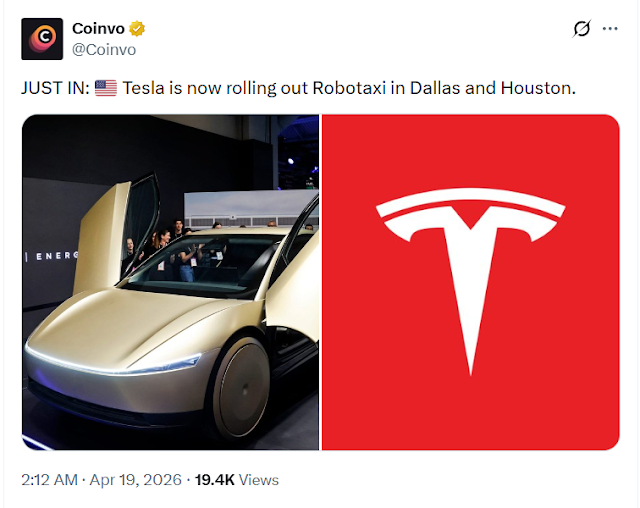
Tesla is reportedly expanding its autonomous ride-hailing ambitions, rolling out its Robotaxi service in the cities of Dallas and Houston. The development, which has circulated widely and was referenced in a post on X by Coinvo, marks a significant step in the company’s long-term strategy to redefine transportation through self-driving technology.
The rollout signals Tesla’s continued push into autonomous mobility, a sector that has attracted growing interest from both technology companies and traditional automakers.
Source: XPost
A New Phase for Autonomous Mobility
The introduction of Robotaxi services in Dallas and Houston represents a major milestone in Tesla’s efforts to bring self-driving technology into everyday use. By expanding into multiple urban areas, the company is testing its systems in diverse traffic environments and real-world conditions.
Autonomous ride-hailing services aim to eliminate the need for human drivers, potentially reducing costs and increasing accessibility for users.
What Is Tesla’s Robotaxi Concept
Tesla’s Robotaxi initiative is built around the idea of fully autonomous vehicles operating as part of a shared transportation network. Users would be able to request rides through a digital platform, similar to existing ride-hailing services, but without a driver.
The concept has been a central part of Tesla’s vision for the future of mobility, with the company emphasizing efficiency, scalability, and technological innovation.
Why Dallas and Houston
The choice of Dallas and Houston reflects strategic considerations, including population size, infrastructure, and regulatory environment. Both cities offer large urban markets with varied traffic patterns, making them suitable testing grounds for autonomous systems.
Technological Foundations
Tesla’s autonomous capabilities rely on a combination of sensors, cameras, and artificial intelligence software. The company has focused heavily on developing its Full Self-Driving technology, which is designed to navigate complex driving scenarios.
Regulatory and Safety Considerations
The rollout of autonomous services is subject to regulatory approval and oversight. Safety remains a primary concern, with authorities and companies working to ensure that systems meet required standards.
Industry Competition
Tesla is not alone in pursuing autonomous ride-hailing. Other companies are also developing similar technologies, creating a competitive landscape in the emerging sector.
Economic and Social Implications
The adoption of Robotaxi services could have wide-ranging implications, including changes to transportation costs, urban planning, and employment in the driving sector.
Consumer Adoption
Public acceptance of autonomous vehicles is a key factor in the success of such initiatives. Trust in the technology will play a significant role in determining adoption rates.
Market Impact
The expansion of Robotaxi services may influence Tesla’s position in the market, potentially opening new revenue streams and business models.
Looking Ahead
As the rollout progresses, further details are expected to emerge regarding performance, user experience, and expansion plans.
Conclusion
Tesla’s reported launch of Robotaxi services in Dallas and Houston marks a significant step in the evolution of autonomous transportation. As the company continues to develop and deploy its technology, the initiative highlights the potential for self-driving systems to transform how people move within cities.
The coming months will provide insight into how these services perform in real-world conditions and how they shape the future of mobility.