For more than two decades, choosing the right powertrain strategy for any automaker has been only slightly easier than selecting the winning Powerball numbers. Change has been constant, intense, and at times brutal. Just ask the engineers who were being moved from developing V8s to V6 or four-cylinder engine programs when downsizing was the rage.
That transition sounds easy compared to the senior mechanical engineers who had to pivot late in their careers to learn about electric motors and high-voltage batteries just to stay employed. Or, how about the C-suite folks who had to battle for the resources to develop both cutting-edge internal-combustion engines and battery-electric powertrains just to stay in business?
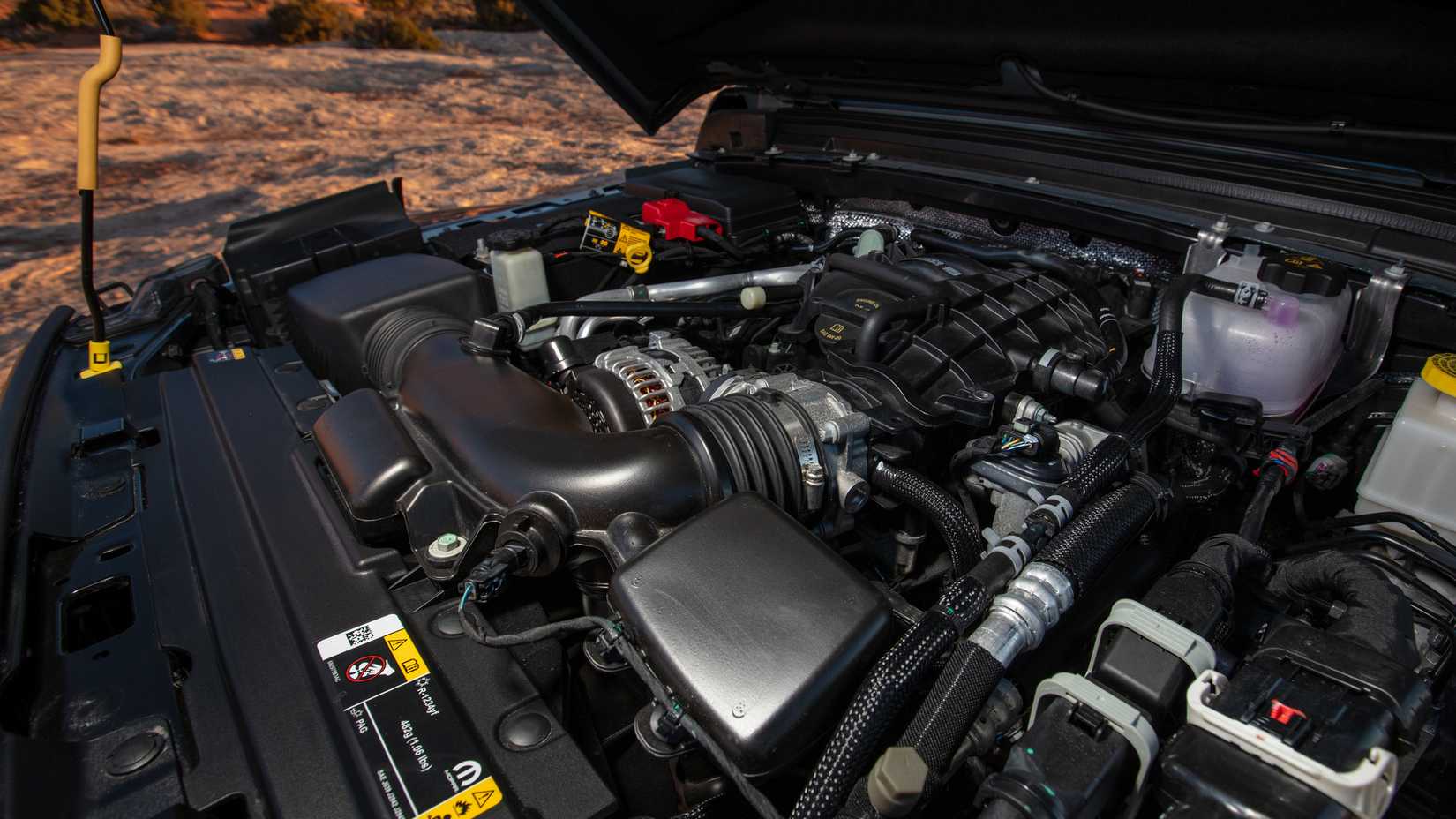
2026 Jeep Gladiator Mojave X 3.6L V6 engine pentastarStellantis North America
It’s been quite a journey, as laid out today in the moderator’s introduction of a panel discussion focused on powertrains of the future at the Society of Automotive Engineers World Congress Experience, an annual confab in downtown Detroit that tackles everything from obscure technologies still in development to the 30,000-foot view of trends that keep auto execs up at night.
Moderator Chris Atkinson, professor and director of the Advanced Mobility Initiative at Ohio State University, said the auto industry is facing significant technical ambiguity, regulatory ambiguity, global uncertainty, volatility, policy swings every four years, and increasing oil and energy prices.
Detroit’s Renewed Zeal For PHEVs, EREVs
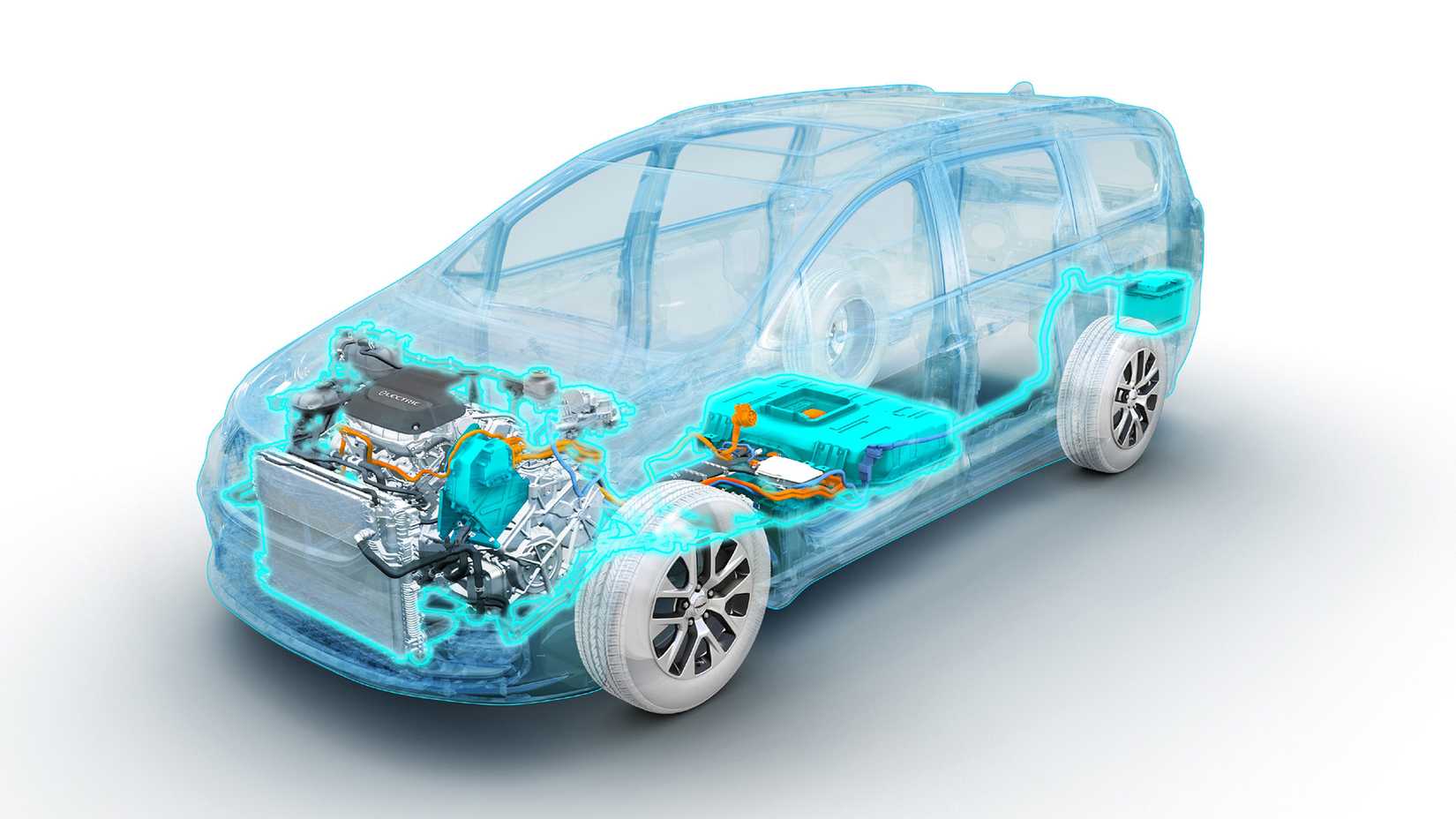
Chrysler Pacifica hybrid diagramStellantis
“And in some cases, it can be argued that supply chains barely exist for some of the critical components that we require for our propulsion systems,” Atkinson told the crowd inside Huntington Place. If vehicles only powered by internal combustion are environmentally inadequate and battery-electric vehicles can’t handle duty cycles for many Americans, then the hybrids pioneered by Toyota and Honda 25 years ago start to make a lot of sense.
You could say the same for the plug-in hybrids and extended-range EVs that came along later – and are back on the front burner for Detroit automakers now juggling priorities. So, Atkinson asked the panel, are hybrids a bridge technology for a transition to full electrification, or should they be viewed as the destination, a long-term powertrain solution?
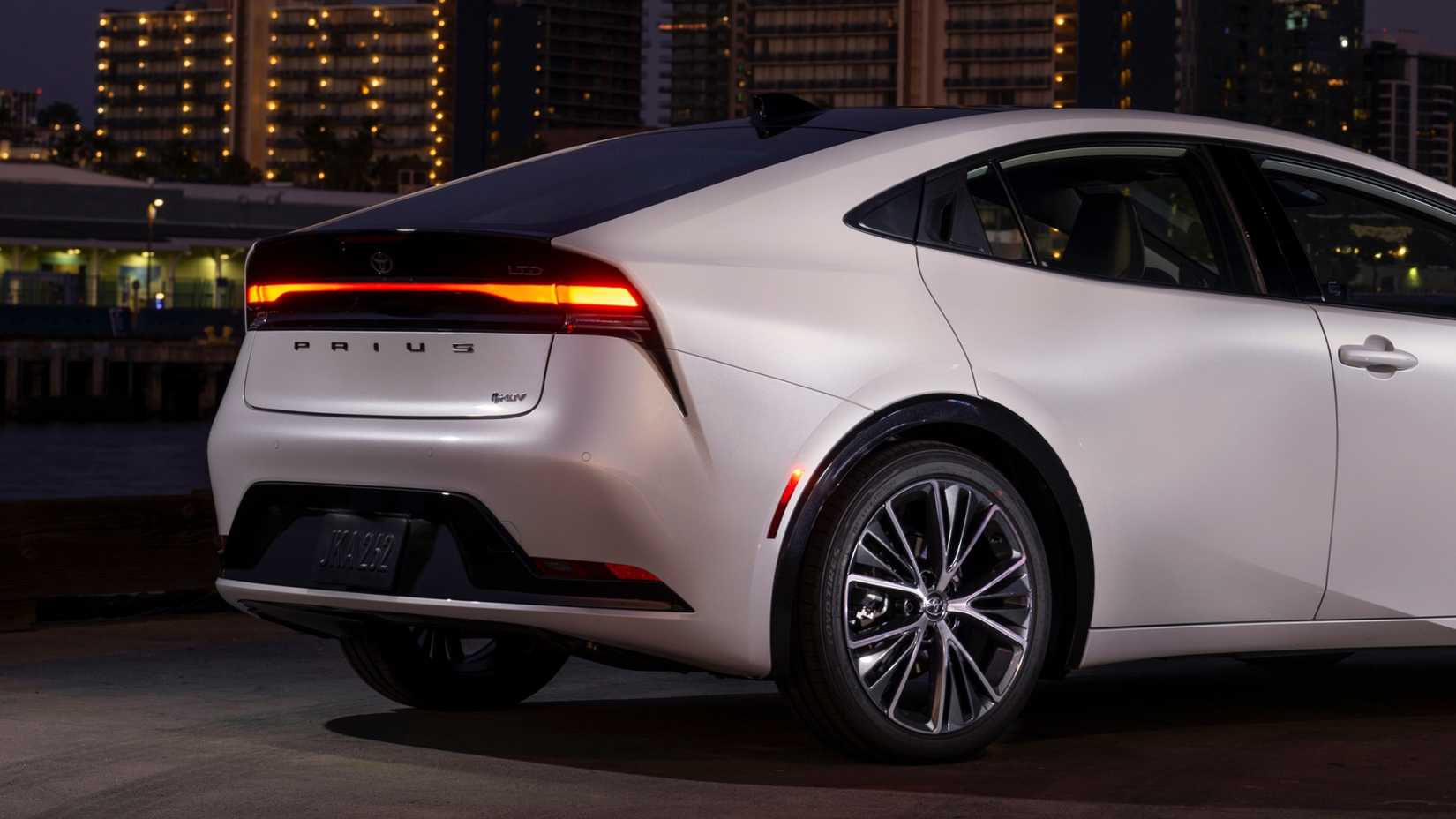
2026 Toyota Prius Exterior Rear Quarter CloseupToyota
“We can leverage the HEVs and the PHEV volumes to drive costs down,” said Sherine Elakkad, vice president of electrified powertrain planning at Stellantis, an automaker that recently canceled its plug-in hybrids, resurrected the Hemi V8, and is now preparing to launch next-generation extended-range EVs as part of a multi-energy powertrain strategy.
Elakkad considers hybrids “a bridge, a transition, but it’s needed. It’s not a final destination,” she said.
“We can buy ourselves time until the BEVs stabilize, right?… BEV, in my opinion, will still be the end game.”
–Sherine Elakkad, Stellantis VP
Related
Hybrids are more popular than ever, and these are the best of them.
Mazen Hammoud, director of Motion Tech Strategy (or powertrain planning) at Ford, said he does not consider hybrids to be a bridge because there’s still much work to be done to improve ICE efficiency.
“I know the destination is EV, but hybrids and the engines that come along with that are going to be with us for a while, and innovation is needed in all these areas,” Hammoud said, emphasizing Ford’s introduction in 2005 of the first hybrid SUV, the compact Escape, which later came as a PHEV as well.
Ford is now using its fourth-generation hybrid powertrain, and Hammoud said packaging an electric motor between the 10-speed transmission and the 3.5-liter EcoBoost V6 in the F-150 PowerBoost hybrid “is more suitable for towing and heavy load applications. So really, it’s understanding the customer use cases.”
Losing Internal Combustion Expertise
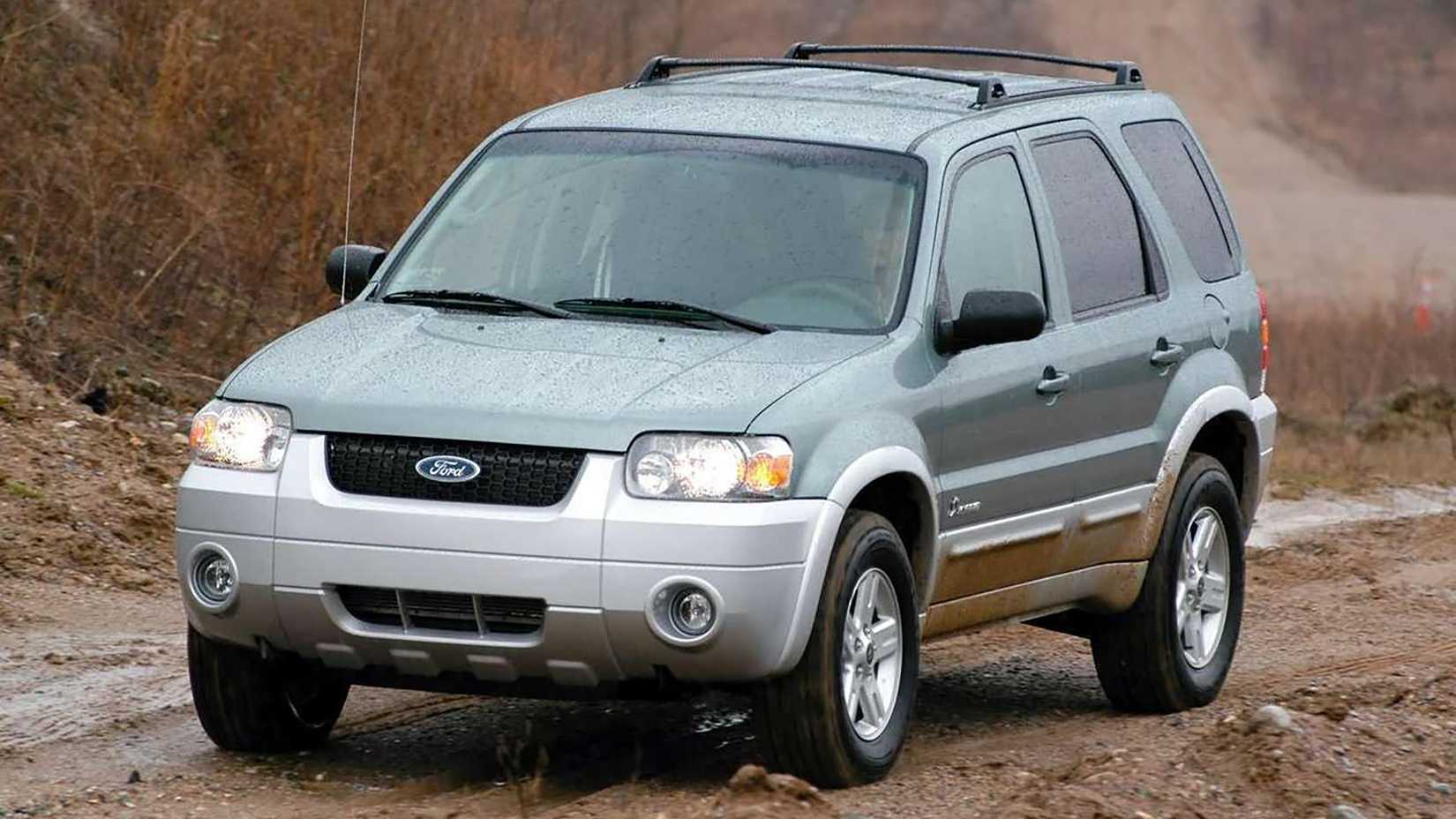
The Ford Escape Hybrid, also launched in 2005, used a hybrid drivetrain licensed from Toyota. It was an instant hit, with Ford selling way more Hybrids than it thought it would.Ford
Hammoud threw some shade toward rival automakers that “lost the expertise” in recent years by stopping development of engines, while he said Ford continued such development “in a measured way,” alongside work on EVs. He said it became a priority at Ford to maintain that in-house “intellectual property” and to keep the pipeline full of young engineering talent.
“As an industry, you saw young engineers not wanting to work on engines anymore, because that’s not where the future is. So they wanted to work on EVs.”
–Mazen Hammoud, Ford director of motion tech strategy
Speaking on behalf of consumer concerns, Jack Dolan, vice president of product quality performance improvement at J.D. Power, said there are incredibly efficient hybrids that need to be considered based on the variable cost of fuel, then weighed against the cost of electricity for an EV. “I guess my view would be that, for sure, it’s a bridge,” Dolan said of hybrids. “But maybe it’s an exceedingly long bridge. Maybe it goes so far we’re not sure at the end.”
Related
Hybrid vs.Electric: Weighing Up Real-Life Pros And Cons
Electrification has become a very big part of the modern automotive landscape, but in the hybrid vs electric debate, which is better?
Regulatory expert Ameya Joshi, CEO of Mobility Notes LLC, said hybrids and PHEVs need more development so consumers can continue spending reasonable money for high efficiency. The EPA estimates many hybrids add about $2,000 to the sticker, while boosting fuel efficiency up to 40%.
“So it’s a no brainer for most buyers,” he said. “You can switch to hybrid.”