
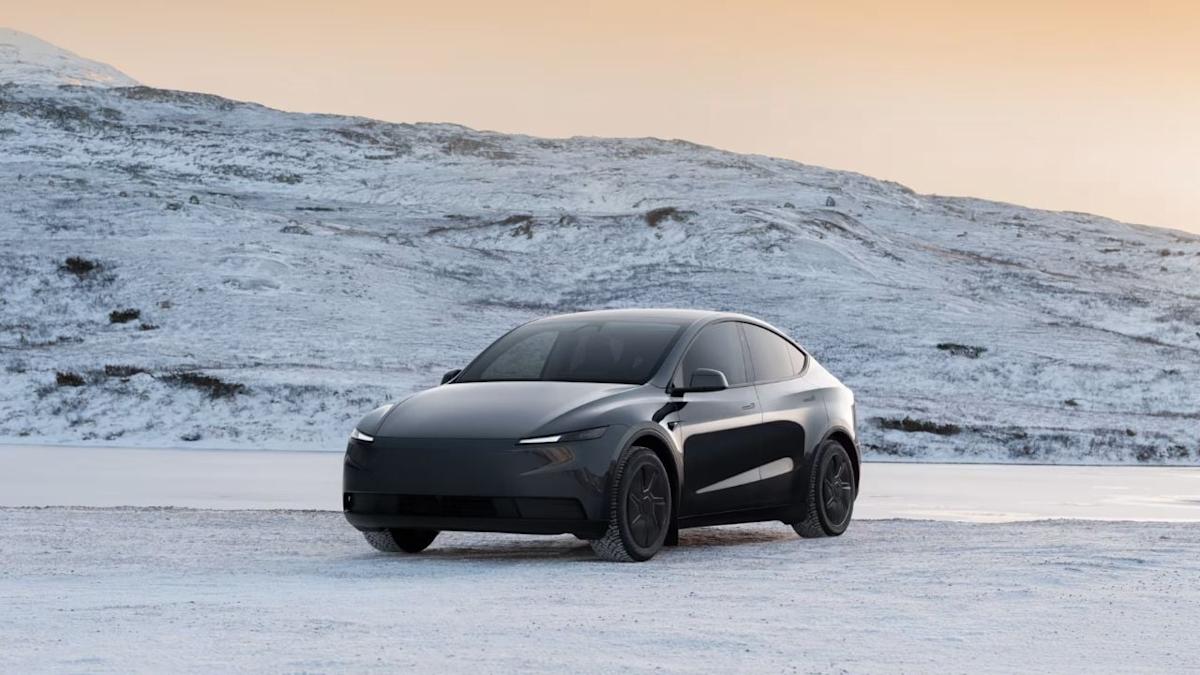
Tesla is taking North Dakota to court in a legal battle that could determine whether residents can finally buy the company’s vehicles without crossing state lines.
The electric vehicle giant wants to open two dealerships, one in Fargo and another in Bismarck. But state law currently bars vehicle manufacturers from owning dealerships, instead requiring sales to happen through franchised third-party dealers.
That setup works for legacy automakers such as Ford and Chevrolet, which have long relied on dealership networks. Tesla, however, built its business around direct-to-consumer sales, skipping the middleman entirely.
Now the dispute is before South Central Judicial District Judge Bonnie Storbakken, who heard arguments on April 13 and has not yet announced when a ruling will arrive.
Why Tesla Says North Dakota Law Should Not Apply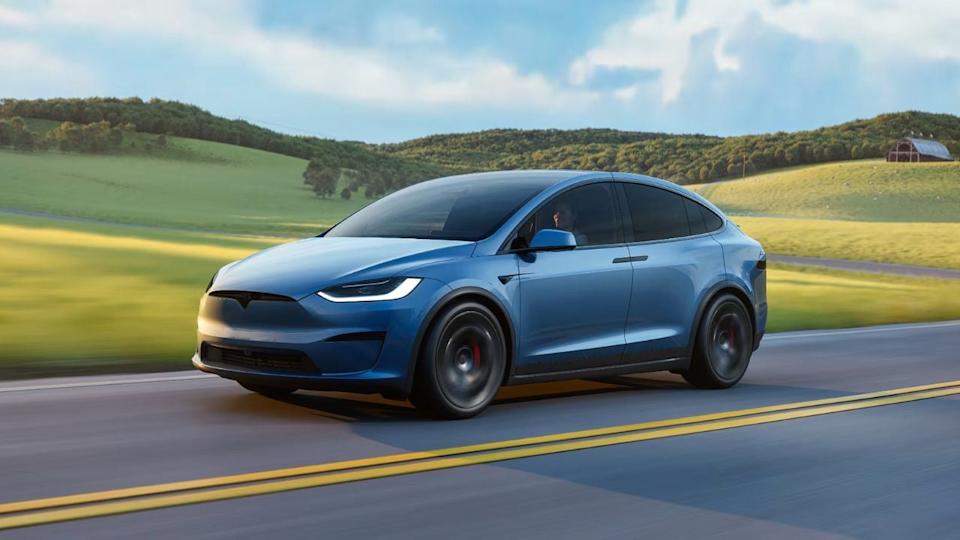
Image Credit: Tesla.
Tesla’s legal argument centers on how North Dakota defines a “manufacturer.”
Under state law, a manufacturer is an entity that assembles or imports vehicles and sells them to dealers for resale. Tesla argues it does not fit that description because it sells directly to customers rather than sending cars to franchised dealerships.
Attorney Ari Holtzblatt, representing Tesla, said the company simply wants North Dakota customers to buy vehicles locally instead of traveling to Minnesota or another state.
Court filings say more than 800 Tesla vehicles are already registered in North Dakota. In other words, demand exists. Residents just had to buy elsewhere and bring the cars home themselves.
That is not exactly the smoothest buying experience, especially for a company known for making purchases as easy as ordering electronics online.
North Dakota Says Rules Are Rules
The state sees it very differently.
Assistant Attorney General Michael Pitcher argued Tesla is effectively asking the court to create a new legal category outside the existing framework of manufacturers and franchised dealers.
According to the state, if Tesla wins this argument, other automakers could simply abandon franchise systems and bypass the law by choice.
Pitcher also said Tesla can do business in North Dakota right now if it chooses to use the same model as other manufacturers by appointing dealers and entering franchise agreements.
In short, North Dakota’s position is that Tesla is not being excluded from the market. It is being asked to play by the same rulebook as everyone else.
What Happens If Tesla Wins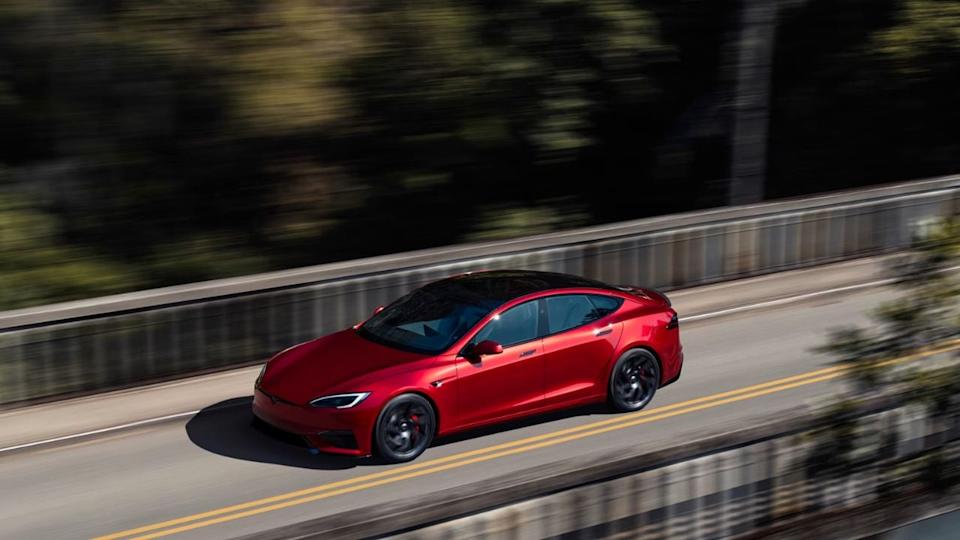
Image Credit: Tesla.
Even a victory in court would not instantly put a Tesla showroom on every street corner.
If Tesla prevails, the company would still need to reapply for dealership licenses and prove it meets other legal requirements handled through the North Dakota Department of Transportation.
Tesla originally filed applications for the two dealership licenses on Sept. 19, 2024, meaning this fight has already been dragging on for months.
For a company that moves fast in software updates, government paperwork can feel like driving behind a tractor on a two-lane road.
What This Means for EV Buyers in North Dakota
North Dakota has been slower than many states when it comes to EV adoption and charging infrastructure.
Tesla lists five Supercharger locations in the state. The U.S. Department of Energy also shows 277 public charging ports across 108 locations, concentrated mainly along Interstate 94 and U.S. Highway 2.
That means access is improving, but still limited compared with more densely populated states.
If Tesla is allowed to open stores, it could make EV ownership easier through local sales, service support, and greater visibility. Seeing vehicles in person often matters more than glossy online photos.
What We Can Learn From This Case
This lawsuit highlights a larger clash between old automotive laws and new business models.
Many dealership franchise rules were written decades ago to prevent large manufacturers from crushing local dealers. Those concerns were real at the time. But Tesla arrived with no dealer network to protect and no intention of creating one.
Now courts and lawmakers across the country are being forced to answer the same question: should old rules automatically govern new industries?
Whatever the ruling, North Dakota’s case shows that the future of transportation is not just about batteries and charging stations. Sometimes it is about legal definitions written long before anyone imagined ordering a car from a smartphone.