The draft — released by the state government on Saturday — lays out an aggressive roadmap to curb air pollution by mandating that only electric three-wheelers will be registered from January 2027, followed by a similar requirement for two-wheelers from April 2028. It also offers full exemption from road tax and registration fees for EVs, with incentives for electric cars limited to those priced up to Rs 30 lakh.
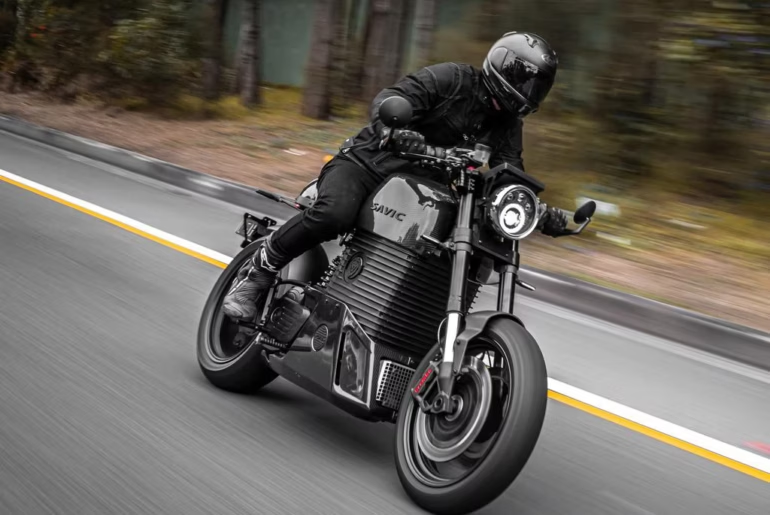
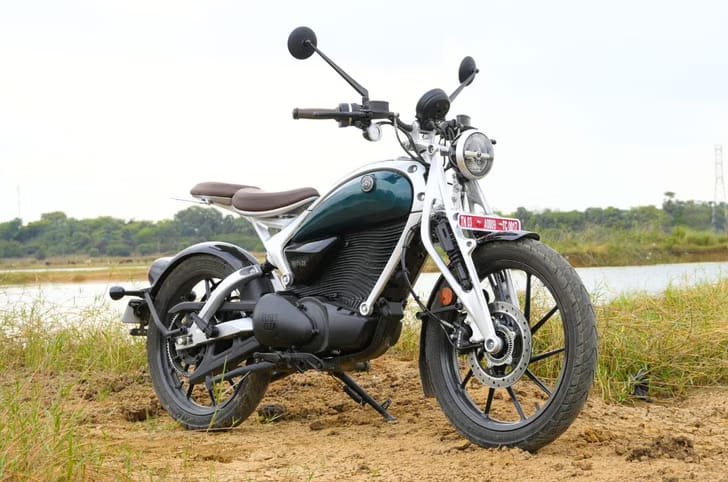
A major concern for the industry is the lack of mass market electric motorcycles in India, executives said. Around two-thirds of Delhi’s two-wheelers are motorcycles, yet there are no mass-market electric options currently available in India. The few models on sale come at a steep premium compared with petrol models, creating a sharp price gap. Executives said that motorcycle buyers cannot simply shift to electric scooters as usage patterns and performance needs differ significantly.
Major two-wheeler manufacturers had told NITI Aayog, during a meeting held last year, that the near-absence of e-motorcycles in India is not due to weak demand but a set of structural constraints ranging from high financing costs and unviable charging economics to product limitations and policy gaps that are discouraging companies from launching and scaling such models.
Executives said that automakers are expected to push back during the consultation process on Delhi’s draft EV policy. The draft allows a 30-day window for stakeholder feedback, and executives said detailed discussions are likely within the Society of Indian Automobile Manufacturers (SIAM) before formal responses are submitted. Many believe the proposal, particularly the mandate on electric two-wheelers, may not be implementable in its current form.
The policy builds on Delhi’s broader clean air goals, noting that vehicular emissions contribute about 23 per cent of pollution during winters. Two-wheelers alone account for nearly 67 per cent of the capital’s vehicle stock, making their electrification central to emission reduction efforts.
Industry executives, however, pointed to gaps in enforcement. One question is how authorities will prevent buyers from registering vehicles in neighbouring districts such as Gurugram while continuing to use them in Delhi. They also highlighted that a large number of older, more polluting BS-I and BS-II vehicles remain on the road, and stricter enforcement against these could deliver quicker gains.
Data shared by executives shows that India recorded around 1.89 crore two-wheeler sales in calendar year 2024, while Delhi accounted for roughly 4.5 lakh registrations, or just over 2 per cent of the national total. Larger states such as Uttar Pradesh and Maharashtra contribute significantly higher shares.
Even so, companies are not taking the proposals lightly. Delhi’s importance lies in its regulatory influence, and executives expressed concern that similar steps could be replicated in other regions.
They said that companies had been engaging with Delhi government officials over the past several weeks. However, they added that the recent spike in global crude oil prices following the ongoing West Asia conflict could be the reason behind the push towards strict electrification mandates.
None of the major two-wheeler makers responded to the queries Business Standard sent on this matter.