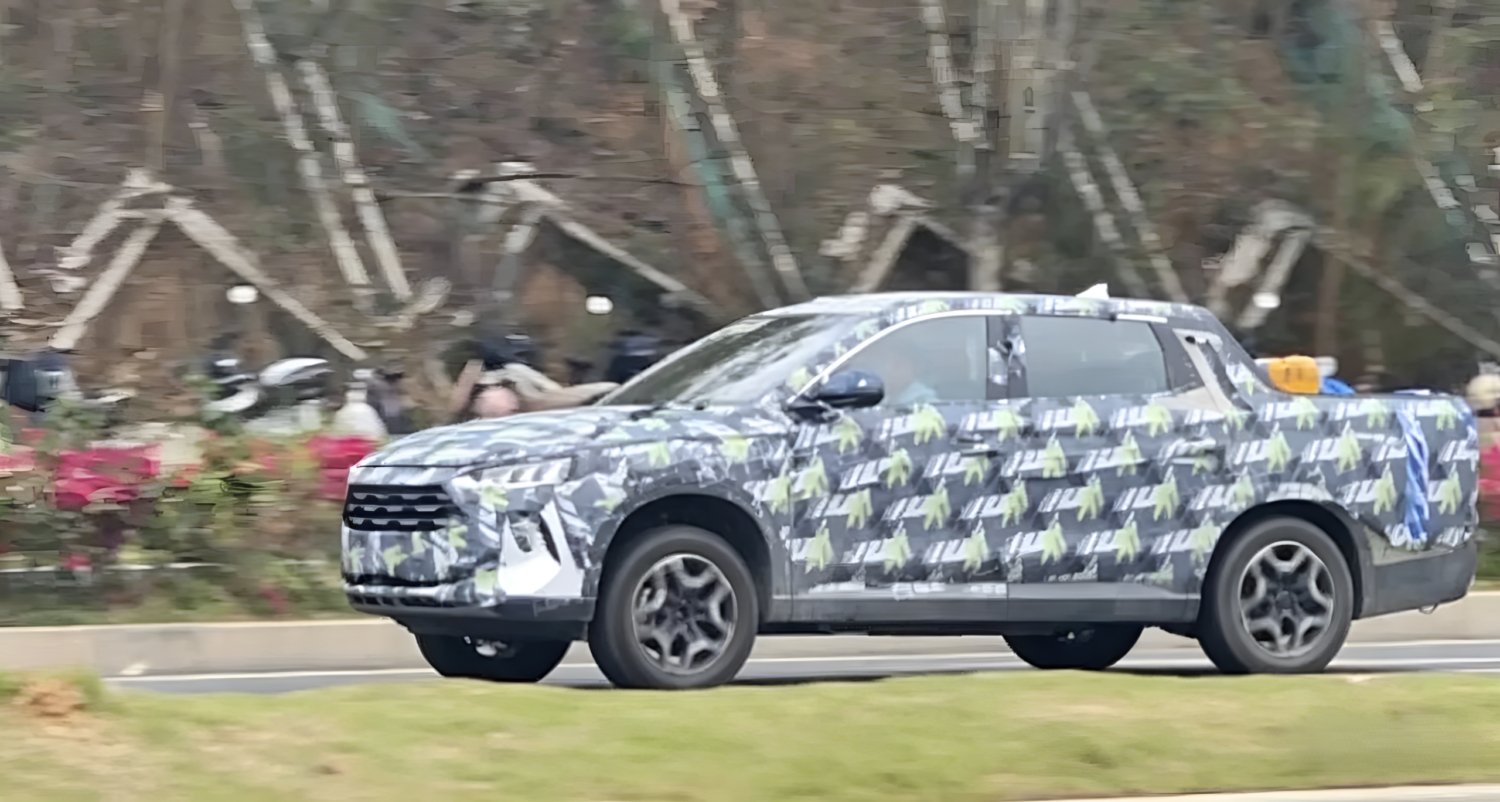
A camouflaged BYD pickup prototype has been spotted undergoing road testing in China, marking the first clear indication of a domestic version as the company simultaneously secures production approval for the segment.
Images published by the Chinese blogger “战神之音” show a test vehicle with a front-end design resembling that of BYD’s Dynasty passenger car lineup. While unconfirmed, the styling has led to speculation that the domestic pickup could be positioned within BYD’s Dynasty sales network rather than as a standalone off-road product.
Test car points to localised version
The test vehicle appears distinct from the export-oriented Shark pickup, suggesting BYD may be preparing a more market-specific version for China.
Chinese sources indicate the domestic model could focus on a more cost-oriented plug-in hybrid setup, rather than the higher-performance configurations seen in overseas markets. This aligns with the structure of China’s pickup segment, where affordability and utility remain primary purchase factors.
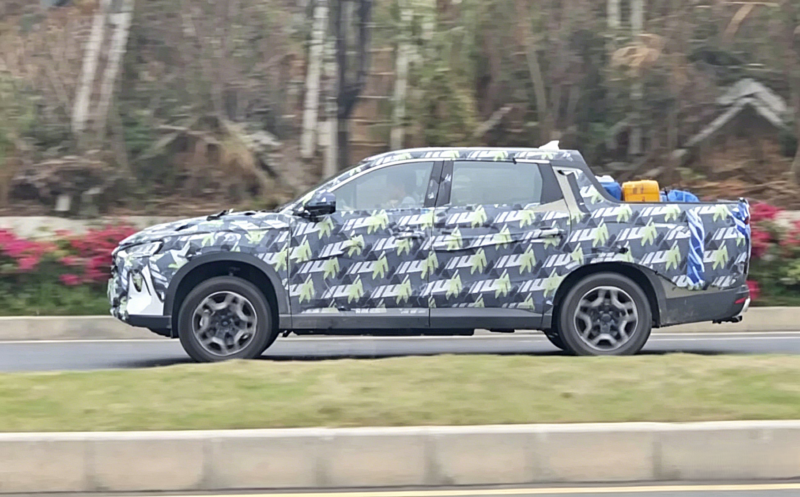
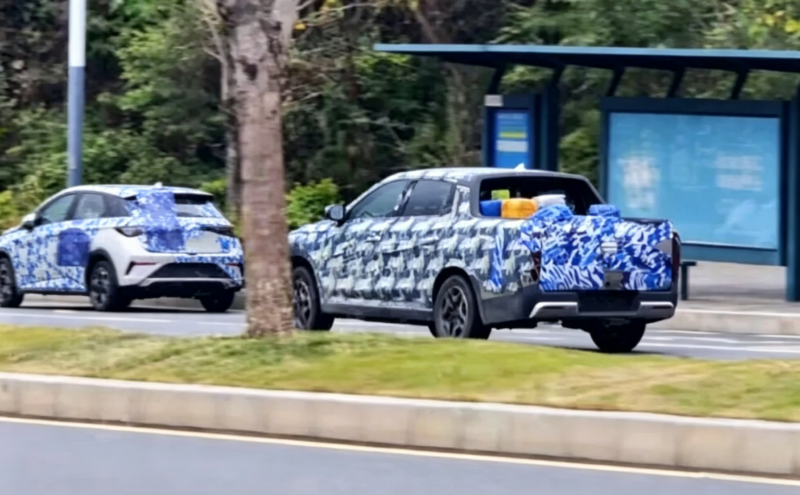
Test vehicle hints at Dynasty-style design for China-market pickup.
Regulatory filing confirms production readiness
Just days before the test car sighting, China’s Ministry of Industry and Information Technology (MIIT) published an update showing BYD’s Zhengzhou plant adding a new production category for plug-in hybrid trucks.
Under China’s classification system, pickups fall within this category. The filing does not approve a specific model, but it enables BYD to manufacture such vehicles domestically for the first time.
The timing of the regulatory update, alongside real-world testing, suggests the project has entered a late-stage development phase ahead of market launch.
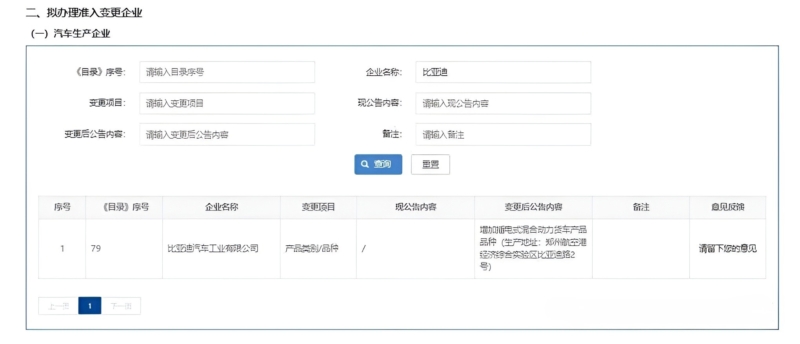 BYD Zhengzhou plant adds category for plug‑in hybrid trucks. Credit: MIIT
Executive signals align
BYD had already indicated its intentions. In 2025, Li Yunfei, general manager of brand and public relations, stated that a domestic pickup launch is planned and “will happen sooner or later.”
The latest developments, combining factory approval and road testing, are widely seen by Chinese industry observers as confirmation that the program is moving toward commercialisation.
Export program provides context
BYD’s pickup strategy has so far focused on overseas markets. A previous report noted that “BYD’s new pickup has already been spotted multiple times, with a South American launch expected in 2026,” highlighting its initial export orientation.
That rollout has positioned the pickup as part of BYD’s global expansion rather than a China-first product.
Industry pressure and positioning
The timing also comes amid increasing scrutiny from established pickup manufacturers. In earlier remarks, Ford CEO Jim Farley described Chinese pickups as “different animals” and said “the numbers don’t add up” when comparing them to traditional models, citing long-standing experience in towing and payload development.
BYD has not directly responded in China, but continues to expand its pickup program both overseas and now domestically.
Market implications
China’s pickup market remains smaller than the passenger vehicle market but is growing, driven by strong demand in the commercial and lifestyle segments. Domestic leaders such as Great Wall Motor have historically dominated the category.
BYD currently ranks seventh in pickup sales, with 39,466 units, all from overseas markets.
Outlook
The combination of road testing activity and MIIT production approval indicates that BYD’s domestic pickup is approaching launch readiness. The next step will be the model’s appearance in the official MIIT product catalogue, which will reveal its specifications and confirm its market positioning.

We’ll send you a weekly summary in your e-mail. No spam. Unsubscribe with one click.
Thank you! Your submission has been received!
Oops! Something went wrong while submitting the form.