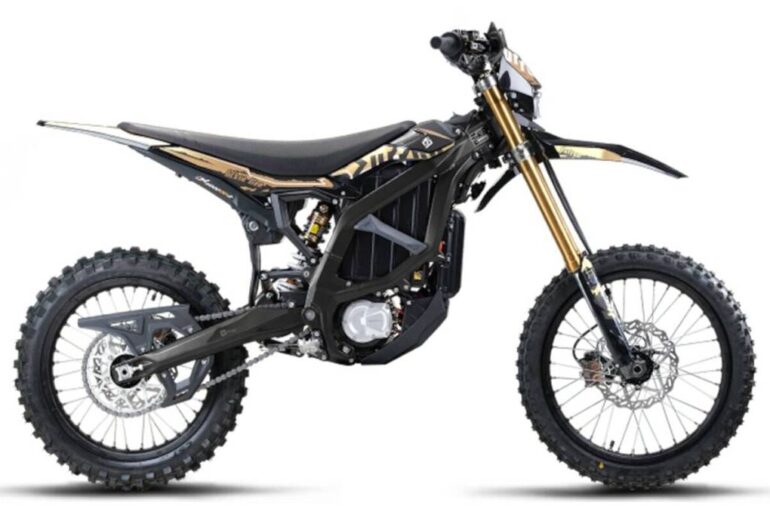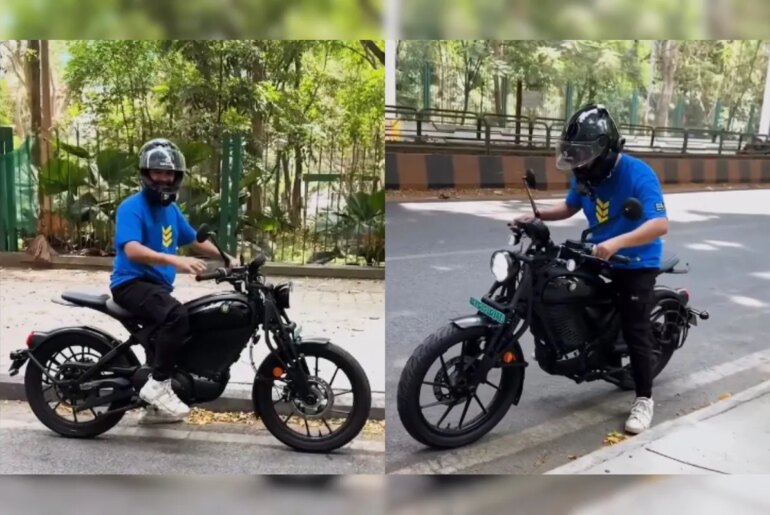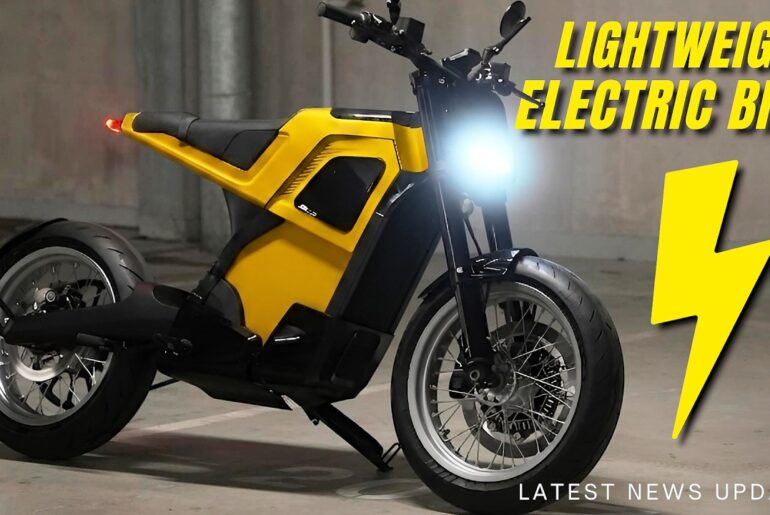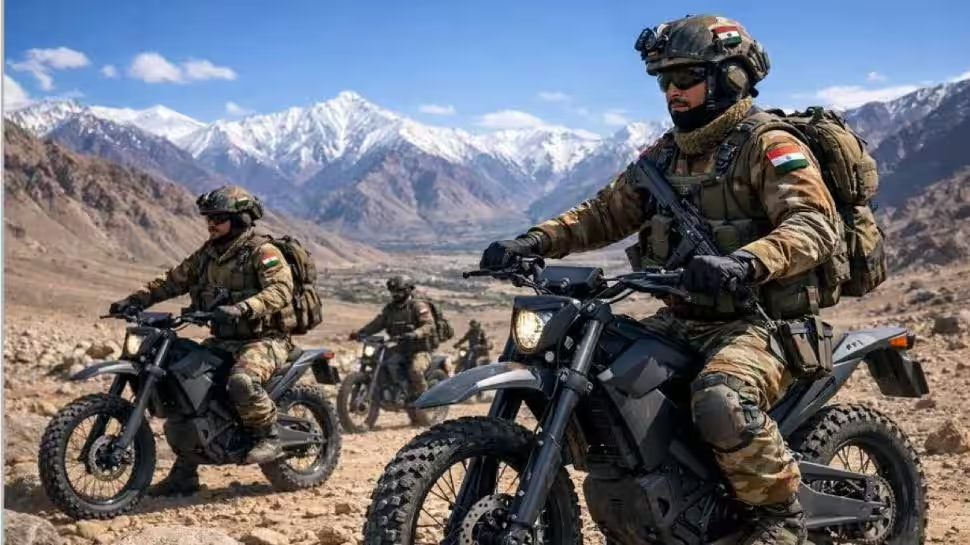
New Delhi: The Indian Army is preparing to introduce electric motorcycles for frontline operations. This begins a new phase in how troops move and communicate during missions. The move involves replacing petrol-run bikes with a new category of electric two-wheelers known as Silent Scouts. The vehicles are built for stealth, mobility and operational flexibility.
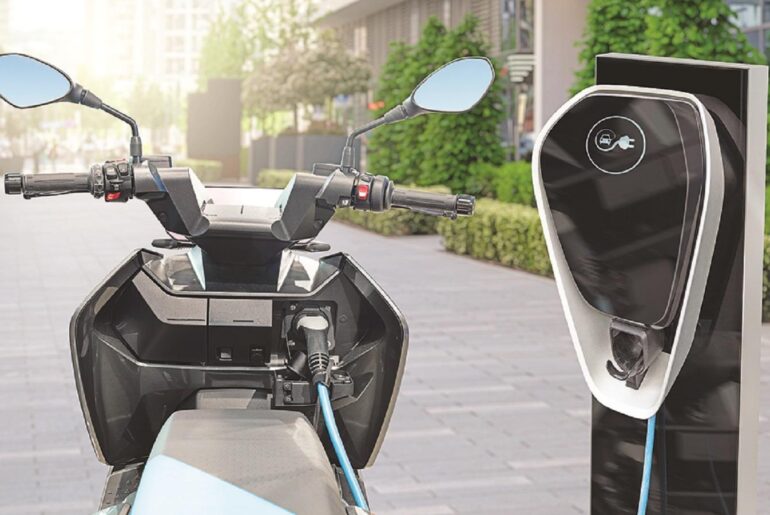
Tenders for these vehicles closed in March 2026. It confirmed that the plan had moved beyond the concept stage and entered procurement. The proposed procurement is based on the Army’s push toward electric mobility. This began earlier with an investment of Rs 175 crore to deploy electric cars, buses and motorcycles across peace stations. The latest effort takes that initiative closer to active operational areas.
Silent communication
Add Zee News as a Preferred Source

The push for electric motorcycles comes through procurement directives issued by the Department of Military Affairs. One tender specifies requirements for specialised electric motorcycles and scooters meant specifically for combat use. Another tender deals with battery-operated messenger bikes.
These bikes are meant to help troops carry messages physically between command posts when radio silence is required. Such communication becomes important during sensitive operations where radio signals could be intercepted or tracked.
By using silent electric motorcycles, soldiers can move between locations without drawing attention or revealing their positions.
Built for tough terrain
The Army plans to deploy these motorcycles in different environments. Troops operating in the hilly terrain of Assam and soldiers patrolling the deserts of Rajasthan are expected to use these vehicles.
In both areas, low noise movement provides an advantage. Soldiers can conduct surveillance, change positions and deliver messages without alerting nearby adversaries. The requirement also shows that the Army expects the vehicles to perform reliably in harsh weather and difficult terrain.
Military-grade stealth and durability
These electric motorcycles are being built specifically for military use. The Army has asked vendors to ensure at least five years of lifecycle support so that the vehicles continue to function effectively over time.
Stealth is the most important requirement. The Army wants the motorcycles to produce almost no sound. The target is for the vehicles to stay inaudible from around 10 metres, allowing troops to move close to sensitive areas without detection.
Carrying soldiers and equipment
The motorcycles are expected to carry a fully equipped soldier weighing up to 120 kilograms along with communication equipment and combat gear. This requirement ensures that the bikes can support real operational needs rather than basic transport.
Electric motorcycles also reduce heat exposure. Petrol engines hold heat for longer, which makes them easier to detect using thermal cameras and surveillance drones. Electric motors cool faster, lowering the heat signature and reducing the chances of detection during operations.
Push for domestic defence innovation
Indian manufacturers are working on models suited for military requirements.
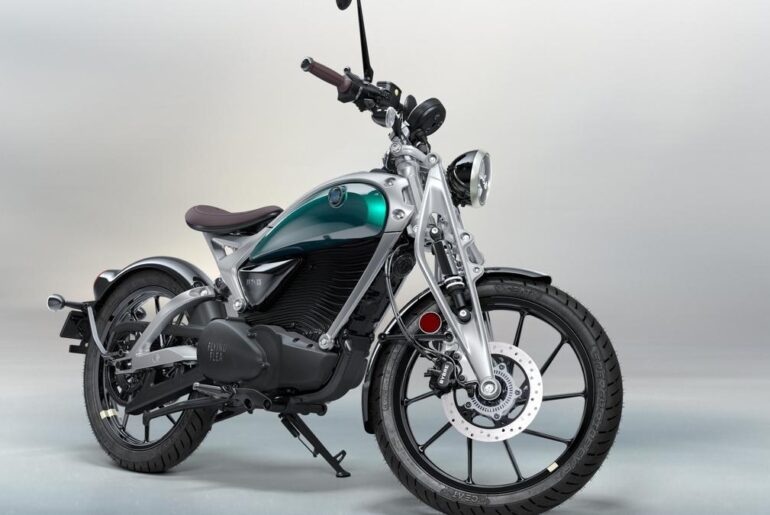
Royal Enfield is preparing its ‘Flying Flea’ electric sub-brand, including the S6 scrambler variant designed for patrol duties in rugged terrain.
TVS Motor Company has presented the eFX concept, which uses a belt-drive system for silent movement and includes digital tools for reconnaissance support.
Hero MotoCorp is adapting its Vida platform to handle rough terrain and high-altitude conditions.
Specialised startups are also part of the ecosystem. Military veterans-funded Rissala Electric has tested rugged electric ATVs and motorcycles for defence use.
Mobile power support on battlefield
Another feature included in the 2026 requirements is Vehicle-to-Load or V2L technology. This allows the motorcycles to function as mobile power sources.
Soldiers operating in remote locations can plug communication equipment, night-vision devices and electronic systems directly into the motorcycle battery. This reduces the need to carry spare batteries and helps small units operate longer without resupply.
Changing battlefield mobility
The introduction of electric motorcycles changes the use of traditional petrol-powered bikes such as the Royal Enfield Bullet. Modern operations increasingly depend on stealth, energy efficiency and multi-purpose equipment.
Electric scout motorcycles meet these needs by offering silent movement, reduced heat signature and the ability to power field equipment. As surveillance technologies become more advanced, such mobility solutions are expected to play a larger role in reconnaissance and tactical missions.
The Indian Army’s move toward Silent Scouts shows how mobility on the battlefield is evolving, with stealth and flexibility becoming important to frontline operations.