India’s electric motorcycle market is beginning to gain traction, even as the segment remains nascent and far smaller than the broader two-wheeler industry.
According to Vahan data, electric motorcycle volumes rose 28 per cent year-on-year to 17,173 units in FY26, up from 13,430 units in FY25. While the base remains modest, the growth reflects increasing interest driven by new product launches and evolving consumer use cases.
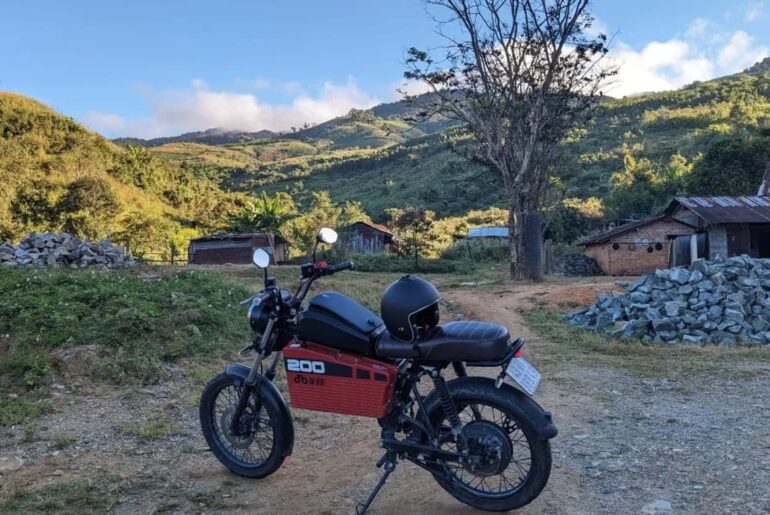
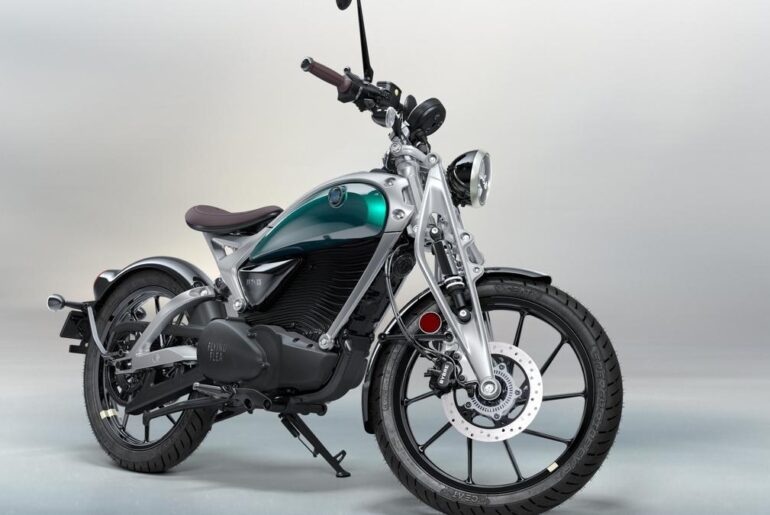
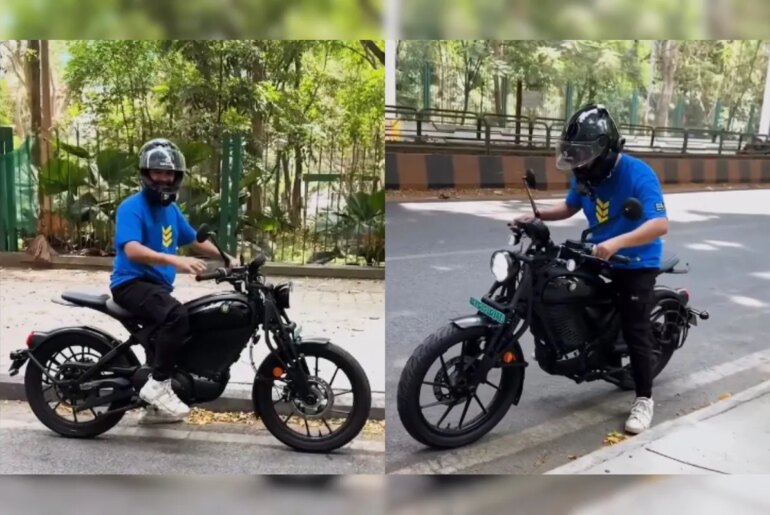
A set of emerging and legacy players—including Royal Enfield with its Flying Flea, Oben Electric, Revolt Motors, Ultraviolette Automotive, and Matter Motor—are shaping the category through differentiated approaches spanning performance, technology, and riding experience.
Mohal Lalbhai, founder and group CEO of Matter Motor, said the segment is moving beyond early adopters, with core motorcycle riders now actively evaluating electric options.
“We are well past the early-adopter phase. What we are seeing now is genuine interest from core motorcycle riders who have been riding for years,” Lalbhai said, adding that the shift is being driven by improvements in riding dynamics, thermal consistency, and connected technologies.
He noted that electric motorcycles are increasingly being seen as upgrades rather than compromises—a key psychological shift for a category traditionally defined by performance, control, and identity.
On the cost front, Lalbhai said total cost of ownership (TCO) has reached parity or better compared to internal combustion engine (ICE) motorcycles. Lower running costs, reduced maintenance, and greater predictability are helping strengthen the economic case.
“For a rider covering 30–50 km a day, the payback period works out to around 18–24 months,” he said, adding that the value proposition is no longer about trade-offs between performance and savings.
However, scaling the segment presents structural challenges. Lalbhai pointed to demand-supply synchronisation across geographies, maintaining quality at higher production volumes, managing input cost volatility, and building agile distribution networks as key constraints.
“The goal isn’t just to scale fast, but to scale well—with consistency, quality, and customer confidence,” he said.
Industry observers echo a cautiously optimistic outlook. Anurag Singh, Managing Director at Primus Partners, said electrification in the two-wheeler segment is progressing steadily, supported by improving ecosystem fundamentals such as manufacturing capacity and charging infrastructure.
“While the pace has been slower than initially anticipated, it is advancing with greater certainty,” Singh said.
He added that internal combustion engine (ICE) two-wheelers are likely to remain relevant over the next five years, coexisting alongside electric models as the transition unfolds.
For now, India’s electric motorcycle market appears to be at an inflection point—small in size, but gradually building momentum as product capabilities improve and economic advantages become clearer.