Filter by article type:
In-brief analysis
In-depth analysis
In-brief analysis
Apr 10, 2026
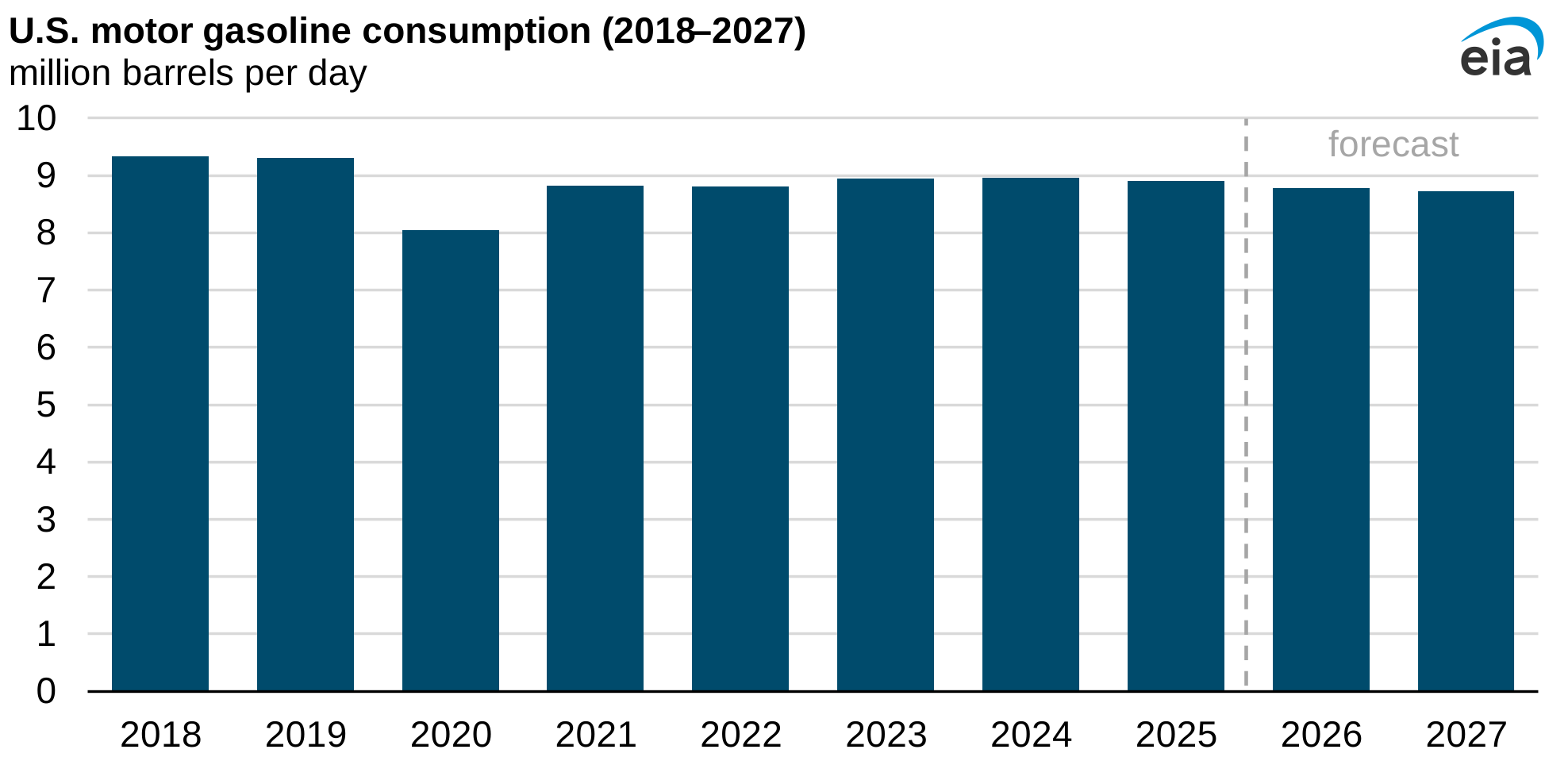
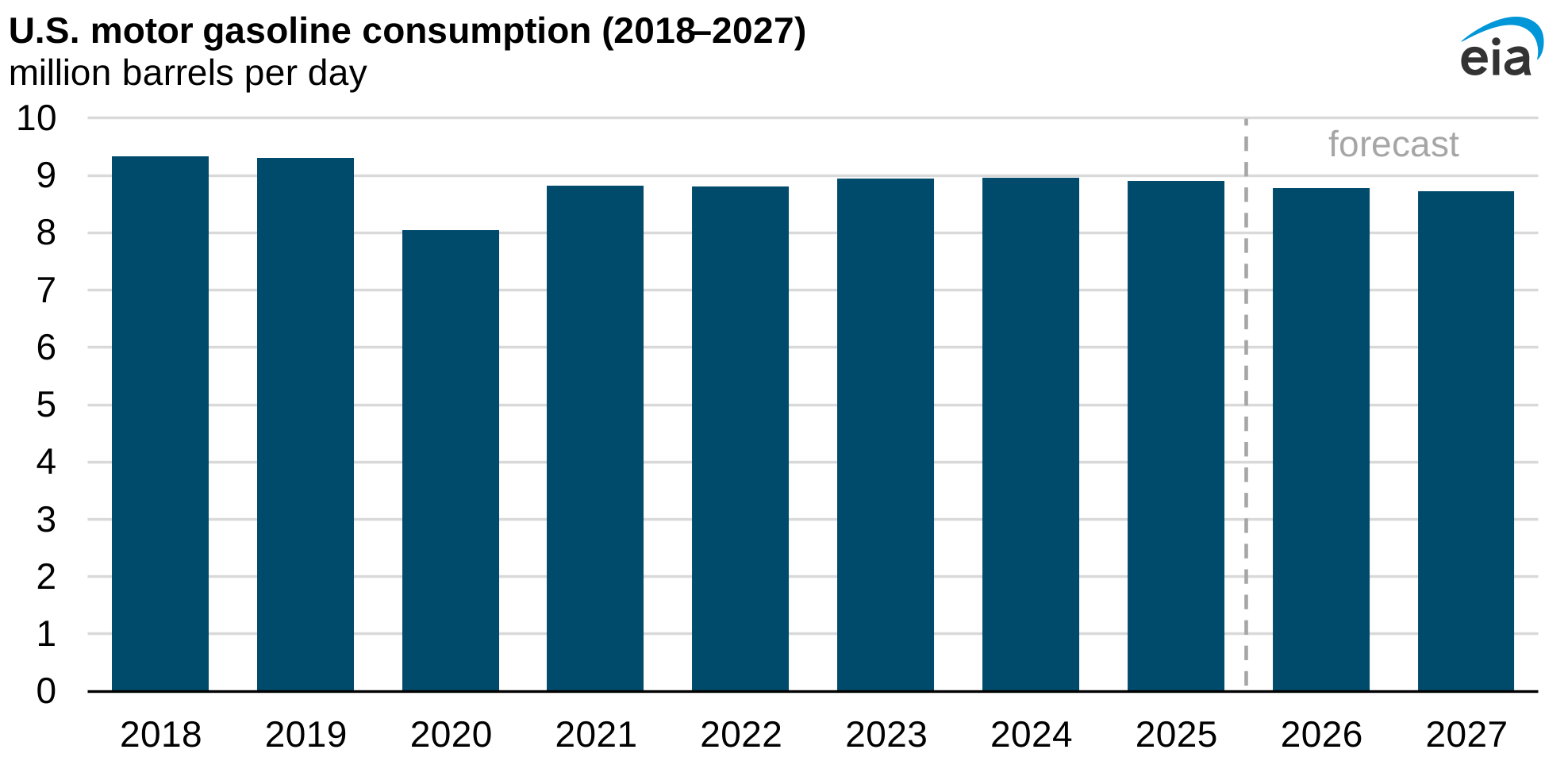
Annual motor gasoline consumption in the United States decreased in 2025 even as vehicle miles traveled (VMT) increased because of increasing fuel efficiency, a trend we forecast will continue in 2026 and 2027. U.S. motor gasoline consumption averaged 8.9 million barrels per day (b/d) in 2025, 1% less than 2024 and 4% less than pre-pandemic demand in 2019. In our April Short-Term Energy Outlook (STEO), we estimate that motor gasoline consumption will continue to decline as forecast fuel efficiency increases and VMT growth slows.
In-brief analysis
Apr 8, 2026
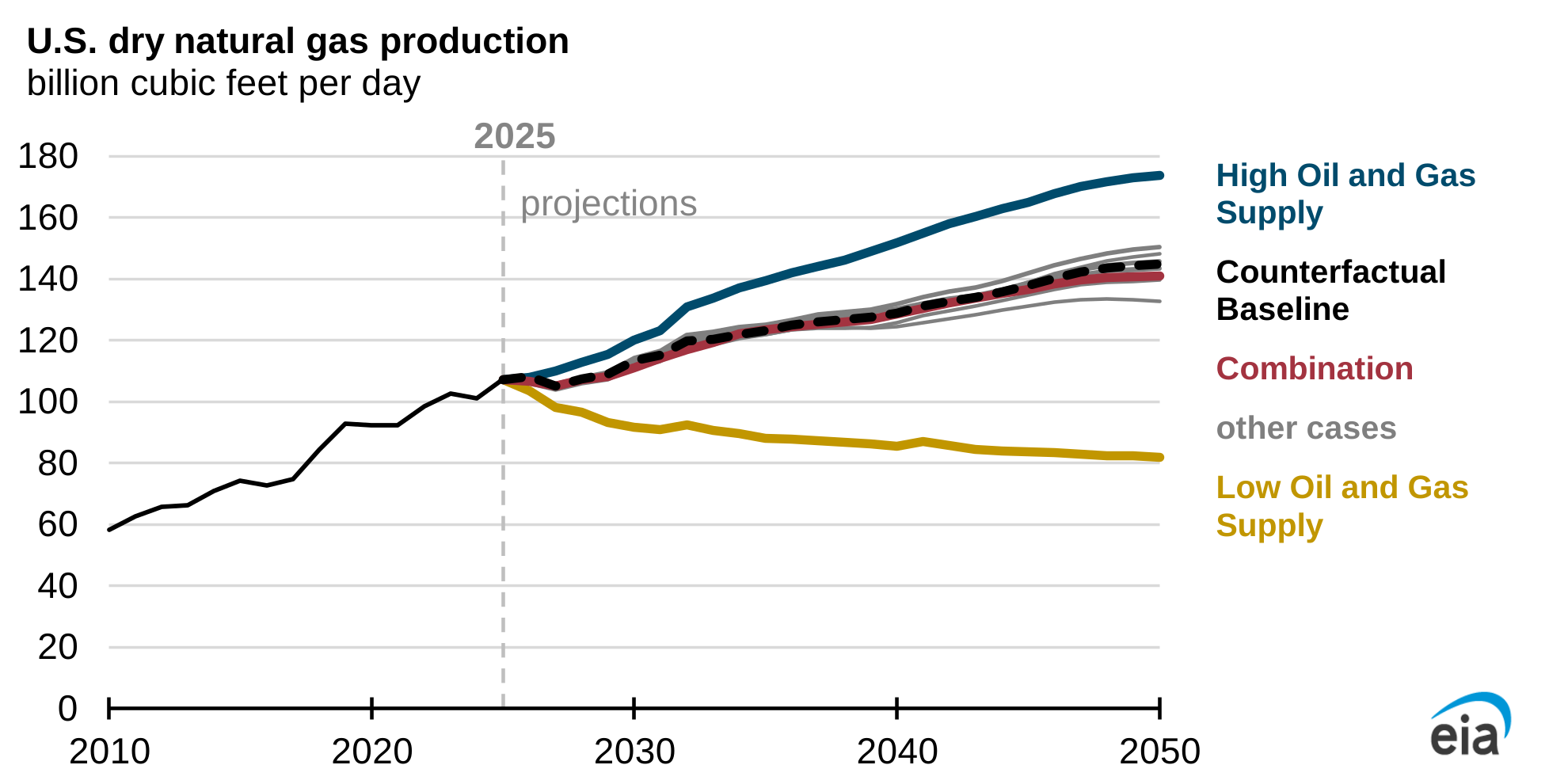
Data source: U.S. Energy Information Administration, Annual Energy Outlook 2026, April 2026
Note: Combination case assumes repeal of U.S. Environmental Protection Agency (EPA) 111 rule and greenhouse gas tailpipe emissions rule.
In our Annual Energy Outlook 2026 (AEO2026), we project U.S. dry natural gas production, which accounted for 38% of total U.S. energy production in 2025, will increase significantly over the next several decades, meeting growing domestic and international natural gas demand.
In-brief analysis
Apr 7, 2026
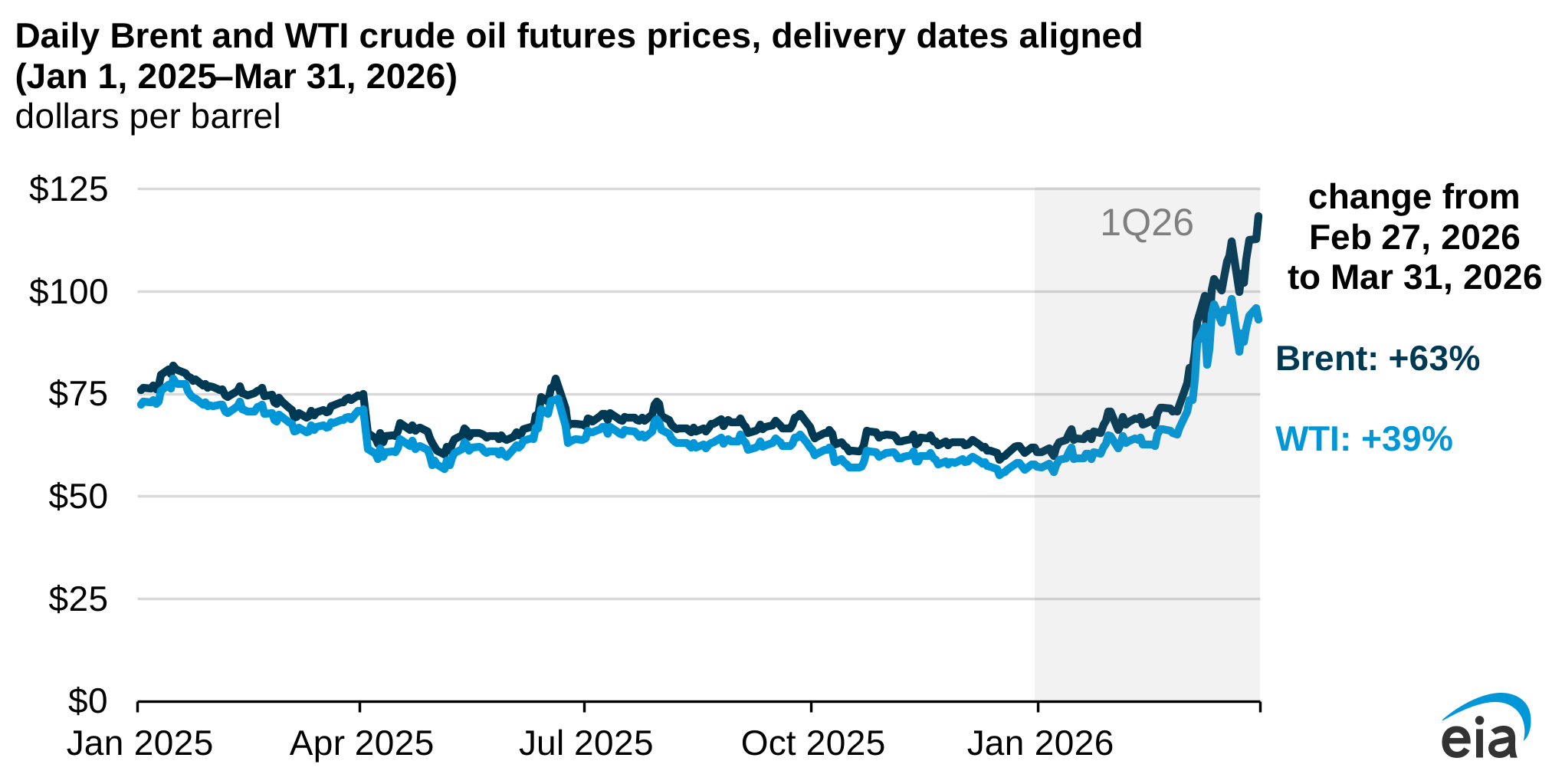
Data source: CME Group, Bloomberg L.P.
Note: The Brent front month futures price typically aligns with the WTI second month price; 1Q26=first quarter of 2026; WTI=West Texas Intermediate
Crude oil and petroleum product prices increased significantly in the first quarter of 2026 (1Q26), particularly following military action in the Middle East on February 28 and the subsequent de facto closure of the Strait of Hormuz. In this quarterly update, we review petroleum markets price developments in 1Q26, covering crude oil prices, petroleum product prices, and refinery inputs.
In-brief analysis
Apr 6, 2026
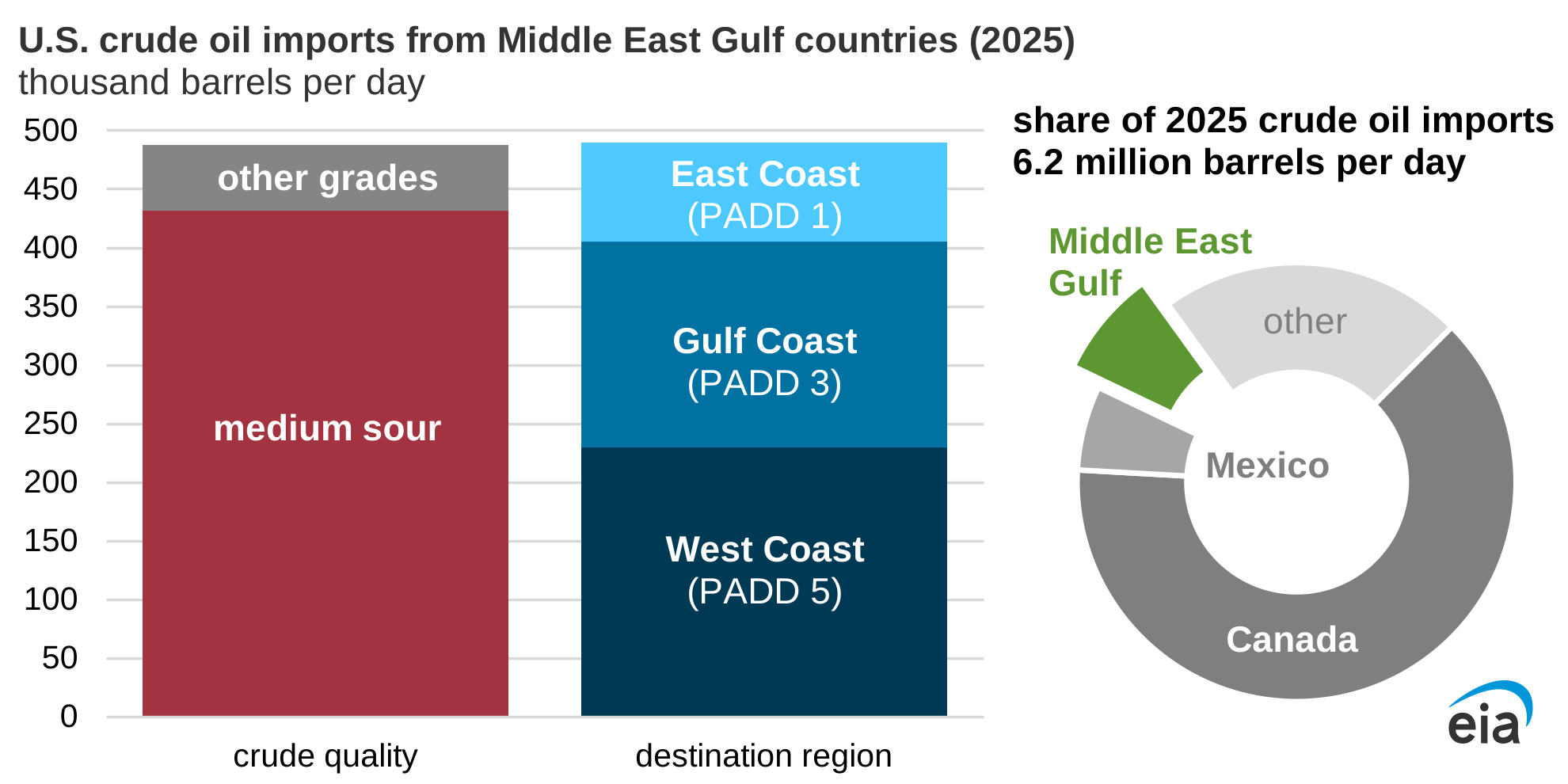
Data source: U.S. Energy Information Administration, Company Level Imports
Note: Medium crude oil grades refer to crude oils with an API gravity between 22 degrees and 38 degrees, and sour refers to any crude oil with a sulfur content of 0.5% or greater; Middle East Gulf refers to imports from Bahrain, Iraq, Kuwait, Oman, Qatar, Saudi Arabia, and the United Arab Emirates.
In 2025, the United States imported an average of 490,000 barrels per day (b/d) of crude oil from the Middle East Gulf region—Bahrain, Iraq, Kuwait, Oman, Qatar, Saudi Arabia, and the United Arab Emirates (UAE). Crude oil imports from the region are primarily medium sour grades of crude oil and flow mainly into the West Coast and Gulf Coast of the United States.
In-brief analysis
Apr 2, 2026
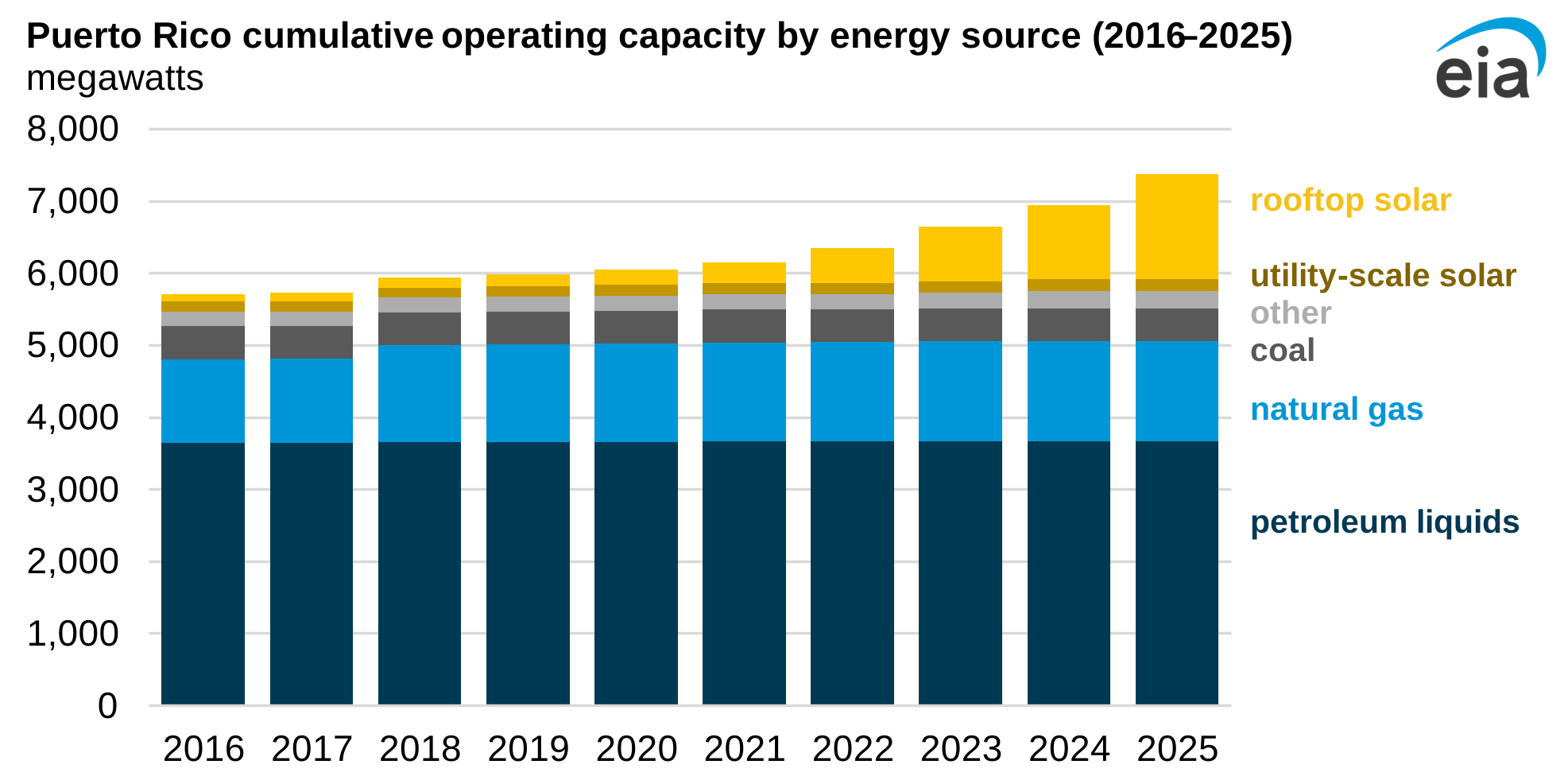
Rooftop solar generating capacity in Puerto Rico totaled 1,456 megawatts (MW) at the end of 2025, 20% of the overall capacity mix. Rooftop solar capacity has increased faster than other sources over the past decade. Between 2016 and 2025 rooftop solar installations accounted for 81% of the new generating capacity in Puerto Rico, according to data from our Electric Power Monthly and Puerto Rico Energy Bureau’s (PREB) Quarterly Report on System Data. In 2025, rooftop solar became the second-largest capacity source, after petroleum liquids capacity (3,671 MW), and surpassed natural gas capacity (1,391 MW).
In-brief analysis
Apr 1, 2026
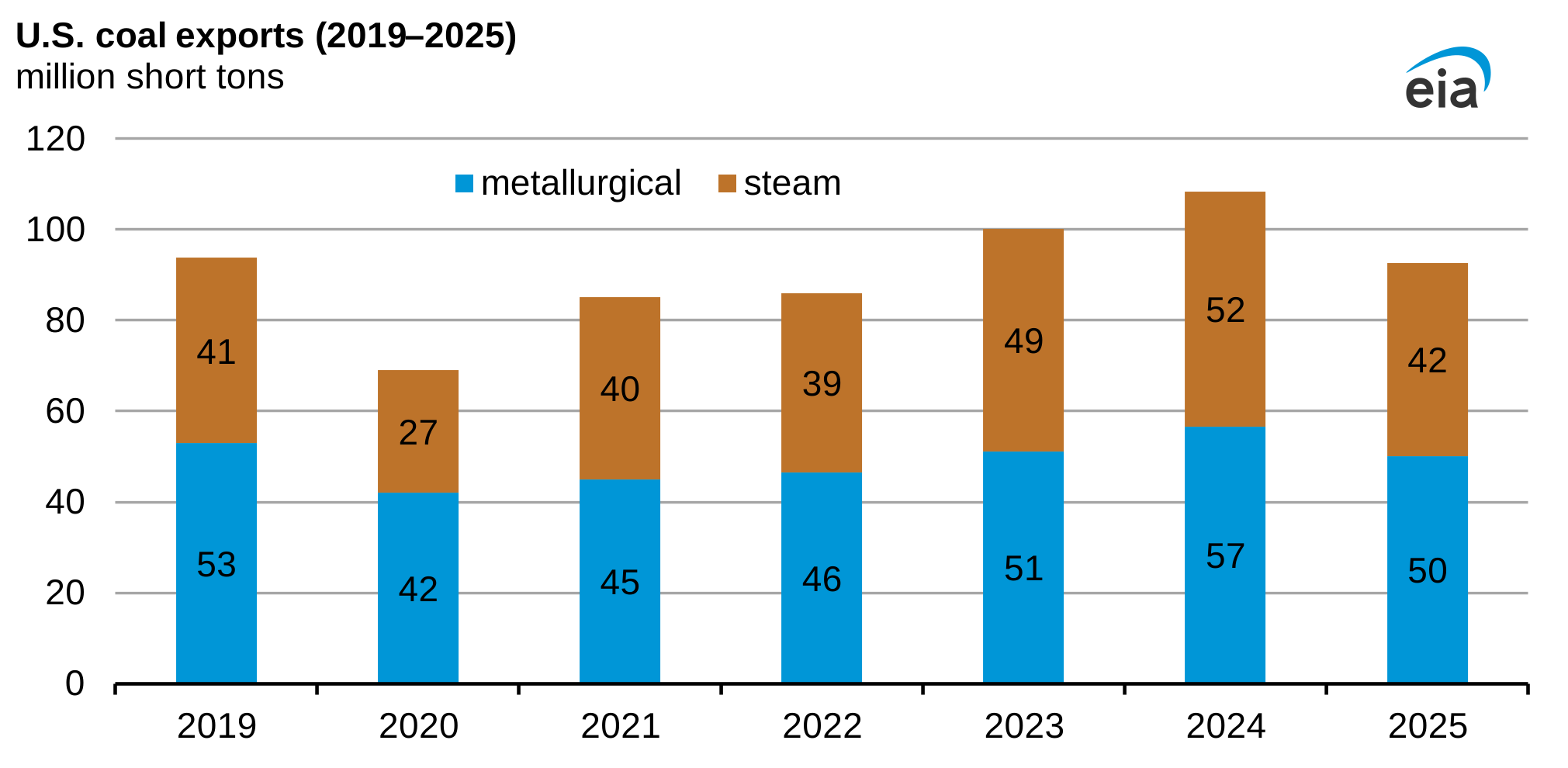
Data source: U.S. Census Bureau
After four years of growth, U.S. coal exports decreased by 16 million short tons (MMst) in 2025, according to data released by the U.S. Census Bureau. Exports totaled 93 MMst in 2025, compared with 108 MMst in 2024. Thermal coal exports fell by 18%, and metallurgical coal exports fell by 11%.
In-brief analysis
Mar 31, 2026
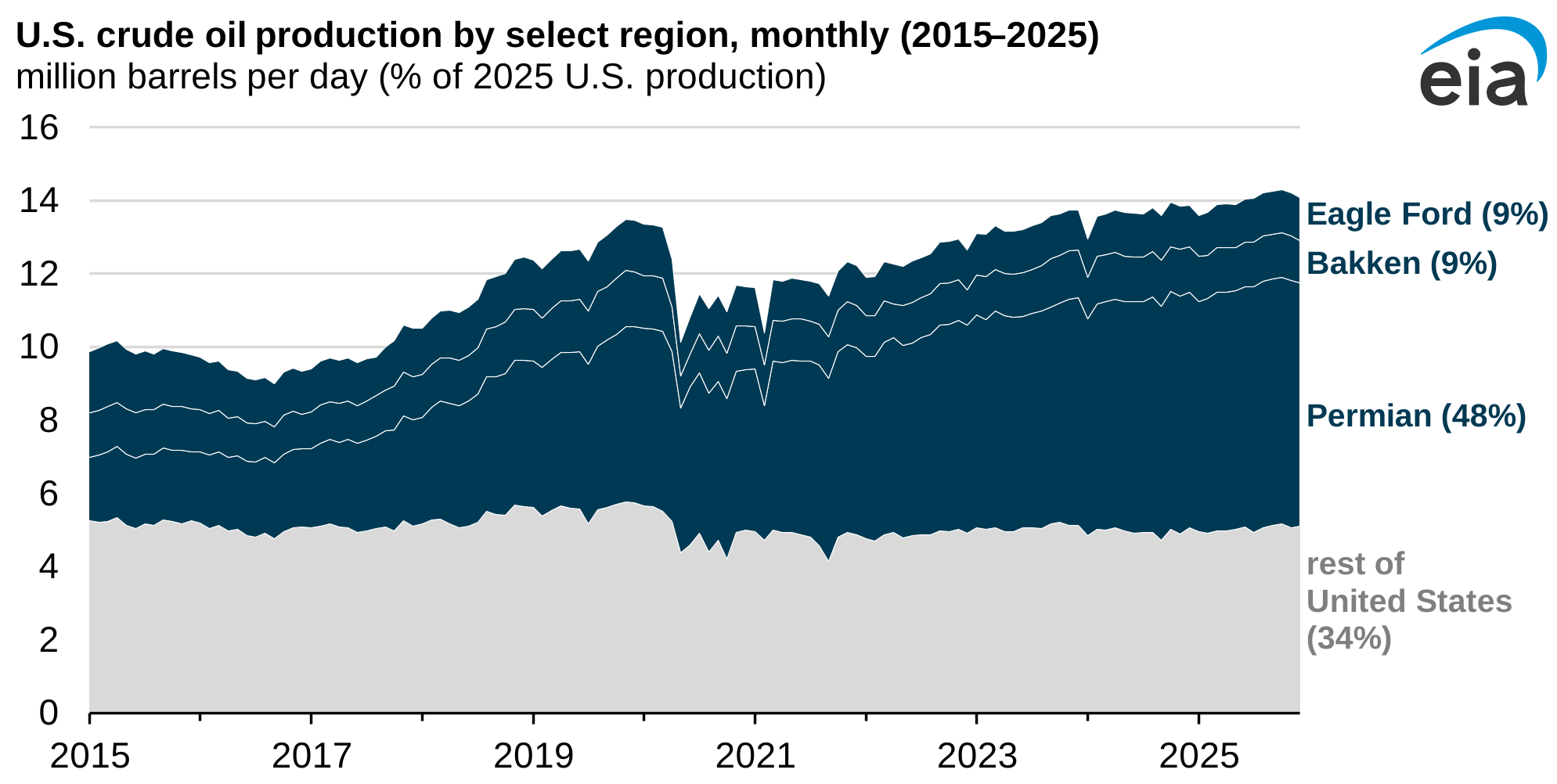
U.S. crude oil production grew by 3%, or 350,000 barrels per day (b/d), in 2025, setting a new annual production record of 13.6 million b/d, according to our latest Short-Term Energy Outlook (STEO). Production from the Lower 48 states excluding the Gulf of America (L48) accounted for 11.3 million b/d, or 83% of the total U.S. crude oil production in 2025. The rest of the production came from Federal Gulf of America (GOA) and Alaska.
In-brief analysis
Mar 30, 2026
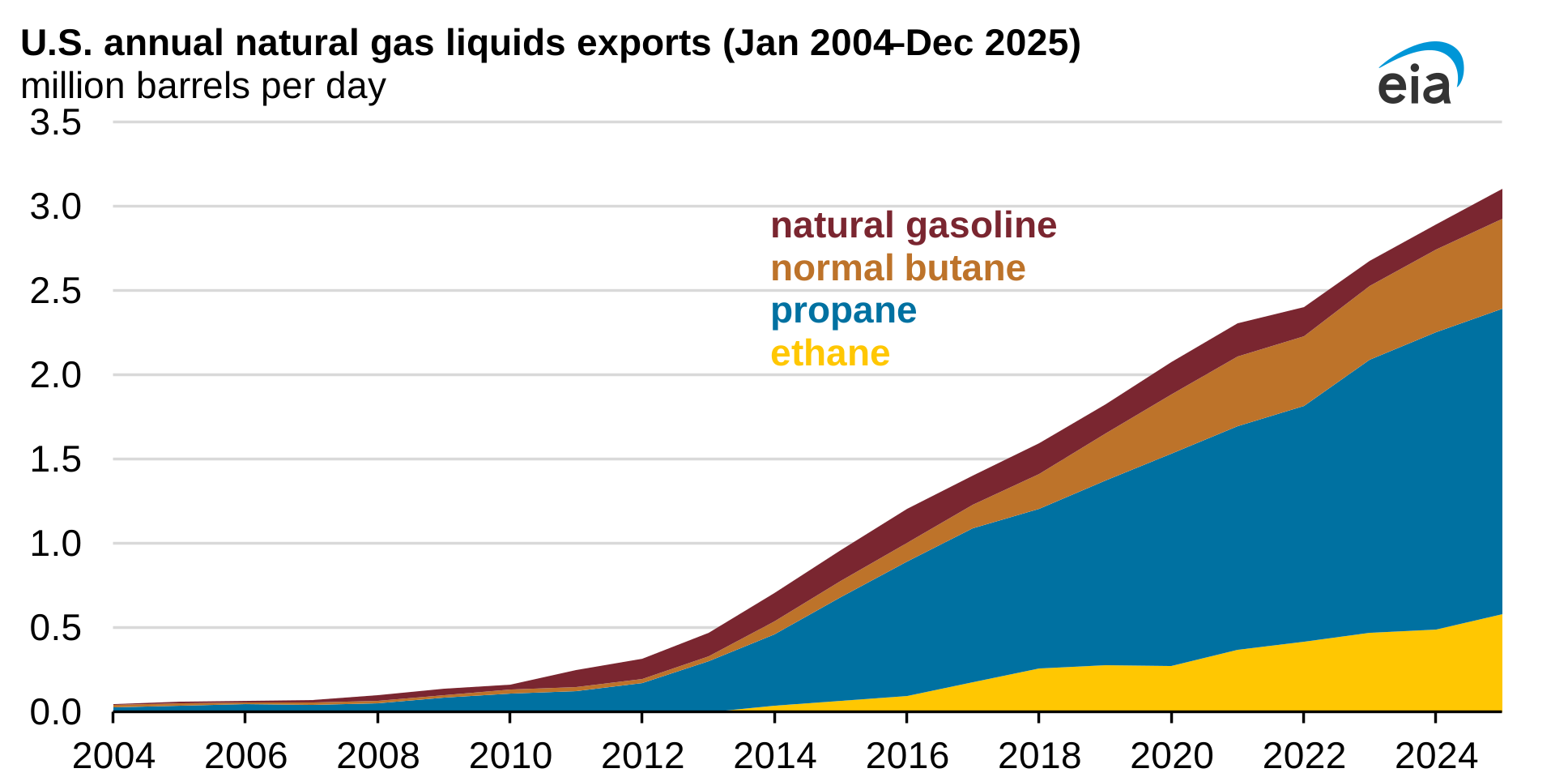
Natural gas plant liquids (NGPL) exports reached 3.1 million barrels per day (b/d) in 2025, growing 7% from the previous year. These fuels are primarily extracted from the natural gas stream. NGPL plant production has increased every year since 2005, driven by higher production of NGPLs and more global demand for NGPLs, especially as petrochemical feedstocks.
In-brief analysis
Mar 26, 2026
Data source: Argus Freight
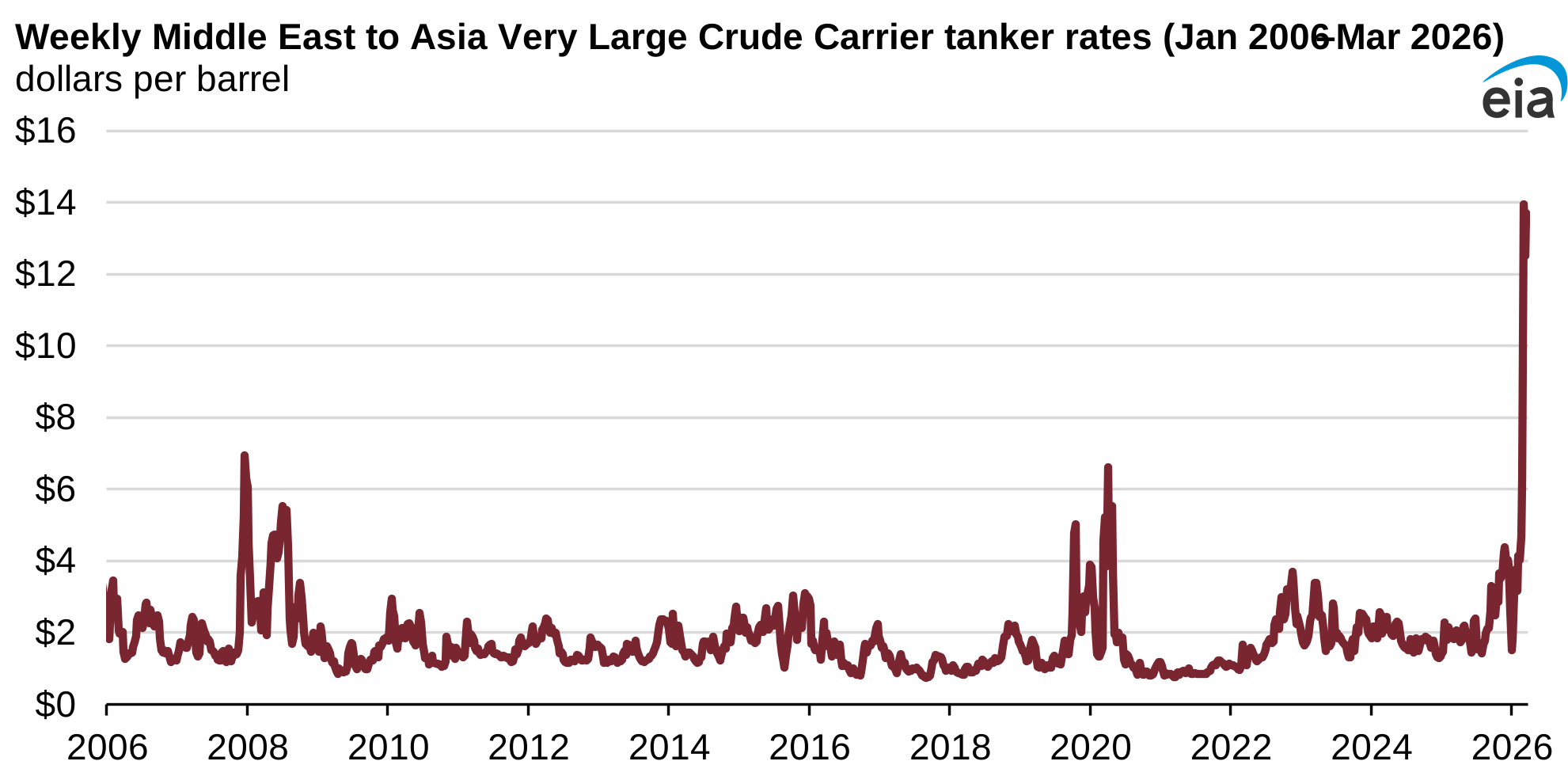
In March 2026, tanker rates for Very Large Crude Carriers (VLCCs) leaving the Middle East to Asia were the highest since at least November 2005, when data were first recorded. The price increase followed Iran’s closure of the Strait of Hormuz on March 2.
The Strait of Hormuz is an important chokepoint, connecting the Persian Gulf to the Gulf of Oman and Arabian Sea. The physical risk of attacks on vessels attempting to traverse the Strait of Hormuz, as well as the high cost of war risk insurance for vessels to do so, drove crude oil tanker rates from the Middle East Gulf to all destinations to record highs.
The high risk and effective closure of the Strait has led to a backup of vessels confined in the Persian Gulf that had already loaded crude oil from various Gulf countries. The confined vessels reduce the availability of global tanker capacity, which increases tanker rates.
Crude oil tanker rates from the Americas, especially the U.S. Gulf Coast, also rose to record highs because of high demand for crude oil and fewer vessels available for shipment.
Clean tanker (used for petroleum products) and natural gas carrier rates have also increased. On March 17, the U.S. Department of Homeland Security issued a temporary waiver for compliance with the Jones Act, which may contribute to additional shifts in global shipping and tanker availability.
In-brief analysis
Mar 25, 2026
Data source: U.S. Energy Information Administration, Annual Coal Report and Quarterly Coal Report
Note: The 2025 data points are annualized using the first three quarters of 2025 data from the most recent Quarterly Coal Report.
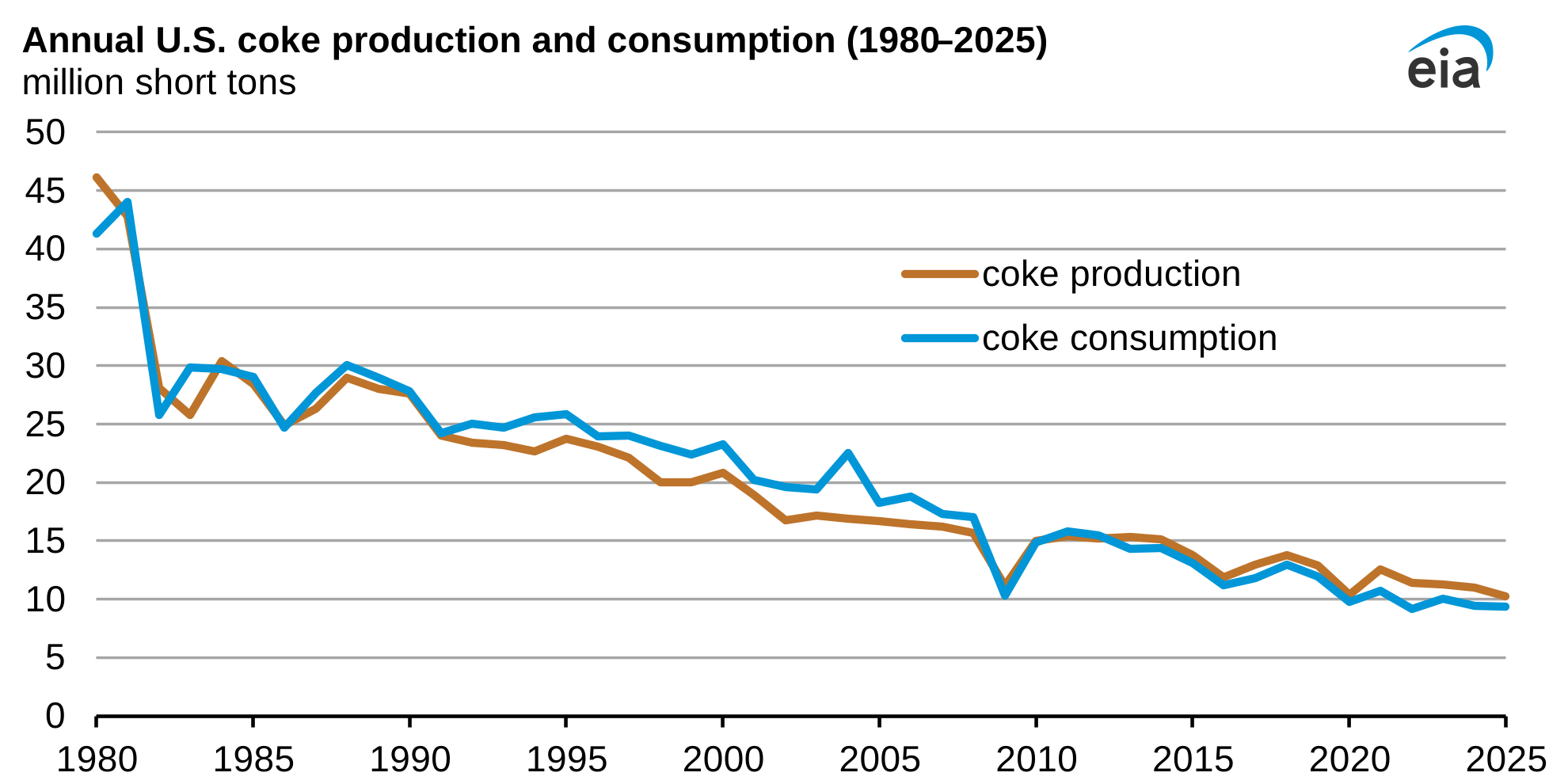
The United States produced 10 million short tons (MMst) of coke used in steel manufacturing in 2025, a drop of 78% from 1980 when it produced 46 MMst, according to EIA’s most recent Annual Coal Report and Quarterly Coal Report. Similarly, we estimate the United States consumed 9.3 MMst of coke in 2025 compared with 41 MMst in 1980, a decline of 77%, by annualizing the first three quarters of data from the most recent Quarterly Coal Report.
In-brief analysis
Mar 24, 2026
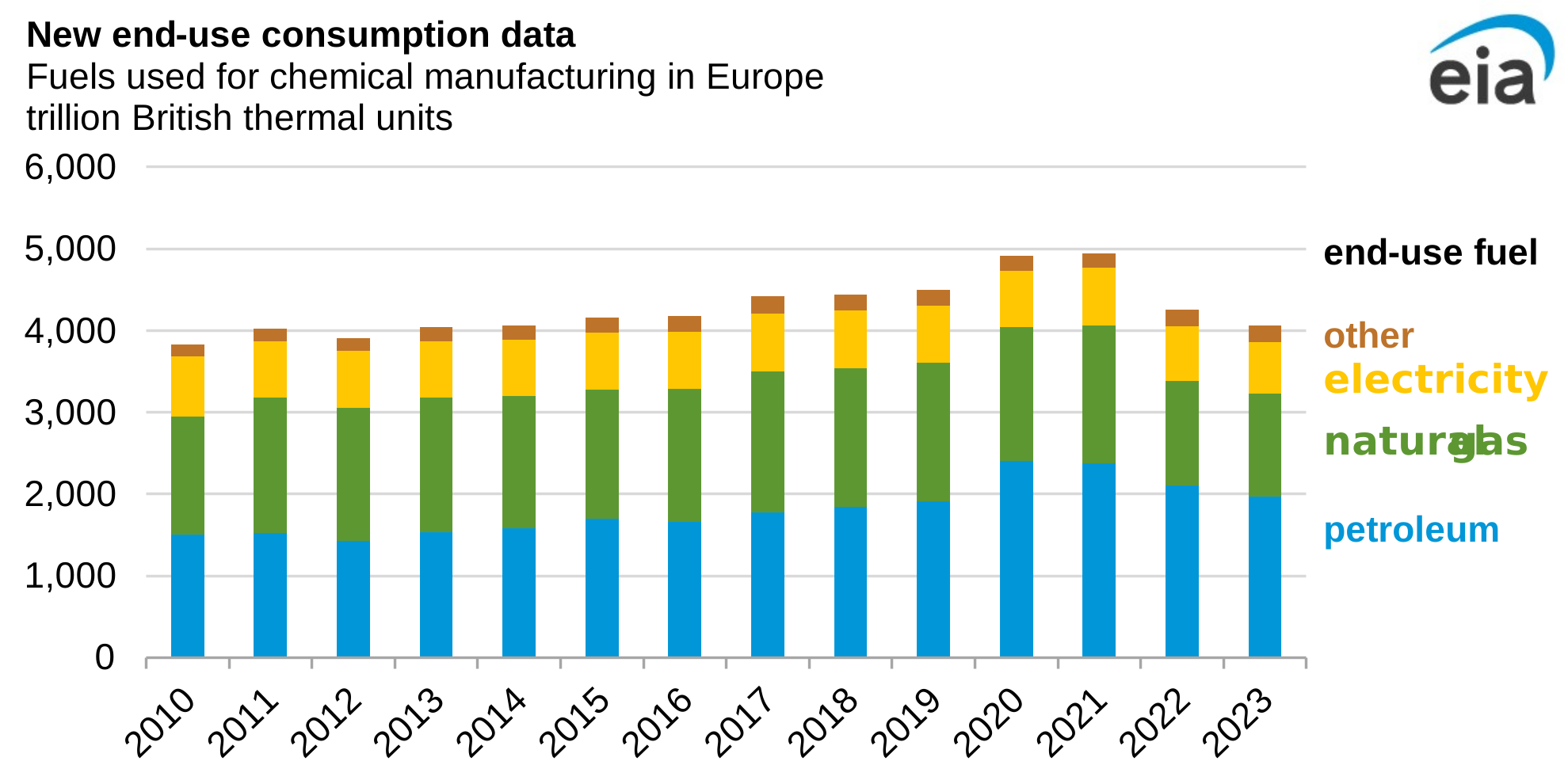
We have released a new international dataset containing end-use consumption data for most countries of the world, with annual data through 2023. The new data set disaggregates the existing total international consumption values into up to 34 end-use sub-sectors, such as construction, mining, refining, residential, and commercial. Our end-use data set categorizes end-use consumption by region, country, fuel, sector, and sub-sector in which the energy is consumed. In the example above, we break down the fuels used in Europe to produce chemicals.
In-brief analysis
Mar 23, 2026
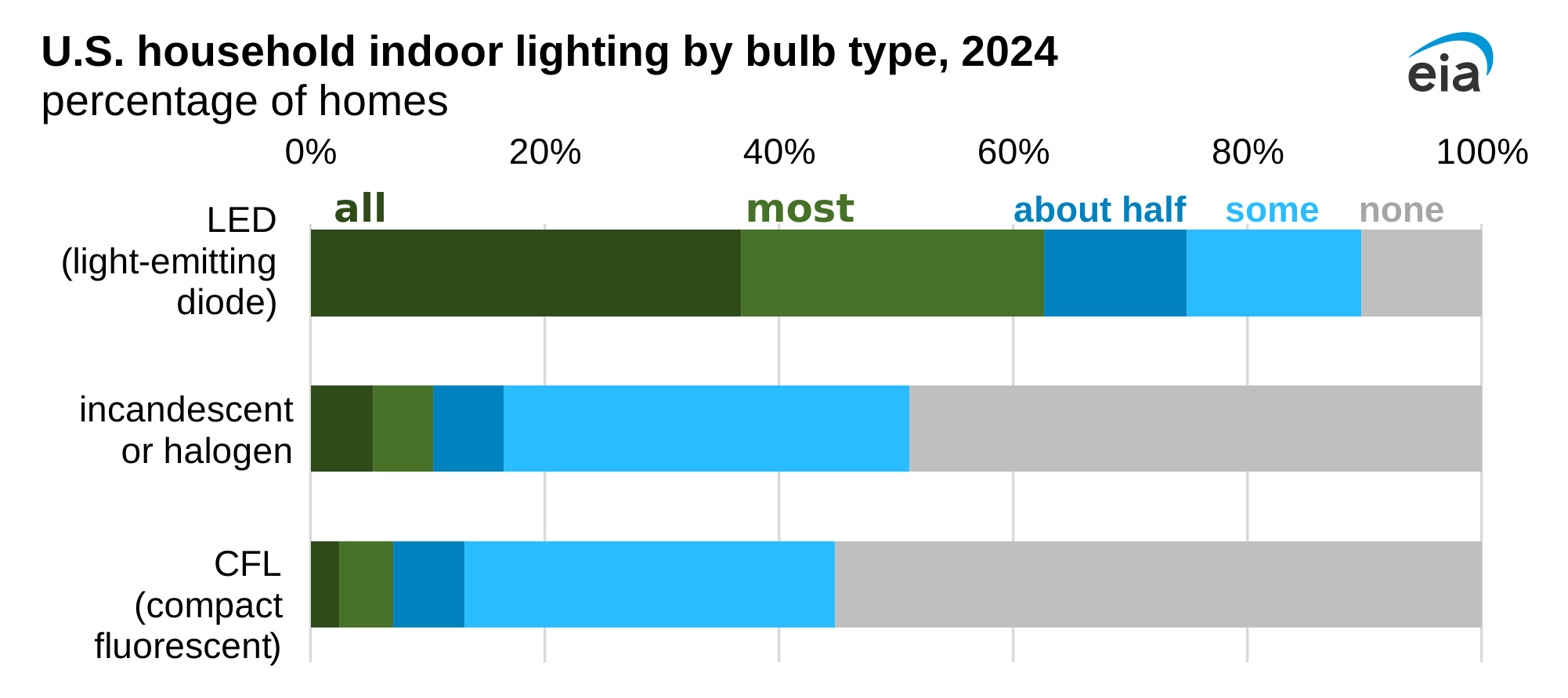
Although homes can have a mix of bulbs for indoor lighting, 90% of U.S. households reported using light-emitting diode (LED) bulbs, according to the most recent results of the Residential Energy Consumption Survey (RECS). Over one-third of households (37%) used LED bulbs for all indoor lighting. In contrast, 5% of households reported using incandescent or halogen bulbs and 2% used compact fluorescent (CFL) bulbs for all indoor lighting.
In-brief analysis
Mar 20, 2026
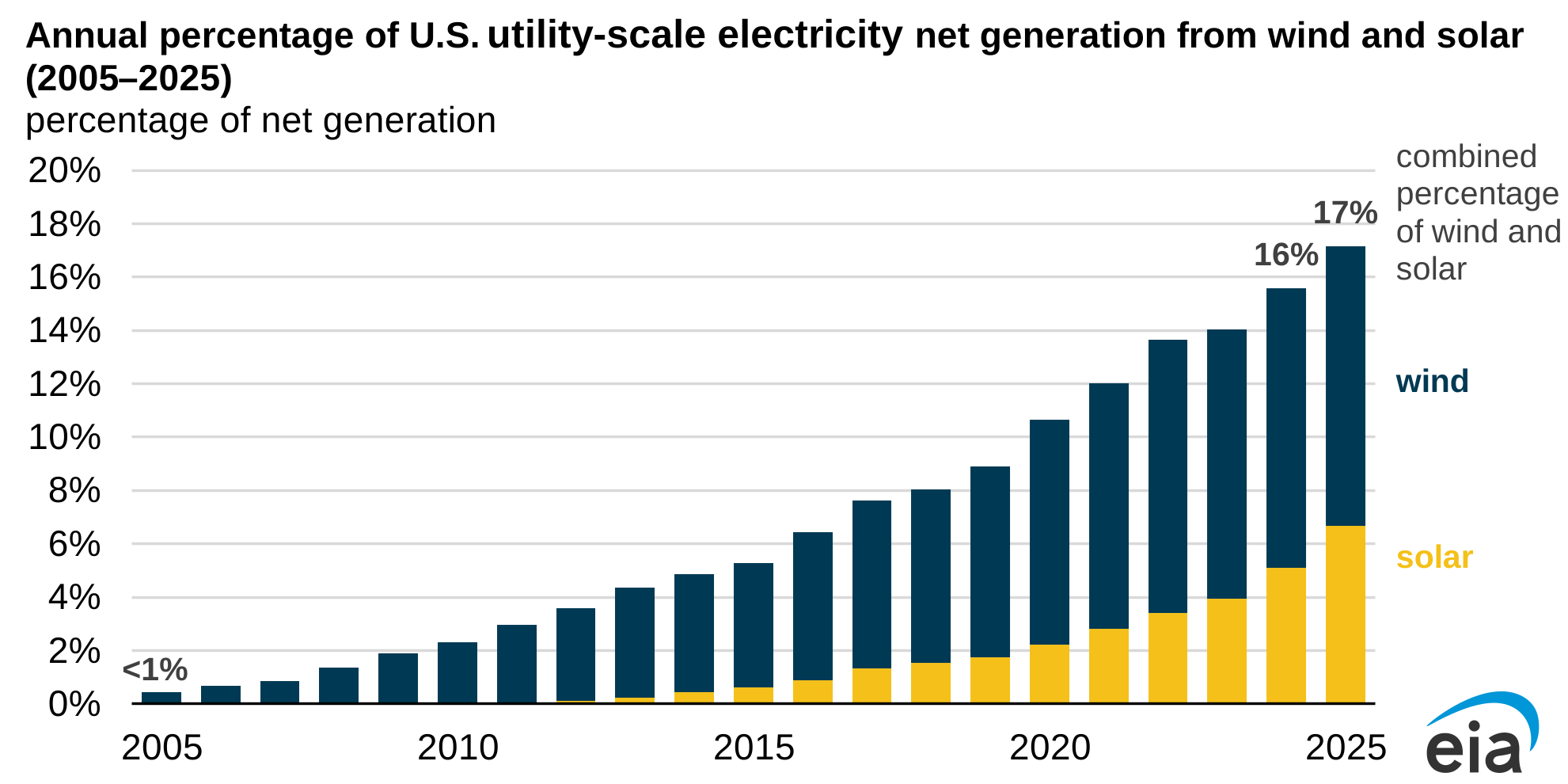
Over the past 20 years, electricity from wind power and utility-scale solar power has increased to 17% of generation in the United States compared to less than 1% in 2005. In 2025, net generation of wind and solar together accounted for 760,000 gigawatthours (GWh) of electricity, 88,000 GWh more than in 2024, according to data from our Electric Power Monthly. We classify a power plant as utility-scale if it has at least 1 megawatt of generating capacity.
In-brief analysis
Mar 19, 2026
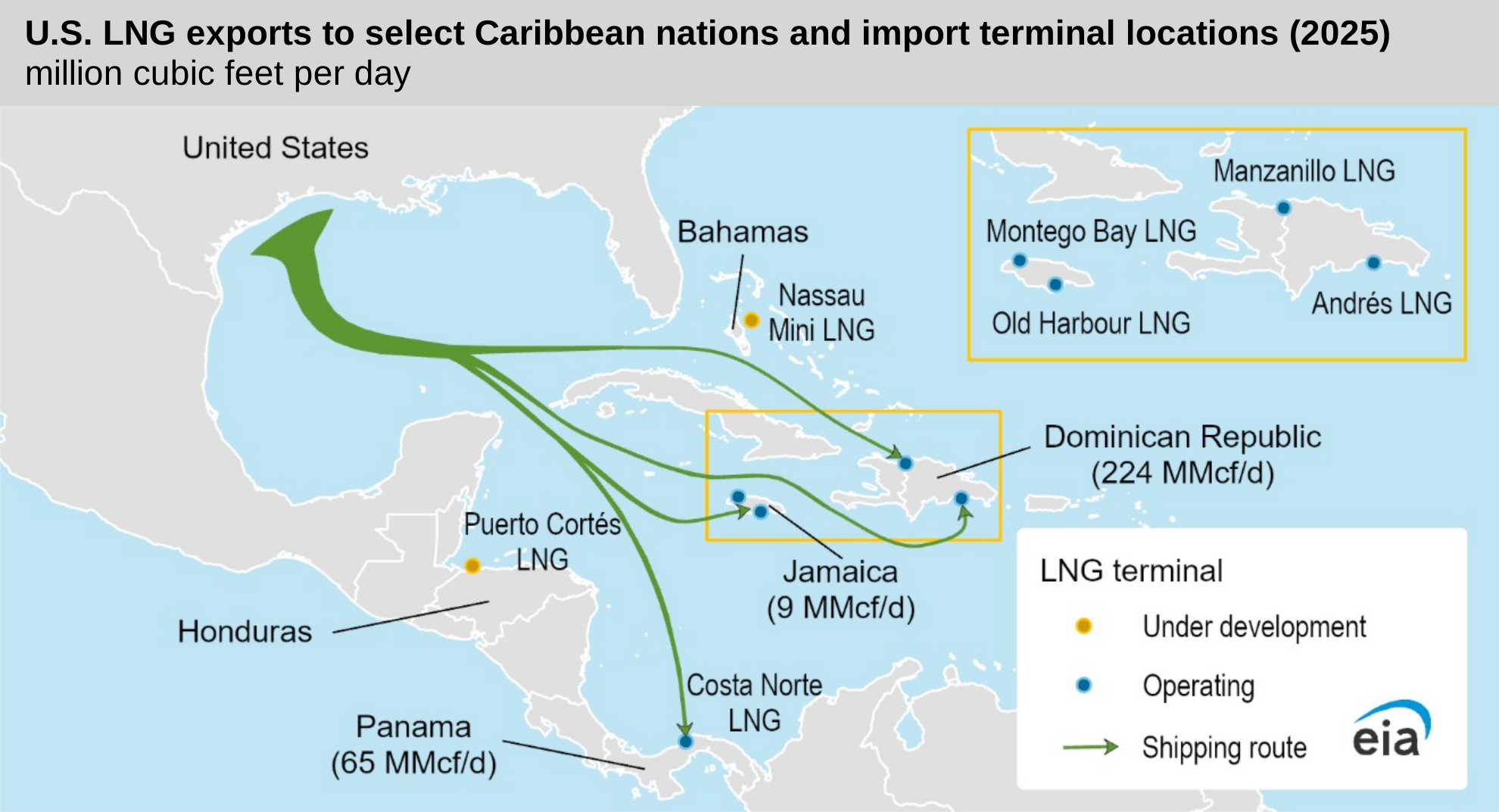
Data source: U.S. Energy Information Administration, Vortexa Analytics, trade press reports
Note: LNG=liquefied natural gas; MMcf/d=million cubic feet per day
The United States exported approximately 0.3 billion cubic feet per day (Bcf/d) of liquefied natural gas (LNG) to destinations in the Caribbean in 2025, the second-highest volume since the first LNG cargo departed Sabine Pass in 2016, according to the U.S. Department of Energy’s LNG Exports and Re-Exports Details.
In-brief analysis
Mar 18, 2026
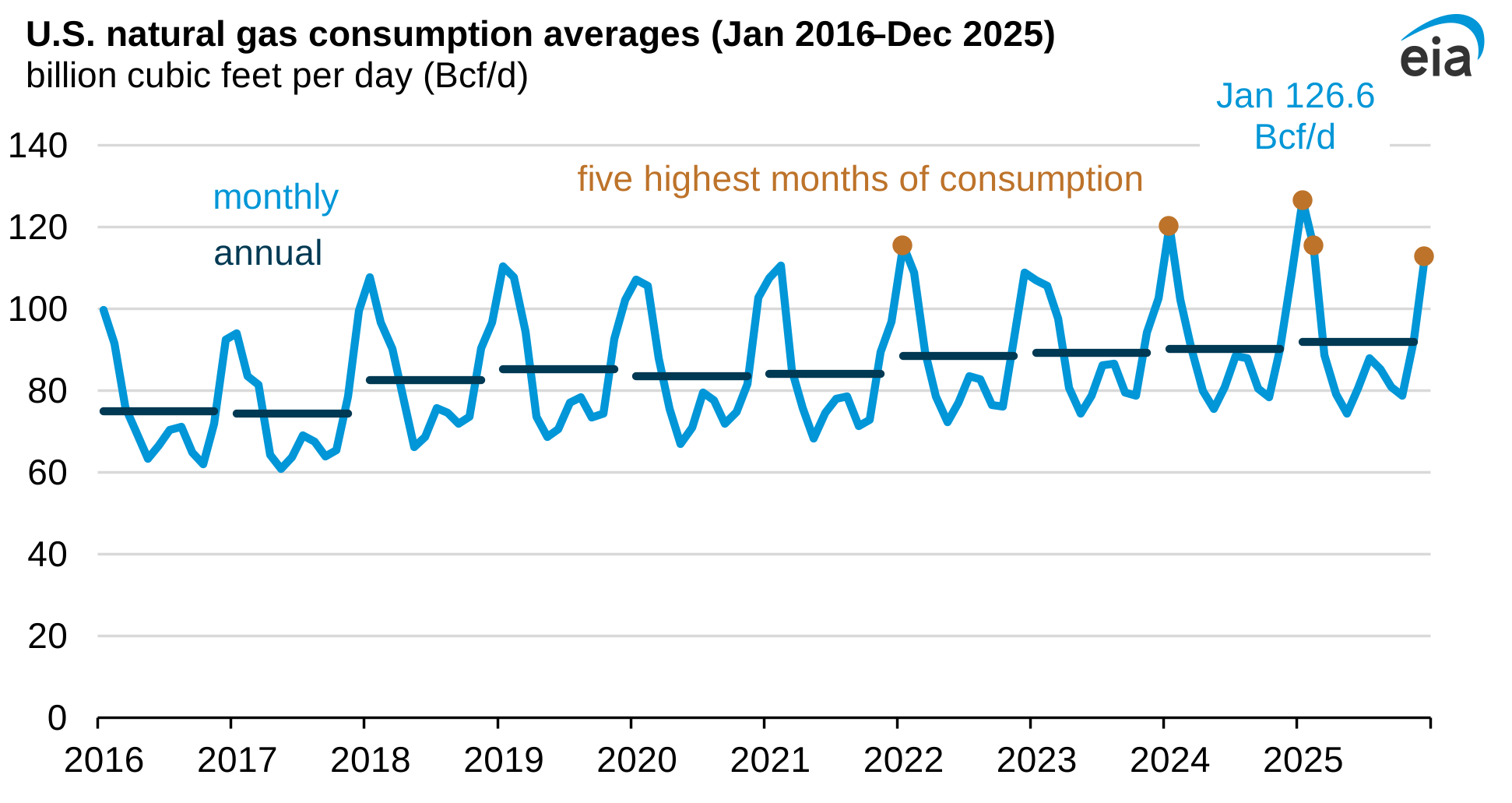
U.S. natural gas consumption averaged a record 92.0 billion cubic feet per day (Bcf/d) in 2025 and set a new winter monthly record of 126.6 Bcf/d in January 2025, according to data in our Natural Gas Monthly. Overall, U.S. natural gas consumption last year increased 2% (1.7 Bcf/d) from 2024. In January 2025, natural gas consumption was up 5% (6.3 Bcf/d) compared with January 2024.