In 2026, HEV hybrid cars that don’t require plugging into the power grid have become the true middle ground for Spanish drivers unwilling to accept the limitations of electric vehicles. Their popularity is driven not only by fuel savings but also by the freedom from searching for charging stations, a significant advantage for those living in cities and suburbs. HEVs allow for electric driving in urban settings and eliminate range anxiety on the highway—making them appealing to a broad audience.
Unlike electric vehicles and PHEVs, HEV hybrids do not depend on a complex infrastructure. Their battery charges automatically while driving, using braking energy and the petrol engine. This means owners don’t have to plan routes around charging stops or worry about not having an outlet at home. This approach is valued especially by those who often change their driving routes or do not want to depend on charging schedules.
A key advantage of HEVs is their ease of use. In cities, they can run on electricity, reducing fuel consumption and emissions. However, full electric mode is possible only over short distances and at low speeds. On highways or during acceleration, the petrol engine kicks in, with the electric motor reducing the load and fuel usage. This saves fuel without sacrificing performance, particularly noticeable in heavy urban traffic.
Advantages and limitations
Hybrid HEVs do not require plugging into the power grid, which eliminates concerns about charging and makes them convenient for those without their own garage or who live in older buildings. Unlike PHEVs, their battery is smaller, so the all-electric range is limited to a few kilometers. This doesn’t allow them to be used as a full-fledged electric car, but for daily city trips, it’s sufficient.
On long journeys or at high speeds, the gasoline engine does most of the work, and fuel consumption approaches that of conventional cars. However, in city driving, savings are noticeable and emissions are lower than traditional vehicles. HEVs have received the ECO environmental label, which gives owners tax benefits, permission to enter restricted traffic zones, and parking discounts. However, they don’t yet have the CERO status—which offers even more benefits—because they lack a fully electric mode.
According to russpain.com, HEV hybrids are among the best-selling vehicles in Spain, second only to the most affordable gasoline models. They’re chosen by those who value reliability, simplicity, and don’t want to depend on charging infrastructure. Microhybrids (MHEVs), which use even smaller electric motors, cost less but can’t drive on electricity alone and offer a smaller saving effect.
Market leaders
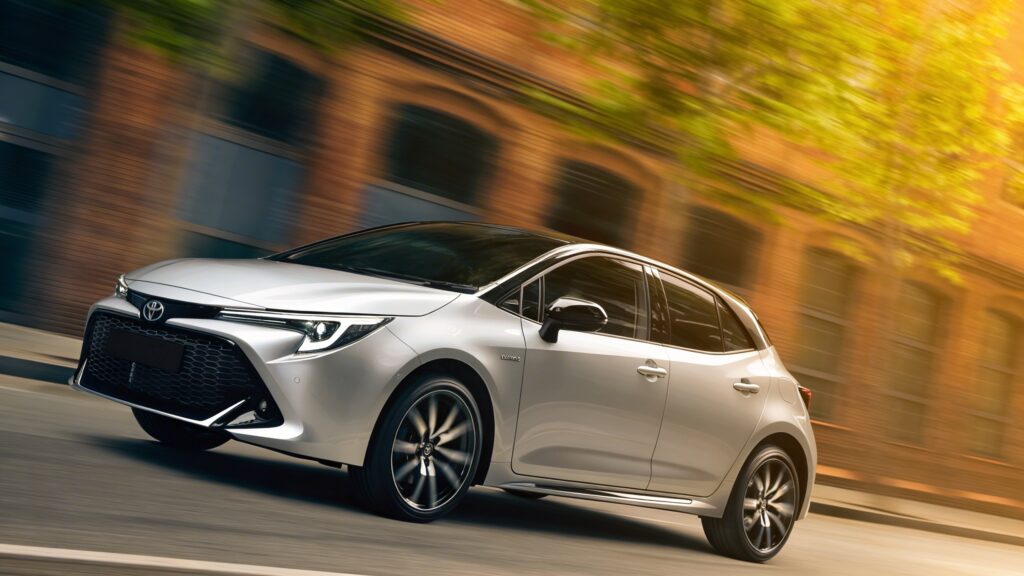
Toyota leads the Spanish market with several popular models: the Toyota Corolla, Toyota C-HR, and Toyota Yaris Cross consistently rank among the top ten best-selling cars. These vehicles are known for their reliability, fuel efficiency, and low maintenance. Beyond Toyota, the Renault Clio E-Tech, Kia Sportage, and Hyundai Tucson also stand out, all available in HEV, MHEV, and PHEV versions. This variety allows buyers to choose a vehicle that fits any need and budget.
Interestingly, hybrid technologies continue to advance despite the growing number of electric vehicles. Manufacturers focus on reliability and simplicity, while buyers value the option of not relying on charging infrastructure. As noted by russpain.com, even with the emergence of new electric cars, demand for HEVs remains strong and their market share is steady.
Technology and future outlook
The HEV system automatically switches between gasoline and electric drive. In city traffic, the car mostly uses electricity, bringing the gasoline engine in only as needed. The battery charges during braking and coasting, letting drivers save fuel without any extra effort. This makes HEVs especially convenient for those who prefer a reliable vehicle without getting involved in technical details.
Unlike electric cars, which require regular charging and depend on infrastructure, HEVs are suitable for any route and do not limit the owner’s travel choices. This is especially important for those who frequently commute between the city and suburbs or cannot plan their trips in advance. According to RUSSPAIN, HEV hybrids have become the optimal choice for most Spanish families who value savings and do not want to change their usual lifestyle.
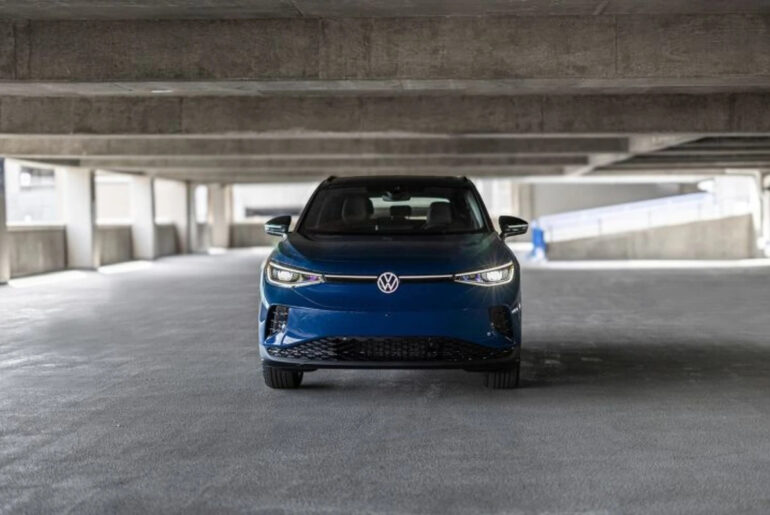
Amid these trends, it’s worth noting how other manufacturers are trying to reshape the market. For example, Volkswagen is actively introducing new electric and hybrid vehicles, which was already discussed in the article about the launch of four new models in China — details about Volkswagen’s strategy show that competition between hybrids and electric cars is only growing.
Toyota is one of the main players in the hybrid car market. The company was the first to introduce a mass-produced HEV — the Toyota Prius, which became a symbol of the shift toward environmentally friendly technologies. Over the past 25 years, Toyota has launched dozens of hybrid models, focusing on reliability and simplicity. Today, the brand is associated with fuel efficiency and durability, and its cars are popular among all types of drivers, from young families to retirees. Thanks to continuous technological development, Toyota maintains its leadership in the HEV segment and continues to expand its hybrid lineup for various categories of buyers.