BMW’s Neue Klasse is no longer just the name of a new electric era for BMW itself. It is becoming the technological backbone of a much wider transformation across the group.
Joachim Post, BMW board member for Development, has confirmed that the core technologies behind Neue Klasse will also be used by other brands inside the BMW Group, although not in a simple copy and paste form.
That distinction matters because it shows how BMW intends to balance scale and brand identity at the same time. The company wants one broad technology base, but it does not want MINI or Rolls Royce to feel like BMWs wearing different badges.
With the new iX3 already established as the first Neue Klasse model and the all electric i3 set to begin series production in Munich in August 2026, the rollout has clearly moved beyond the concept stage. BMW says Neue Klasse technologies will be integrated into 40 new models and model updates by the end of 2027, which makes this less of a single platform launch and more of a company wide reset.
Neue Klasse Becomes A Group Wide Technology Program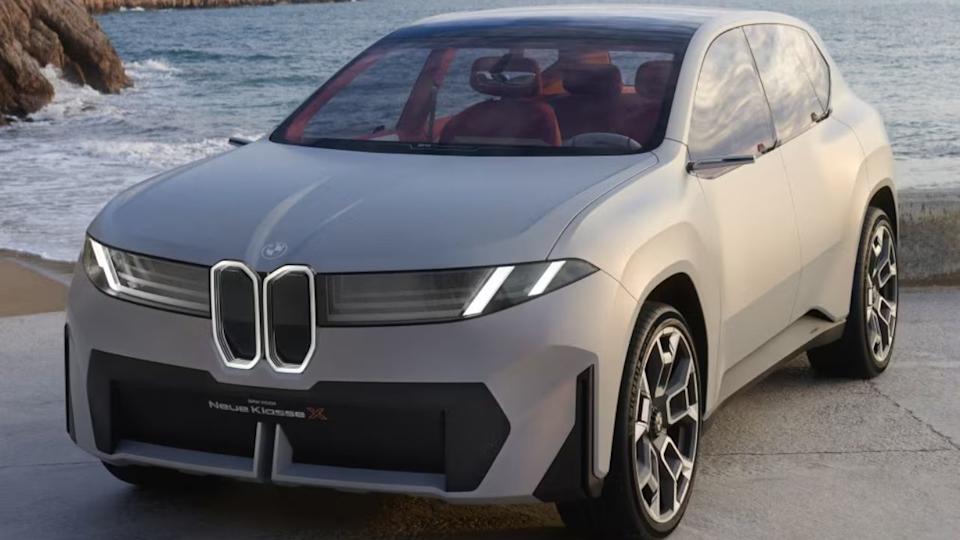
Photo Courtesy: Autorepublika.
Post’s comments make clear that BMW does not see Neue Klasse as something reserved only for cars carrying the roundel. According to reporting on his interview with Automobilwoche, the company is already planning to adapt these advances for brands ranging from MINI to Rolls Royce. The idea is straightforward.
BMW is developing technology for the whole portfolio, not for one marque in isolation. That is exactly the kind of thinking large car groups need when hardware, software, battery systems, and digital interfaces are becoming more expensive and more central to competitiveness.
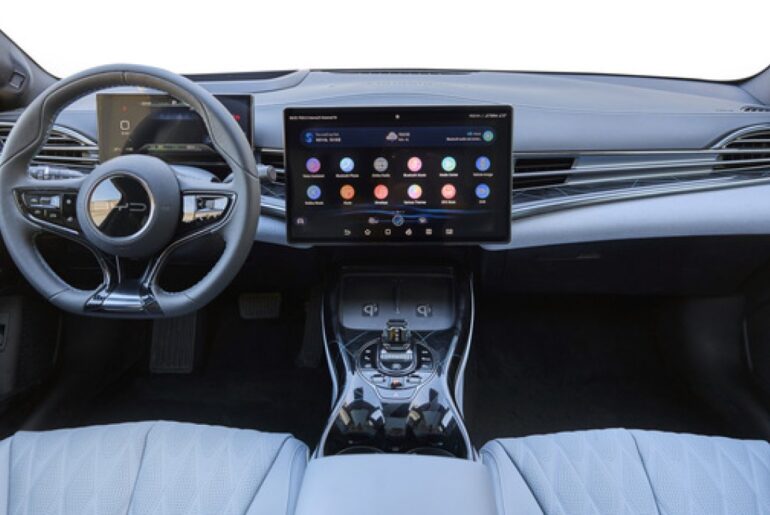
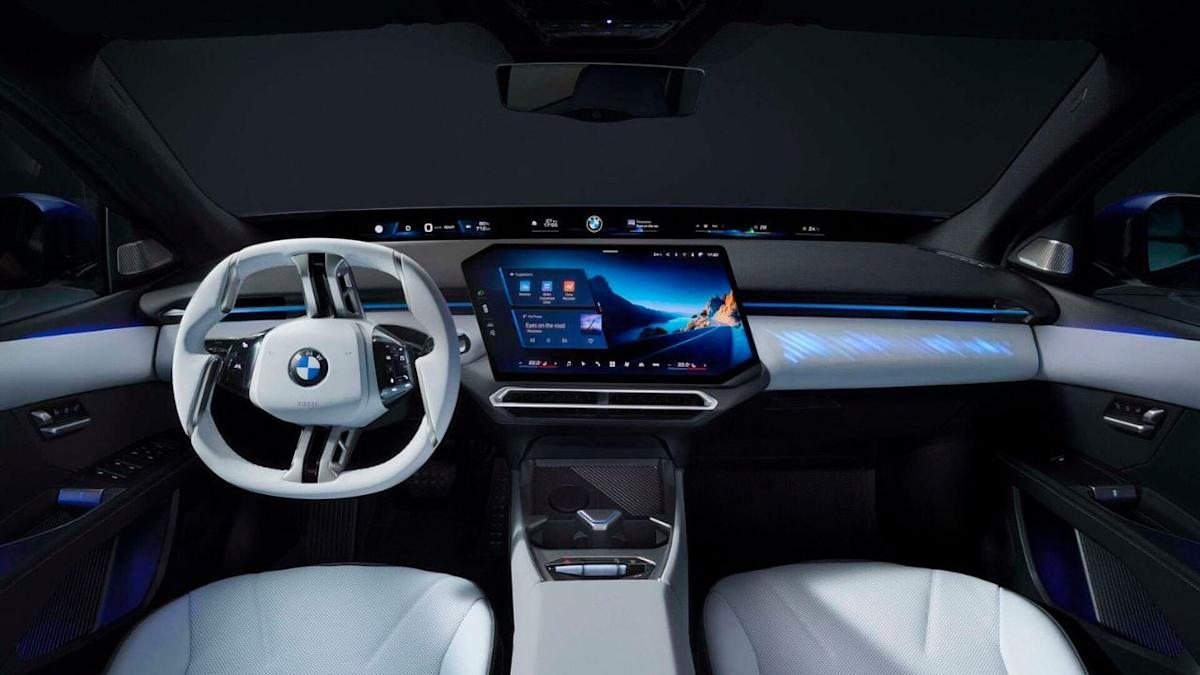
At the same time, BMW is drawing a clear line between shared technology and shared character. Post specifically indicated that the group will not simply transplant BMW’s Panoramic iDrive and control concept into something like a Rolls Royce unchanged. Instead, each brand will get its own interpretation, shaped around its own priorities.
That means MINI can stay playful and compact, while Rolls Royce can preserve the calm, highly curated atmosphere that defines its luxury identity.
Software And Design Will Spread Beyond EVs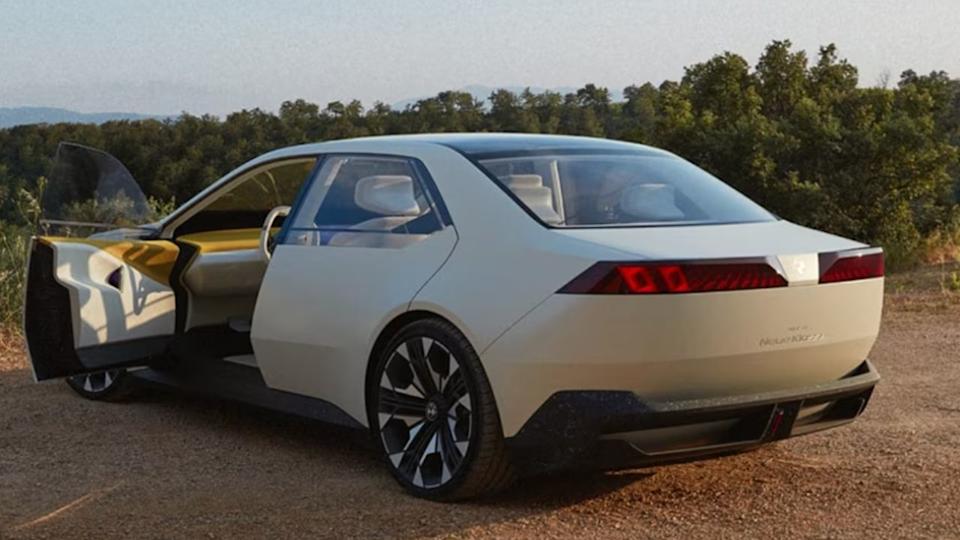
Photo Courtesy: BMW.
One area where confusion has lingered is whether Neue Klasse applies only to electric vehicles. The battery cells, 800 volt architecture, and next generation electric motors are naturally tied to EVs such as the iX3 and i3. But BMW has already made clear that the Panoramic iDrive and BMW Operating System X are not limited to battery powered cars.
The company says the new iDrive setup will make its way into all new BMW models regardless of drive system type. That means Neue Klasse is not just an EV project. It is also a broader digital and design transition that will influence combustion, hybrid, and electric vehicles alike.
That is why the technology matters so much. BMW is not only launching new electric models. It is creating a modular set of systems, from interface design to software architecture to electrical hardware, that can be scaled across a much larger number of vehicles. Economically, that is the only realistic path for a premium group with multiple brands and global ambitions. The more BMW can share under the surface, the easier it becomes to fund distinct products on top of it.
MINI And Rolls Royce Will Benefit In Different Ways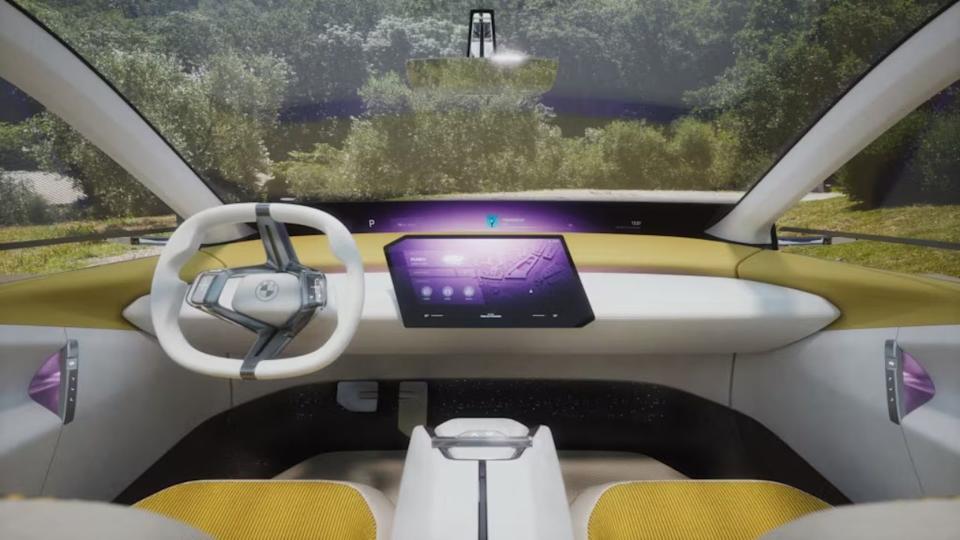
Photo Courtesy: Autorepublika.
The most interesting part may be how differently those benefits will show up. MINI is likely to gain more advanced digital systems, improved efficiency, and a stronger software foundation, but expressed through a much more compact and youthful experience. Rolls Royce, by contrast, is unlikely to adopt BMW’s interface in a direct visual form, yet it can still benefit from the same underlying gains in software integration, electrical architecture, and future automation capability. In other words, the technology can be shared even when the customer experience must remain completely different.
Although Post did not specifically mention BMW ALPINA in this context, it is hard to imagine the same logic would stop short there. BMW ALPINA officially launched as a standalone brand within the BMW Group on January 1, 2026, and the whole point of the new structure is to strengthen exclusivity while using the group’s resources more effectively. That does not confirm Neue Klasse hardware for future ALPINA products on its own, but it does make the possibility much easier to imagine.
In the end, BMW’s plan says a lot about where the industry is heading. The next competitive battle will not be won only with engines or styling. It will be won with software, electrical architecture, interfaces, and the ability to spread those investments across a wide lineup without erasing each brand’s identity. Neue Klasse now looks less like a BMW only revolution and more like the framework for the BMW Group’s entire next chapter.
This article originally appeared on Autorepublika.com and has been republished with permission by Guessing Headlights. AI-assisted translation was used, followed by human editing and review.
Read More
13 Muscle Cars So Overlooked Most People Forgot Them
15 Car Features That Should Have Never Been Phased Out