Solid-state EV batteries have entered a “critical stage,” BYD’s chief scientist, Lian Yubo, said during a seminar this week.
BYD urges to invest beyond solid-state EV batteries
China widened its lead in the global EV battery market last year, with CATL and BYD accounting for over 55% of sales alone.
To stay ahead, automakers and battery manufacturers are investing heavily in new battery chemistries, including solid-state, sodium-ion, and next-generation lithium-ion.
During a conference on April 7 on China’s automotive policies, BYD Group’s chief scientist, Lian Yubo, acknowledged that all-solid-state EV batteries have reached a “critical stage.” However, challenges remain as the new tech moves to mass production.
Advertisement – scroll for more content
According to Chinese media outlet Sina, Lian pointed out that ion stability and lithium dendrite growth remain key hurdles in commercialization.
The industry should develop a comprehensive technological supply chain rather than focusing solely on optimizing at the cellular level, he said.
To do so, automakers will need to focus on “systematically translating consumers’ core demands for range, lifespan, charging, environmental adaptability, and safety into the boundaries of solid-state battery system performance,” driving the development of cells and battery systems from the top down, Lian said.
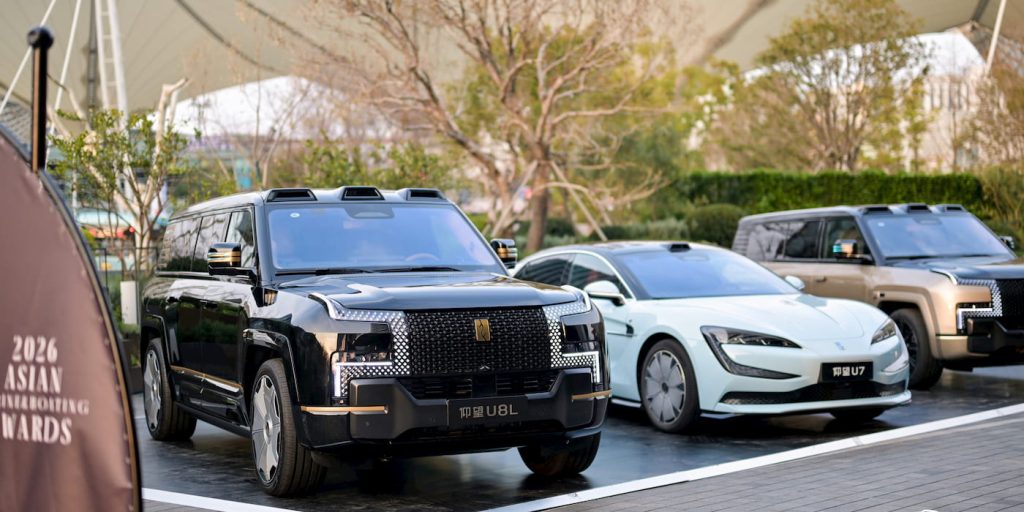 BYD Yangwang U8L and U7 (Source: Yangwang)
Not the only path forward
“At the same time, we must remain clear-headed. Solid-state batteries are not the only path for the evolution of power battery technology,” BYD’s chief scientist explained.
While moving ahead with all-solid-state EV batteries, Lian urged companies to continue investing in various battery types, including liquid lithium-ion batteries, to improve energy density and overall performance.
Solid-state batteries are not a substitute for liquid batteries. Instead, they complement each other to support the overall transition to more efficient electric vehicles.
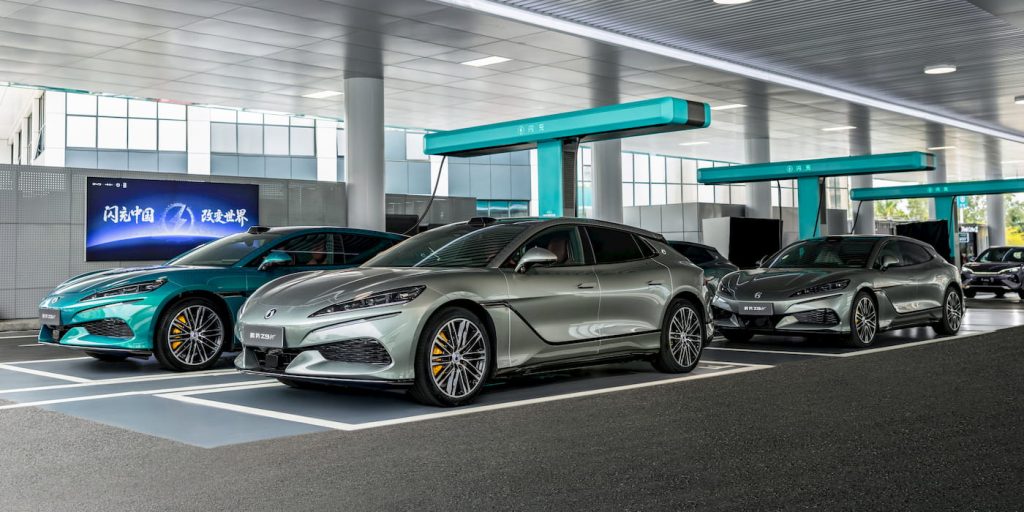 Denza Z9 GT at BYD’s Flash Charger (Source: Denza)
After a series of “breakthroughs” earlier this year, BYD is expected to begin producing sulfide-based all-solid-state batteries in limited batches in 2027 while ramping up to mass production around 2030.
The new batteries will likely be available in higher-end models, including under the Yangwang and Denza sub-brands, before being rolled out to mass-market vehicles.
Sun Huajun, the CTO of BYD’s battery business (Shenzen BYD Lithium Battery Co), said last year that sulfide electrolytes are longer-lasting and more stable than traditional liquid lithium-ion batteries, enabling faster charging.
BYD has been researching solid-state batteries since 2013. In 2024, it began testing solid-state battery cells with capacities of 20 Ah and 60 Ah.
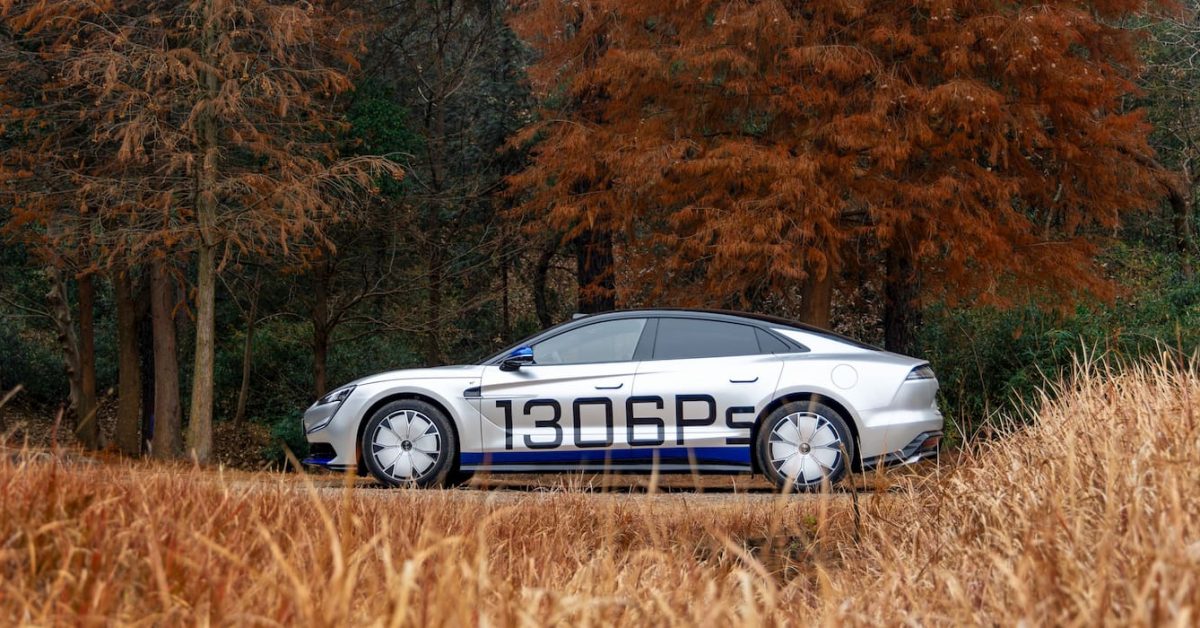
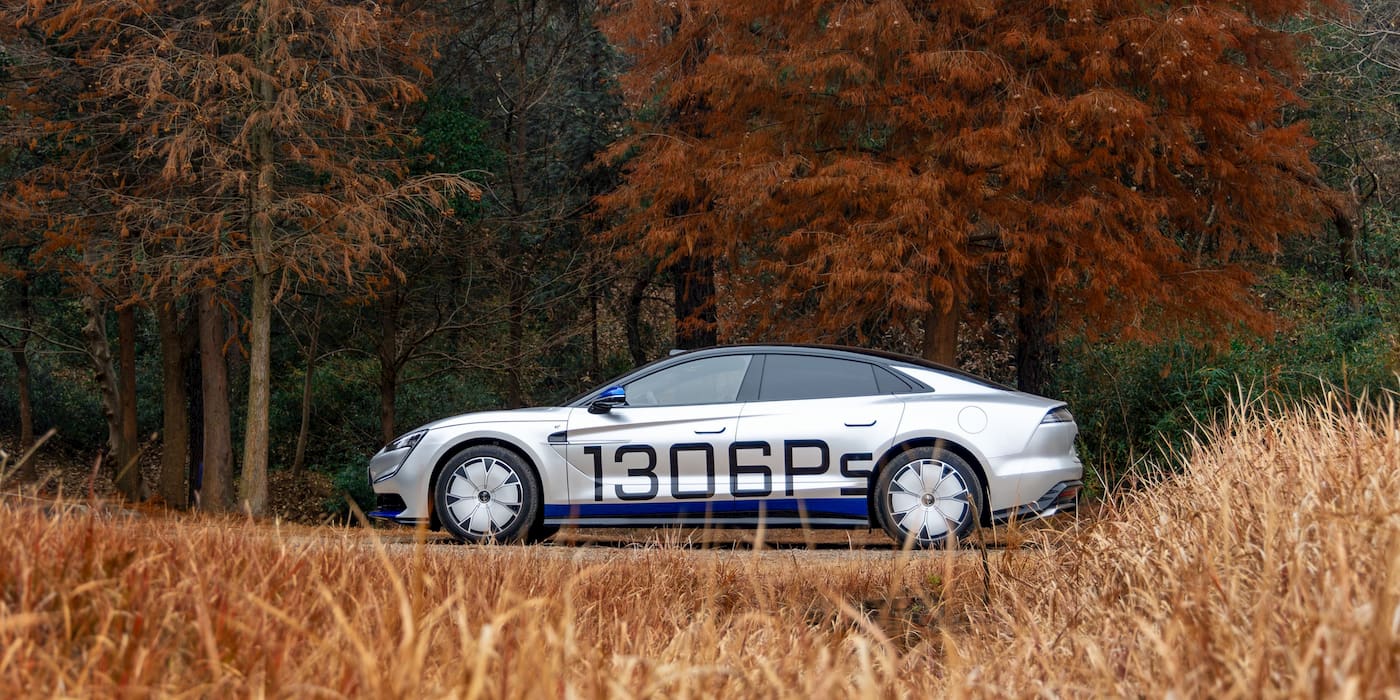
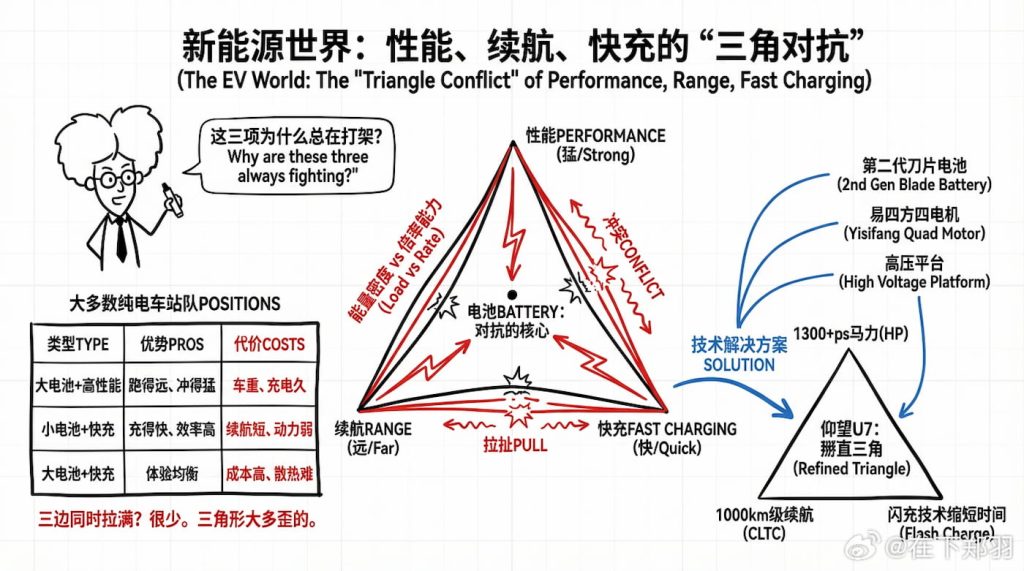 (Source: Zheng Yu)
Meanwhile, BYD launched its Blade Battery 2.0 and Flash Charging technology last month. The lithium iron phosphate (LFP) battery delivers over 1,000 km (621 miles) of CLTC driving range and fast charging from 10% to 70% in just five minutes. Even in temperatures as low as -30°C (-20°F) for a full 24 hours, BYD said the new battery can still recharge from 20% to 97% in 12 minutes.
BYD’s new battery tech is now headed overseas with the Denza Z9 GT set to make its European debut on April 8, 2026.
Source: CarNewsChina, Sina


FTC: We use income earning auto affiliate links. More.