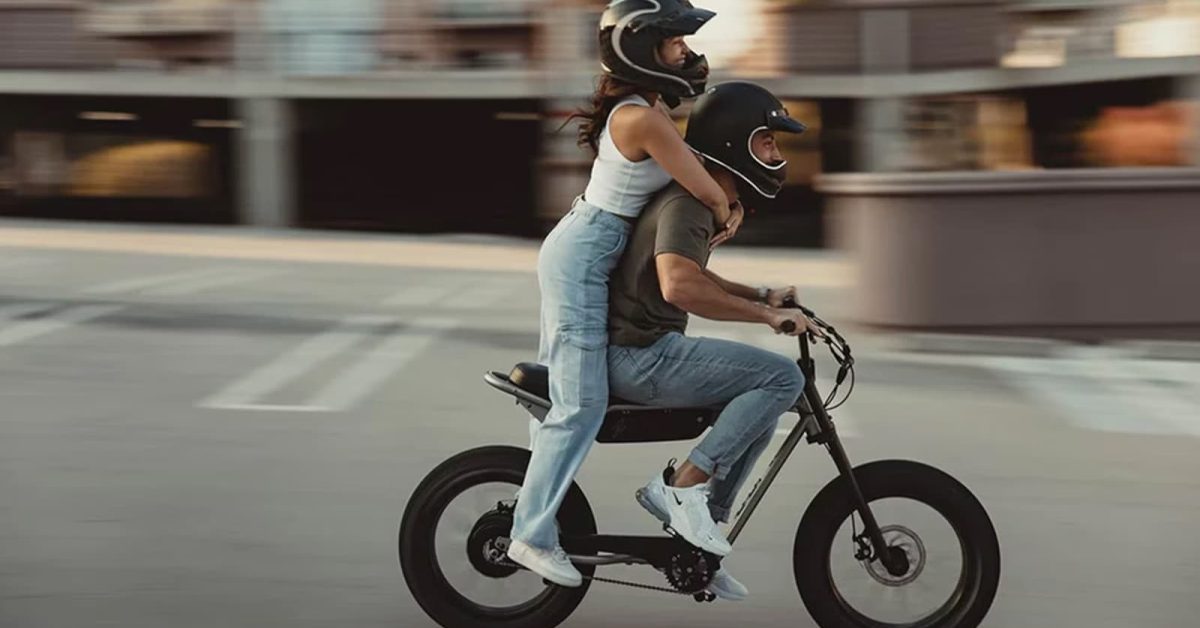
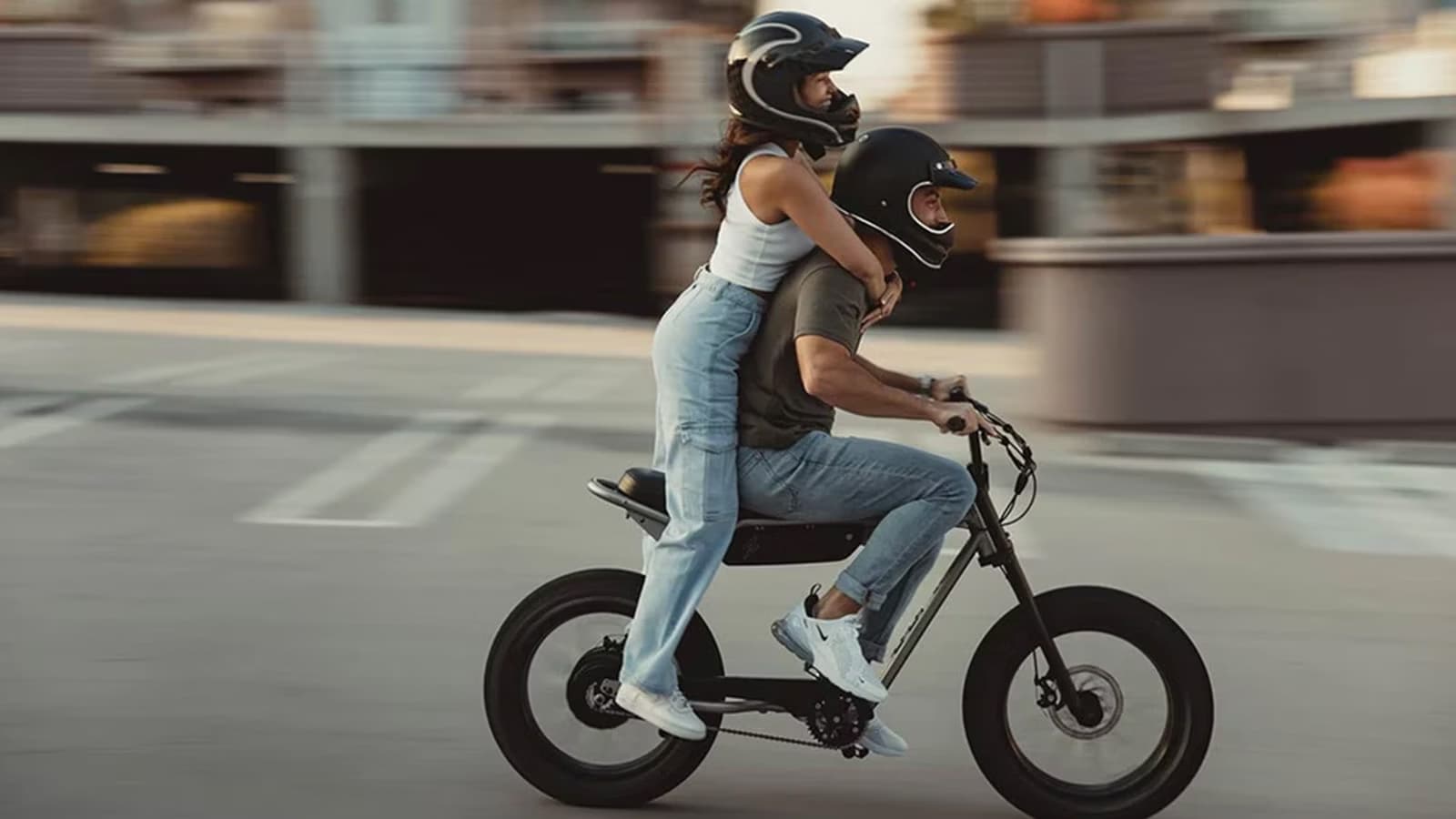
A newly introduced California bill could quietly reshape how passengers are carried on bicycles and e-bikes – and in the process, potentially outlaw one of the most popular features on many modern electric bikes.
Assembly Bill 1614 (AB1614) proposes updates to Section 21204 of California’s Vehicle Code, tightening the rules around how and where passengers can ride on a bicycle.
At first glance, the bill looks fairly straightforward. It reinforces that riders must sit on a proper seat and that passengers must also be seated safely. But the key language raising eyebrows in the e-bike industry is a requirement that passengers must ride “upon or astride a separate seat attached” to the bicycle.
That wording may seem minor, but it could have major implications.
Advertisement – scroll for more content
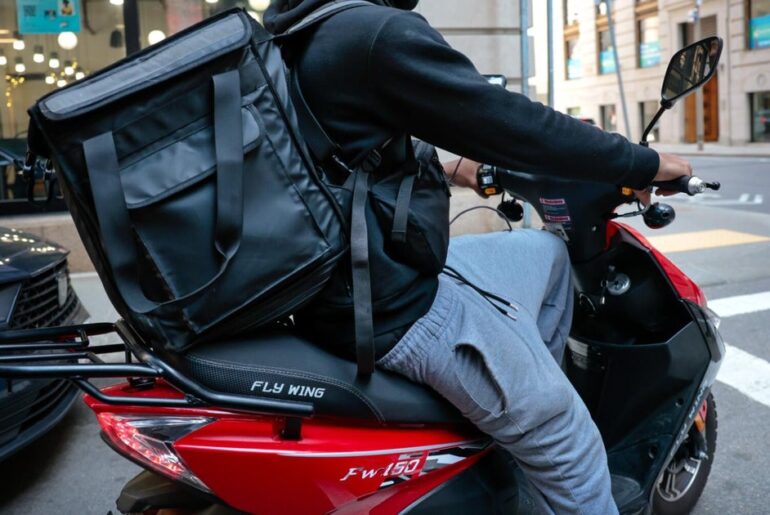
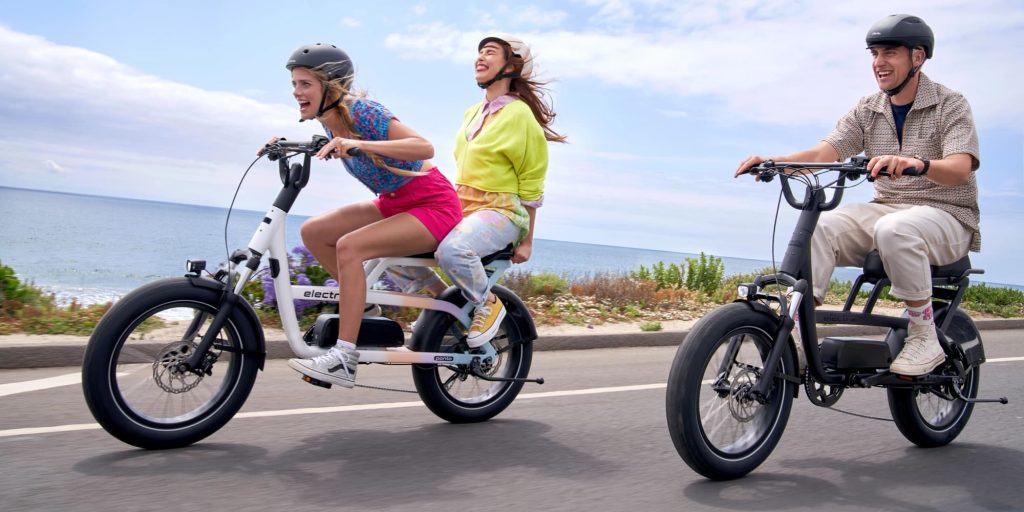
Many e-bikes – especially those inspired by moped-style designs – use long, continuous bench seats that are intended to accommodate two riders. These are common on popular utility, moped, and light cargo models. Under AB1614’s language, those setups may no longer qualify as legal for carrying a passenger, since they don’t feature a clearly defined “separate” seat. Instead, both riders sit on the same long seat.
On the other hand, e-bikes equipped with dedicated passenger kits – such as a rear rack-mounted seat pad with foot pegs – would likely remain compliant, since they more clearly meet the definition of a separate seating position due to the bolted on rear passenger seat pad, often set at a different level.
That creates a potentially awkward divide between bikes that are functionally similar but designed differently.
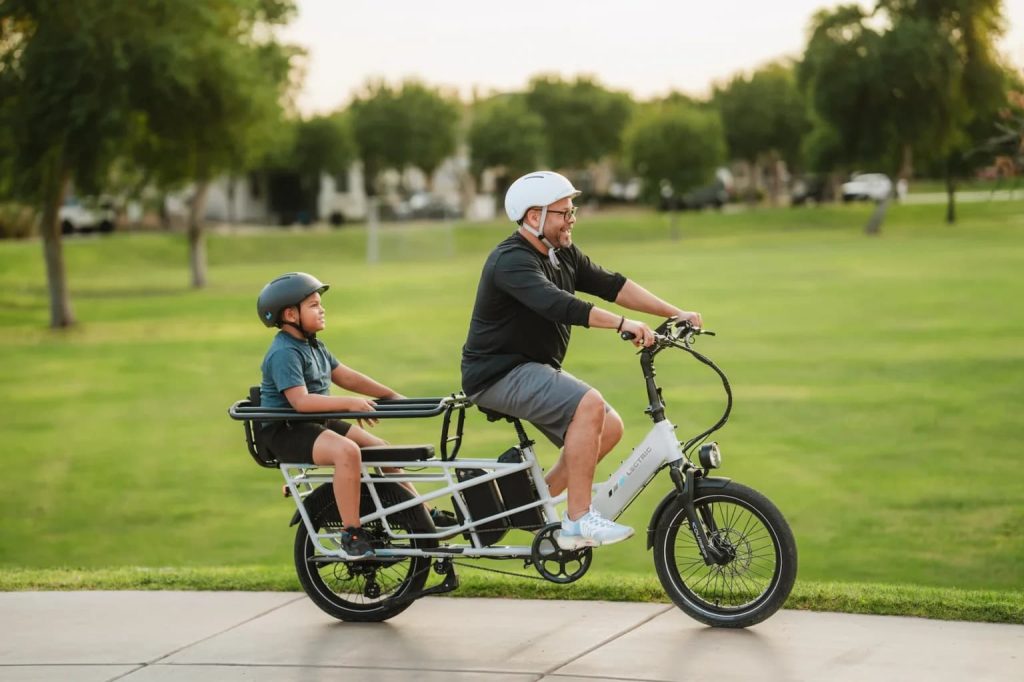
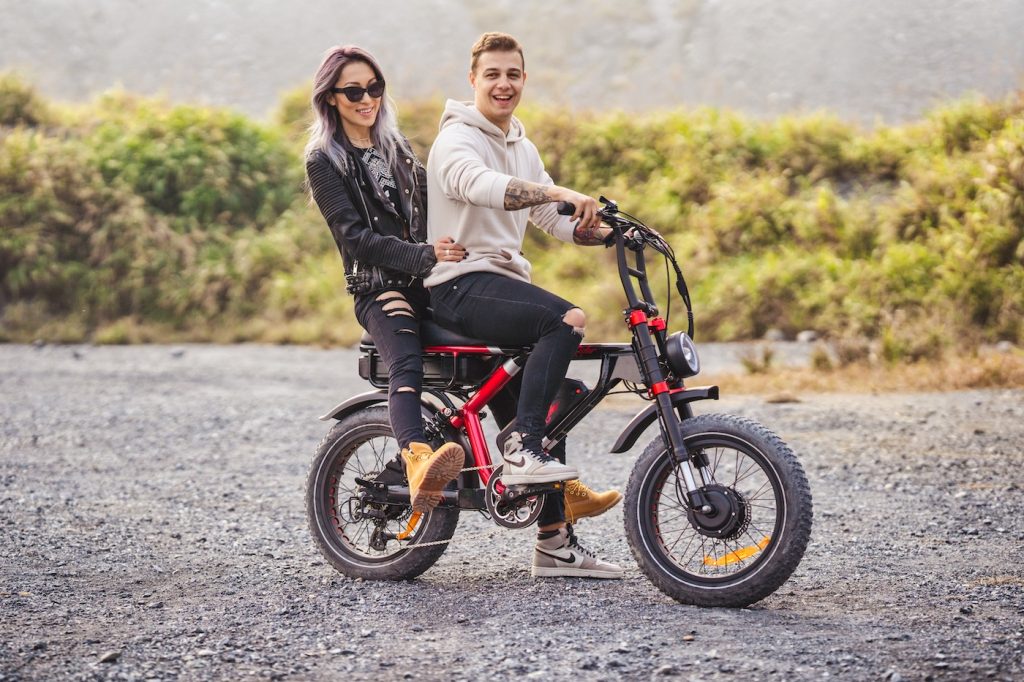
The Lectric XPedition 2.0 (left) seems acceptable under the new bill, while the Ariel Rider Grizzly (right) doesn’t pass the ‘separate seat’ test
The bill also maintains existing requirements for younger passengers, including secure seating and protection from moving parts for children under four years old or weighing less than 40 pounds (18 kg).
Supporters of the bill frame it as a safety measure, aiming to ensure that passengers are properly seated and protected. And to be fair, passenger safety on e-bikes has become a growing concern as ridership expands, particularly among younger riders.
But critics argue that the language is overly narrow and fails to account for how modern e-bikes are actually designed and used. Long bench seats are often an intentional design choice that has become increasingly common in the industry.
Now headed for committee discussion, the bill still has a long path before it could potentially become law in California.
Electrek’s Take
This feels like one of those cases where legislation hasn’t quite caught up to the technology.
If the goal is to improve passenger safety, that’s a conversation worth having. But focusing on whether a seat is technically “separate” risks missing the bigger picture. A well-designed bench seat with proper foot pegs and handholds can be just as safe – or safer – than some add-on passenger kits. Keeping the passenger’s chest against the main rider’s back is the most stable way to ride. It’s why motorcycles generally don’t have pillion seats mounted far behind the main rider and at a separate level.
More importantly, California has been one of the most influential states in shaping e-bike policy in the US. If this language passes as written, it could ripple outward and influence how other states approach similar rules.
And in the meantime, it could leave a lot of riders wondering whether giving a friend a lift just became illegal overnight. Encouraging bike riders to share the ride safely is important, but we should ensure that it’s still legal because it’s a great way to further reduce traffic and take advantage of yet another benefit of e-bikes.


FTC: We use income earning auto affiliate links. More.