

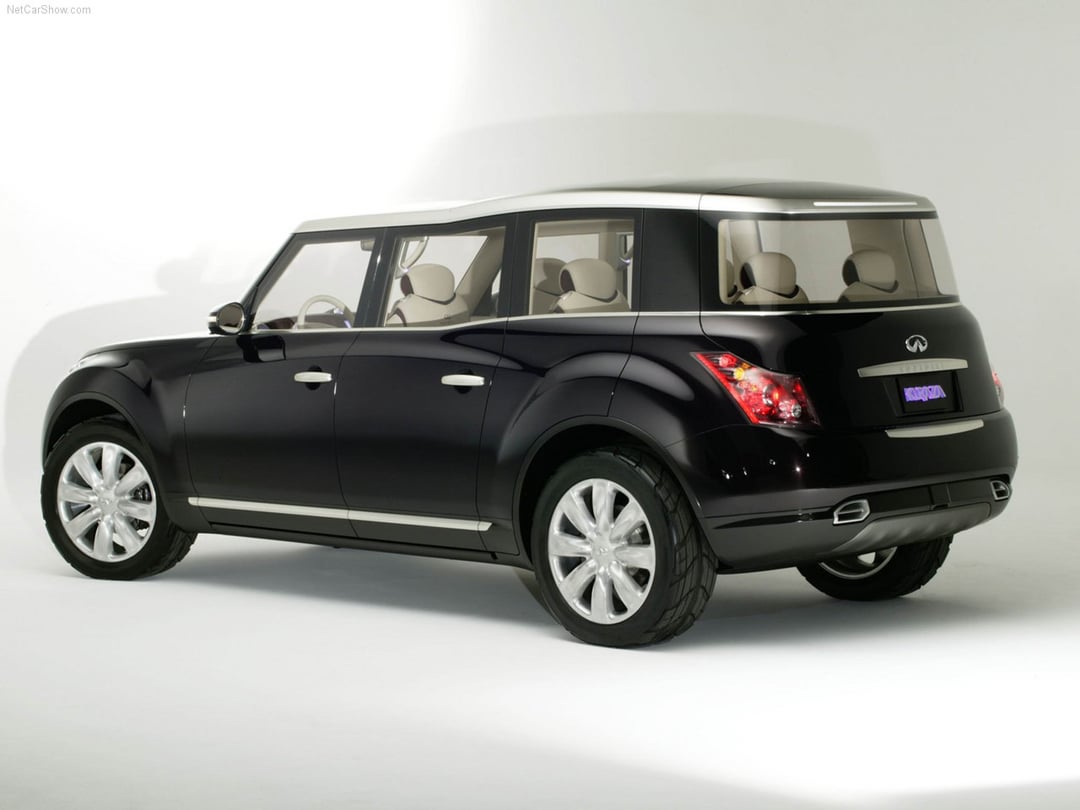
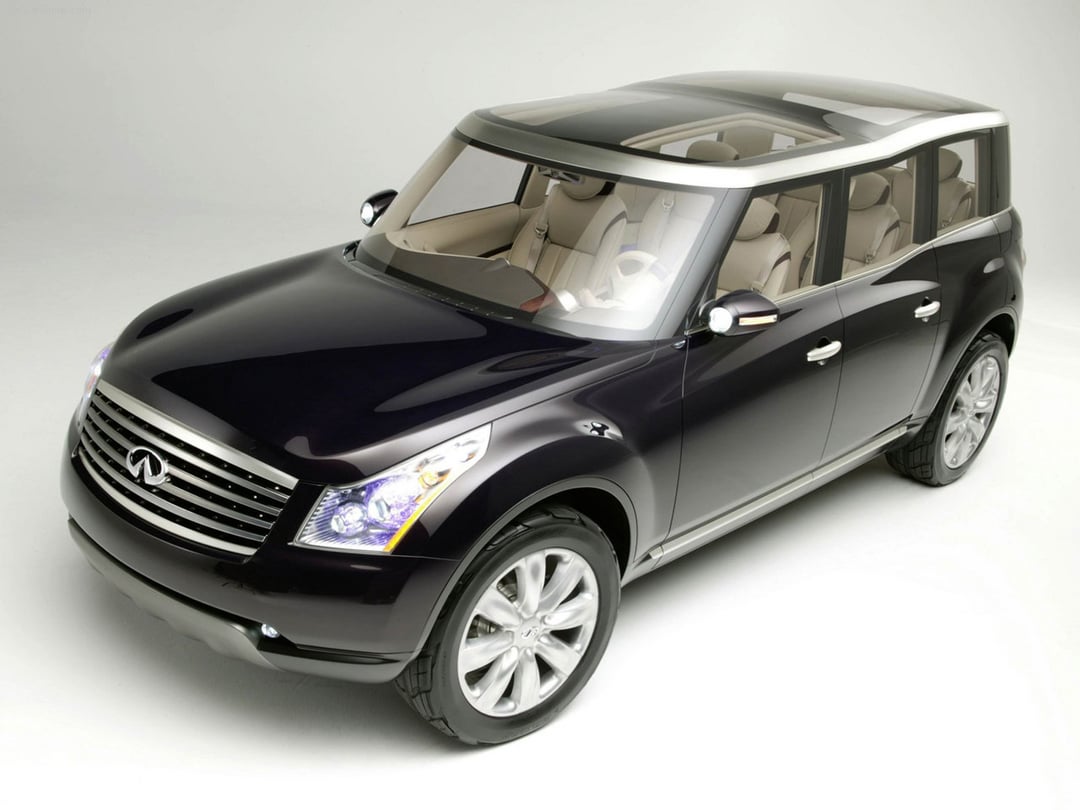
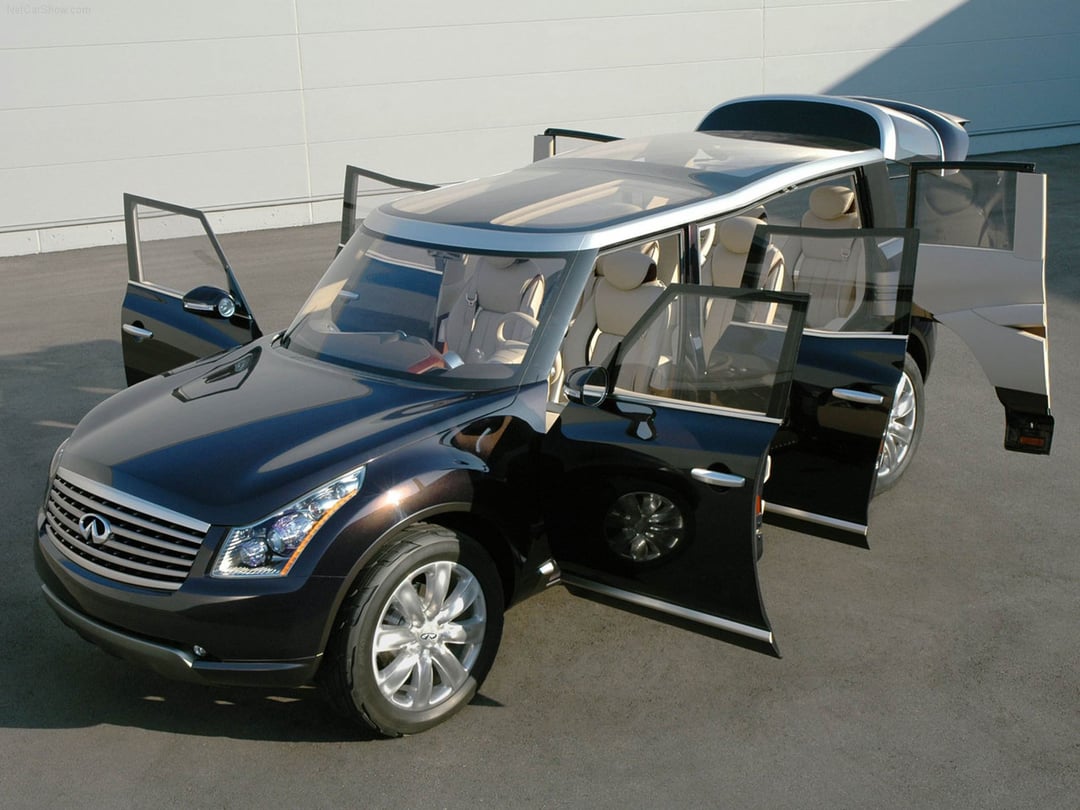
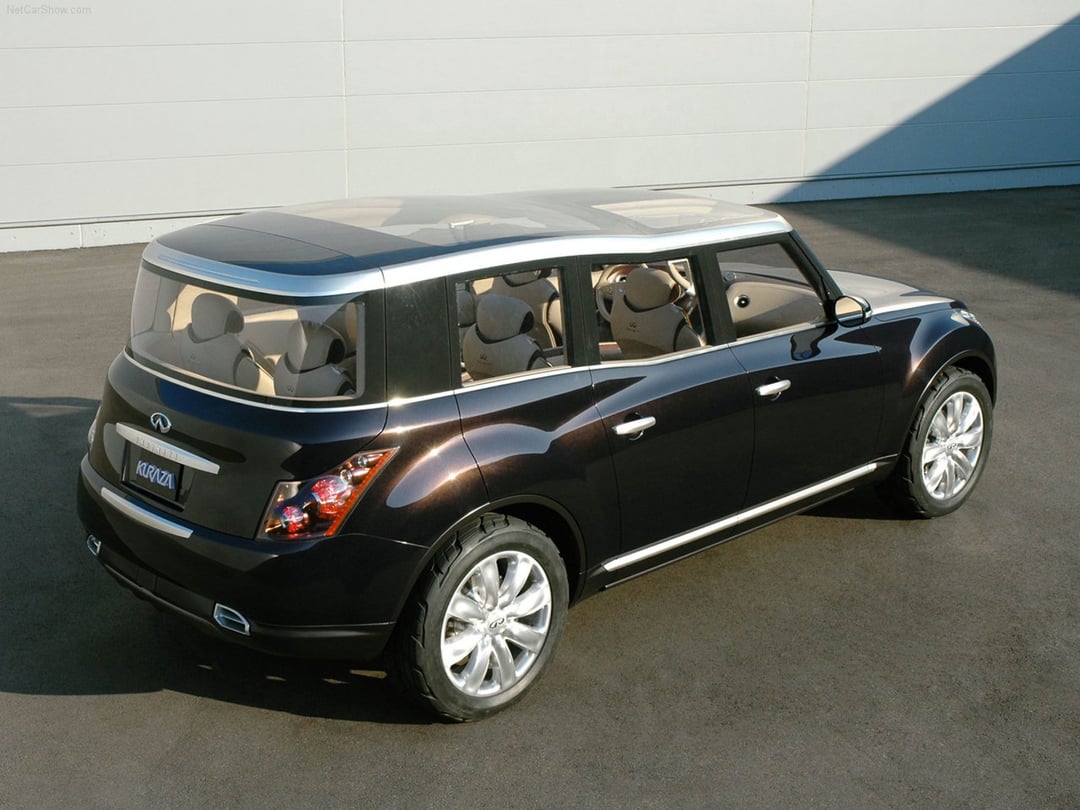
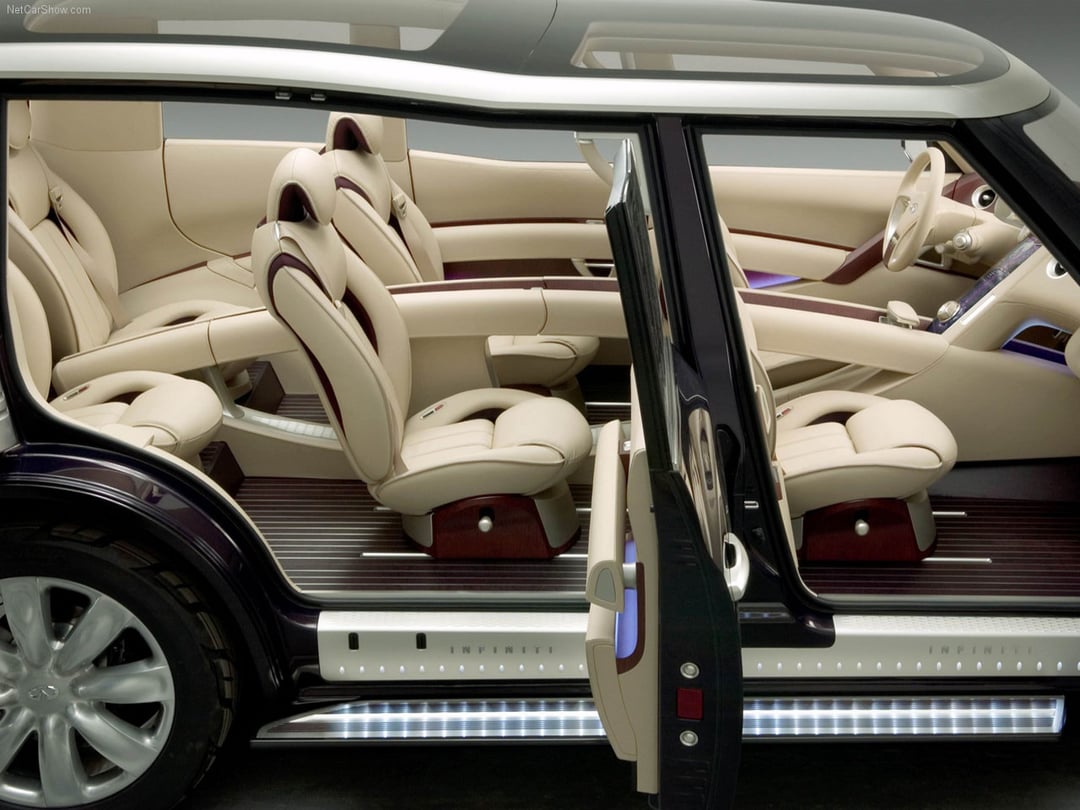
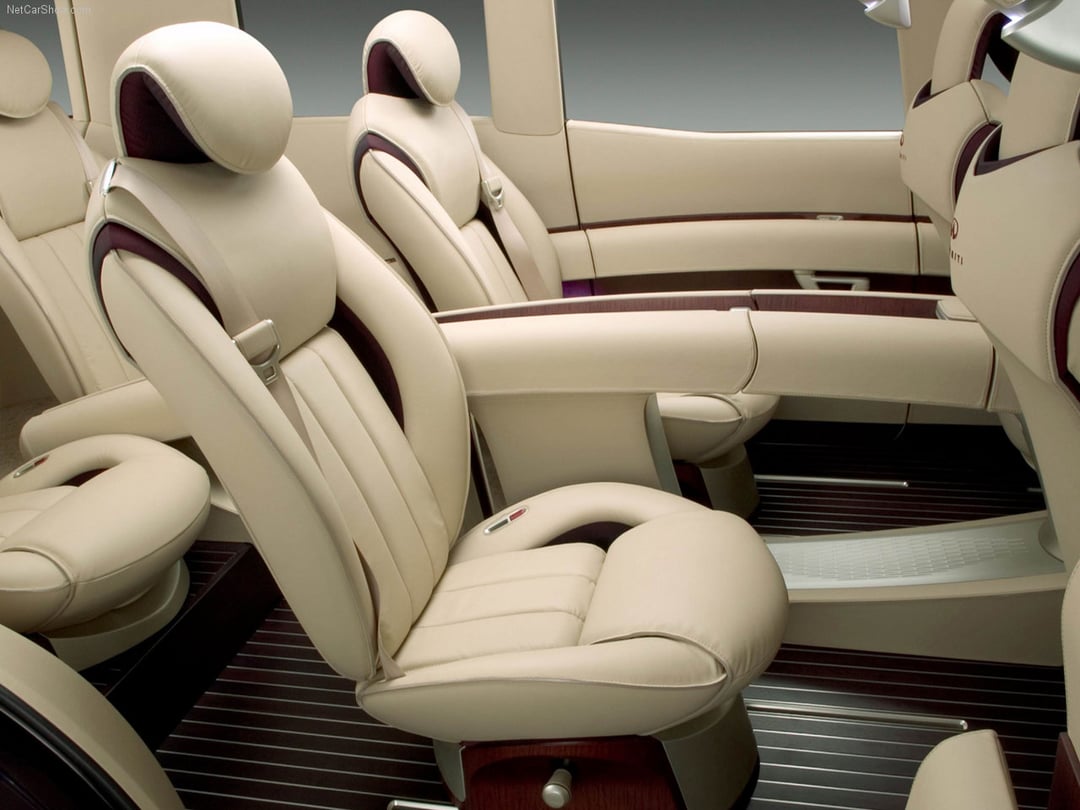
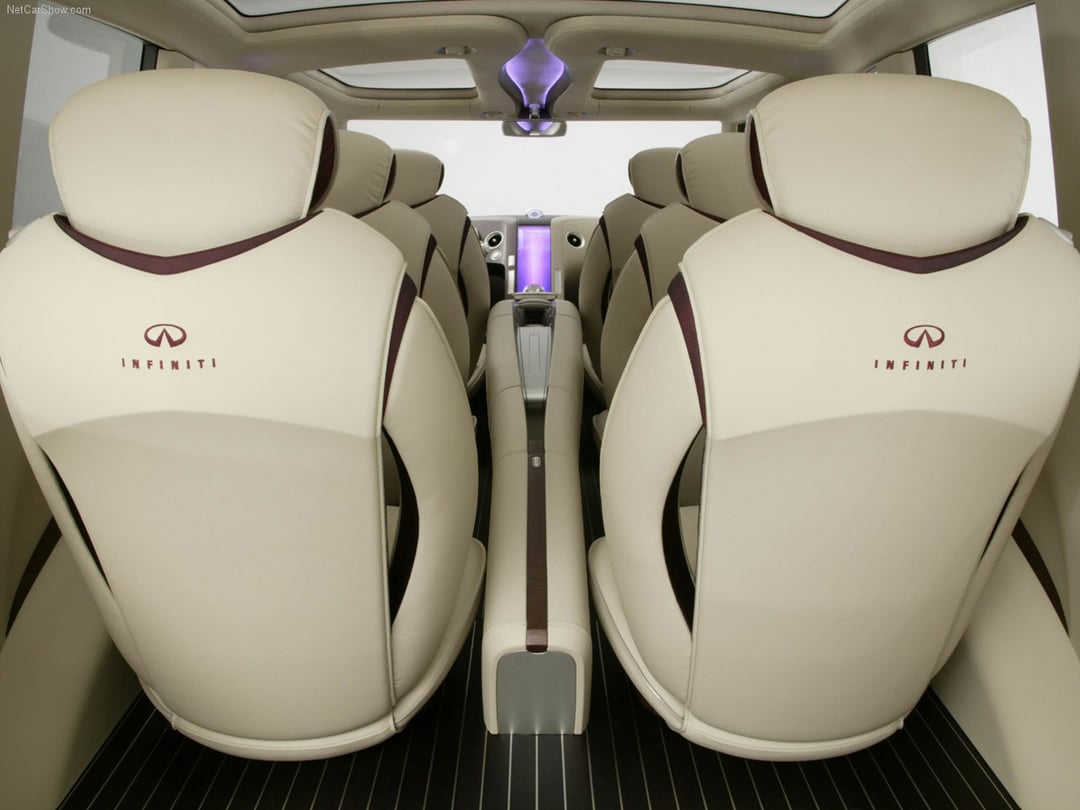
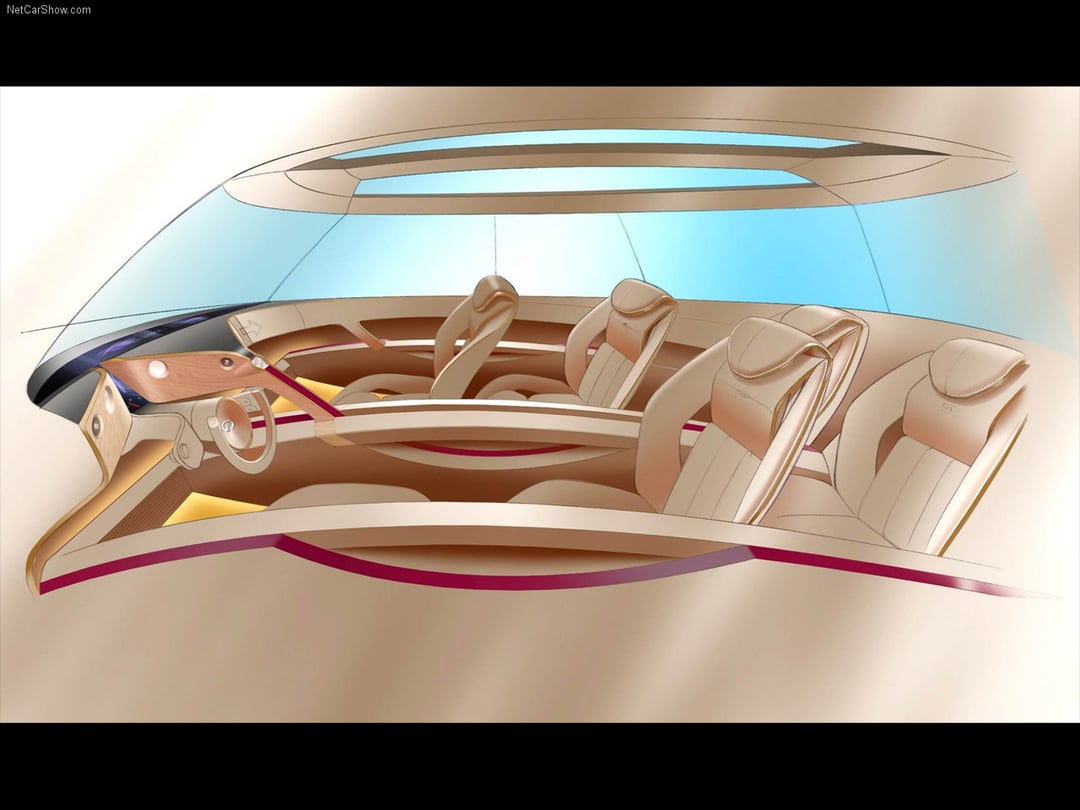
It featured three rows of two individual seats arranged in an "amphitheater" layout so every passenger had a panoramic view through the large windows and three overhead glass panels.
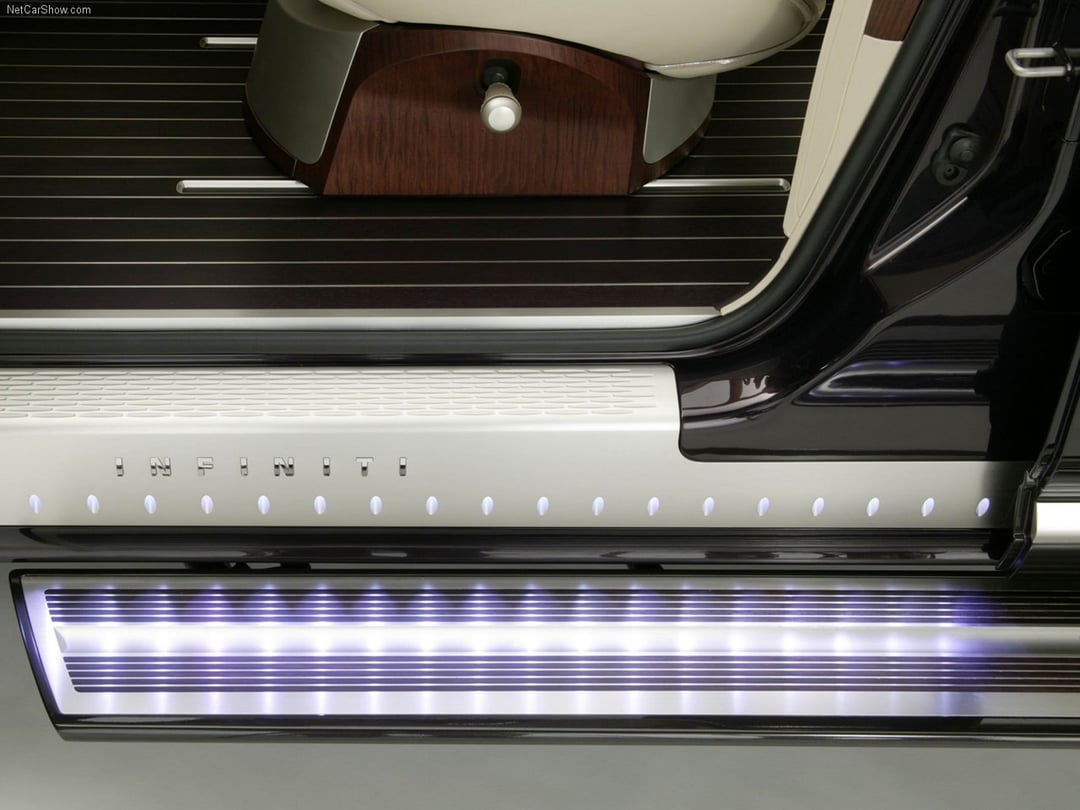
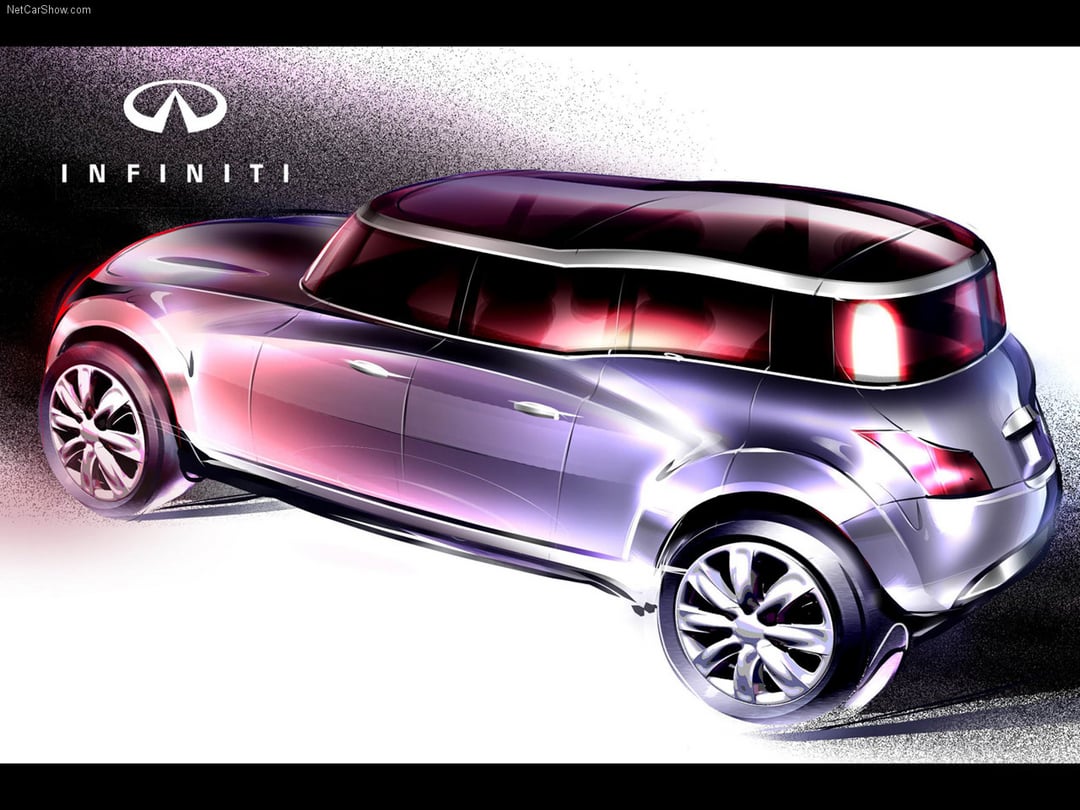
The most distinctive feature was its six doors—three on each side—which included rear-hinged (suicide) doors for the third row to allow unhindered access.
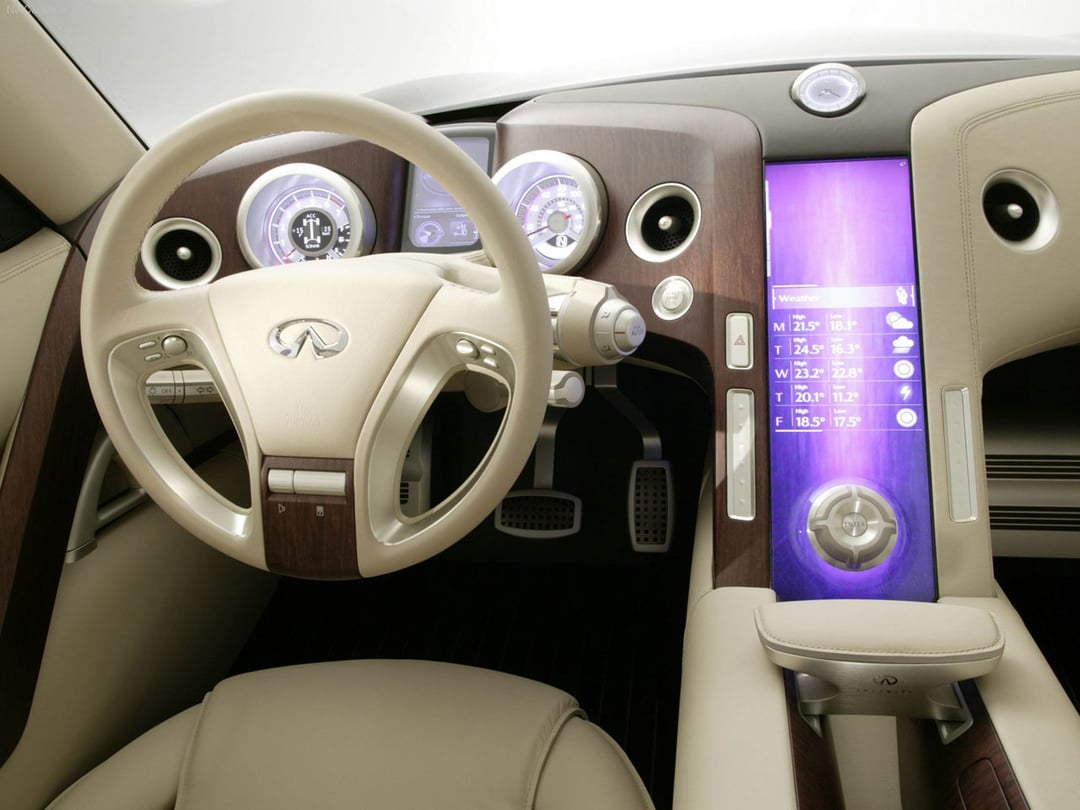
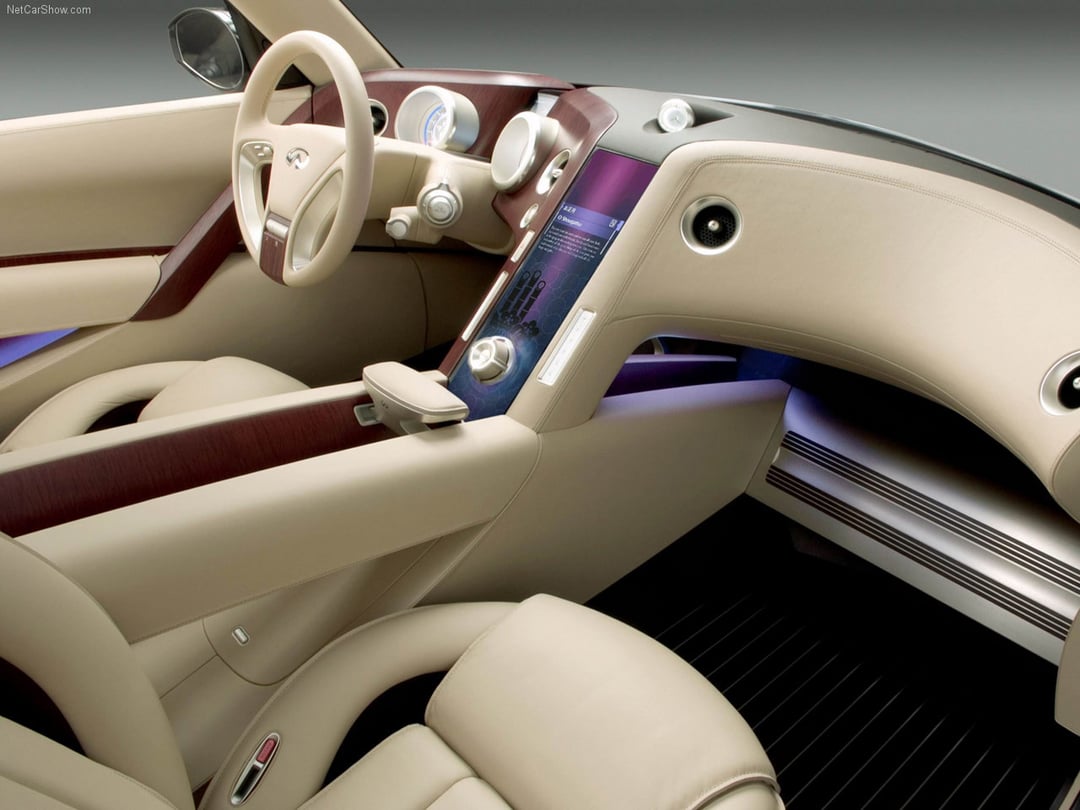
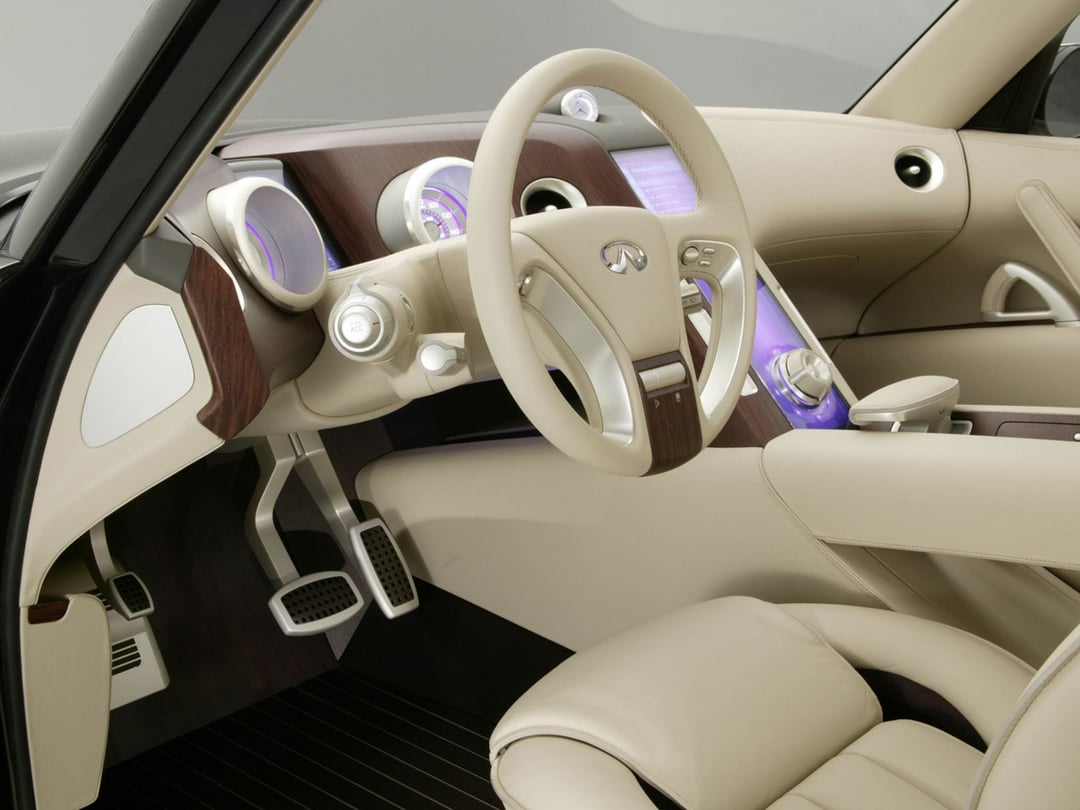
The interior design blended modern technology with traditional Japanese elements, such as seatbacks inspired by kimonos and a vertically oriented center monitor serving as a modern interpretation of a kakejiku (hanging scroll).
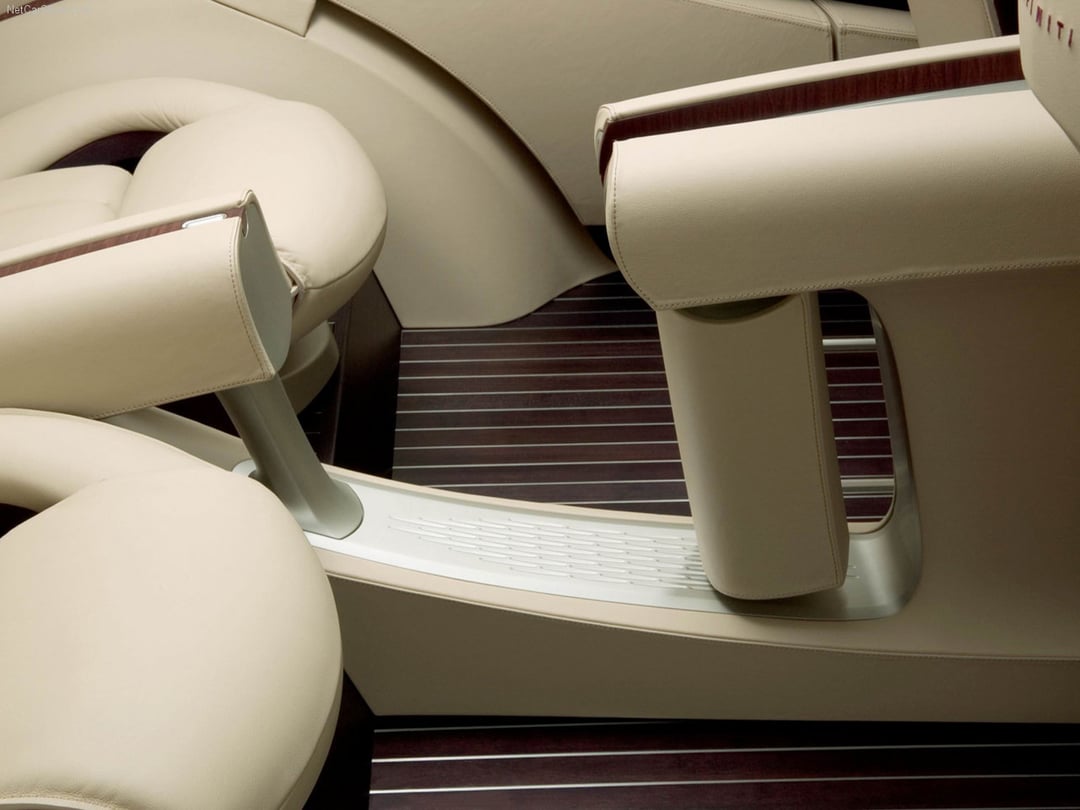
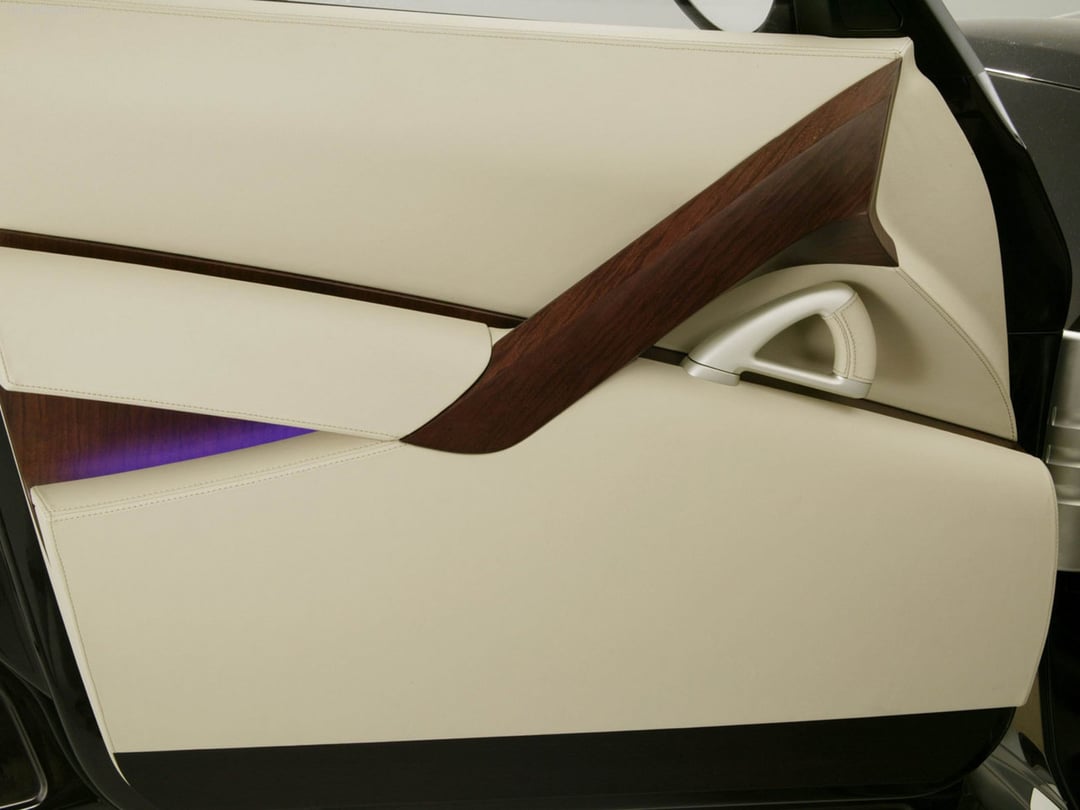
The cabin utilized natural materials including beige leather, hand-crafted wood, and milled aluminum alloy.
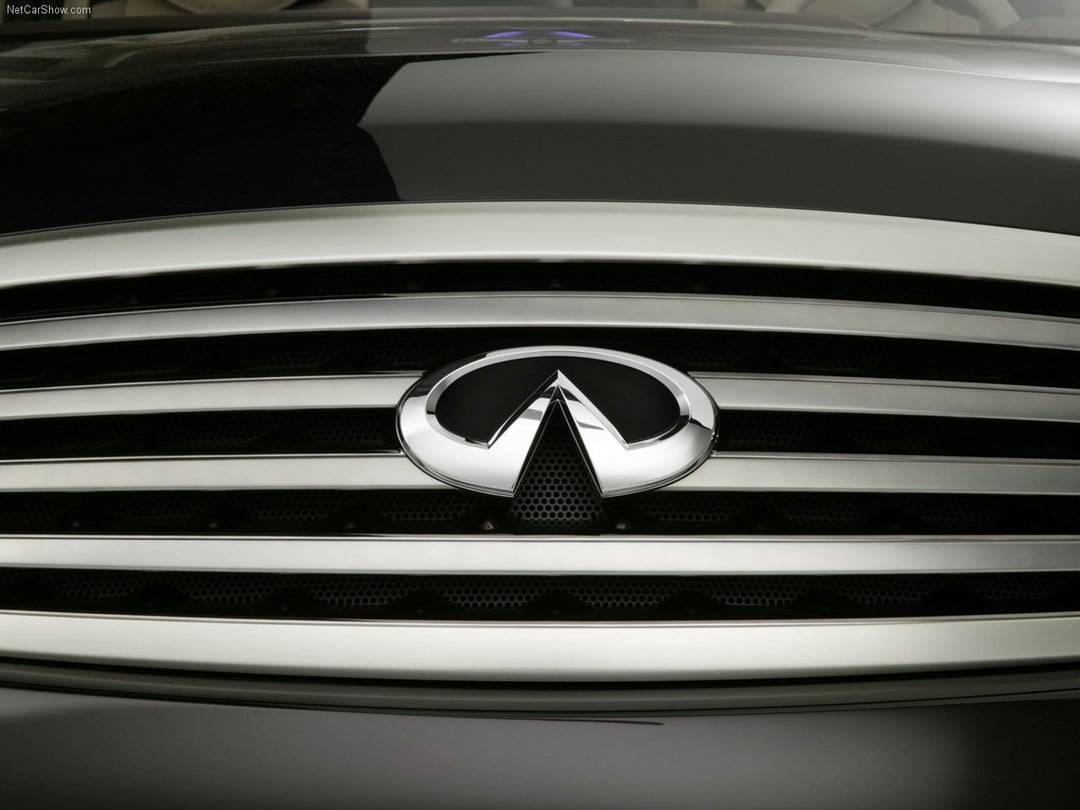
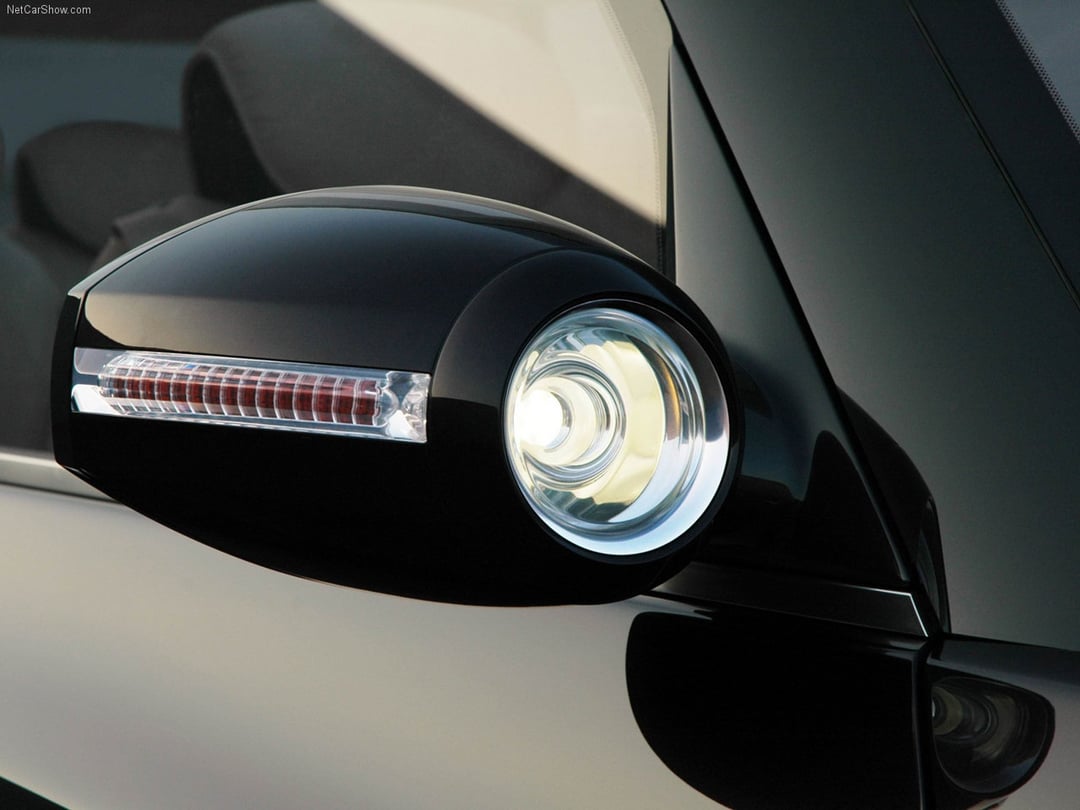
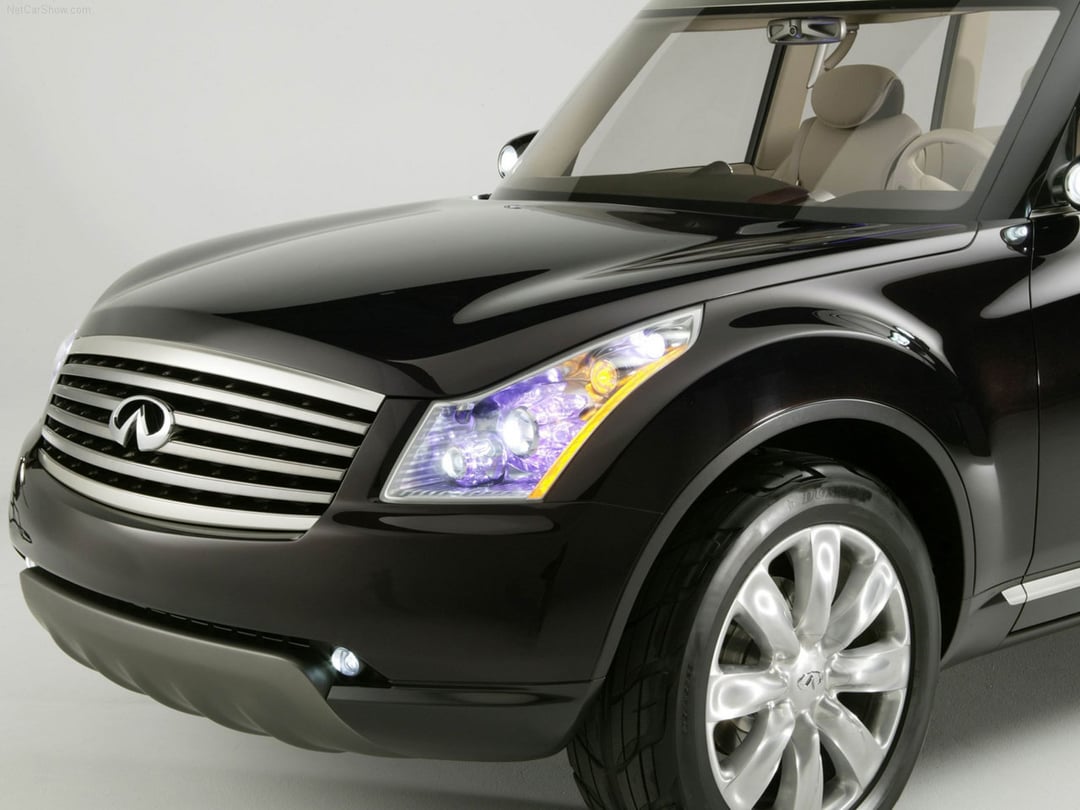
Despite its focus on "hospitality" and luxury, the Kuraza's polarizing exterior design was widely criticized. In a Wall Street Journal survey at the time, 69% of respondents voted it the "ugliest concept car" at the show.
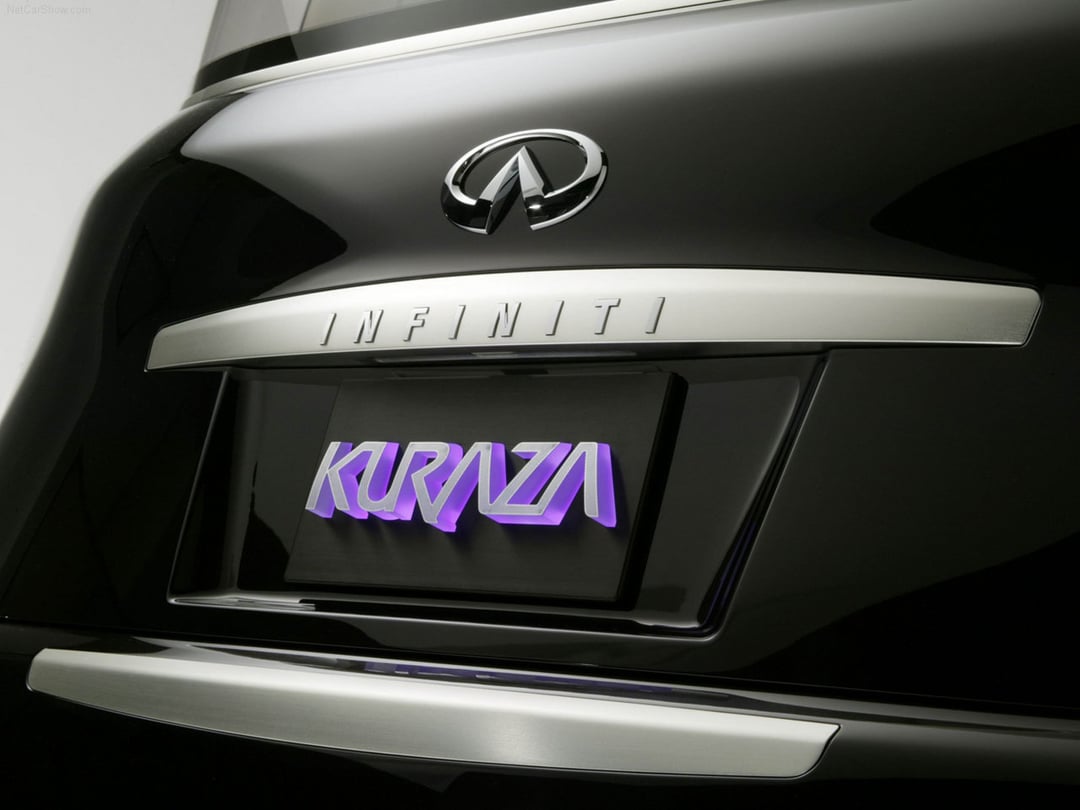
The vehicle was strictly a design study and never went into production, though it served as a platform for Infiniti to showcase its vision for future luxury interiors.
by Venkie2Maybach




![[Maserati Mistral 4000 GT] casually parked at the side of the street](https://www.evshift.com/wp-content/uploads/2026/04/vk65ekvx7xtg1-770x515.jpg "[Maserati Mistral 4000 GT] casually parked at the side of the street")