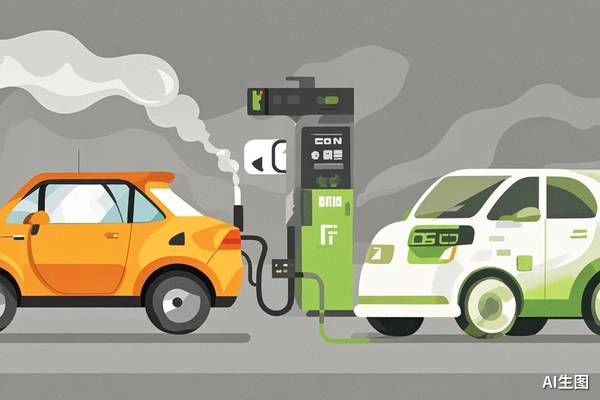
An undercurrent in the Persian Gulf is quietly rewriting the future direction of the US automobile market.
While Washington is still arguing fiercely about import tariffs and emission standards, every attack on an oil tanker in the Strait of Hormuz is pushing the US gasoline price to new heights.
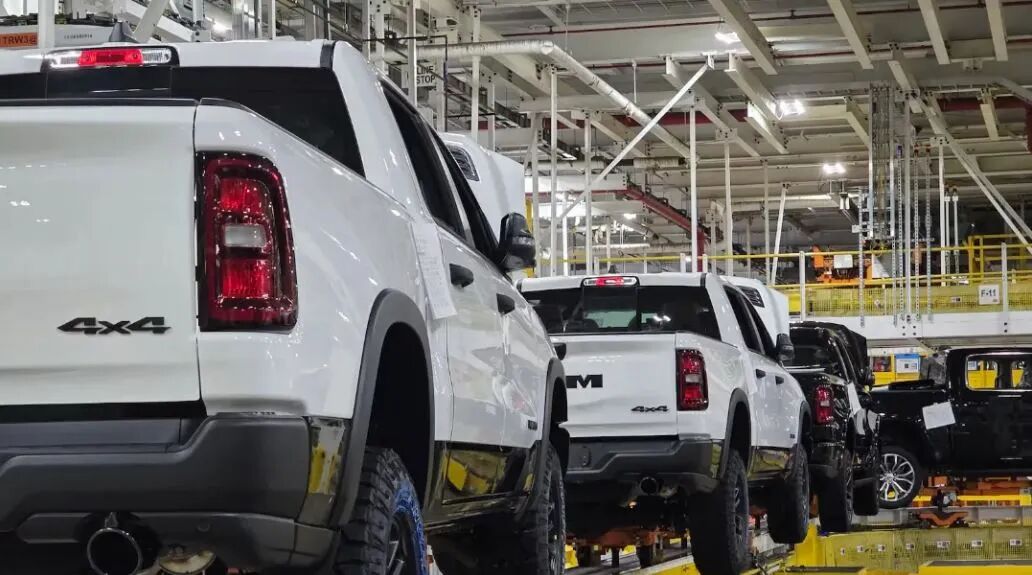
On April 7, the average gasoline price across the United States exceeded $4.14 per gallon (equivalent to about RMB 28.38, and the oil price is about RMB 7.49 per liter), reaching the highest level since 2022. Since the end of February, the oil price has soared by more than 30%.
For American consumers who are used to “large-displacement and low oil prices”, this set of data is like an alarm bell. A question that was once scoffed at by countless people now has to be seriously faced: Is it still cost-effective to drive a fuel-powered car?
Originally, in the first quarter of 2026, the penetration rate of electric vehicles in the US automobile market was cut in half. However, with the high oil price, the leading public opinion that “electric vehicles are more cost-effective” has caused a stir in the United States.
The realism of “saving 20,000 yuan a year” and the idealism of “loving the roar of the internal combustion engine and the driving experience of fuel-powered cars” will collide violently again.
From the perspective of Americans, it seems that the development of the situation further confirms the correctness of the firm promotion of the automobile electrification transformation across the ocean.
The Halved Electric Vehicles Are “Bullish”
When Auto Commune sorted out the data of the US market and compared the evaluations of local institutions, it found a sharp contrast.
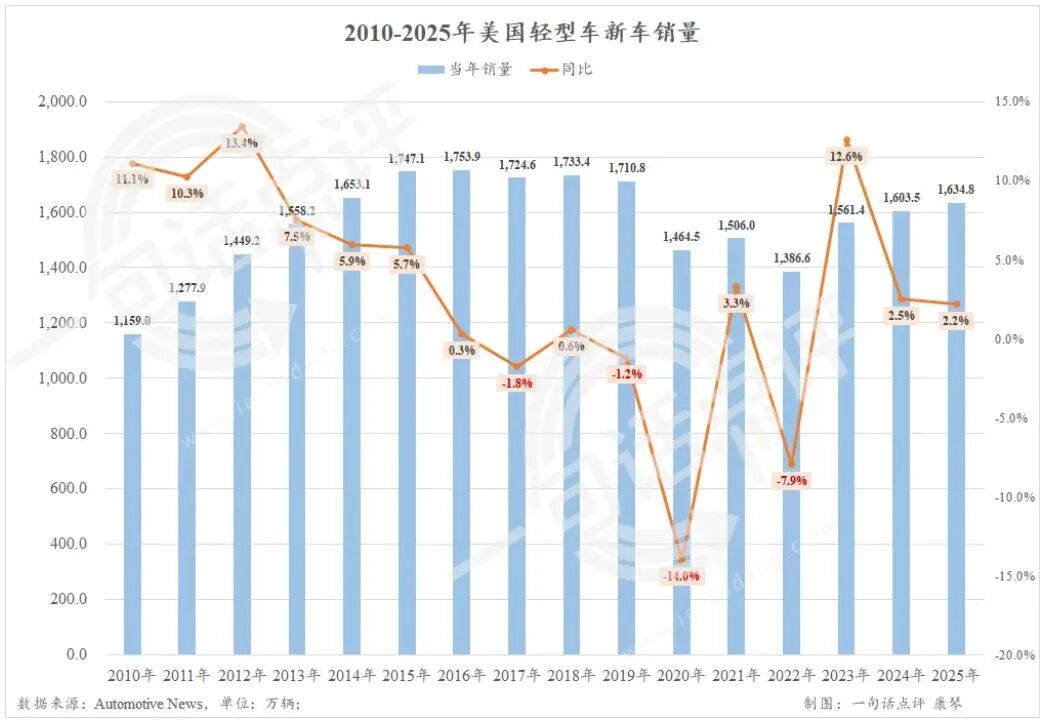
The year 2026 was not kind to the US automobile market. In March, the sales volume of new light vehicles dropped by 14% year-on-year to 1.39 million, bringing an end to three consecutive years of year-on-year growth. The beginning of 2026 was especially unfriendly to US electric vehicles. Cox Automotive predicted that the sales volume of electric vehicles in the United States in the first quarter was about 214,000, a year-on-year decrease of 28%.
Measured by the penetration rate of electric vehicles, it reached its peak of 10.5% before the end of the federal tax credit policy in the third quarter of 2025, while in the first quarter of 2026, it was only about 5% – more than halved.
The high upfront purchase cost, uneven charging infrastructure, and the long-standing perception that “oil prices are not that expensive” together constitute the three major obstacles to the popularization of electric vehicles in the United States.
The reversal came quickly. The conflicts between the United States, Israel, and Iran not only pushed up the global oil price but also are expected to rewrite the structure of the US automobile market.
As the conflict in Iran continues to intensify, the Strait of Hormuz, the “throat” of global oil transportation, is constantly under threat. Rob Sargent, the policy director of Coltura, said bluntly that as long as the interruption of shipping in the strait continues, the oil price will remain high. According to AAA data, on April 7, the average gasoline price across the United States reached $4.14 per gallon, while it was only $3.41 a month ago.

What does this mean for ordinary American drivers?
The latest analysis by the Coltura organization gives an astonishing figure: An ordinary driver who drives about 15,000 miles (about 24,000 kilometers) per year can save $1,805 on fuel and maintenance every year after switching from a fuel-powered car to an electric vehicle. Converted at the current exchange rate, it is about RMB 13,000.
If the annual driving mileage reaches 25,000 miles (about 40,000 kilometers, such as residents in the Midwest with long commuting distances), the annual savings can be as high as $3,008, about RMB 22,000.
In other words, the money saved by driving an electric vehicle for a year is enough to buy a latest iPhone and take the whole family on a trip to Disney.
Americans can figure out this account.
For a long time, the mainstream view in the US automobile market has been that the United States has one of the lowest oil prices in the world. Coupled with its vast territory and well-developed highways, large-displacement pickups and SUVs are the real “American spirit”.
Even though China and Europe are vigorously shifting towards electrification, the United States can completely take a different path – continue to embrace the internal combustion engine and continue to enjoy the roar of the V8.
However, the conflict in Iran is shattering this dream. When the gasoline price exceeds $4 per gallon, a fuel-powered pickup truck with a fuel consumption of 12 liters per 100 kilometers will burn nearly $0.5 in fuel for every mile it runs.
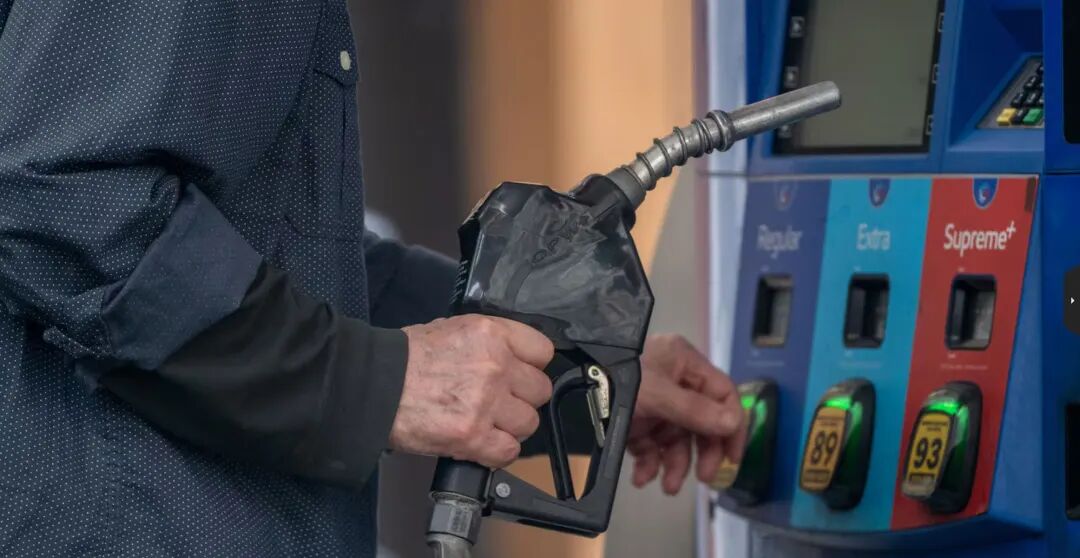
In contrast, even if an electric vehicle is fully charged outside, the “electricity cost” per mile is only one-third to one-fourth of that of a fuel-powered car. If it is mainly charged at home (the Coltura model assumes 80% home charging), the gap is even more significant.
Automobile Companies’ Discounts and the Allure of Second-Hand Electric Vehicles
There are two more factors that boost the bullish sentiment and investment in electric vehicles – the long-term development plans of automobile companies and the impact of second-hand electric vehicles.
The market is always the first to sense the change in the situation. Facing the weak demand for electric vehicles, US automobile companies and dealers have started an aggressive price war.
Data from J.D. Power and GlobalData show that in March, the average discount for electric vehicles in the United States was as high as $11,258 (about RMB 77,000), while the average discount for other models was only $3,030 (about RMB 21,000) – the discount for electric vehicles is nearly four times that of fuel-powered cars.

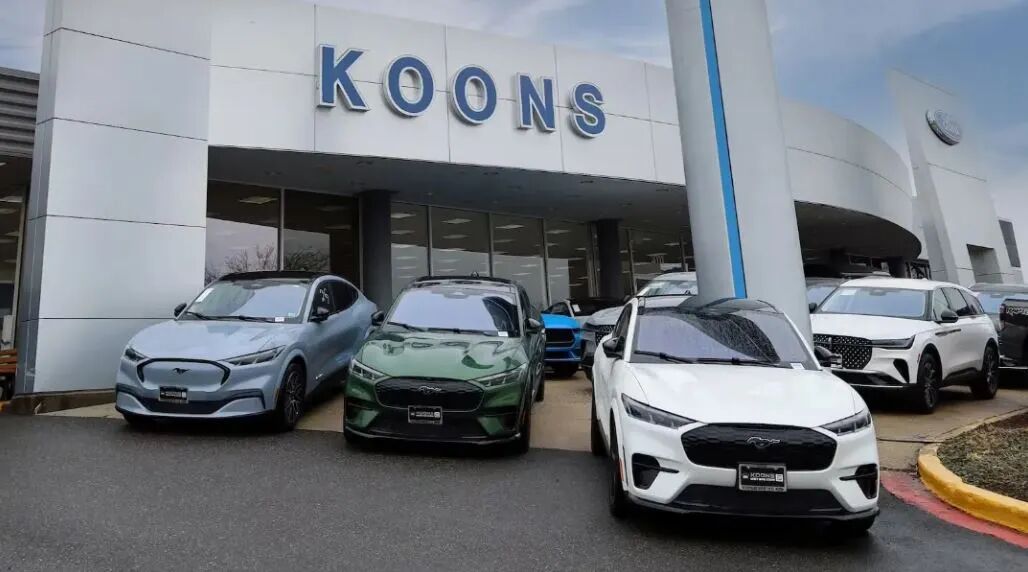
The Ford Mustang Mach-E electric SUV has a discount of $10,000, and the F-150 Lightning can have a maximum discount of up to $16,000 with additional promotions. Honda offers a $10,000 discount for the 2025 Prologue EV. The Chevrolet Equinox EV RS can enjoy a cash discount of at least $8,750. The Hyundai Ioniq 5 and Ioniq 9 can also get a maximum discount of $6,000 and $10,000 respectively.
Even Toyota, which has always been “aloof”, offers a maximum cash discount of $5,000 or a lease incentive of $7,000 for its newly launched bZ Woodland and C-HR electric vehicles respectively.
The statement of Dave Crist, the vice president of Toyota North America Group, is quite representative: “Currently, offering large discounts on electric vehicles is to prepare for future growth in this segment.”
Put simply, it means that losing money on selling electric vehicles now is to avoid being eliminated in the future.
This is a big bet. It bets that the oil price will not drop quickly, that American consumers will eventually figure out the account of saving 10,000 – 20,000 yuan a year, and that the long-term trend of electrification is irreversible.
In response to the automobile companies’ use of discounts to promote the growth of electric vehicles, second-hand electric vehicles constitute an overlooked “affordable route”.
This is because even with discounts, the starting price of a brand-new electric vehicle is still over $40,000, which is still a significant amount for many American families. However, Rob Sargent, the policy director of Coltura, pointed out a fact that has been ignored by the mainstream public opinion: The second-hand electric vehicle market is making electric vehicles “extremely affordable”.
“In fact, there are many people who can’t really afford not to buy an electric vehicle now,” Sargent said.
With the progress of battery technology and the popularity of home charging, although the resale value of second-hand electric vehicles is not as high as that of fuel-powered cars, for consumers with limited budgets, this means that they can buy a used electric vehicle in good condition at a very low price.
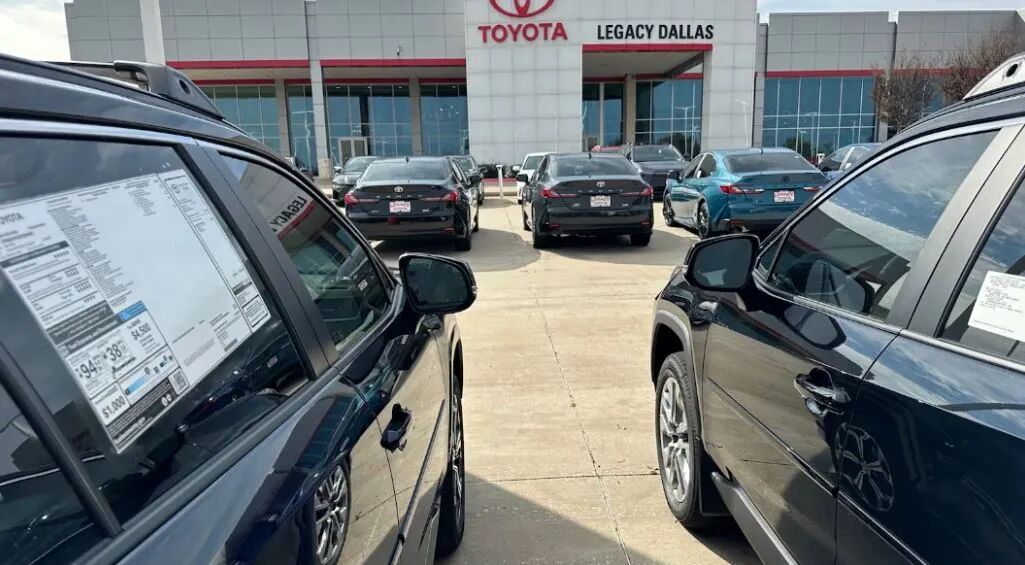
In the United States, a three-year-old second-hand Tesla Model 3 can be bought for less than $25,000, while a second-hand Toyota Camry of the same year is more expensive. If the annual savings of $1,800 on fuel and maintenance are taken into account, the difference in the total cost of ownership over five years is even more astonishing.
“Surrender” Is Just a Matter of Time
The transformation towards automobile electrification will not be smooth sailing, whether in China or the United States.
In the comment sections of Auto Commune’s graphic and video platform works, there are always people shouting that “electric vehicles are just toys and have no technical content, like old people’s scooters” or “why buy an electric vehicle when there are fuel-powered cars”.
What about the United States? A year ago, countless analysts shouted that “the inflection point of US electric vehicles has arrived”, believing that with the delivery of the Tesla Cybertruck and the acceleration of the electrification transformation of traditional automobile companies, the United States would quickly catch up with China. When the penetration rate of electric vehicles crashed in the first quarter, many fuel-powered car fans happily left messages to “mock”.
The Trump administration is actively slowing down the electrification transformation – abolishing the $7,500 electric vehicle tax credit, challenging California’s 2035 zero-emission mandate, and promoting regulations in favor of fossil fuels, pushing the favorable public opinion for fuel-powered cars to the peak.
However, it was also Trump who delivered a “big punch in the Middle East”, completely reversing the momentum of fuel-powered cars.
As Jürgen Reers, the global head of automotive and mobility at Accenture, said: “Completely deviating from electric mobility is not advisable because the fundamental trend of electrification still exists.”
The conflict in Iran will eventually subside, and the oil price may also drop. However, American consumers have already tasted the “pain of high oil prices”, and this pain will not disappear easily. Once they start to seriously calculate the cost of owning an electric vehicle, once the charging infrastructure is further improved, and once more affordable electric vehicles are launched – it is only a matter of time before the US market “surrenders” to electric vehicles.

The warning from Coltura is worth every American’s deep consideration: “We will give up our leading position, and as a result, millions of Americans will pay too much for fuel.”
The halving of the electric vehicle penetration rate from 10.5% to 5% is just a temporary pain. The oil price exceeding $4 is the real alarm that wakes American consumers up from their “V8 nostalgia”.
When saving 20,000 yuan a year becomes a tangible reality, when second-hand electric vehicles are cheaper than second-hand fuel-powered cars, and when every refueling becomes a “painful” experience – Americans will vote with their wallets.
History does not simply repeat itself, but it always rhymes. Once, the two oil crises allowed Japanese fuel-efficient small cars to capture the US market. Today, the conflict in Iran may become the real inflection point for the popularization of electric vehicles in the United States.
Only this time, the “surrender” is not to Japan, but to Silicon Valley, Detroit, and even Beijing and Shanghai – it is a brand-new race in the electric era.
This article is from the WeChat official account “Auto Commune” (ID: iAUTO2010), written by Shi Jie, and is published by 36Kr with authorization.