Demand for EVs dropped after the elimination of federal tax credits last fall, but now shoppers are being motivated by a different kind of “incentive.”
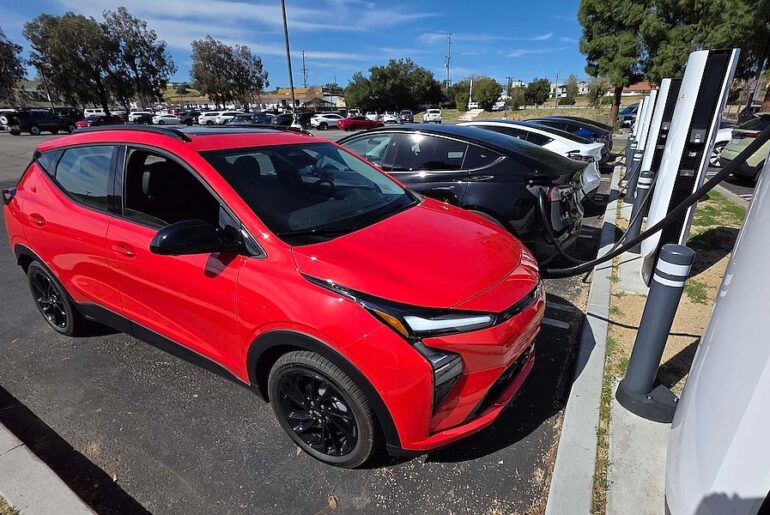
Rising gasoline prices are making a pretty compelling financial case for electric vehicles, even as policy moves (e.g., the elimination of charger installation as the NEVI program) continue to work against increased adoption.
How much of an incentive are we talking about? According to an analysis by Seattle-based nonprofit Coltura, US drivers who switch from gas-powered vehicles to EVs could save an average of $1,805 annually on fuel and maintenance. For higher-mileage drivers logging around 25,000 miles per year, the savings realized could eclipse $3,000.
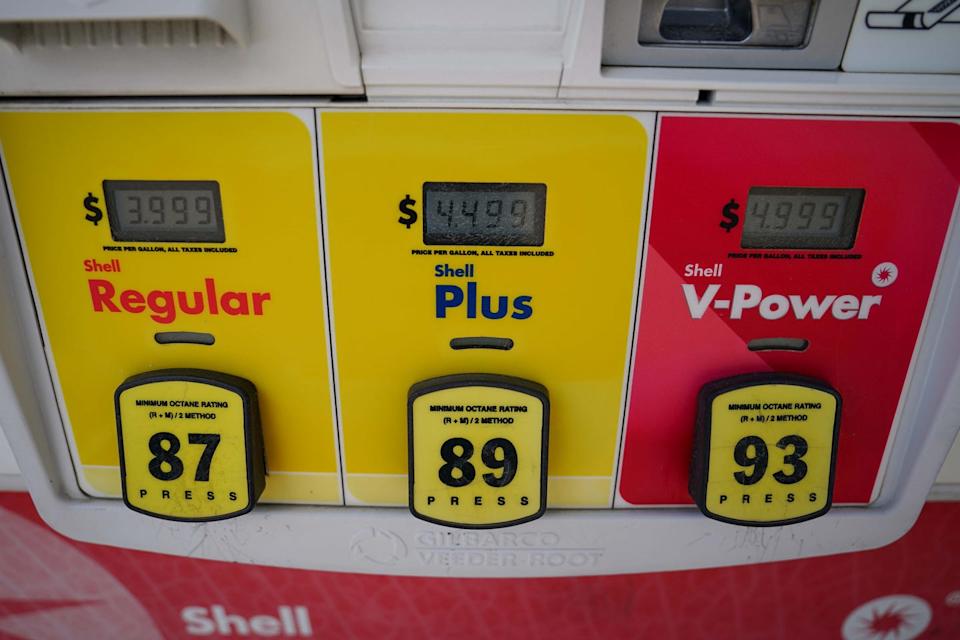
Those figures come as fuel prices continue to rise. The national average for gasoline hit $4.14 per gallon on April 7, up more than 30 percent from $3.41 a month earlier, according to AAA. The spike is tied to disruptions in the Strait of Hormuz, a critical global oil shipping route affected by war in Iran.
NurPhoto – Getty Images
Coltura expects prices to remain elevated as long as the disruption continues. To calculate potential savings from a switch to an EV, Coltura has a calculator on its site that compares similarly sized gas and electric vehicles, assuming most charging is done at home.
“Fuel savings alone are becoming hard to ignore,” said Rob Sargent, Coltura’s policy director. “For many drivers, especially those who commute long distances, the economics are already tipping in favor of EVs.”
Still, the premium for an EV is hard for many shoppers to overcome. While electric vehicle prices have been slowly dropping due primarily to improvements in battery technology—not to mention a growing used-EV market—sticker prices can still put them beyond many new-car shoppers’ reach.
![Honda Super N Review - Is this City Turbo inspired Kei Hot Hatch the Best Small Car of 2026? [First Look] | The Late Brake Show](https://www.evshift.com/wp-content/uploads/2026/04/Wd1ywTYEllPm1C0H9rXUsIP5nbmyNo28rVB_LiTjBIM.jpeg "Honda Super N Review – Is this City Turbo inspired Kei Hot Hatch the Best Small Car of 2026? [First Look] | The Late Brake Show")