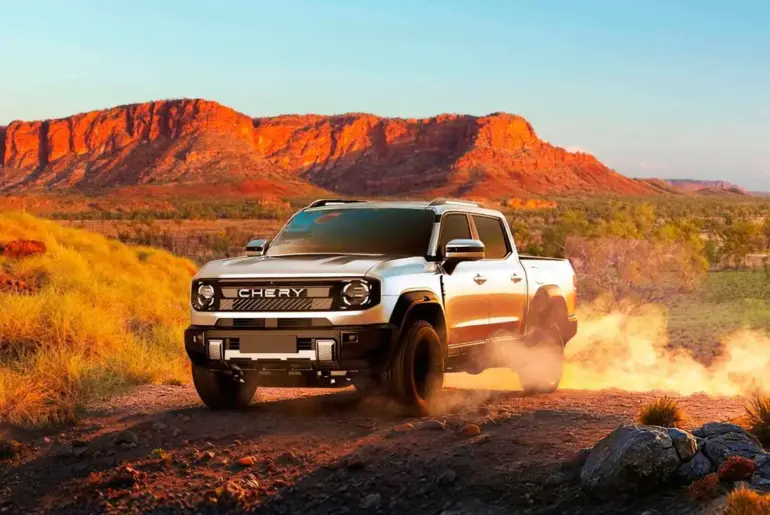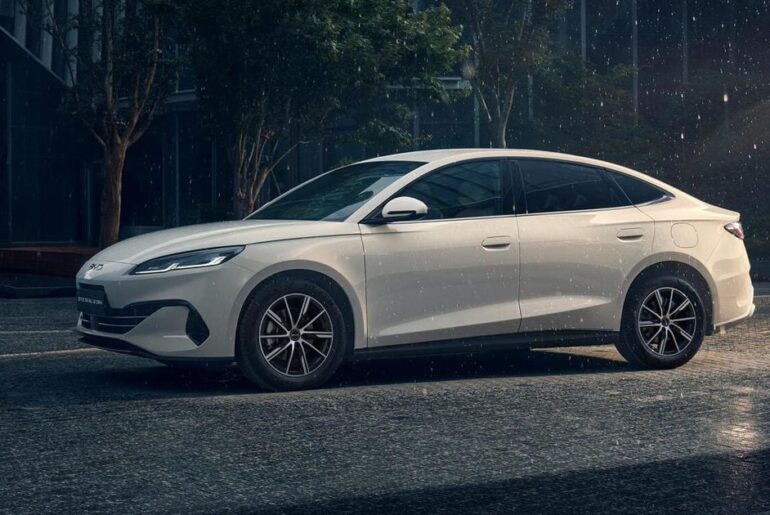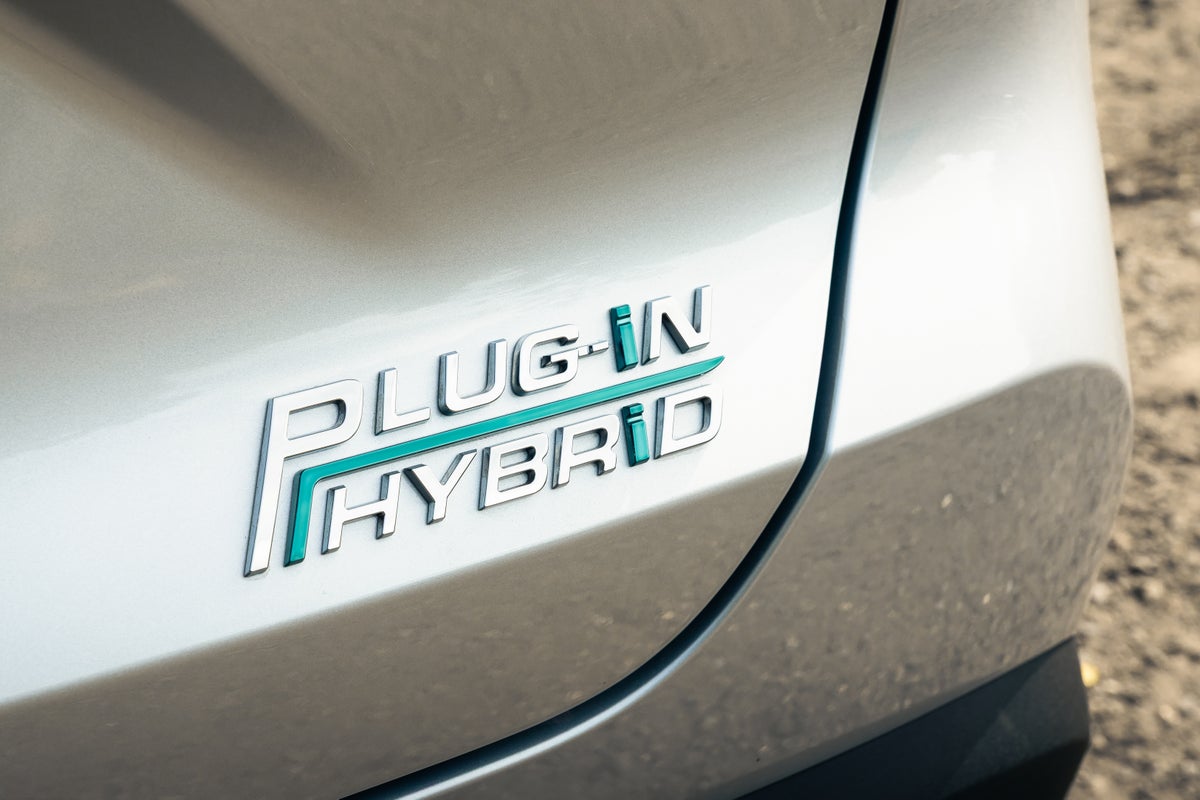
Chinese plug-in hybrid car sales have been soaring due to the increase in the cost of fuel (Chery)
New Chinese car brands are coming thick and fast in the UK, and plug-in hybrids are proving to be one of their biggest strengths. The formula is simple enough: generous equipment, decent quality, family-friendly SUV body styles, enough electric range to cover most commutes and a petrol engine in reserve for longer trips.
Put all that together with aggressive pricing and you’ve got a sector that’s suddenly looking very interesting indeed – it’s no wonder the Jaecoo 7, with it’s Range Rover-like looks, is the second-best-selling car in the UK so far in 2026. What’s striking is just how quickly these brands have moved from curious newcomers to serious contenders, offering the sort of value, range and technology that would have been hard to imagine even a couple of years ago.
Buyers who might previously have defaulted to more familiar European or Korean names are now being presented with a genuine alternative, particularly if they’re not quite ready to go fully electric. These six cars all tackle the brief in slightly different ways, so here’s how they stack up.
Jaecoo 7 SHS: from £35,175 Jaecoo.co.uk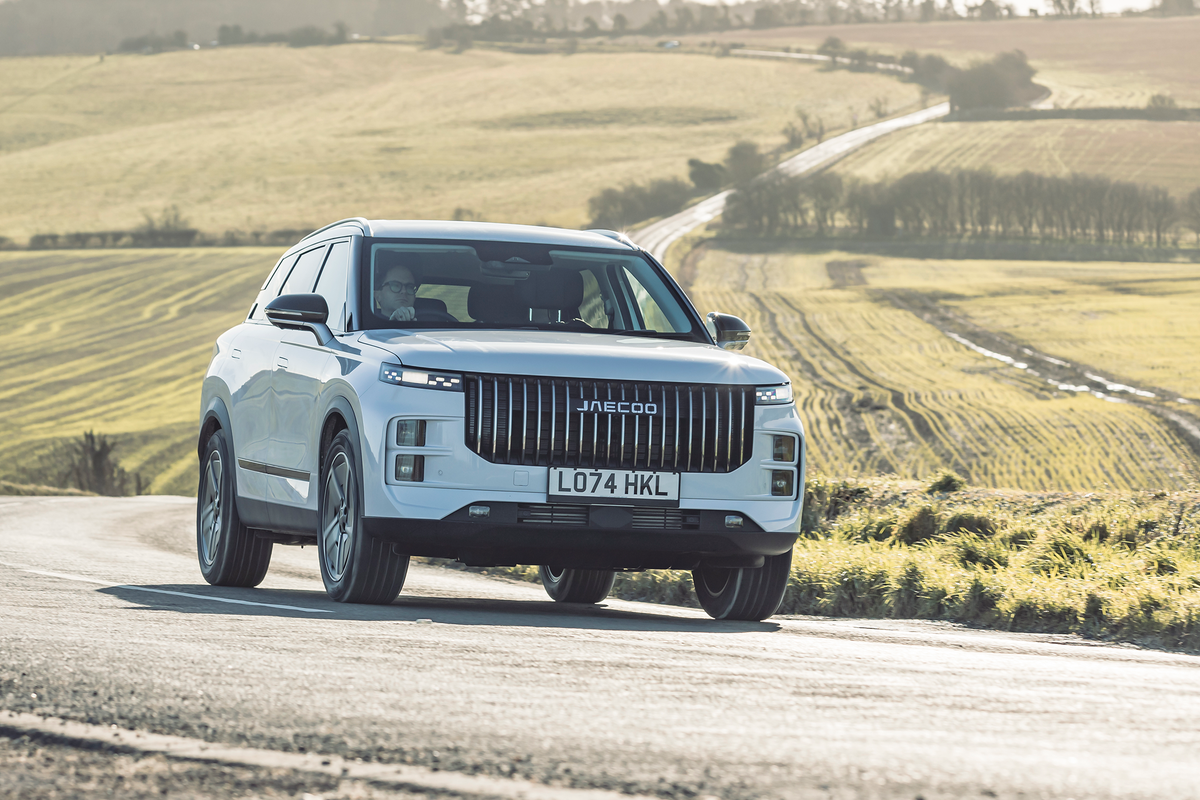
The Jaecoo 7 is the second best-selling car in the UK so far in 2026 (Jaecoo)
Independent rating: 7/10
Pros: Quality, value, kit, space and style
Cons: Dreadful ride quality, frustrating infotainment and warning beeps
Read our full Jaecoo 7 SHS review
Jaecoo 7 SHS specs
Maximum EV range: 56 miles
Max battery & engine range: 745 miles
BYD Sealion 5 DM-i: from £29,995 byd.com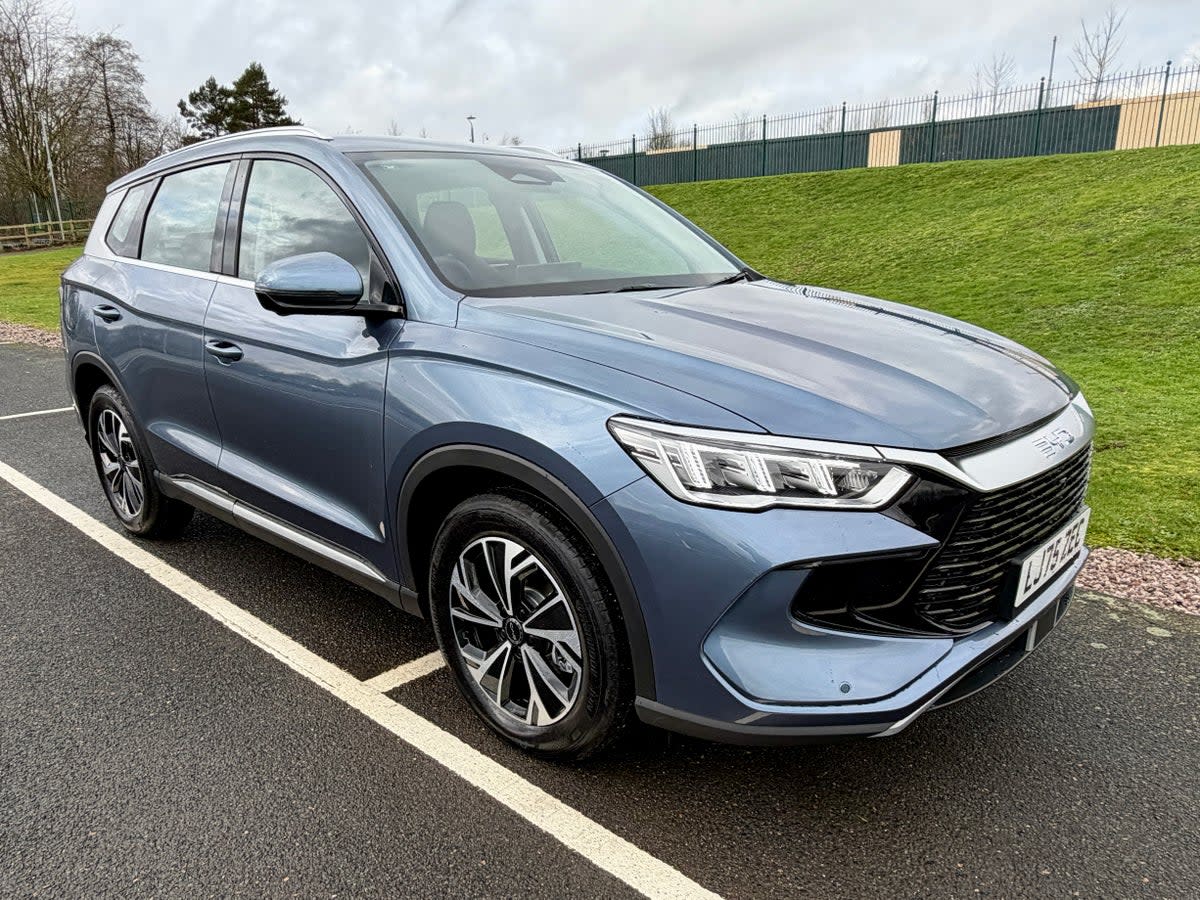
The BYD Sealion 5 DM-i is the latest plug-in hybrid from the Chinese brand (Steve Fowler)
Independent rating: 8/10
Pros: Good value, impressive driving range, premium build, easy to live with
Cons: Firm ride, slightly odd steering, infotainment quirks
Read our full BYD Sealion 5 DM-i review
BYD Sealion 5 DM-i specs
Battery size: 12.96kWh (Comfort), 18.3kWh (Design)
Maximum EV range: 53 miles
Engine: 1.5-litre four-cylinder
Max battery & engine range: 631 miles
Chery Tiggo 8 Super Hybrid: from £33,545 cherycar.co.uk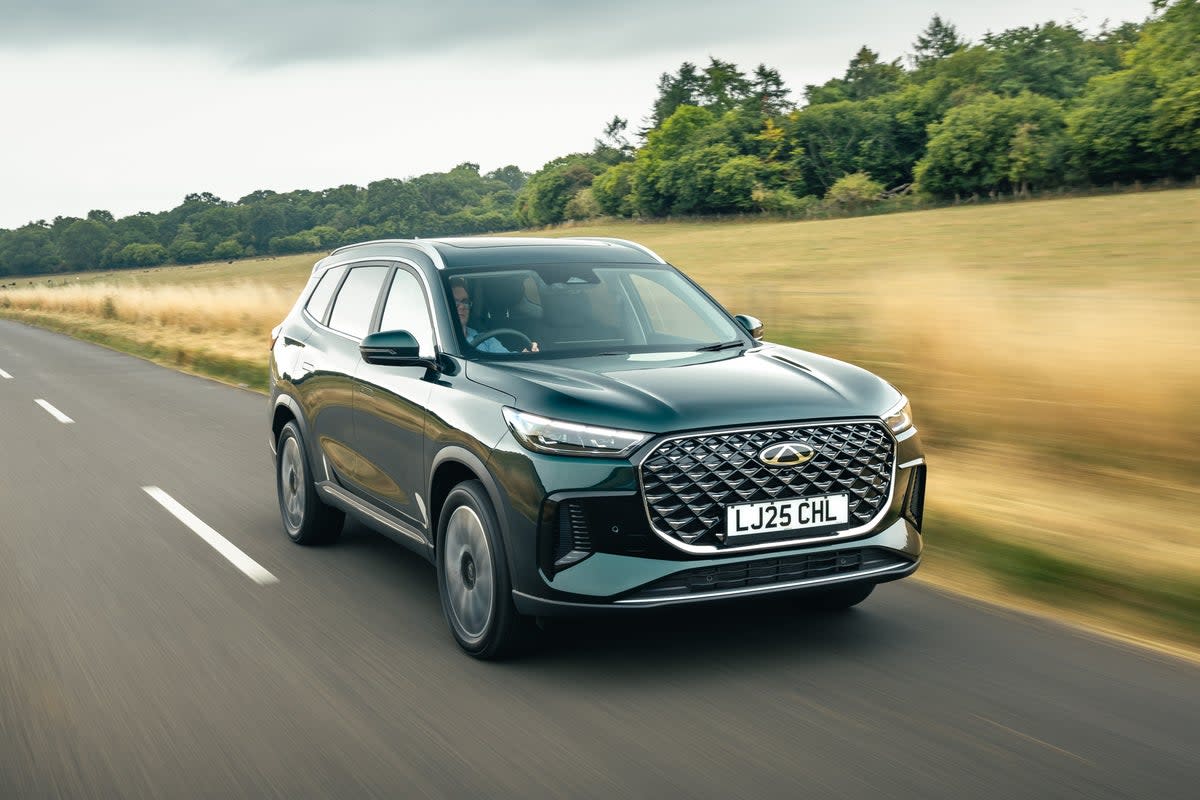
The Chery Tiggo 8 Super Hybrid undercuts rival PHEVs and offers seven seats as standard (Chery)
Independent rating: 8/10
Pros: Outstanding value, impressive efficiency, great standard kit, decent refinement, strong warranty
Cons: Average ride quality, touchscreen can frustrate, styling lacks flair, poor audio quality
Read our full Chery Tiggo 8 Super Hybrid review
Chery Tiggo 8 CSH specs
Maximum EV range: 56 miles
Engine: 1.5-litre four-cylinder
Max battery & engine range: 745 miles
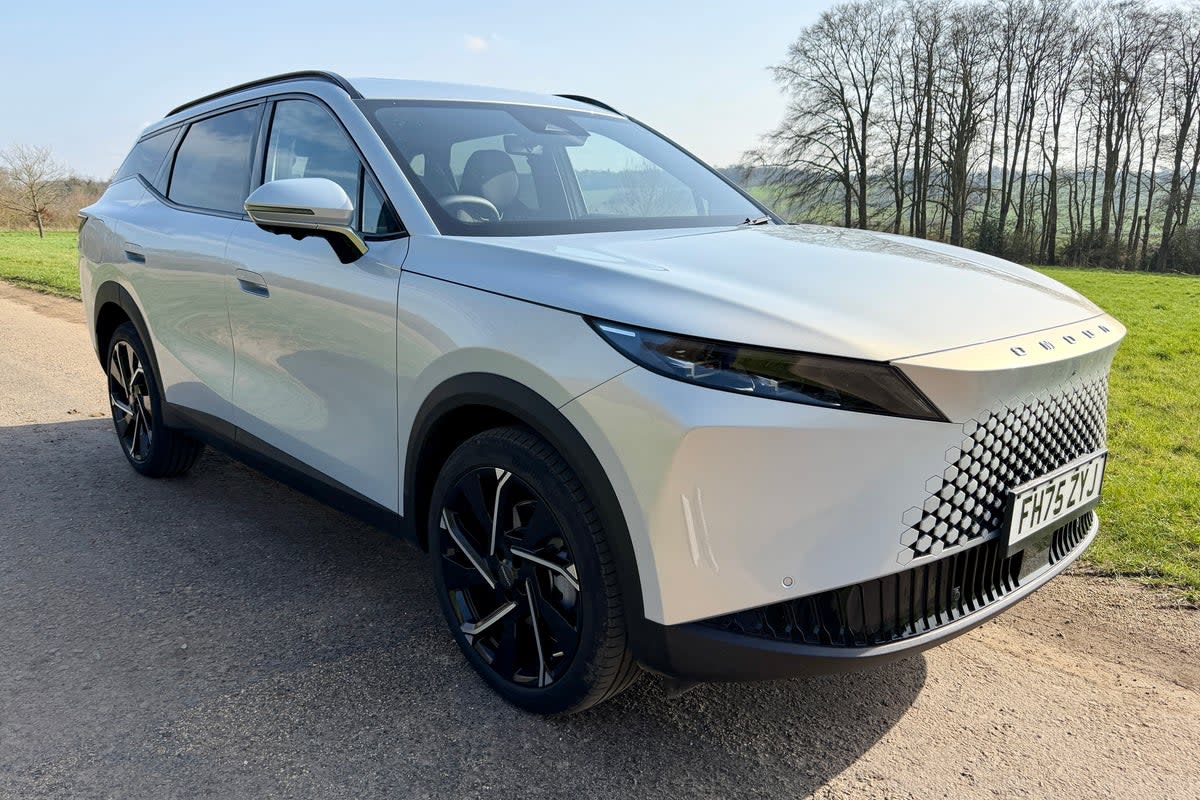
The Omoda 7 SHS is targeting fashion-conscious family car buyers (Steve Fowler)
Independent rating: 7/10
Pros: Impressive total range, generous standard equipment, competitive pricing, large boot
Cons: Fidgety ride quality, vague steering, mixed interior plastics, disappointing Sony audio
Read our full Omoda 7 SHS review
Omoda 7 SHS specs
Maximum EV range: 56 miles
Engine: 1.5-litre four-cylinder engine
Max battery & engine range: 745 miles
Geely Starray EM-i: from £29,990 geelyauto.co.uk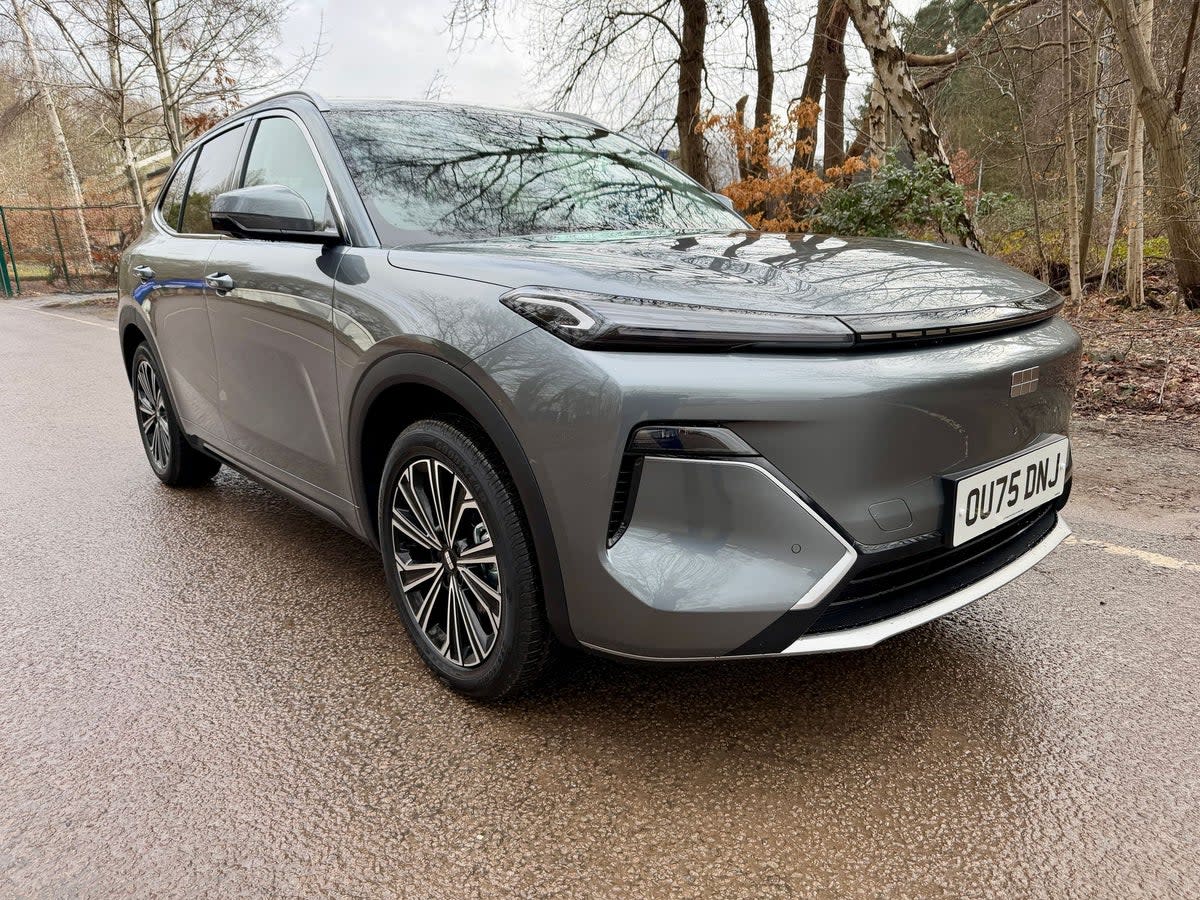
The Geely Starray DM-I was styled at Geely’s design studio in Italy (Steve Fowler)
Independent rating: 8/10
Pros: Excellent interior quality and space, long electric range, seamless hybrid system, generous equipment
Cons: Over-reliance on touchscreen with some controls hard to find, ride is a little firm
Read our full Geely Starray EM-i review
Geely Starray EM-i specs
Battery size: 18.4kWh (Pro and Max), 29.8kWh (Ultra)
Maximum EV range: 51 miles (Pro and Max), 84 miles (Ultra)
Engine: 1.5-litre four-cylinder
Max battery & engine range: 585 miles (Pro and Max) and 618 miles (Ultra)
MG HS Plug-in Hybrid: from £32,245 mg.co.uk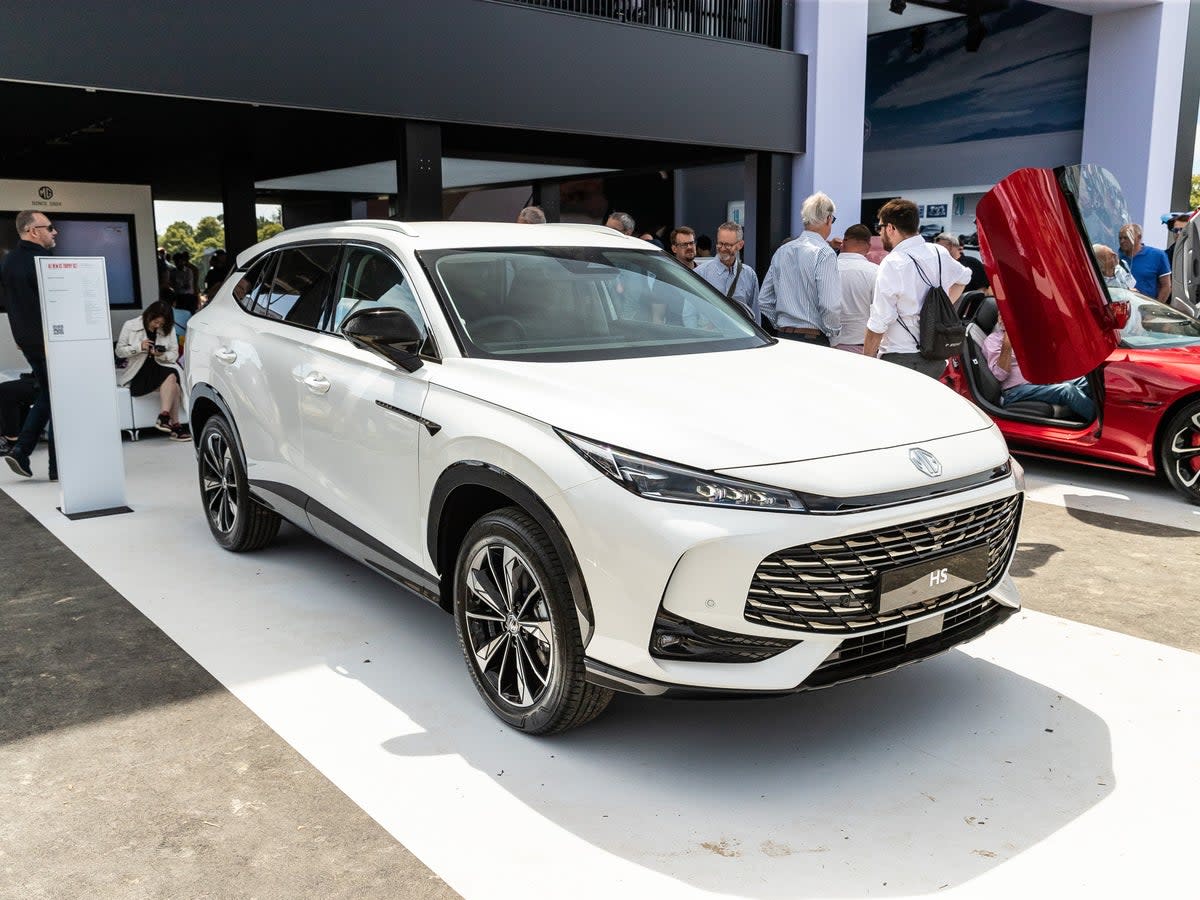
The MG HS was revealed at the Goodwood Festival of Speed (MG)
Independent rating: 8/10
Pros: Terrific value, respectable quality and image, comfortable, mostly spacious and practical
Cons: Too many touchscreen-controlled functions, boot not as big as rivals
MG HS Plug-in Hybrid specs
Maximum EV range: 75 miles
Max battery & engine range: TBC
Performance and drive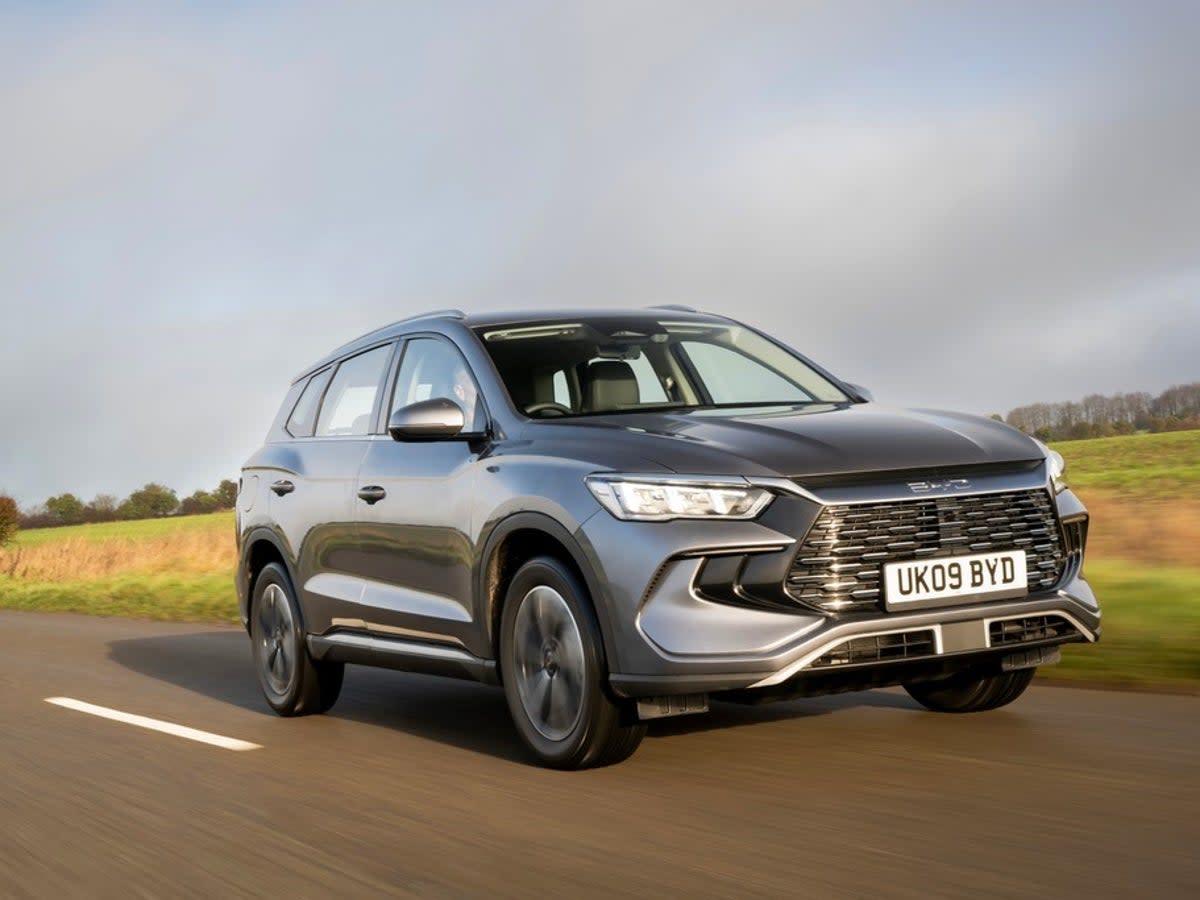
The BYD Sealion 5 DM-i blends a sporty ride with an impressive plug-in hybrid powertrain (BYD)
There’s a clear theme running through this group: all six cars are aiming for easy-going family transport rather than anything remotely sporty. The Jaecoo 7’s plug-in hybrid system itself impresses, with smooth transitions between electric and petrol power and plenty of quiet running, but the rest of the driving experience is harder to recommend thanks to a firm, bumpy ride and odd, lifeless steering. The Omoda 7’s closely related hybrid system feels smooth and well-integrated too, and it glides along quietly around town, but its fidgety ride, vague steering and extra tyre noise knock it back.
BYD’s Sealion 5 DM-i majors on refinement and ease of use. Its single-speed transmission is tuned for efficiency rather than fun, and on the road it feels relaxed and measured rather than brisk. The payoff is a very sensible and easy-going character.
Chery’s Tiggo 8 takes a similarly calm approach, pairing smooth performance with a quiet driving experience, although the ride can still be a little jiggly. The Geely Starray EM-i also puts family usability first, but its powertrain feels especially polished, with seamless switching between petrol and electric operation and enough punch to feel more than adequate in normal use. Even the MG HS, while not especially brisk or entertaining, is comfortable and practical.
Winner: BYD Sealion 5 DM-i – Its smooth, EV-like drivetrain delivers quiet, seamless performance and it’s a comfortable drive, making everyday driving especially relaxing and efficient.
Interior, practicality and boot space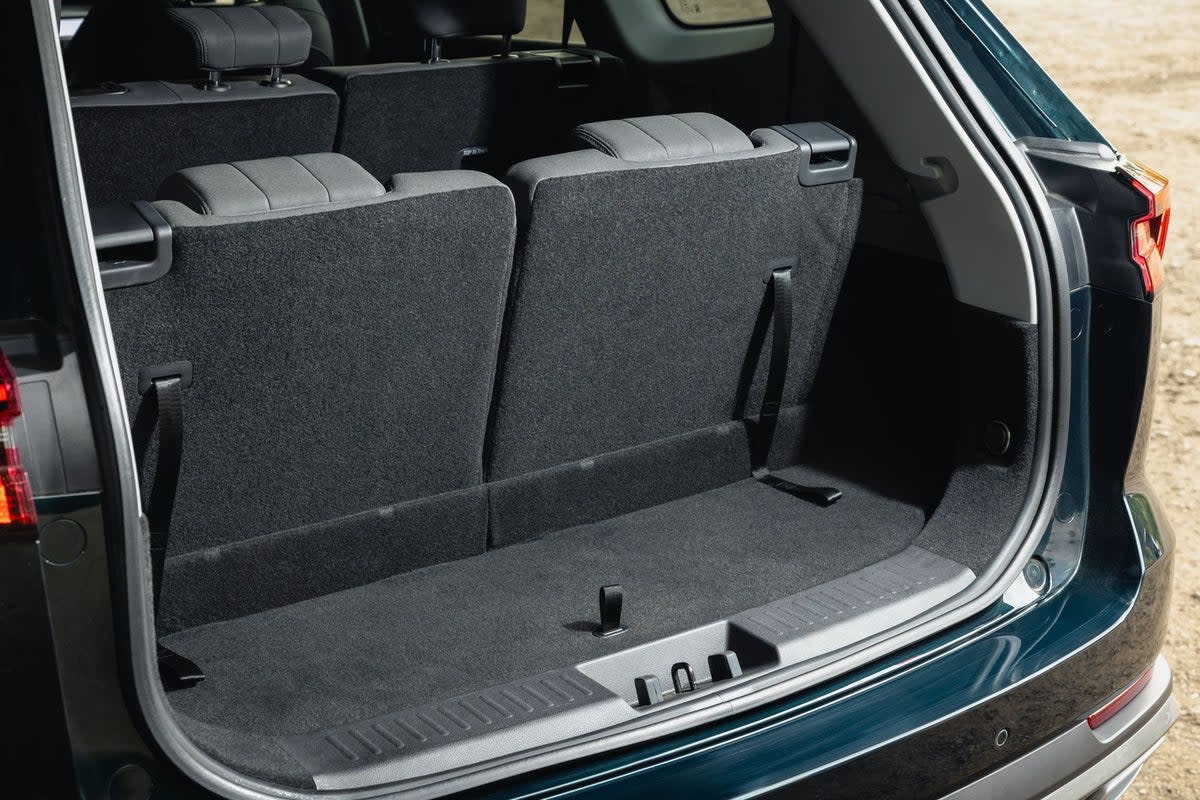
The Chery Tiggo 8 gets seven seats where its rivals on get five (Chery)
This is where the Chinese newcomers really make their case. The Jaecoo 7 plug-in hybrid looks far more expensive inside than its price suggests, with some genuinely premium materials, good storage and plenty of rear leg and head room, although its boot is only 412 litres. BYD’s Sealion 5 feels impressively well finished for the money too, with a modern-looking cabin, strong material quality, wide-opening doors and a cabin clearly designed to be easy to live with. Its boot is slightly larger than the Jaecoo’s, at 463 litres with the rear seats up.
Chery’s Tiggo 8 is the practicality star. Its cabin is one of the most impressive things about it, feeling substantial, well-made and modern, while the seven-seat layout gives it an advantage none of the others here can match. Omoda counters the Tiggo 8’s 494 litres of boot space (in five-seat form), with a very useful 639-litre boot and a flat load floor, making it particularly family-friendly in everyday use. Geely’s Starray also shines, with huge interior space for its footprint, a cabin that feels more premium than many rival models and a boot of 528 litres, growing to 2,065 litres with the rear seats folded. The MG HS still makes sense here too: it’s comfortable, mostly spacious and practical, even if the boot isn’t as generous as some rivals.
Winner: Chery Tiggo 8 Super Hybrid – Seven-seat versatility, generous cabin space and strong practicality make it the most family-friendly option here.
Technology, stereo and infotainment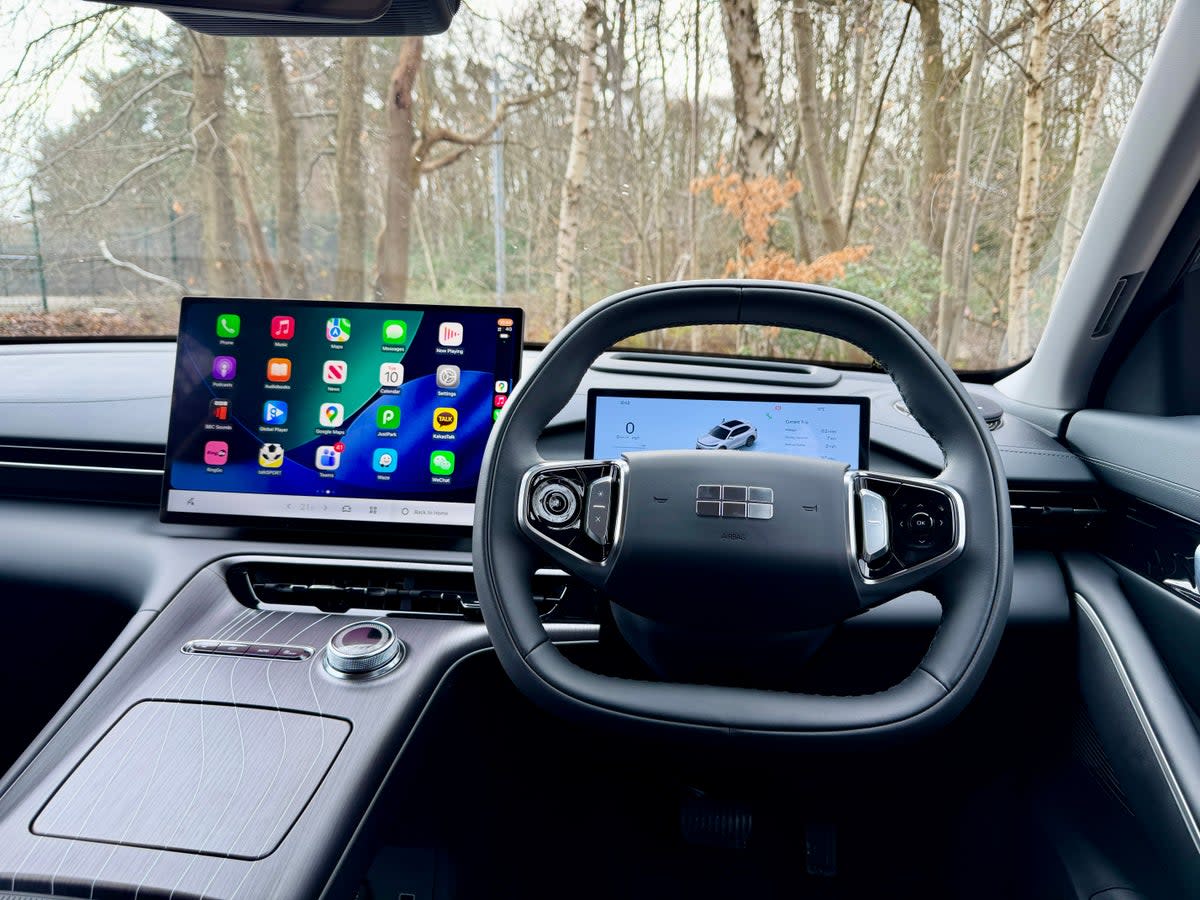
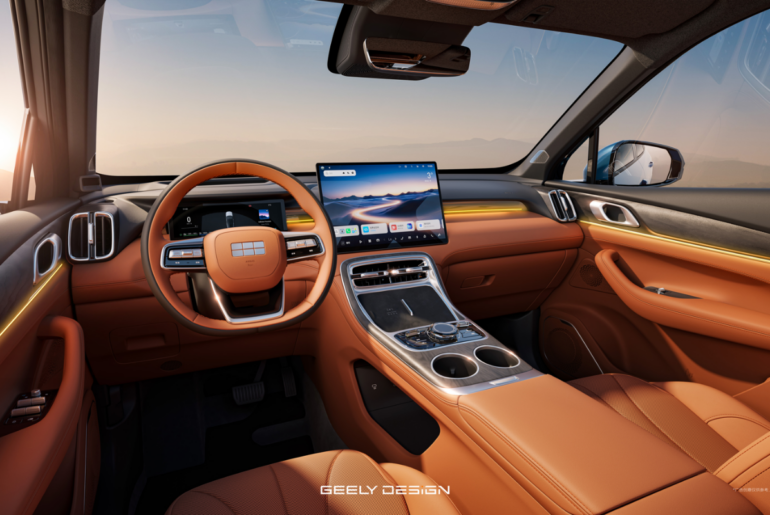
The Geely Starray interior blends quality and usable tech (Steve Fowler)
Equipment is a big selling point for all these cars, but they don’t all execute it equally well. The Jaecoo 7 is loaded, with everything from powered front seats that are both heated and cooled, to a head-up display and a 14.8-inch touchscreen with Wireless Apple CarPlay and Android Auto. But some of its functions are frustrating to use and the constant warning chimes quickly become wearing. BYD’s Sealion 5 keeps things simpler, with a responsive 12.8-inch screen and plenty of standard kit, although some features take time to learn and there are still a few infotainment quirks.
Chery makes a very strong case on tech alone. The Tiggo 8 gets a big, clear screen, wireless smartphone mirroring, voice control, lots of driver assistance kit and an all-seeing, 540-degree camera system, even if the menu structure can be fiddly and the Sony audio isn’t especially premium.
Omoda’s 15.6-inch screen is bright and generally responsive, plus the brand has sensibly kept some physical shortcut buttons, but the screen’s position and another underwhelming Sony stereo count against it.
Geely’s system looks terrific, responds quickly and is backed up by a useful head-up display and a clever rotary controller, though it still hides too many everyday controls in the touchscreen. As for the MG HS, its biggest flaw is exactly this sort of touchscreen dependency, with even simple functions requiring menu-diving when on the move.
Winner: Geely Starray EM-i– Fast, intuitive infotainment, strong graphics and clever features make it the easiest system to live with.
Prices and running costs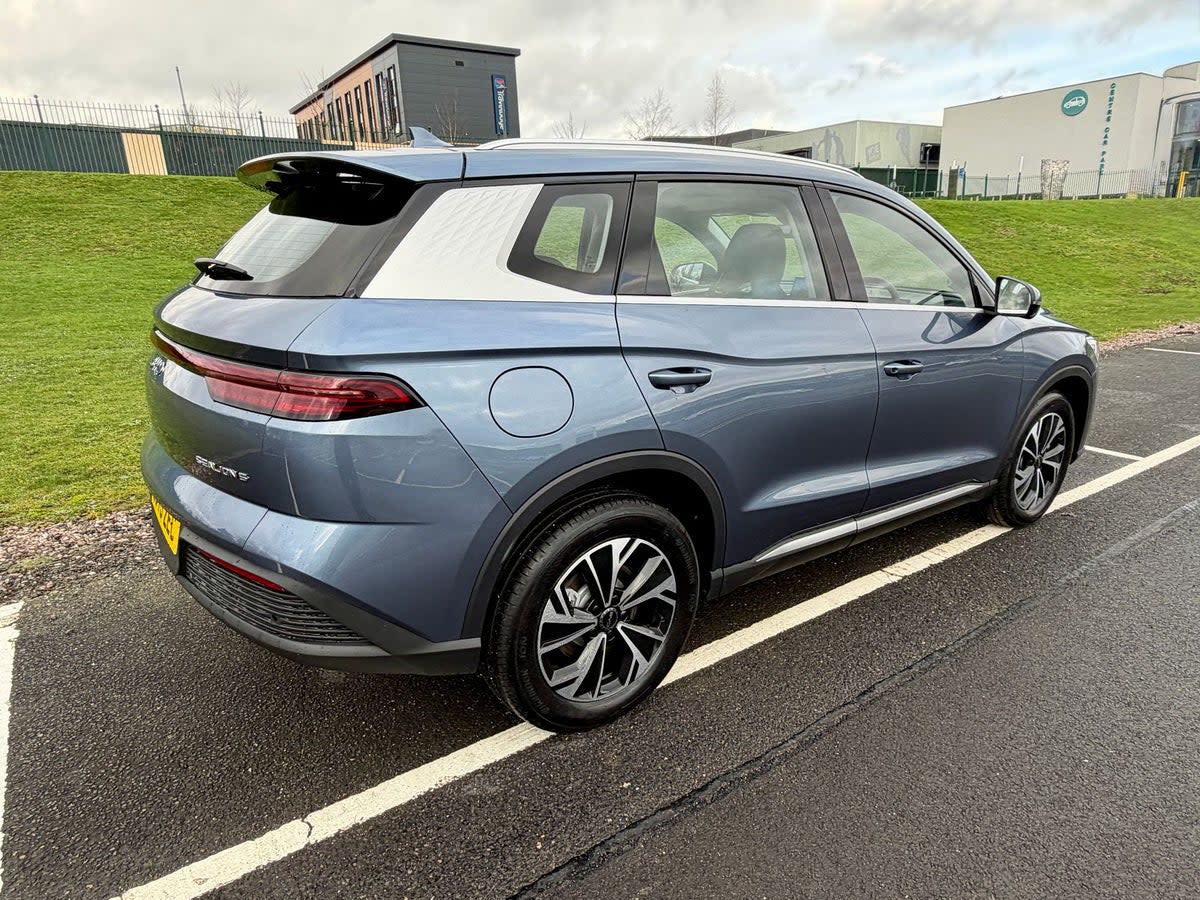
The BYD Sealion 5 DM-i will go up to 53 miles on electric power alone (Steve Fowler)
Value is one of the biggest reasons these cars matter. The BYD Sealion 5 DM-i and Geely Starray EM-i both start below £30,000, which makes them look particularly strong when backed up by decent quality, lots of kit and useful electric-only range.
The Omoda 7 starts from £32,000, the seven-seat Chery Tiggo 8 from £33,545 and the most premium-looking of the lot, the Jaecoo 7 SHS, from £35,170. All three offset those higher prices with generous equipment and strong headline range claims.
The Tiggo 8 and Omoda 7 both promise 745 miles in combined running, while the Jaecoo quotes the same figure, even if that feels optimistic. BYD’s 631-mile figure is lower but still strong, while the Geely counters with up to 84 miles of electric range in Ultra trim, the best electric-only figure of the cars here. MG sits somewhere in the middle with the PHEV starting at £31,495.
Winner: BYD Sealion 5 DM-i – Strong efficiency, competitive pricing and impressive total range combine to deliver excellent real-world value.
The verdict – what’s the best family plug-in hybrid SUV made by a Chinese car maker?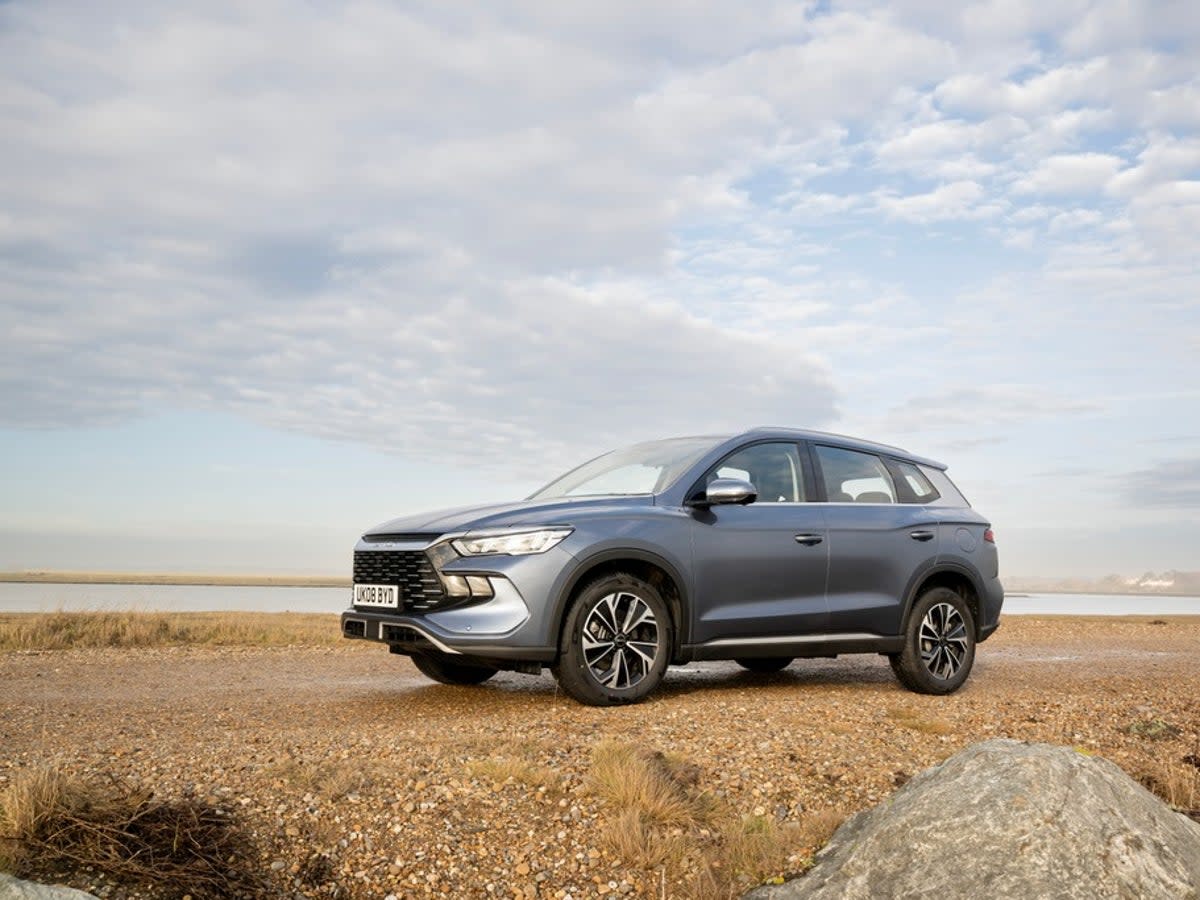
The BYD Sealion 5 DM-i is our pick of the family-friendly plug-in hybrid SUVs for around £30k (BYD)
These six SUVs show just how quickly the Chinese brands are learning the family-car game. None is perfect. The Jaecoo 7 has quality and value on its side, but is badly let down by a poor ride and tech irritations. We can understand why so many buyers have been swayed by those premium looks, though – inside and out.
The Omoda 7 offers a big boot, long range and lots of kit, but doesn’t feel quite polished enough dynamically. MG’s HS still looks like good value, but doesn’t feel as premium as some rivals.
That leaves the three strongest all-rounders. Chery’s Tiggo 8 impresses hugely with space, seven-seat versatility, standard kit and value so I’d rate that third. Geely’s Starray EM-i feels especially polished, with excellent interior quality, seamless hybrid operation and the longest published EV range here in Ultra trim – so it’s second place for the Geely.
But if there’s one car that hits the sweet spot best, it’s the BYD Sealion 5 DM-i. It’s the cheapest here, it scores strongly on quality, space and tech, and its easy-going nature makes it feel exactly like the sort of plug-in hybrid family buyers will want to live with every day. That makes it the winner here.