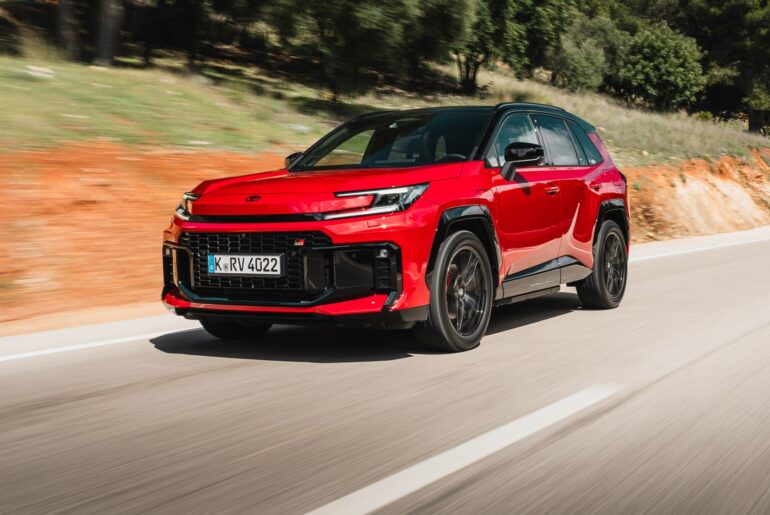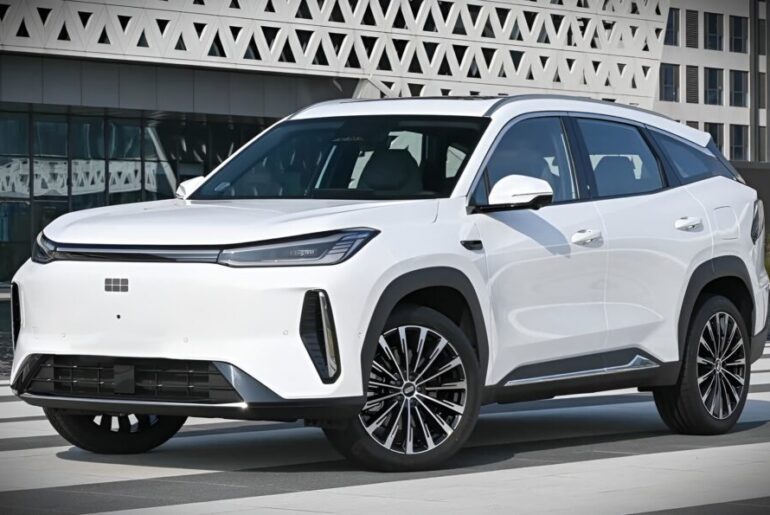
If you asked someone who didn’t know anything about cars what the best-selling vehicle in the United Kingdom was I bet they’d say something stereotypical, like the Mini Cooper, or maybe something obvious like the Toyota Corolla. Ask a car person and they’d probably tell you the Puma, because it’s usually the Ford Puma. Not so in March!
Most of the site today is going to be a distraction from all that’s going on, because I think that’s what a lot of us probably need. It’s not that all of it isn’t important, which is why The Morning Dump is going to talk about it as it relates to cars. Specifically, I’m going to talk about how this is creating massive uncertainty for the people who buy and sell cars seem to face every day. It’s also possible this is just because I need a break from thinking about the Astros giving up an eight-spot in one inning to the Rockies after I fell asleep.


What’s going to happen with energy? Will inflation rise? Will consumers even notice? Will it lead to more electric car purchases? It depends on where you live.
Energy Prices Keep Going Up, But The Impacts Are Delayed Photo: DepositPhotos.com
Much of the war in the Middle East centers around access to the Strait of Hormuz, which is a narrow path around Iran and Oman that controls the flow of both refined and unrefined petroleum products needed by parts of the world.
As Bloomberg‘s Javier Blas explained to the Odd Lots podcast, the basic concept is that your future depends a lot on how reliant you are on other people for your energy and how close/far you are from that energy source. The United States has reserves and is a net exporter of oil, so it’ll probably never run out of oil, even if prices go higher. China has both its own sources and massive reserves. If you’re in Australia or Indonesia or even South Korea, it’s a bit of a tougher situation.
As Blas points out, there’s been a bit of an oil glut lately, so there’s a lot of excess fuel in the system that we’re still working through. What happens when that runs out is anyone’s guess, as is the length of the closing of the Strait of Hormuz and the length of the war.
So far, though, consumers in the United States have been relatively calm. Car sales conditions were mild through the first two months of the year before turning south in March. There are other factors to consider, as Cox Automotive’s Jeremy Robb points out:
New-vehicle sales rose to a 16.3 million SAAR in March, up from February’s weather-depressed pace but down 8.7% year over year against a tough comparison. Last year’s market saw elevated tariff-induced pull-ahead volume that will not be repeated this year, making year-over-year comparisons more challenging through the second quarter. Fleet sales remain a bright spot, while retail share declined.
In consumer confidence, forward-looking expectations fell and inflation expectations surged to 6.2% from 5.5%—the highest since May 2025—as the Middle East conflict keeps energy prices elevated. For now, tax refund dollars are providing a meaningful bridge through a softening labor market, but the spring selling season will test whether that support can offset rising inflation fears and weakening confidence in the months ahead.
We are now entering a second year of a White House that has tested the limits of executive power, so we’re comparing this year to a 2025 that was dominated by tariffs and massive changes to subsidies. Is up that good? Is down that bad? It’s harder to say than usual.
Based on the data, the average consumer in the United States doesn’t seem as tentative as you’d maybe guess given all the negative headlines about fuel prices, and an impending energy crisis. As Robb points out, we’ll learn a lot in the next couple of months about how long that can last.
Consumers elsewhere seem to ready to jump, though.
Brits Go For Plug-In Hybrids, Australians For EVs

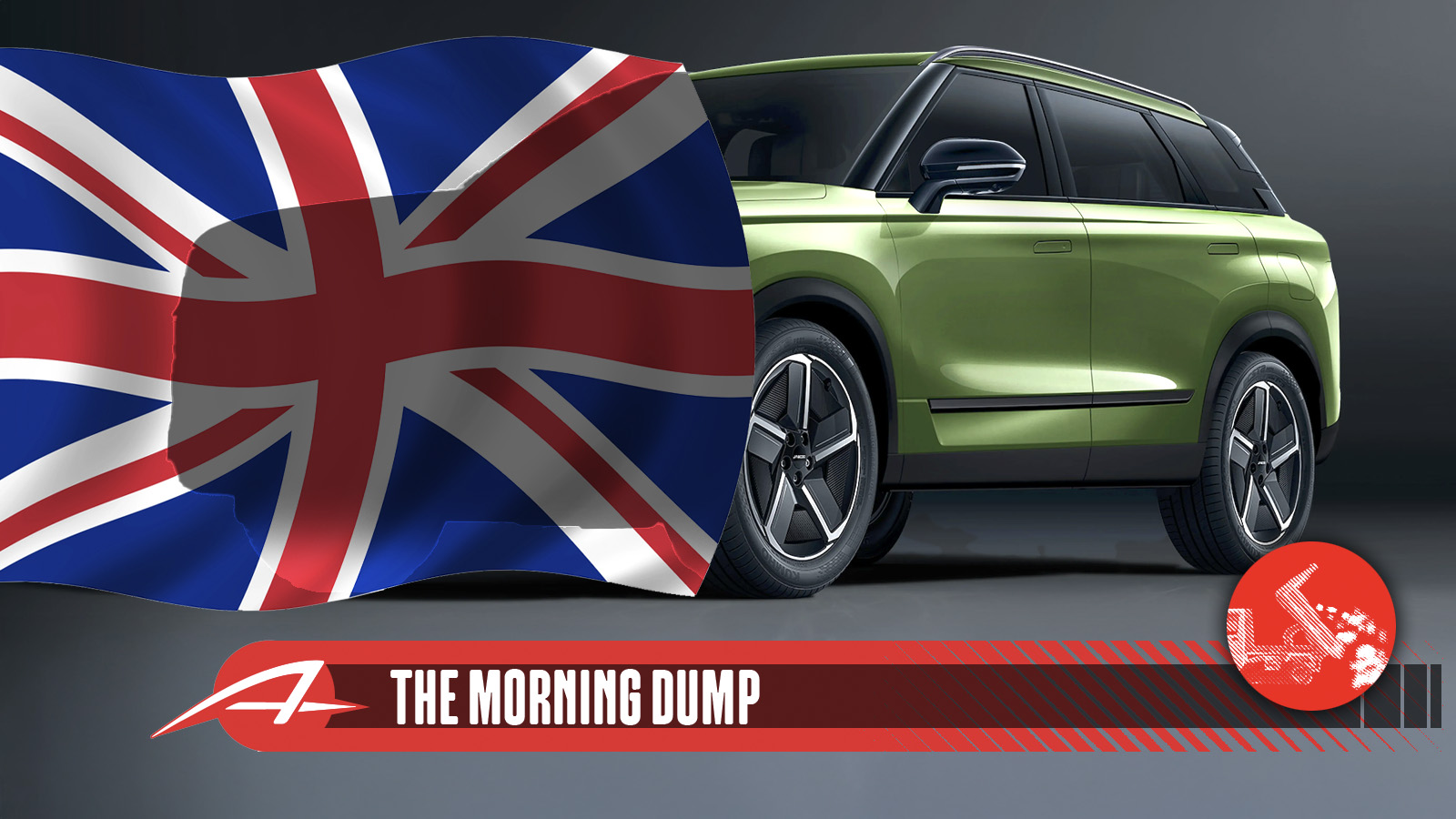
Would you believe that the best-selling car in the United Kingdom in March was the Jaecoo 7? I buried this story a little bit because I needed the setup. Will oil be cheap? Will electricity? If you buy a plug-in hybrid you get the best (or worst, depending on who you ask) of both worlds.
Plug-In Hybrids (PHEVs) are quite popular in China and other markets, even if adoption has been slow in the United States. According to the latest registration data, the UK car market had its best March since 2019. Massively leading the way in growth were PHEVs, which grew by 46.9% year-over-year and improved market share to 13.0%. BEVs grew by 24.2%, though the 22.6% market share is shy of the government’s goal of 33% this year.
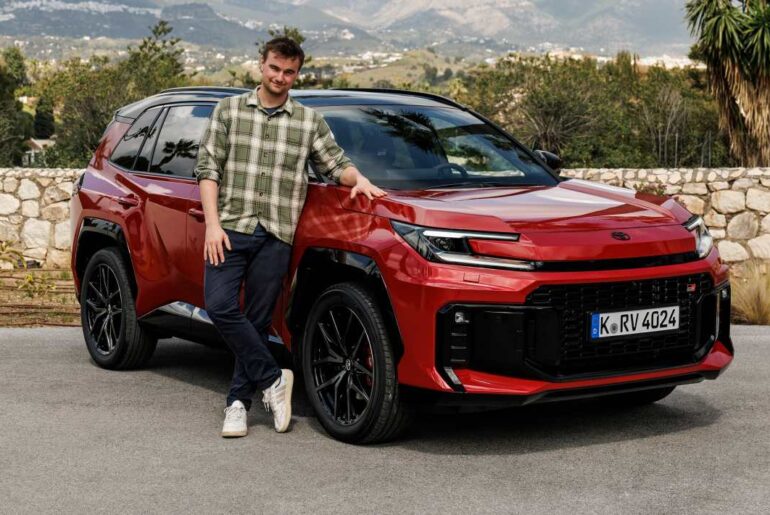
While the Ford Puma is still in the lead through Q1, it’s barely ahead of the Jaecoo 7, a plug-in hybrid from a subbrand of Chinese automaker Chery. In March, though, 10,064 Jaecoo 7s were sold, to just 9,193 Ford Pumas. For all the talk of BYD, not a single BYD broke the top 10. I went to Britain a couple of years ago and pointed out that Chinese automakers had a huge advantage there, partially because the UK doesn’t have a huge manufacturing footprint and isn’t subject to EU trade policy.
A lot of this is cost. A Jaecoo 7 plug-in hybrid costs about £35,000, compared to nearly £40,000 for a Tucson PHEV and £42,000 for a Tiguan PHEV. According to Jaecoo, 85% of sales were of the plug-in hybrid. Will this last? Because of the way the British car market works, a decent number of these sales probably were ordered ahead of the conflict with Iran, so it’s hard to say.
While we’re in the Commonwealth, Australian EV purchases also surged in Australia, although so did PHEVs. Australia has some of the highest fuel prices in the world, so this makes sense.
Chinese Automaker BYD Put On ‘List Of Shame’ In Brazil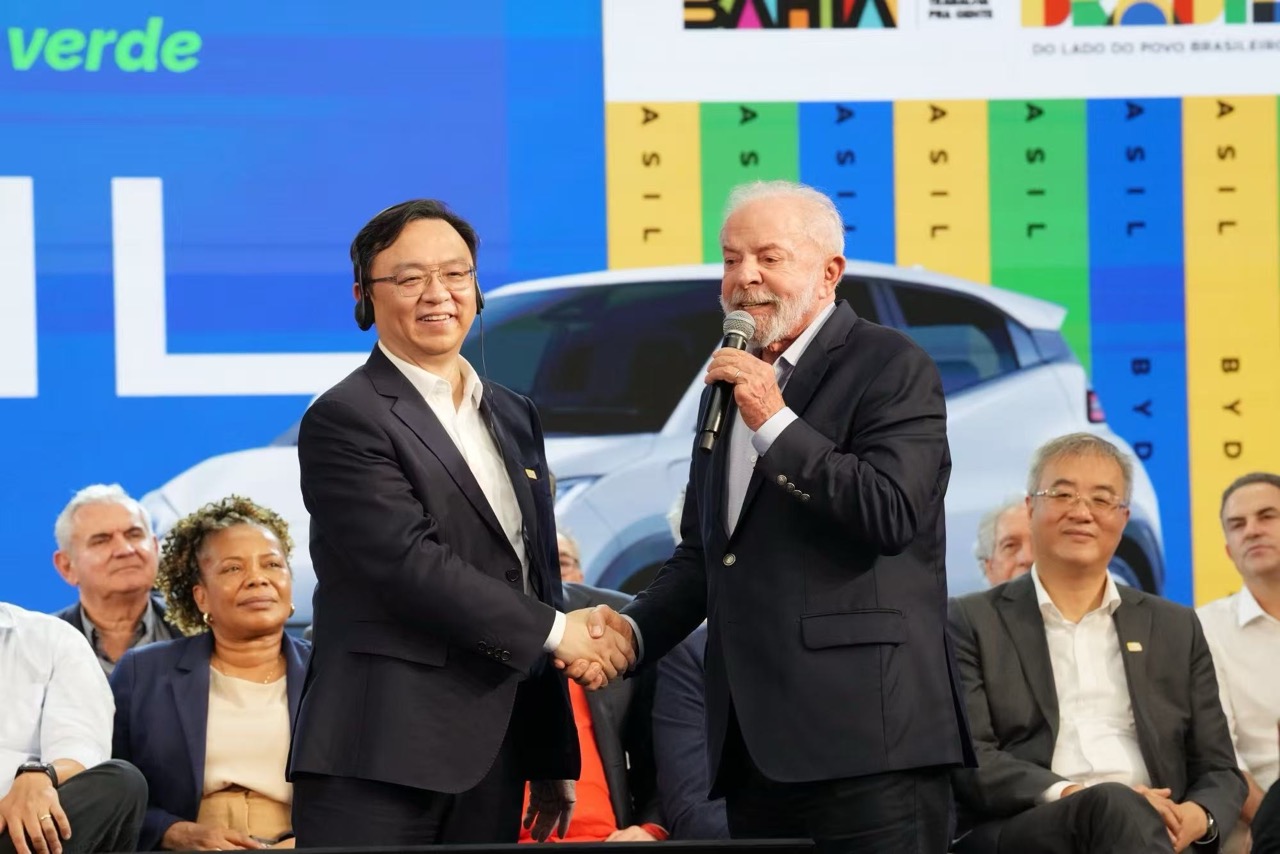 Photo: BYD
Chinese automaker BYD has made a big push into Latin America, including building a plant in Brazil’s Bahia state. That plant came to the attention of the local authorities after 163 workers building it were found to be working in “slavery-like conditions,” according to government investigators.
BYD denied the claims, but the country’s Labor Ministry has added the company to a list of shame following the scandal as Reuters reports:
The list, published by Brazil’s Labor Ministry, carries further reputational risk for the automaker in its biggest market after China.
It also bars BYD from obtaining certain types of loans from Brazilian banks, but does not affect the operation of its sole auto plant in the country that the workers were hired to build.
It’s also been reported that BYD is facing calls for a ‘forced labor’ investigation in Hungary.
VW Happy With Rivian Software, Though Who Knows When We’ll See It Source: VW
The massive $5+ billion deal between Volkswagen and Rivian was a lifeline to the American automaker, but also an admission that VW’s massive investments in software was mostly a bust. VW of America boss Kjell Gruner was at a roundtable in New York last week and spoke well of how the systems seemed to work.
“From my own experience, I’ve seen the platform,” Gruner said. “I’ve used it in one of my previous lives. It’s the right technology. So I’m glad to see the progress there.”
Great! When will consumers get to see it here in a product?
VW Group said it used the upcoming ID Every1 EV, along with unnamed Audi and Scout models, as reference vehicles for the testing. VW does not plan to offer the ID Every1 in the U.S. and it’s unclear which Audi vehicle would adopt the technology first.
Gruner reiterated that the joint venture’s software cannot be uploaded to an existing vehicle, meaning it’ll only be used on future platforms.
So, a while then…
What I’m Listening To While Writing TMD
How have only 1,300 people listened to this song? It’s “Duchess” by Nashville indie folk artist Erin Rae. It’s a mood.
The Big Question
What car would you buy, new or old, if you lived in the UK?
Top graphic images: DepositPhotos.com; Jaecoo