The Ride
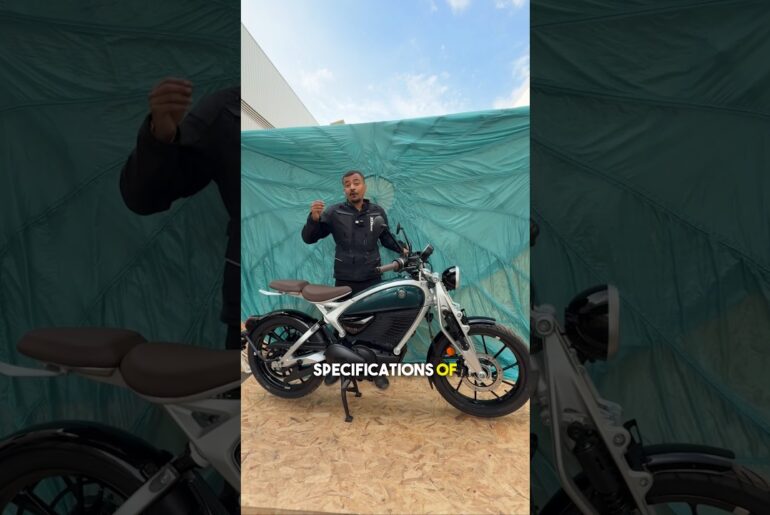
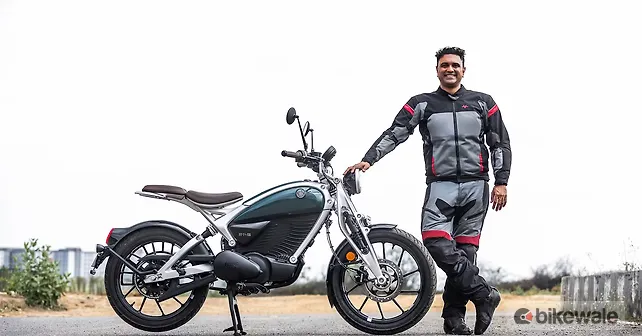
Once you are seated on the rider’s perch, it becomes instantly apparent that the Flying Flea is a city bike. The seat is roomy but just enough for those short runs.

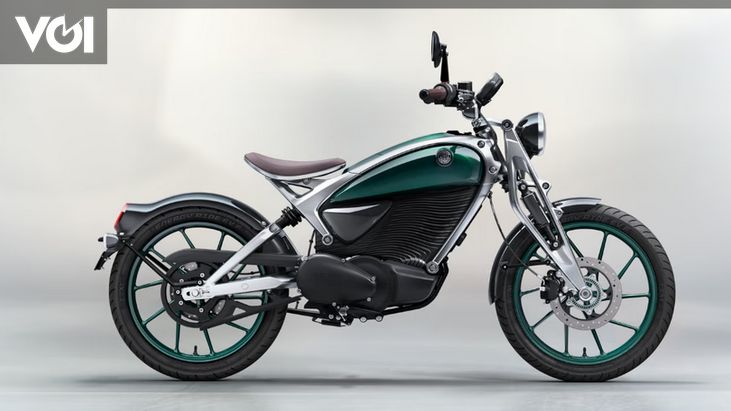
The handlebar is within easy reach, while the footpegs are set in a neutral position. The pegs, however, can also be moved forward for a slightly cruiser-ish riding position. I, however, have an issue with this, which I’ll come to later.
On the move, the Flying Flea is quick and stable. Even in the City mode, the Flea doesn’t feel like a slouch. Acceleration is rapid enough to keep pace with traffic and even pulling quick overtakes isn’t an issue. On the other end of the performance spectrum, the Sport mode sharpens the throttle response significantly and the bike feels properly fast. Royal Enfield claims a 0-60kmph time of 3.7s but the best part is that the ‘Flea’ can sit at highway speeds of 80-100kmph with ease. Which means there’s usable performance for both city and highway riding scenarios.
As for the battery range, the claimed 154km IDC should translate to a real-world range of around 100km, which is sufficient for city rides. Plus there’s regen to help maximise the overall range. However, we’d wait to test the bike in our city to put out a more conclusive statement about the actual range.
The ride quality of the bike is surprisingly good, despite the girder-style front suspension. It was absorbent over bumps and undulations with only the sharpest bumps filtering through. The monoshock also does a good job of isolating most of the bad roads from the rider, but it still felt a touch more firm than the front end. Those 19-inch wheels at both ends, meanwhile, made life easy while riding over broken and some mud packed trails. Considering their narrow width, the tyres are grippy around corners, albeit it does take a while to get used to the feel and feedback that they offer.
More importantly, the bike doesn’t get unsettled under hard braking conditions, despite the slim wheels. In fact, the brakes on the Flying Flea are quite strong and sharp, and I discovered this while avoiding a stray dog that decided to sprint across the highway all of a sudden.
That said, since I was on a motorcycle, I instinctively reached for the non-existent foot-operated rear brake pedal. I had to remind myself that the rear brake lever is on the handlebar, as is the case in a scooter. I get the point that Royal Enfield wanted to add adjustable footpegs as a feature, but a conventional rear brake would’ve been better.