 Mon, April 6, 2026 at 4:15 PM UTC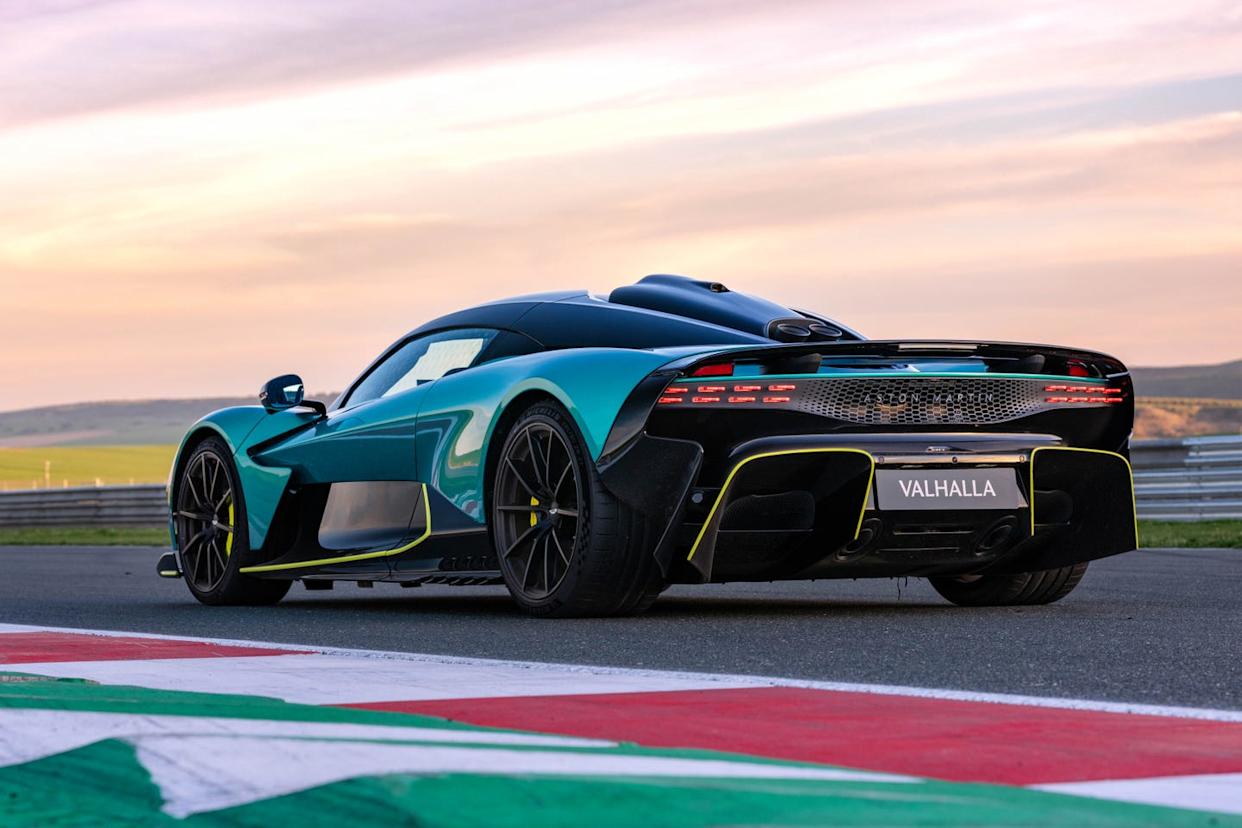
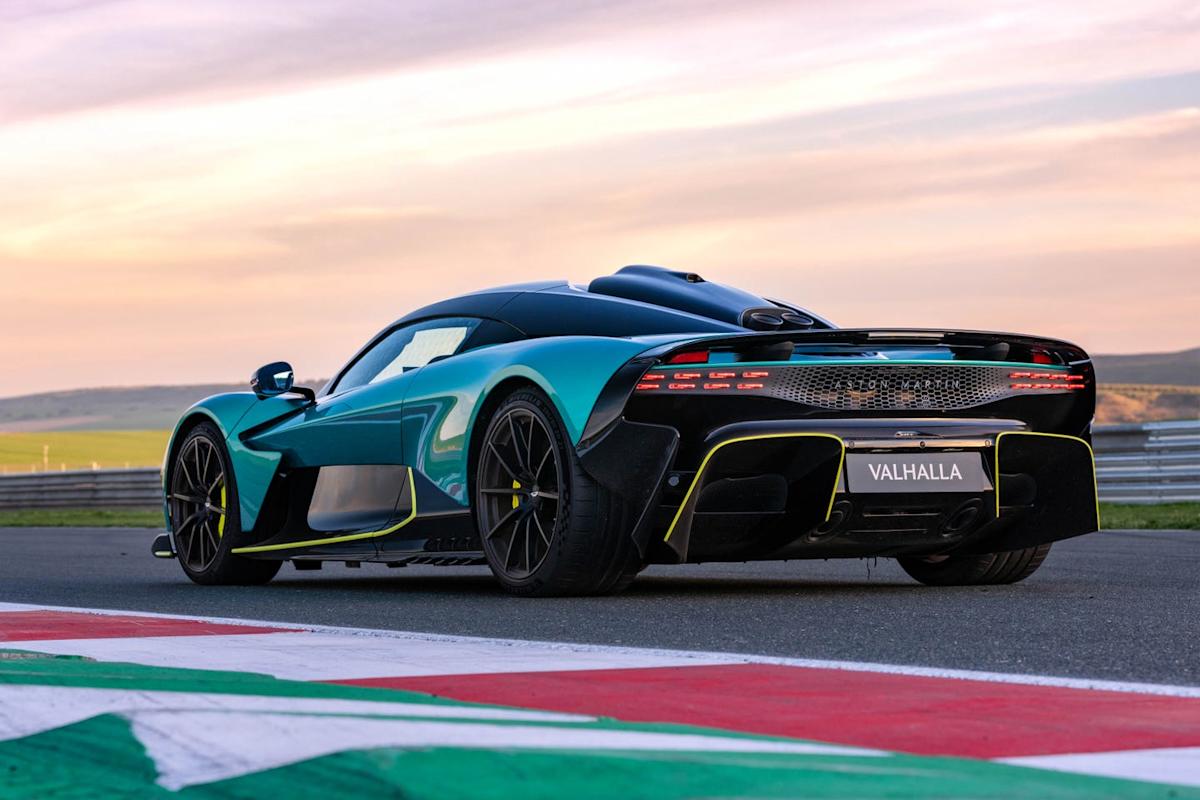
Aston Had to Limit The Valhalla’s Speed In ReverseAston Martiin
The Aston Martin Valhalla makes use of three electric motors as part of its powertrain equation, one of them working with the engine and the other two powering the front wheels individually. Those latter two give the Valhalla all-wheel drive, and they also exclusively supply moving power in reverse. This eliminates the need for a reverse gear in the eight-speed dual-clutch transmission, but it apparently also created a new problem for engineers: as Australian automotive site Drive found out, the Valhalla was far too fast in reverse during development.
Turns out the two electric motors were capable of zooming the Valhalla all the way up to about 87 mph in either direction. That’s the car’s electric-only top speed going forward, and the same was true going the opposite direction. It sounds like a perfect feature for a sweet car chase scene in a future Bond movie, but sadly, Aston isn’t keeping it for production; Drive’s report says Aston took action and electronically limited the Valhalla’s top speed in reverse to about 18 mph. (What a shame the fun police got their way.)
Road & Track has reached out to Aston Martin to confirm all of this, and will update the story upon hearing back. That said, from a fundamental point of view, this is a problem (or feature) that any electric car could have. Rimac went out of its way to make the Nevera the Guinness World Record holder for highest top speed in reverse in 2023, hitting 171 mph. We haven’t tested every EV or PHEV to see how fast they’ll go in reverse, but we’d wager a guess that they’ll all be electronically limited just like the Valhalla is.
You Might Also Like