With a market cap of $1.3 trillion and cutting-edge technology, Tesla (TSLA 2.16%) has earned its membership in the vaunted “Magnificent Seven” group of top tech stocks, but there’s an important difference between Tesla and the rest of the Magnificent Seven.
The six other tech giants trade at valuations that are within range of the S&P 500. In fact, you can make an argument that any of them are undervalued based on their growth rates and competitive advantages compared to the broad-market index.
Tesla, on the other hand, now trades at a price-to-earnings ratio of more than 300 based on generally accepted accounting principles (GAAP), meaning that investors expect it to grow several times faster than the S&P 500.
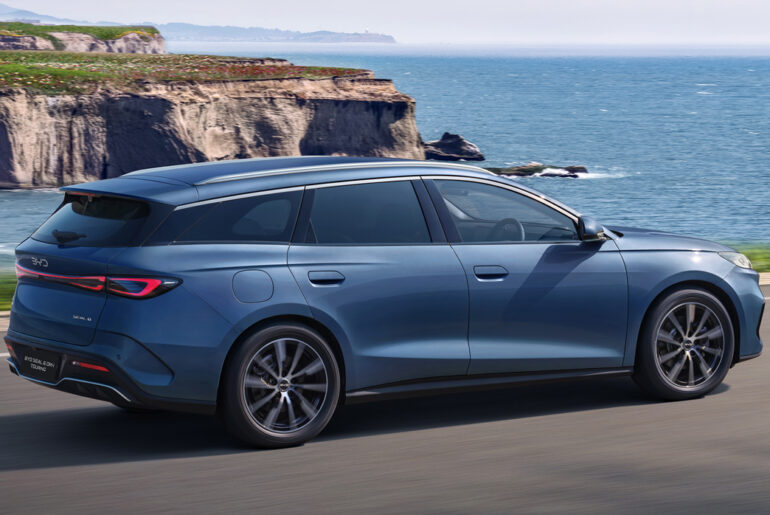
However, in recent years, Tesla has been stuck in neutral. Its core electric vehicle (EV) business declined by volume in 2024 and 2025, and first-quarter results were underwhelming as well. Total 2025 revenue at $94.8 billion was slightly below its 2023 mark at $96.8 billion. Operating income, meanwhile, fell in half during that period as margins plunged on increased competition in EVs. Tesla reported just $4.4 billion in GAAP operating income.
Despite the ugly numbers, Tesla has sustained an elevated valuation, and the stock is up 40% since the end of 2023, even as the business has literally shrunk.
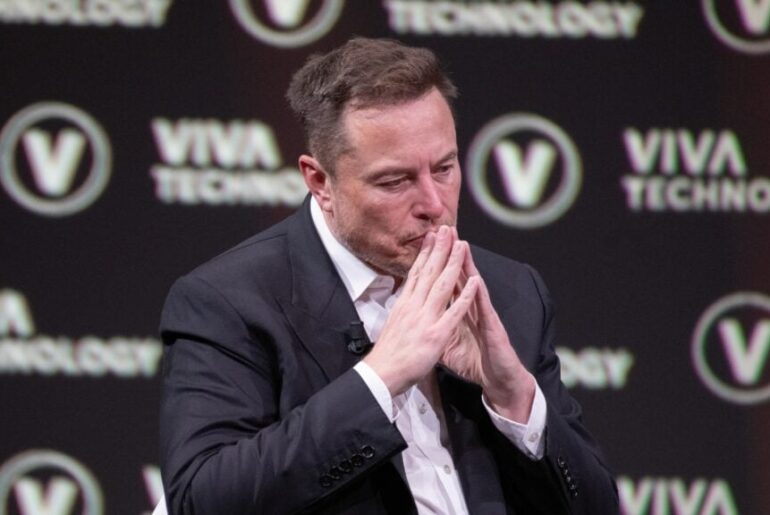
That owes to CEO Elon Musk’s ability to sell investors on his vision of robotaxis and autonomous robots, but so far, Tesla has little to show in those areas, at least in its financial results. It’s now operating its robotaxi service on a limited basis in two metro areas, Austin and the San Francisco Bay Area, and it continues to develop its Optimus autonomous robot, which is not yet on the market.
However, Tesla stock has fallen this year as those risks are becoming more salient, and now one Wall Street just called for Tesla to tumble another 60%.
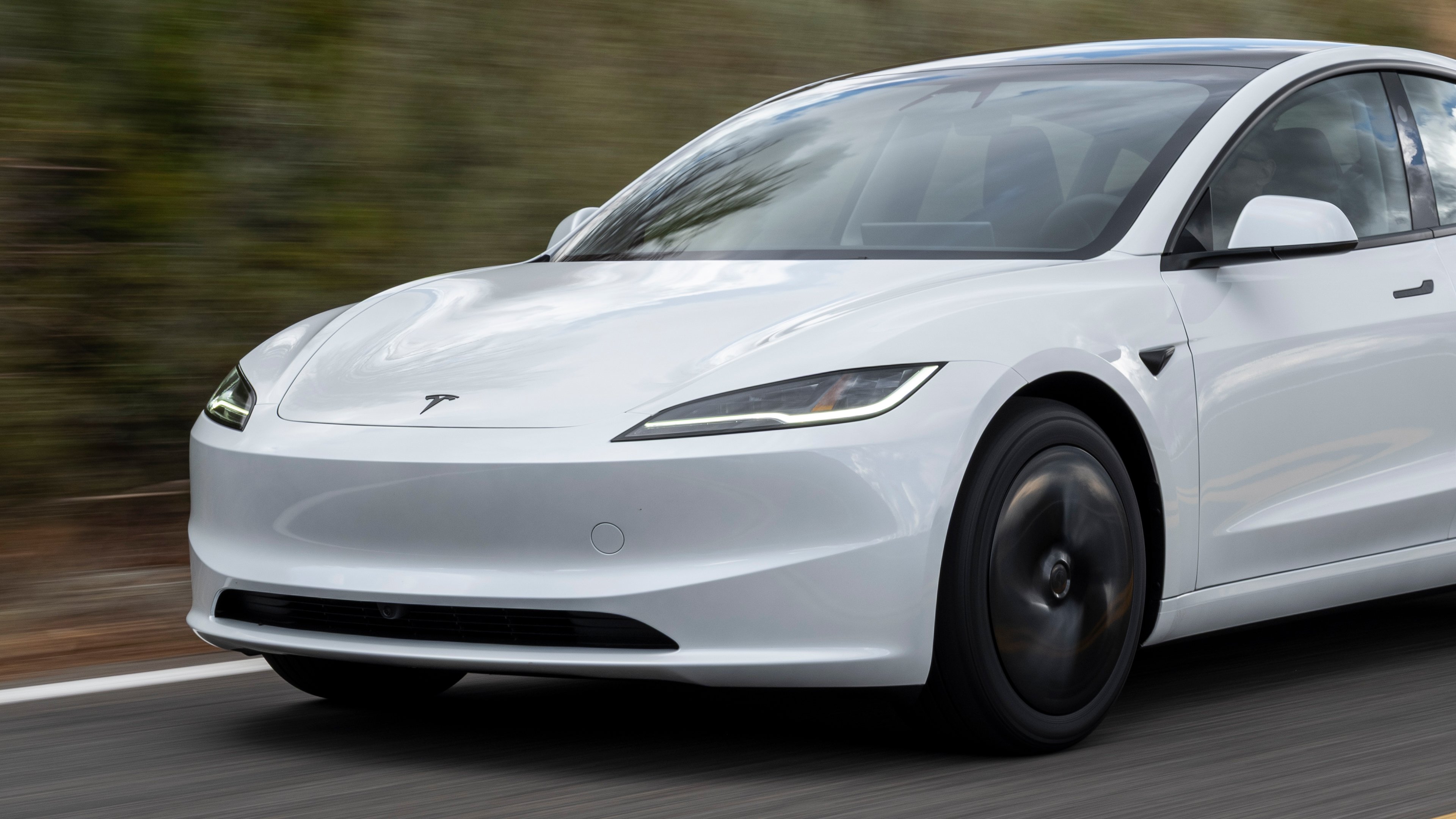
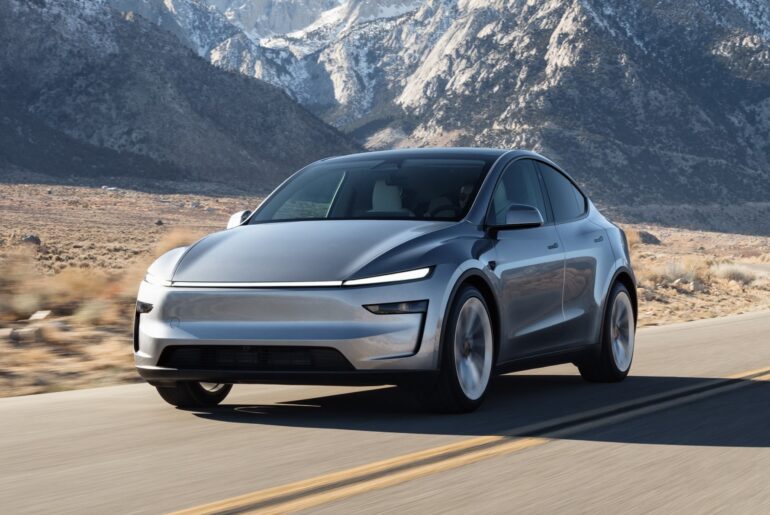
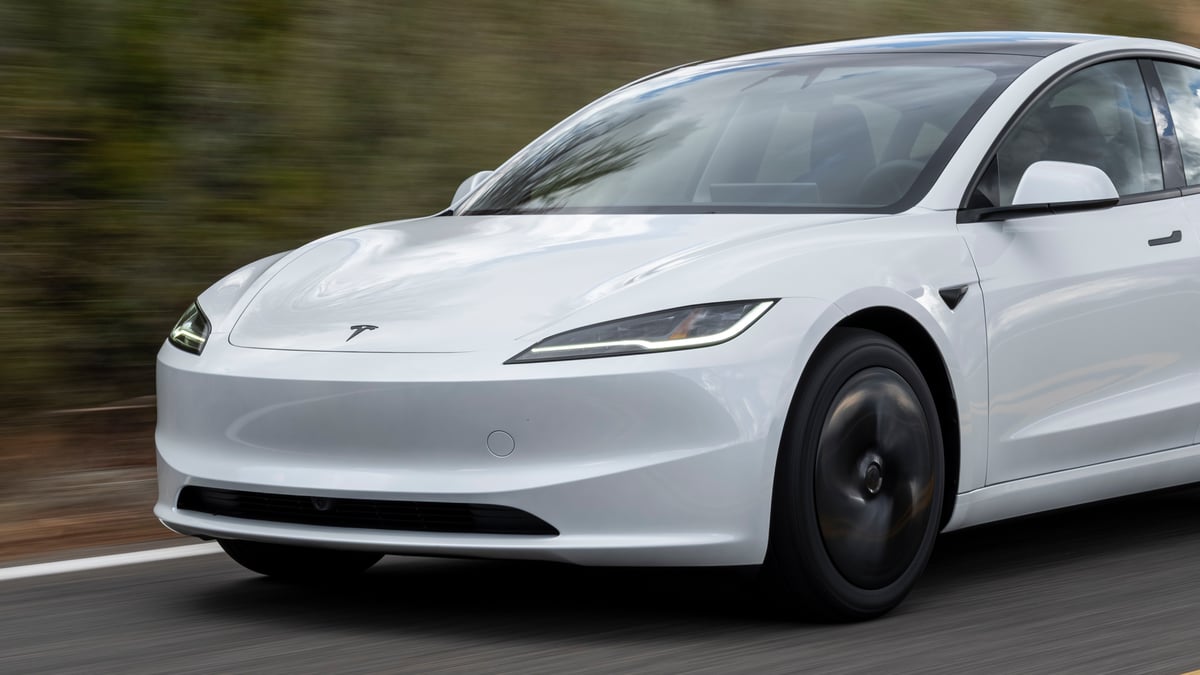
Image source: Tesla.
JPMorgan thinks Tesla will hit $145
JPMorganChase analyst Ryan Brinkman came out with a brutal note on Tesla on Monday, saying that expectations for Tesla had collapsed “for all financial and performance metrics” through the end of the decade.
Indeed, analysts are only expecting modest growth over the next couple of years, with the consensus calling for 9% revenue growth in 2026 to $103.1 billion and 17% growth in 2027 to $120.5 billion.
For the first quarter, Tesla did report a 6.3% increase in vehicle deliveries to 358,023, but that was still below estimates.

Today’s Change
(-2.16%) $-7.79
Current Price
$352.80
Key Data Points
Market Cap
$1.4T
Day’s Range
$346.64 – $367.70
52wk Range
$214.25 – $498.83
Volume
4M
Avg Vol
62M
Gross Margin
18.03%
Is Tesla about to plunge?
As this year’s slide in the stock and the JPMorgan note reflect, there are a lot of headwinds facing the stock. The $7,500 EV tax credit expired in the U.S. last year, which is likely to weigh on demand for EVs, and even before the tax credit expired, demand has not grown the way forecasters expected.
More than five years after Tesla broke through and turned profitable, gas-powered vehicles still dominate auto sales, and the majority of car buyers seem skeptical of EVs due to concerns like “range anxiety,” diminished range in winter, and the fact that free EV chargers are increasingly rare.
Tesla has also benefited from the “Musk premium,” meaning the additional value the stock has due to Elon Musk’s presence at the top of the company and his vision for Tesla.
However, Musk is also a risk to Tesla. For instance, he turned off a number of Tesla-owners and potential buyers with his alliance with President Trump, and he’s prone to making promises that he can’t deliver on, or at least not in a timely manner.
For example, in 2021, Musk set a goal of 50% compound annual growth for several years, but the company only hit that for two years and abandoned the target in 2024. Still, Musk’s setting of that goal helped pump the stock at the time.
Overall, it’s difficult to predict the timing of any stock decline, especially one as volatile as Tesla, but the EV stock does look significantly overvalued. The company has been struggling to grow for more than two years, but is valued like a high-growth, disruptive company.
With interest rates remaining elevated and competitive pressure unlikely to relent, the bull case for Tesla rests on breakthrough innovations, but even those seem to be more than priced in.
The reality is Tesla stock could fall to $145, and it would still be overvalued at its current growth rate and profit level.