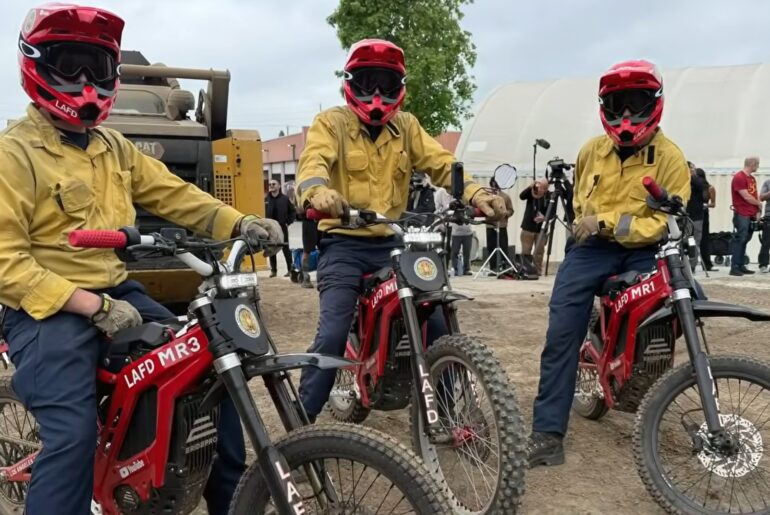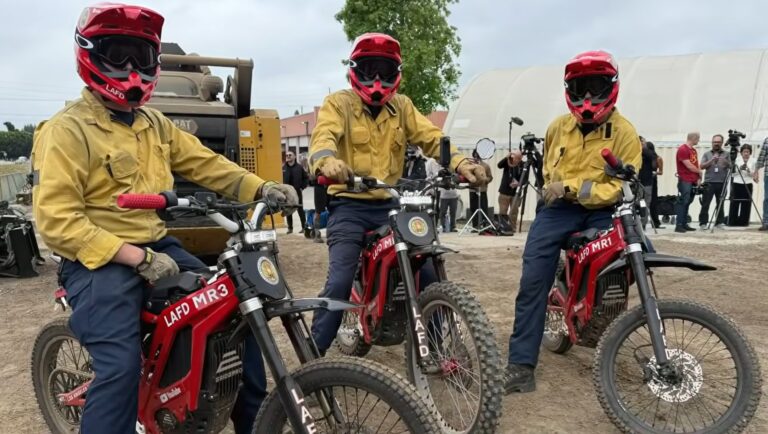
The Los Angeles Fire Department has included 30 ERidePro electric motorcycles in its fleet to improve emergency response times. This doesn’t mean there’s a water tank and motor mounted to the bikes to spray water. The bikes are added to ensure an incident receives attention in the quickest way possible, be it fires, natural disasters, or search and rescue missions.
The thing with large fire trucks is that they tend to take a while to weave through LA rush hour traffic when responding to an emergency. With bikes, though, one can ride in between cars and reach their destination in no time, thanks to the laws in California that do not prohibit lane splitting.
But what’s the point, you say, if the bikes are not carrying water or fire extinguishers? According to a report by Jalopnik, riders tasked with using the bikes will carry medical equipment. They are designed to reach the destination first, so emergency assistance can be offered to survivors.
Since the bikes are now part of the LAFD’s dispatch network, they will also assist in sending back crucial information to the fire crews that will be on their way, which can help expedite and aid relief operations, potentially saving more lives.
Read More from MotorBiscuit: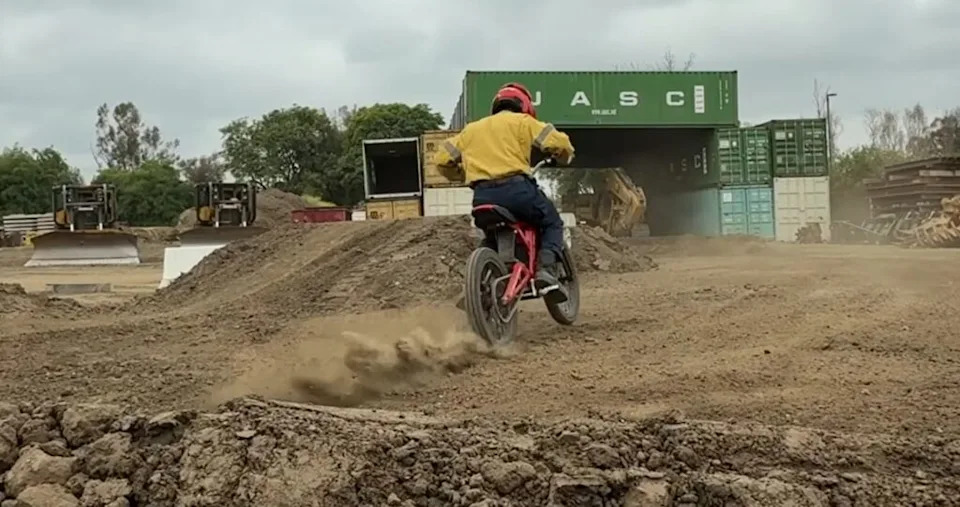
Bike
The bikes, which are donated by Google and YouTube, will also respond to wildfire emergencies. A video on YouTube shows how the nimble two-wheeled machines can ride on dirt, highlighting their ability to tackle difficult terrain with ease.
The LAFD riders seem to handle the bikes with ease, which will help them remain fast and safe during rescue missions. The department will assign two people to each unit as part of its rescue strategies for higher efficiency during medical emergencies, especially for missions that demand a team effort.
According to a report by Electrek, the bikes can even act as a basic ambulance in tough situations. It reads:
“Each unit will be operated by a two-person team, effectively creating compact, agile medical response crews that can reach patients more quickly than larger vehicles. Once on scene, riders can begin basic medical support, assess hazards, and coordinate further response efforts, including ambulance transport if needed.”