Autoblog and Yahoo may earn commission from links in this article.
The Valhalla Sets the Tone for Aston Martin
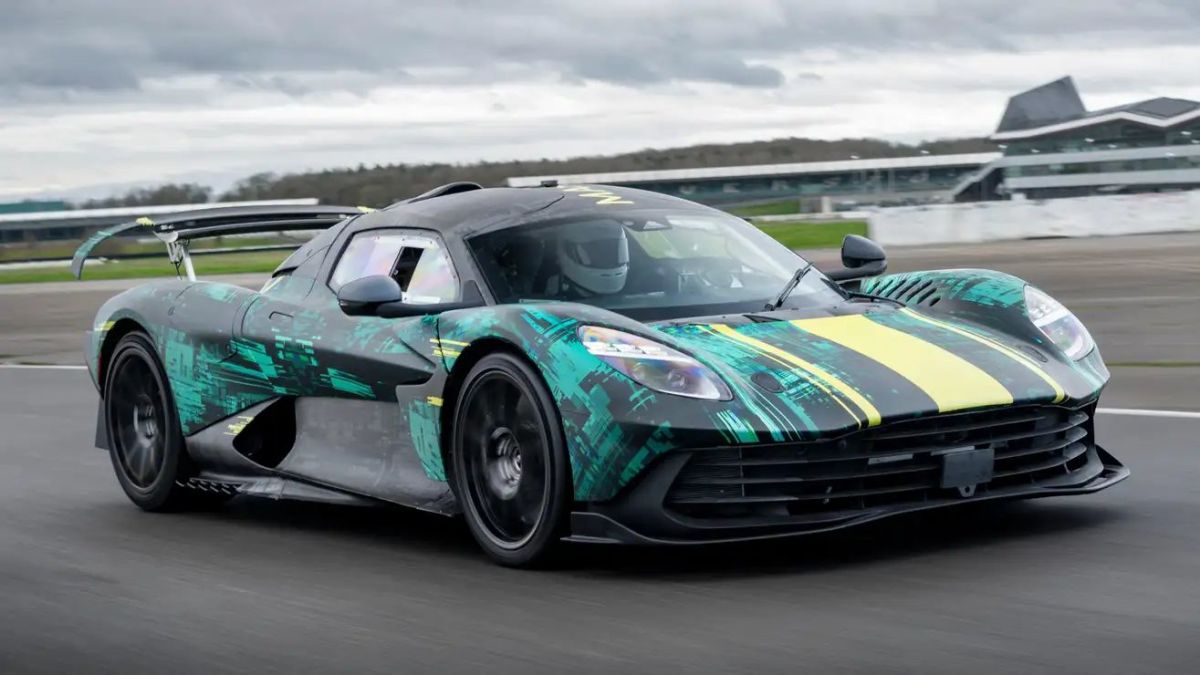
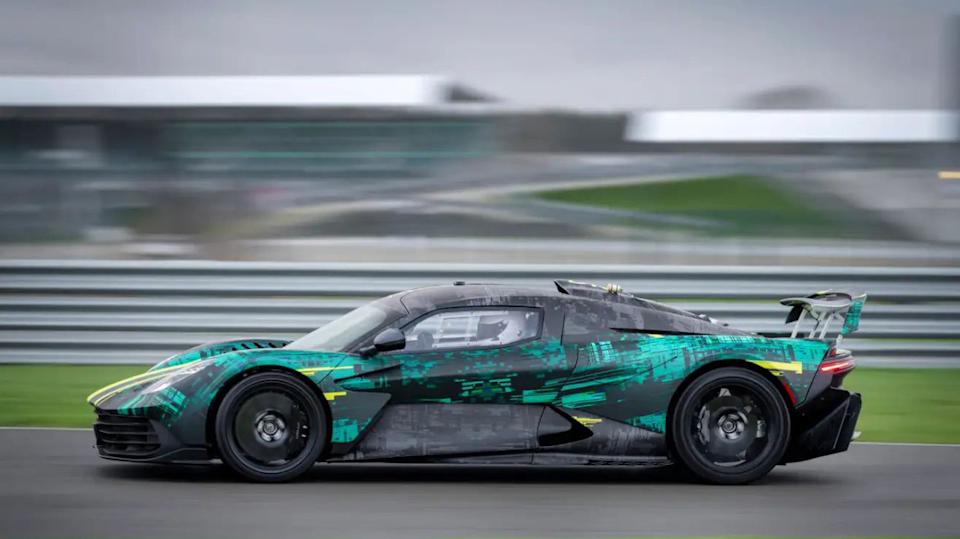
The Aston Martin Valhalla marks a major turning point for the British marque. It sits below the Valkyrie but still targets the same rarefied air. A twin-turbo V8 paired with a plug-in hybrid system delivers more than 1,000 horsepower. The platform brings active aerodynamics and a focus on driver involvement. Aston Martin is using the Valhalla to reset expectations for what its performance cars can be.
The car also showcases a willingness to adopt new technology in the service of engagement. Torque vectoring from the front electric motors sharpens turn-in and stability. The system mirrors ideas seen in advanced EV platforms.
Aston Martin has signaled that future models may lean further into these solutions. The goal is not just speed. The goal is precision and feel under real driving conditions.
 Looks Good Coming or Going—Just as Fast, Too
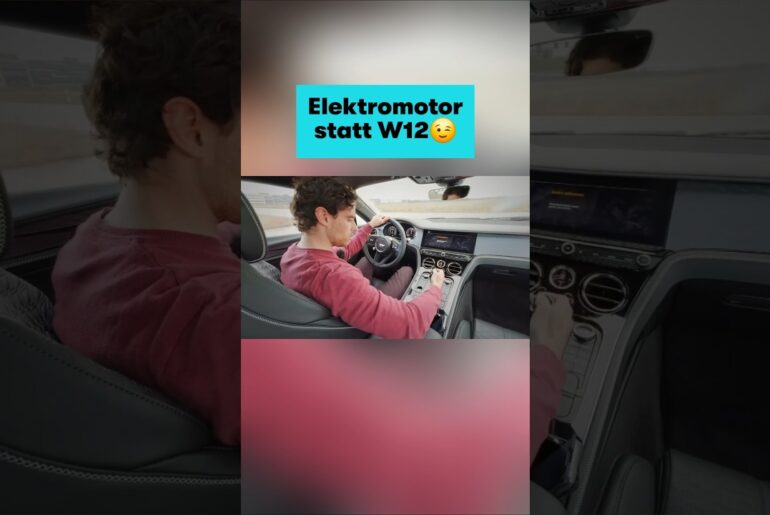
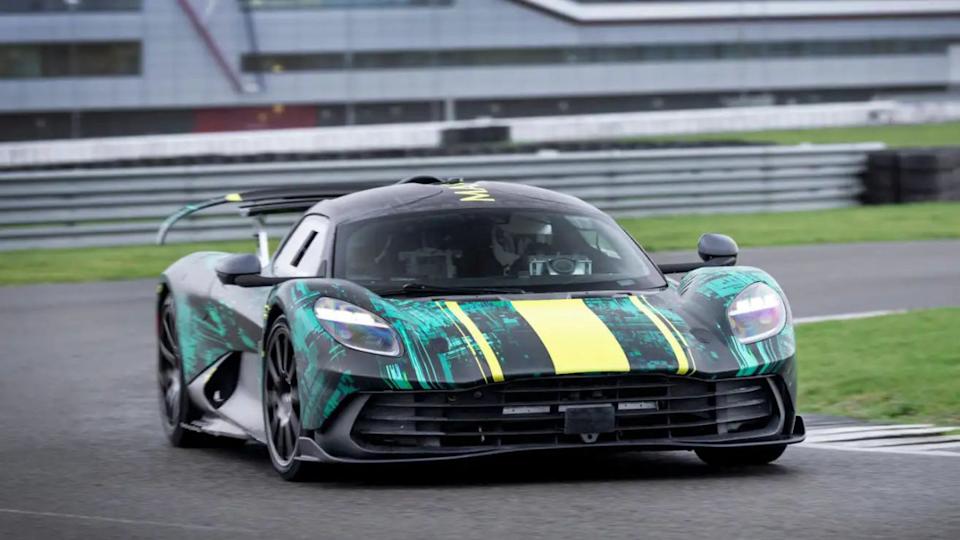
A curious issue emerged during development. The Valhalla does not use its dual clutch transmission for reverse. Instead, the front axle electric motors handle backward motion.
That approach simplifies packaging and reduces mechanical complexity. It also introduced an unintended consequence. It turns out that giving a hypercar electric motors excites some people’s intrusive thoughts.
Those motors can drive the car forward at a very high speed. Early testing revealed they could do the same in reverse. That put the theoretical reverse speed near 87 mph.
Engineers flagged the risk quickly. Controlling a hypercar at that speed while moving backward would be unpredictable. Aston Martin responded by limiting reverse speed electronically to 19 mph. The change brings the car back into a sane operating window. Somewhere, a lawyer finally unclenched.
 It’s a Horsepower Arms Race
The broader context makes this decision stand out. The Rimac Nevera set a reverse speed record at 171 mph. Manufacturers such as Koenigsegg and Bugatticontinue to chase top speed headlines. Electric entries like the Yangwang U9 are joining the push with extreme outputs. Crossing the 1,000-horsepower mark is now common in this segment. At this rate, even your grocery run might need a helmet.
Aston Martin chose a different path on this specific issue. It was decided that capability alone does not justify real-world use. Limiting reverse to about 19 mph is a practical call. It reduces risk without affecting the core driving experience. In a segment defined by excess, this is a notable move.
The Valhalla still delivers extreme performance where it matters. It simply avoids turning a novelty into a liability. Sometimes the bravest engineering decision is knowing when to ease off the throttle.
This story was originally published by Autoblog on Apr 6, 2026, where it first appeared in the News section. Add Autoblog as a Preferred Source by clicking here.