April 6, 2026
By Nehal Malik
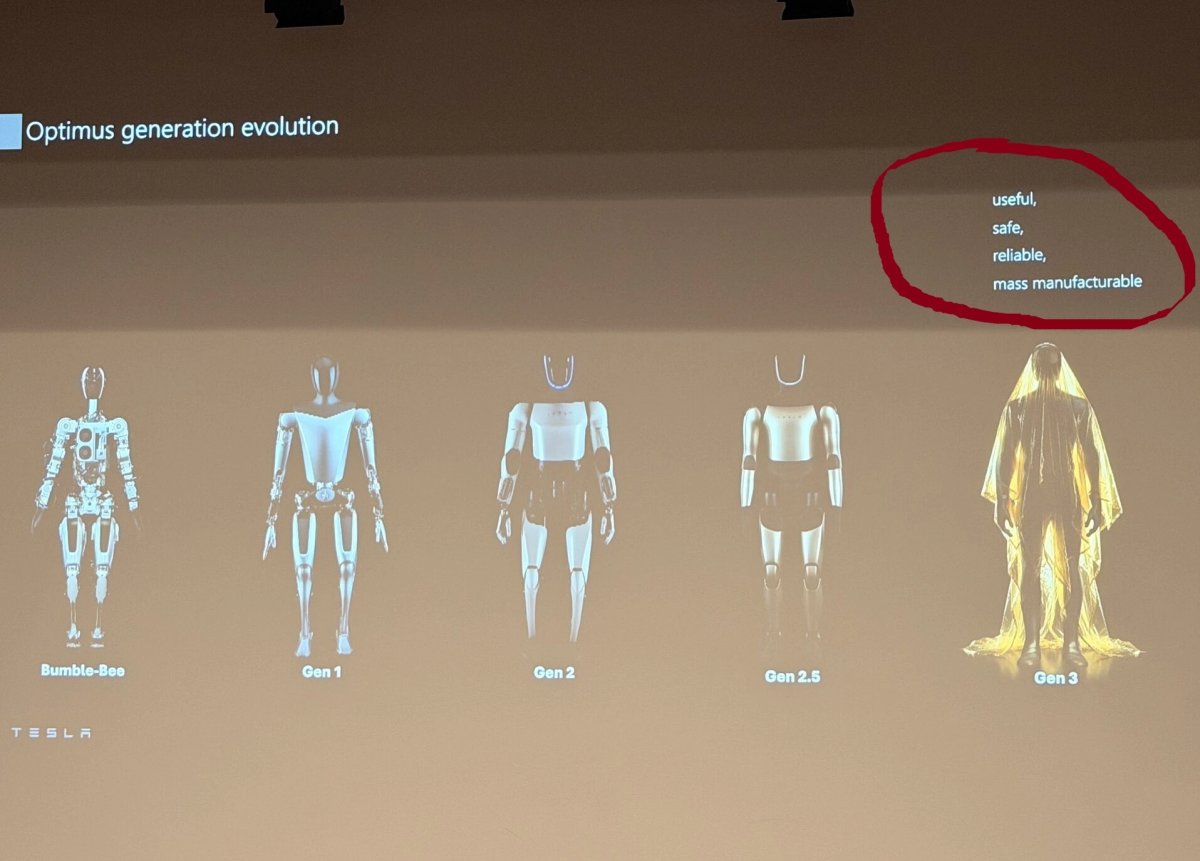
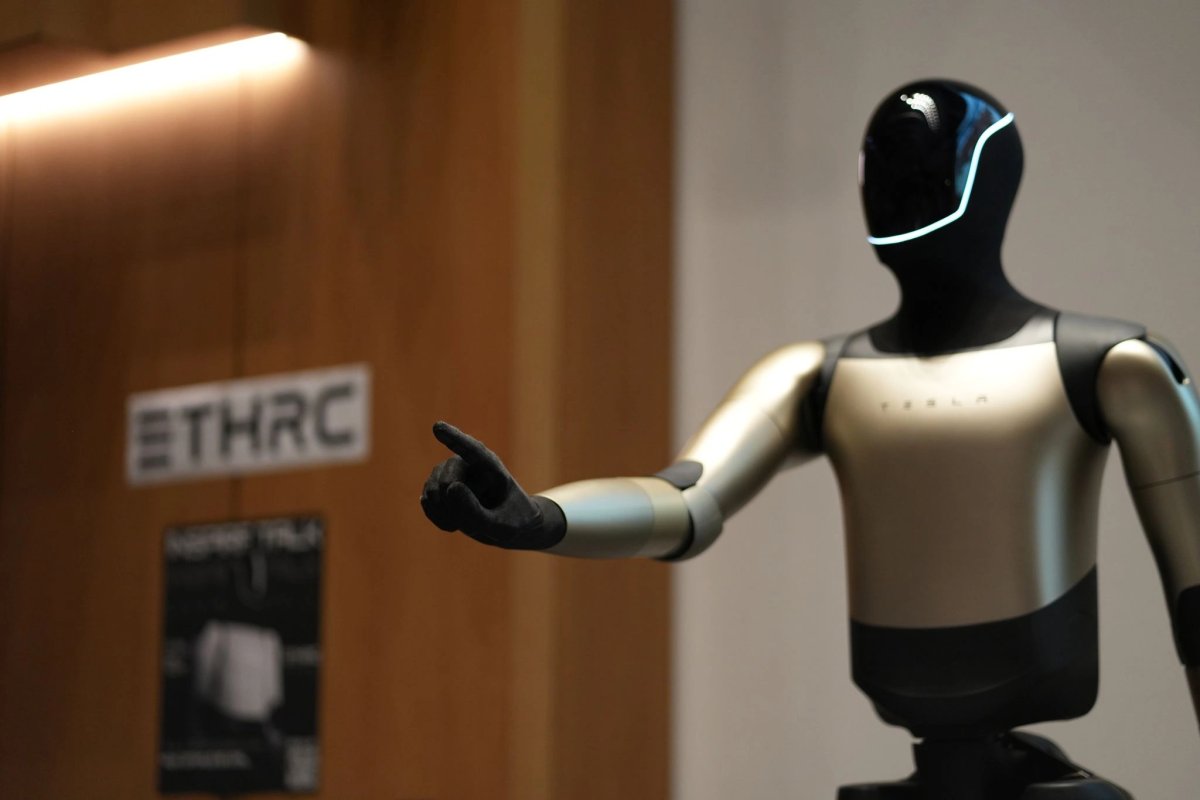
Tesla is preparing to transition its humanoid robot from a tech prototype into a mass-market reality. During a recent keynote at the ETH Robotics Club in Zurich, Tesla’s Optimus program lead, Konstantinos Laskaris, shared a presentation slide that appears to reveal the silhouette of the upcoming Optimus Gen 3.
As shared by TheHumanoidHub on X, Laskaris’s presentation highlighted how Gen 3 will be Tesla’s first “mass manufacturable” Optimus model. This is a significant pivot for the company, moving from the research-heavy “Bumblebee” and Gen 2 versions toward a design that is built for speed, safety, and reliability on a global scale.
A More Human Form Factor
The leaked silhouette suggests a major design evolution. While Gen 2 already looked polished, Gen 3 appears to move even closer to a human silhouette. The forearms look thicker, and the hands appear significantly more refined and human-like. Perhaps most interestingly, the illustration lacks the sharp mechanical edges seen on previous iterations, suggesting the robot might feature a soft outer covering for the more integrated “human-in-a-superhero-suit” aesthetic Tesla engineers have previously alluded to.
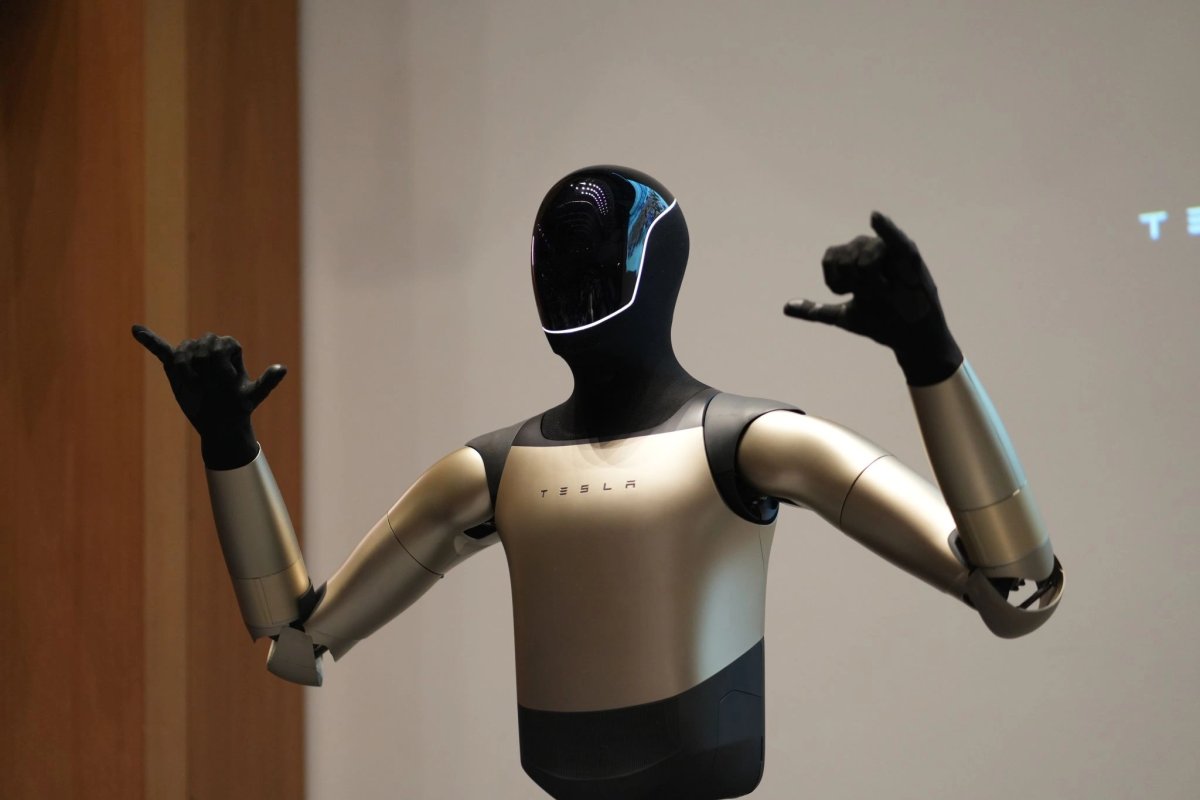
This shift toward human-level precision is largely driven by the robot’s new hand design. Tesla engineers recently highlighted that the Gen 3 hand features 22 degrees of freedom, nearing human form factor and functionality. This allows for the dexterity needed to handle delicate tasks that were previously impossible for robots, such as poaching an egg or accurately tightening small bolts on a moving assembly line.
The Road to Mass Production
Tesla isn’t just building a cool gadget; it is retooling its entire business around this machine. The company recently discontinued its flagship Model S and Model X to free up floor space at its Fremont factory, specifically for an Optimus production line. Tesla is targeting a production capacity of one million units per year at Fremont, with volume production slated to begin with Gen 3 sometime this year. Looking further ahead, Tesla is already planning a massive 10 million unit-per-year line at Gigafactory Texas.
The strategy starts with internal labor. Tesla plans to deploy these robots onto its own factory floors first to handle repetitive or dangerous tasks. By using its own manufacturing lines as a testing ground, Tesla can iron out any bugs before offering the robot to external customers for an estimated price of $20,000 to $30,000.
When Will We See It?
While the Zurich keynote gave us a teaser, the full reveal is still pending. Tesla was originally expected to unveil Gen 3 in the first quarter of 2026, but the event has been delayed. Elon Musk recently shared that while the robot is already “walking around,” the design still “needs some finishing touches” before it is ready for its big stage debut.
With production lines already being prepped in California, the delay is likely a matter of weeks rather than months. If Gen 3 can deliver on the promise of being “useful, safe, and reliable,” as noted in Laskaris’s slide, it will mark the beginning of a new era for Tesla as an AI and robotics powerhouse. All eyes are now on a potential Q2 event where the “superhero” might finally take its first public steps.
Subscribe to our newsletter to stay up to date on the latest Tesla news, upcoming features and software updates.
April 6, 2026
By Nehal Malik
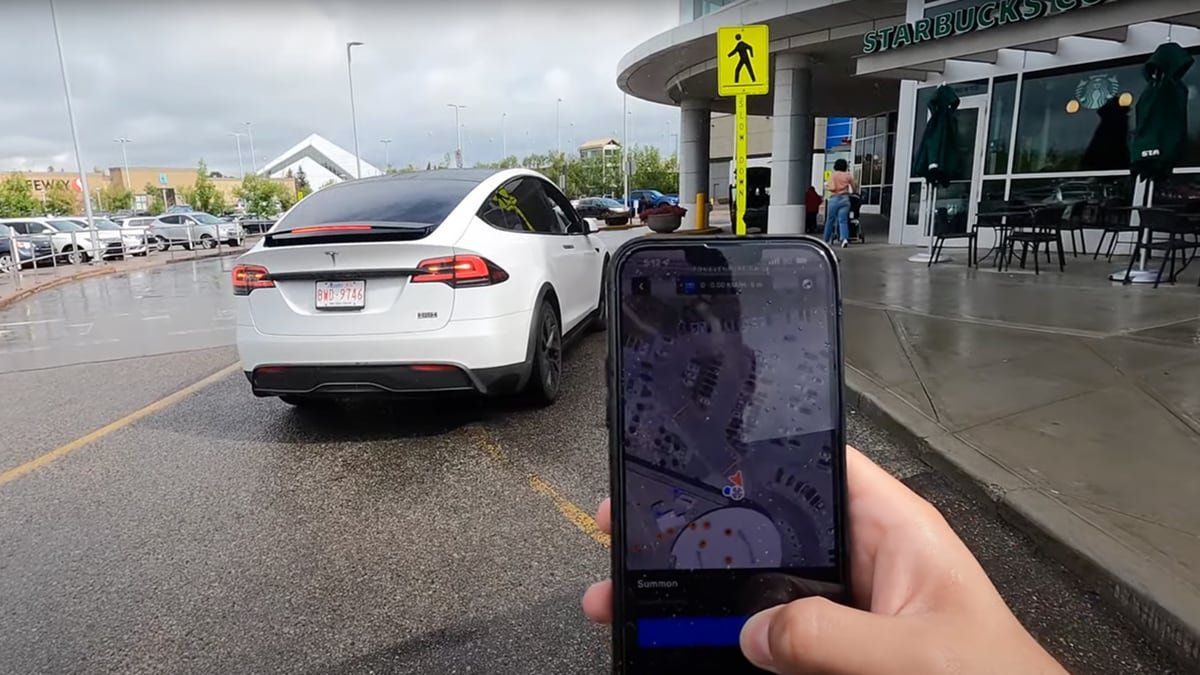
Tesla has officially cleared one of its many regulatory hurdles as the U.S. government winds down a year-long investigation into its remote-driving technology. On Monday, the National Highway Traffic Safety Administration (NHTSA) announced it is closing its probe into Tesla’s “Actually Smart Summon” (ASS) feature, concluding that the system does not pose a significant safety risk to the public.
According to a report from Reuters, the agency decided to end the review after finding that incidents were primarily linked only to low-speed collisions. The investigation, which covered nearly 2.6 million vehicles, found that while there were about 100 reported crashes, they resulted in zero injuries and zero fatalities.
What is Actually Smart Summon?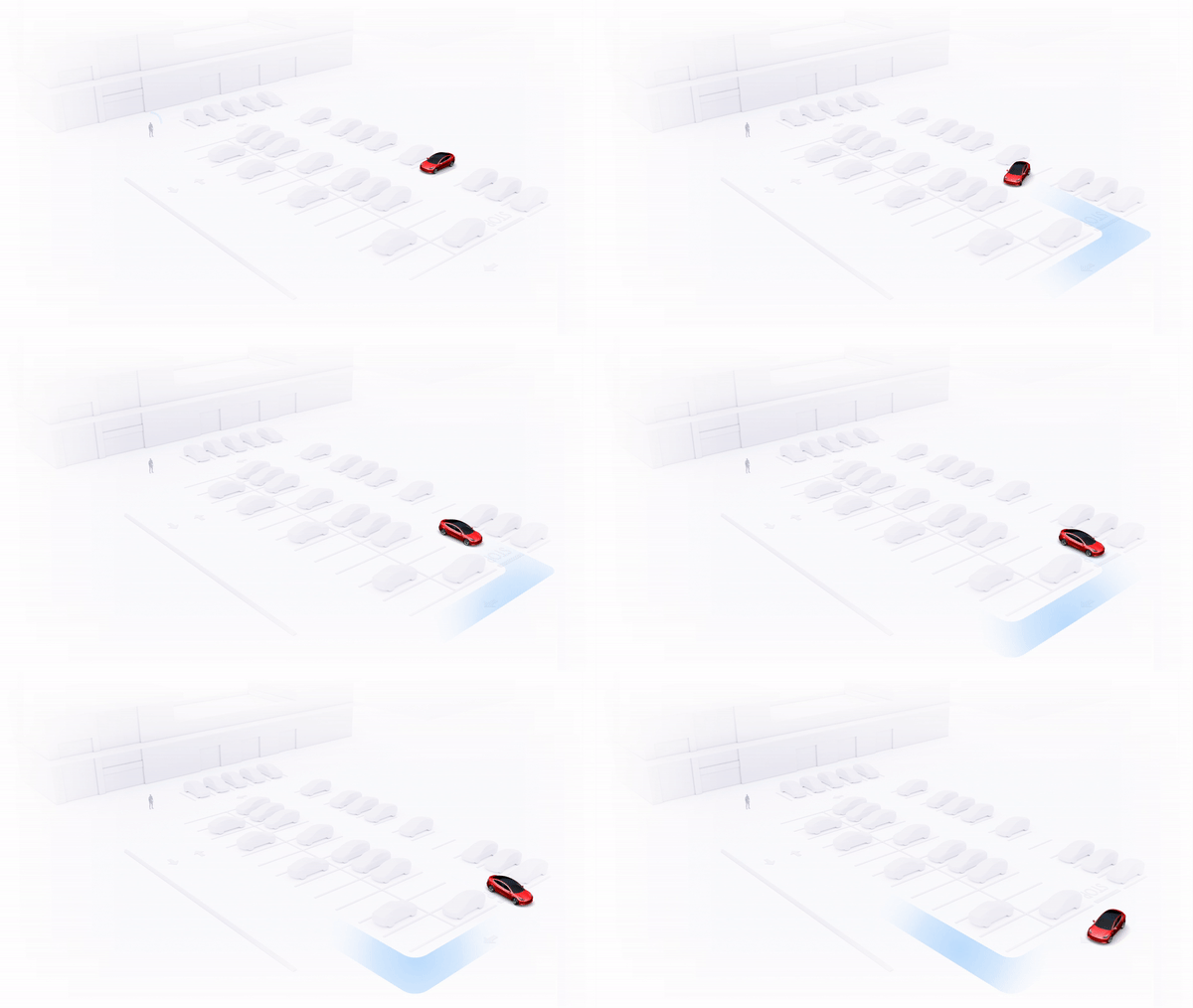
Actually Smart Summon is a vision-based feature that officially began rolling out in September 2024. It allows owners to use the Tesla app to “summon” their car from a parking spot to their current location. Unlike the older, sensor-based version of Summon, ASS uses the car’s cameras and onboard computer to navigate around obstacles like shopping carts, curbs, and other vehicles in a parking lot.
Summon has long been a source of both fascination and frustration for owners — delighting them when it works perfectly and testing their patience when it doesn’t. Consequently, it remains one of the most requested areas for Tesla to iterate and improve upon.
The feature landed in hot water in early 2025 when the NHTSA launched a probe following reports of minor collisions. Most of these involved vehicles striking parked cars, garage doors, or gates, usually because the cameras were temporarily blocked or visibility was limited. Tesla eventually addressed these concerns through software updates that improved how the car identifies blocked cameras and responds to moving objects like opening gates.
A History of Regulatory Scrutiny
This is far from Tesla’s first dance with federal regulators. The company has a long history of landing in hot water over its autonomous ambitions. Last fall, the NHTSA took issue with FSD’s “Mad Max” speed profile, which allowed for more aggressive lane changes. More recently, the agency upgraded a separate probe into how Full Self-Driving (Supervised) performs in adverse weather and low-visibility conditions.
It isn’t just about the software, either. Tesla has also faced NHTSA investigations into hardware designs, such as its emergency door release latches. While the closing of the “Actually Smart Summon” probe is a win, Tesla remains under an “engineering analysis” for its broader FSD system, which is a much more serious stage of investigation that often leads to recalls.
Looking Ahead
The agency noted that the low frequency and severity of the Summon incidents did not warrant further action. For Tesla owners, this means the feature is here to stay, and the company is free to continue iterating on the technology’s future abilities via over-the-air updates.
While Tesla’s self-driving tech continues to be a lightning rod for debate, this specific closure suggests that the regulator is willing to let low-speed, “property-damage-only” bugs be handled through software patches rather than forced recalls. As Tesla prepares for its Cybercab launch later this year, keeping a clean sheet with the NHTSA on these smaller features will be critical for maintaining public trust.
April 6, 2026
By Nehal Malik
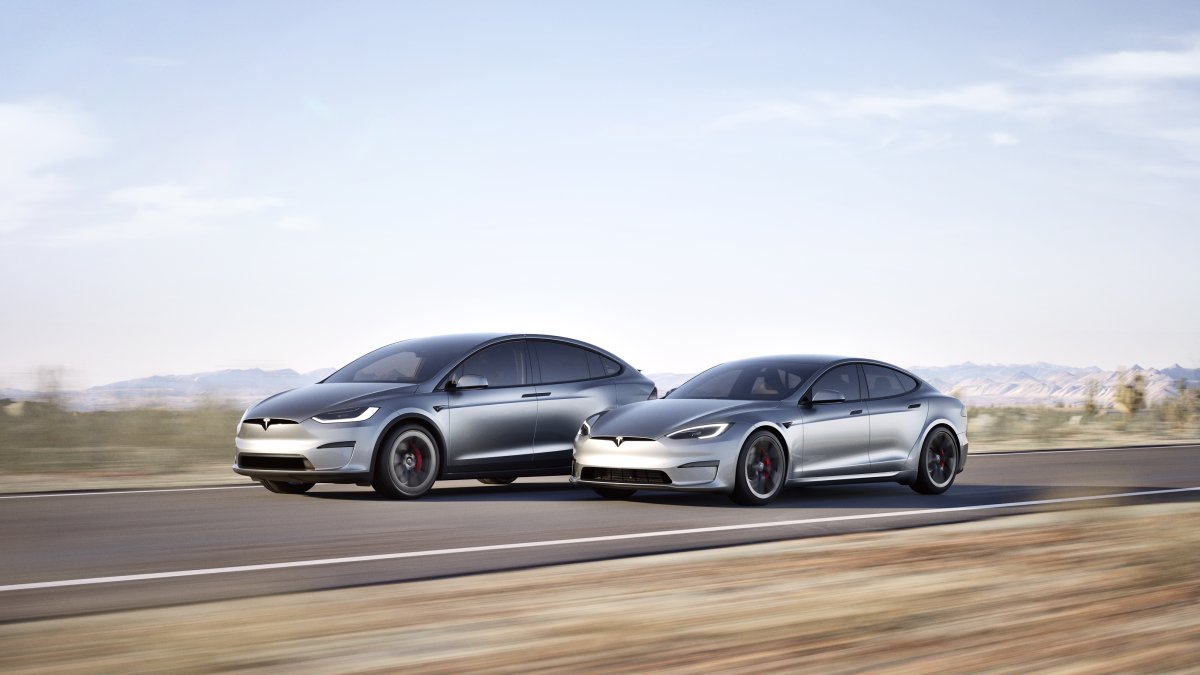
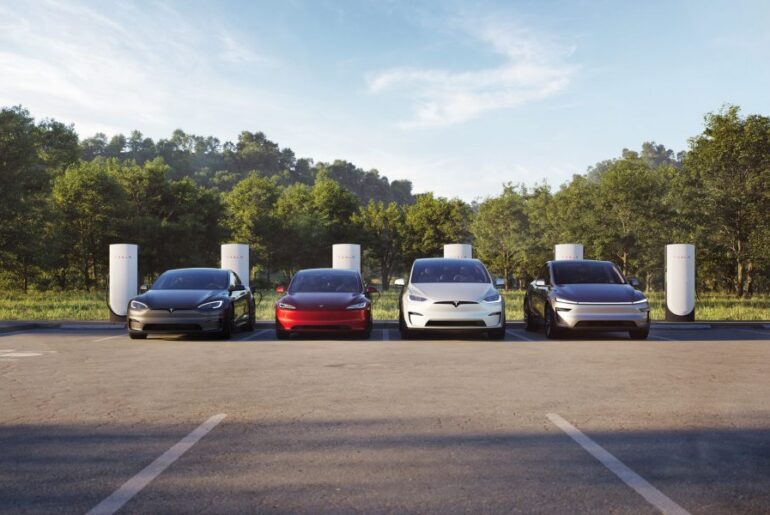
Tesla is making it clear that owning a piece of its founding history will come at a premium. Just days after closing the order books for its flagship Model S and Model X vehicles, the automaker has implemented a massive price hike on every remaining unit in its fleet.
According to industry analyst @sawyermerritt, Tesla has raised the price of all remaining new and demo Model S and Model X vehicles in inventory by $15,000. This brings the starting price for a new Model S AWD to $109,990, while the Model X Plaid now sits at a staggering $129,900.
Model S AWD: $109,990
Model S Plaid: $124,990
Model X AWD: $114,990
Model X Plaid: $129,990
Demo units can be had for a bit less than the sticker price, depending on mileage and condition.
The Luxe Package and Dwindling Supply
This price increase comes at a time when inventory is effectively cleared out in the United States. While there were roughly 600 units available worldwide when custom orders ended last week, a surge in demand has left behind mostly demo units previously used for test drives.
All remaining inventory units include Tesla’s “Luxe Package” of perks, somewhat justifying the higher cost. This bundle adds significant value for the final group of owners, featuring:
Full Self-Driving (Supervised) functionality for the vehicle (no longer transferable)
Four-Year Premium Service (including wheel, tire, and windshield protection plus maintenance)
Free lifetime Supercharging at over 80,000 stalls worldwide
Lifetime Premium Connectivity for music, movies, and live traffic
Why the Massive Price Hike?
Speculation is swirling as to why Tesla would hike prices by $15,000 this close to the finish line. One likely reason is simple supply and demand. With new custom orders gone, these inventory units are the only way to buy a “new” Model S or X before they are gone forever. Tesla is likely capturing the “collector’s value” of these final cars.
Additionally, the inclusion of the Luxe Package — specifically the free Supercharging and FSD — adds thousands of dollars in lifetime value to the car. By baking these costs into the final sticker price, Tesla ensures a high-margin exit for its longest-running models. It is also a way to manage the remaining stock; by raising the price, the company can slow down the final sales just enough to coordinate the official end of the manufacturing era at the Fremont factory.
End of the Luxury Era
The discontinuation of these models marks a symbolic shift for Tesla. The space once used for these flagship sedans and SUVs is being retooled to produce the Optimus humanoid robot. Tesla is moving away from the low-volume luxury market to focus entirely on mass-market EVs and autonomous robotics.
While the loss of the Model S and X leaves a gap in the premium market, Tesla fans still have much to look forward to. Elon Musk has already teased a “way cooler” large SUV, and the next-gen Roadster is expected to take over the performance mantle soon. For those who can afford the $15,000 premium, this is the absolute last call to own the cars that started the EV revolution.