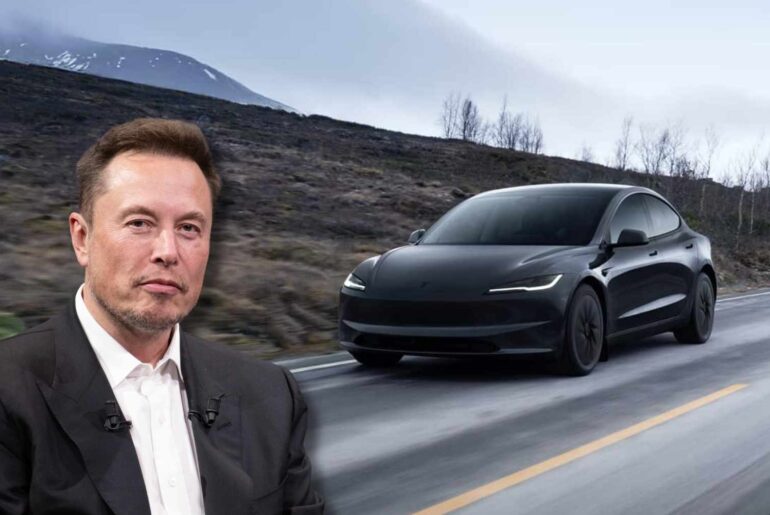
Tesla has just avoided a potential recall, but it’s not for the reasons one might expect. The National Highway Transportation Safety Administration announced on Monday that it has closed its investigation into “Actually Smart Summon”—yes, it’s presumably a backronym—after kicking off the probe in 2025 over complaints received by the agency. The feature, which lets users move their cars remotely with their smartphone, turned out to be more embarrassing than dangerous in the end.
The probe covered some 2.6 million cars and focused on a series of low-speed crashes in parking lots and driveways. That sounds dramatic, until you look at what actually happened; NHTSA says it reviewed around 100 incidents, but most involved Teslas gently plowing into parked cars, garage doors, gates, and other fixed objects. No crashes led to injuries, fatalities, airbag deployments, or vehicles being towed away, according to the feds.
Courtesy Tesla
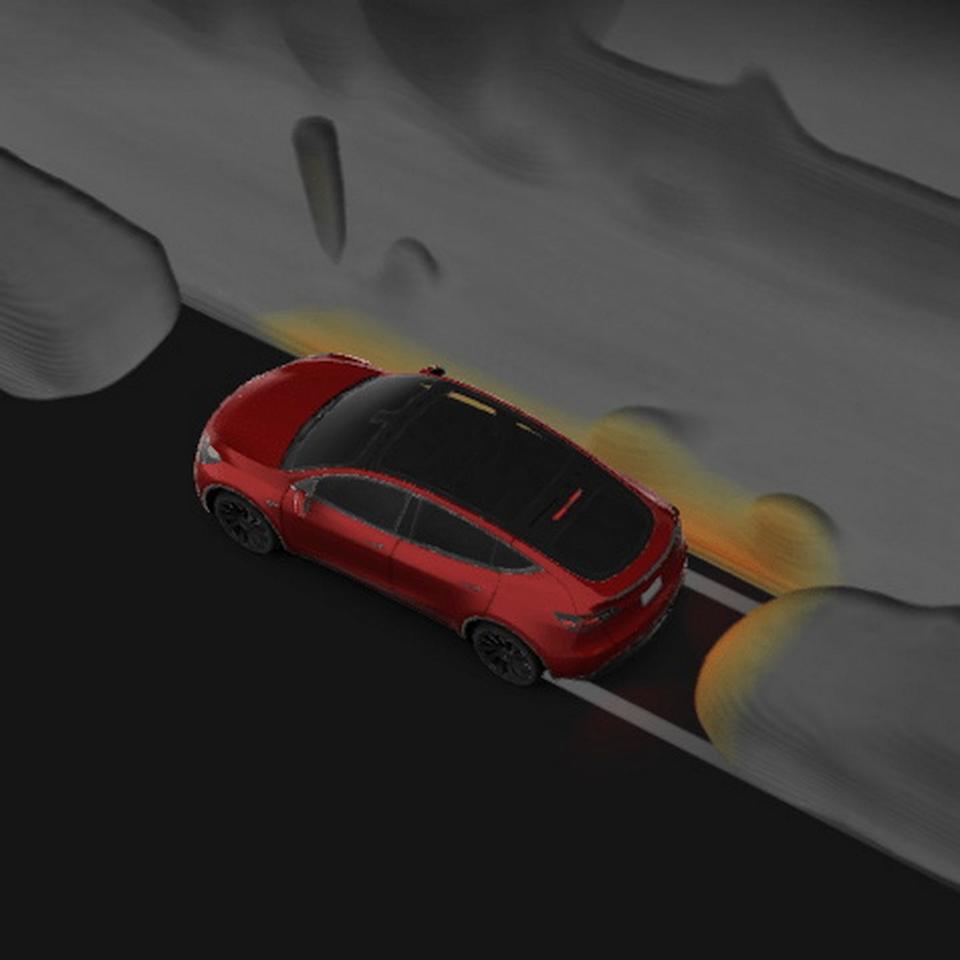
The investigation began in early 2025, after multiple complaints claimed Tesla’s Actually Smart Summon system failed to spot obstacles quickly enough. Owners reportedly had too little time to react, especially during the first few seconds of a summon session when the car started moving before they had a clear view. Earlier complaints involved Teslas striking posts and parked vehicles in parking lots.
Tesla avoided more trouble by issuing several over-the-air software updates. According to NHTSA, those updates improved obstacle detection, taught the system to recognize blocked or fogged cameras, and made the vehicle respond better to moving objects like swinging gates. Tesla also tweaked the software to reduce issues caused by snow, condensation, and other environmental conditions that could confuse its camera-only setup.
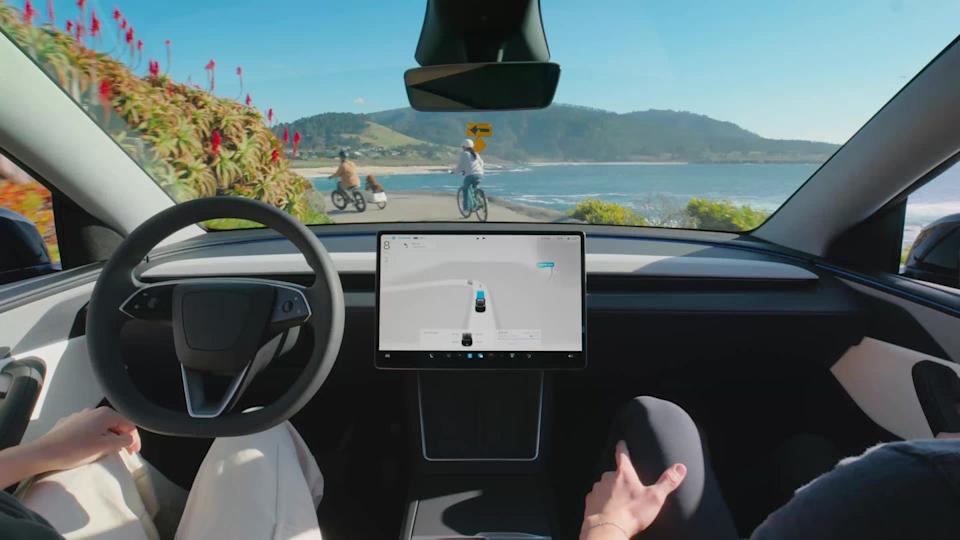
Courtesy of TESLA
That all said, Tesla still has a huge investigation hanging over its proverbial head. Last month, the NHTSA upgraded its probe into Tesla’s Full Self-Driving system to an engineering analysis, which is typically the final step before a recall. That investigation now covers roughly 3.2 million cars and centers around allegations of running red lights, violating traffic laws, and causing crashes in poor visibility. So while Tesla has avoided serious issues with Actually Smart Summon, Full Self-Driving is still under the microscope.
You Might Also Like
If You Can Only Own One Car, Make It One of These
These Are the Most Popular Cars by State