Regulators cite low-speed incidents with no injuries while continuing to oversee driver-assistance systems.

On the Dash:
NHTSA closed the probe after reviewing 2.59 million vehicles, citing only minor, low-speed incidents.
Over-the-air updates remain critical in addressing software-related vehicle performance issues.
Regulatory scrutiny of driver-assistance systems continues despite the closure of this investigation.
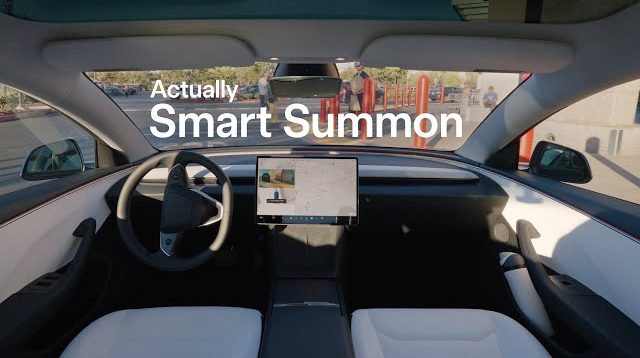
The U.S. National Highway Traffic Safety Administration (NHTSA) said Monday it has closed its investigation into Tesla’s “Actually Smart Summon” feature, which covered about 2.59 million vehicles.
The feature allows users to remotely move vehicles over short distances within parking areas or on private property via a smartphone app, while maintaining continuous supervision.
The agency determined that the system was primarily linked to low-speed incidents resulting in minor property damage, with no reported injuries or fatalities. Most reported cases involved vehicles striking obstacles such as parked cars, garage doors or gates, often early in a summon session when visibility or situational awareness was limited.
Regulators said the low frequency and severity of incidents, combined with fixes implemented by Tesla, did not warrant further action at this time. However, the agency noted that closing the probe does not constitute a finding that a safety-related defect does not exist and said it may take further action if warranted.
Tesla addressed the concerns through a series of over-the-air software updates designed to improve obstacle detection, identify camera blockages, and enhance the vehicle’s response to dynamic objects such as gates. The updates also aimed to reduce errors caused by environmental factors, such as snow or condensation, affecting cameras.
The closure comes as regulators continue to scrutinize advanced driver-assistance systems. Last month, the agency upgraded a separate probe into Tesla’s Full Self-Driving system to an engineering analysis, expanding the review to about 3.2 million vehicles. The regulator also rejected a petition seeking a recall of 2.26 million Tesla vehicles over concerns of unintended acceleration, citing no evidence of a safety defect.