The federal gas tax hasn’t been touched since 1993. That’s not a typo. Bill Clinton was in his first year of office, “Jurassic Park” had just hit theaters, and a gallon of gas cost about $1.11. A lot has changed since then, and the crumbling state of America’s highways is one very loud reminder of that. Now, the auto industry’s biggest lobbying group is stepping in with a proposal that could shake up how drivers pay for the roads they use every single day.
The Alliance for Automotive Innovation, which counts General Motors, Toyota, and other major automakers among its members, is floating the idea of scrapping the current gas tax model entirely and replacing it with a flat fee based on how much your vehicle weighs. The concept isn’t totally without logic. Heavier vehicles do more damage to road surfaces, and the thinking goes that those who stress the pavement more should chip in more for its upkeep. Simple enough in theory. In practice, though, it gets complicated fast.
Here’s the kicker: the fee amount hasn’t actually been defined yet. Alliance head John Bozzella raised the idea without attaching a dollar figure to it, which is a little like your mechanic telling you your car “needs some work” without showing you an estimate. The ambiguity alone is enough to make truck and SUV owners a bit nervous, and it should probably raise a few eyebrows among EV drivers too.
Why Electric Vehicle Owners Should Pay Attention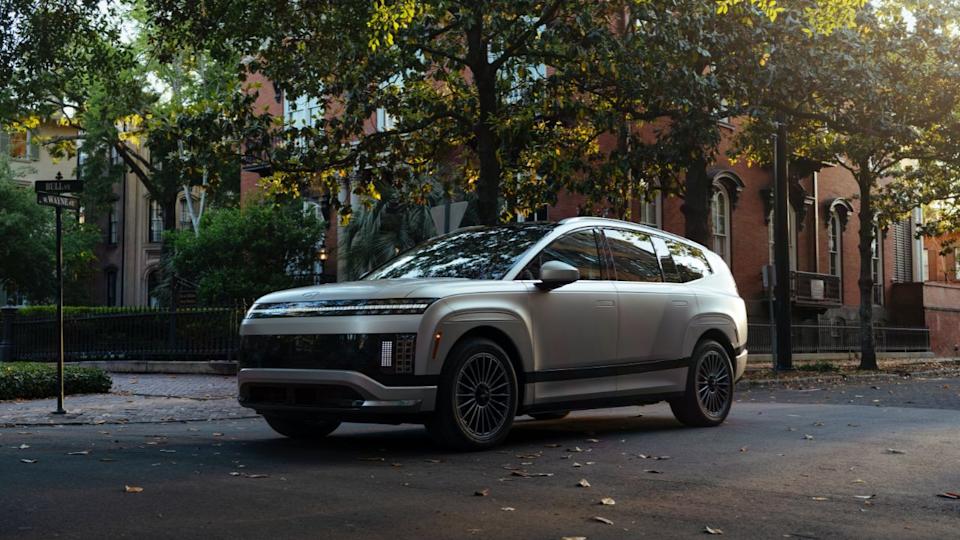
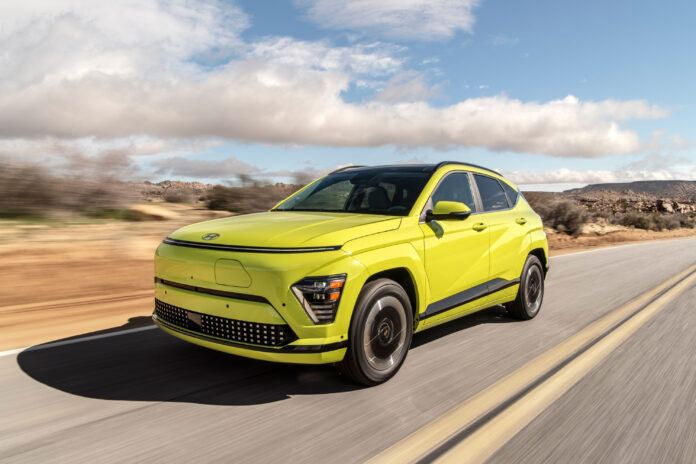
Image Credit: Hyundai.
The rise of EVs was supposed to be a win for everyone, lower emissions, fewer trips to the pump, a smug sense of environmental superiority at the school pickup line. But there’s a structural problem baked into the current system: electric vehicles don’t buy gasoline, which means they don’t pay the 18.4 cents per gallon federal tax that funds highway maintenance. Models like the Hyundai Ioniq 5 and the Ford Mustang Mach-E use public roads just as much as any other vehicle while contributing nothing directly to the tax pool that keeps those roads patched and functional.
And here’s the irony that EV fans might not love: battery packs are heavy. Really heavy. The added weight of the battery systems that make EVs emission-free also tends to make them heftier than comparable gas-powered vehicles, which means under a weight-based fee structure, some EV owners could end up paying more than they would have under the old gas tax system. The green car tax break might quietly become a green car tax penalty.
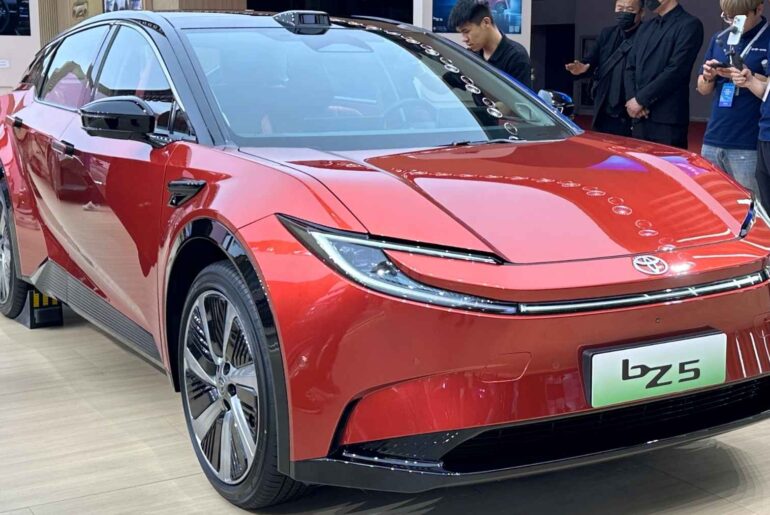
Hybrids are in a similar spot. The Toyota RAV4, one of the best-selling vehicles in the country, went fully hybrid for the 2026 model year, a sign of just how mainstream electrified vehicles have become. That’s great news for fuel efficiency and tailpipe emissions, but it also means less gasoline purchased and less revenue flowing into federal highway funds. The math simply doesn’t add up long-term.
Pickup Trucks and SUVs: The Big Targets
If you drive a full-size pickup or a three-row SUV, you might want to sit down for this part. Trucks like the Ford F-Series and the Chevrolet Silverado consistently rank among the top-selling vehicles in the United States, and they are not exactly lightweights. The heavy-duty components that make these trucks capable of towing, hauling, and surviving whatever weekend warriors throw at them also make them significantly heavier than a compact sedan. Under the proposed framework, that capability could come with an annual fee that hits noticeably harder than what drivers currently pay at the pump.
No one is saying this is a bad idea in principle. Roads genuinely do need funding, and the existing model was designed for a world where nearly every vehicle ran entirely on gasoline. That world is changing fast. But the details of any weight-based fee will matter enormously, and with no specific numbers on the table yet, truck and SUV owners have every reason to keep a close eye on how this conversation develops. The proposal may be well-intentioned, but for the millions of Americans who drive something large, heavy, and beloved, the devil is going to be in those details.