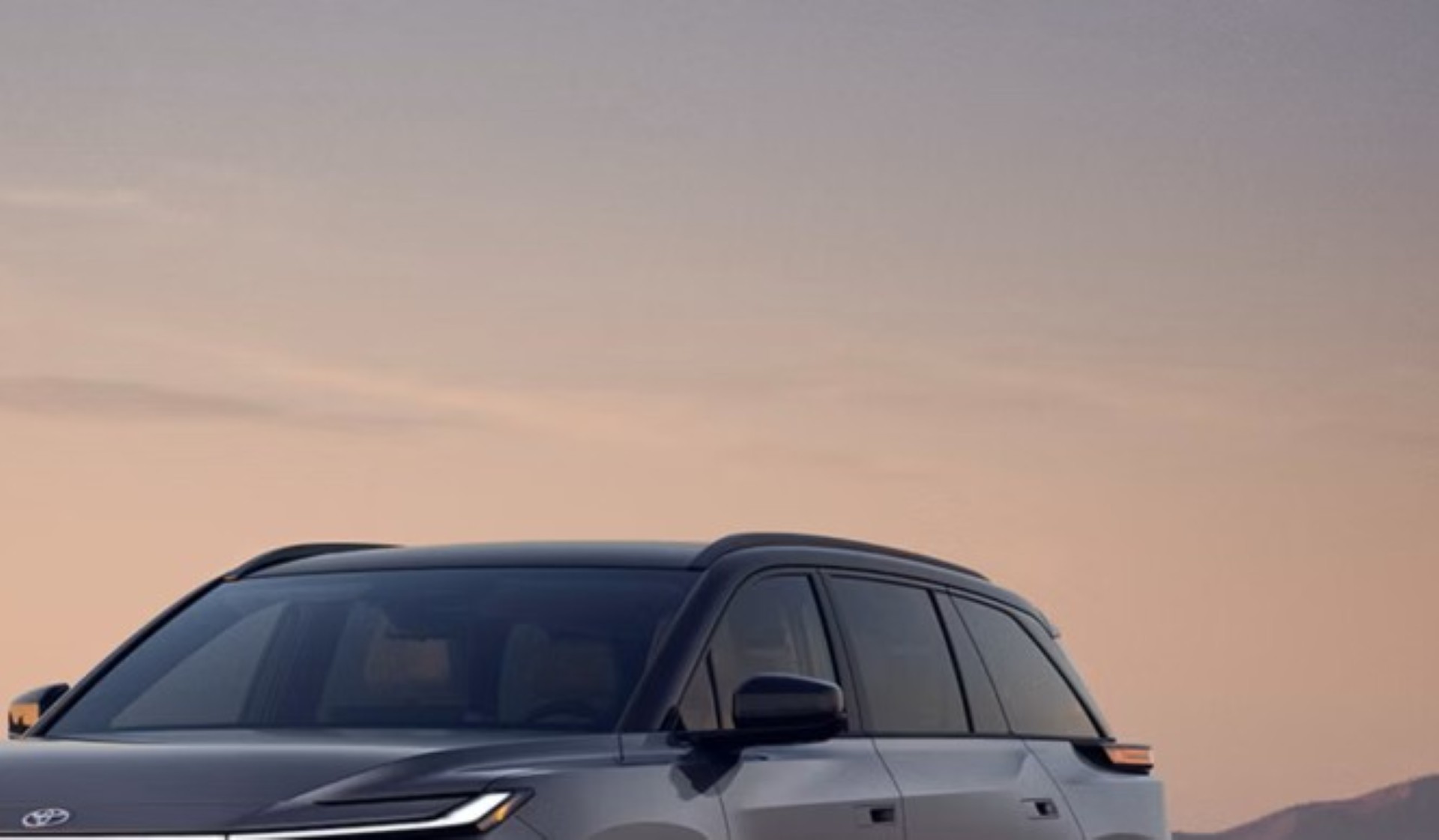
Toyota has unveiled an all-new, fully electric version of its popular Highlander SUV, marking a major shift for one of the brand’s most recognizable family vehicles, according to Car Scoops. The redesigned Highlander will be offered exclusively as an electric model, meaning there will not be a gas-powered option. Toyota is demonstrating a deeper push into the fast-growing electric vehicle market.
The next-generation Highlander EV is expected to arrive in late 2026 with multiple battery and drivetrain configurations. Drivers can choose between front- or all-wheel-drive models with estimated ranges of about 270 to 320 miles per charge, depending on battery size.
Higher-end versions feature dual motors producing up to 338 horsepower, delivering strong acceleration and confident all-weather performance. Car Scoops also reported in a YouTube video that the vehicle is much larger than the latest Highlander.
Built on a new platform designed specifically for EVs, the Highlander EV’s larger size enables improved interior packaging and greater passenger comfort. The SUV features modern styling touches, including slim LED lighting and aerodynamic design elements, as well as a high-tech interior with a large digital display and advanced driver-assistance systems.
The model also supports fast charging through a North American Charging Standard port, enabling access to a wide network of public chargers and allowing the battery to recharge from roughly 10% to 80% in about 30 minutes under ideal conditions.
EVs like the Highlander can offer several practical benefits for drivers, including lower fuel costs and reduced routine maintenance compared to gasoline-powered cars. They also produce no tailpipe pollution and typically operate more quietly, improving the driving experience.
With federal tax incentives gone and many auto companies rolling back their commitment to hybrid and EV models, Toyota making a stance for a more sustainable driving experience is a big deal.
Critics often point to battery manufacturing and mineral mining as environmental drawbacks. While producing lithium-ion batteries does create pollution, studies show that EVs still reduce overall planet-warming gases over their lifetime compared with conventional vehicles, especially as electricity grids become cleaner.
Charging an EV at home helps drivers save even more money, as home charging is significantly cheaper than using public chargers, potentially saving you hundreds of dollars per year. For homeowners interested in installing Level 2 EV chargers, Qmerit can provide free, quick installation estimates.
Owners who install home solar panels can further reduce charging costs, allowing vehicles to run on renewable energy rather than relying on the grid and lowering the overall carbon footprint associated with driving. TCD’s Solar Explorer can help you get started finding an affordable solar panel system that’s right for your needs.
TCD Picks » Quince Spotlight
💡These best-sellers from Quince deliver affordable, sustainable luxury for all
One of TCD’s solar partners, EnergySage, can connect you with vetted installers in your area and help you save up to $10,000 on installations by collecting competitive bids.
Get TCD’s free newsletters for easy tips to save more, waste less, and make smarter choices — and earn up to $5,000 toward clean upgrades in TCD’s exclusive Rewards Club.